
Augmented Reality vs Virtual Reality: What Is the Difference?
TL;DR
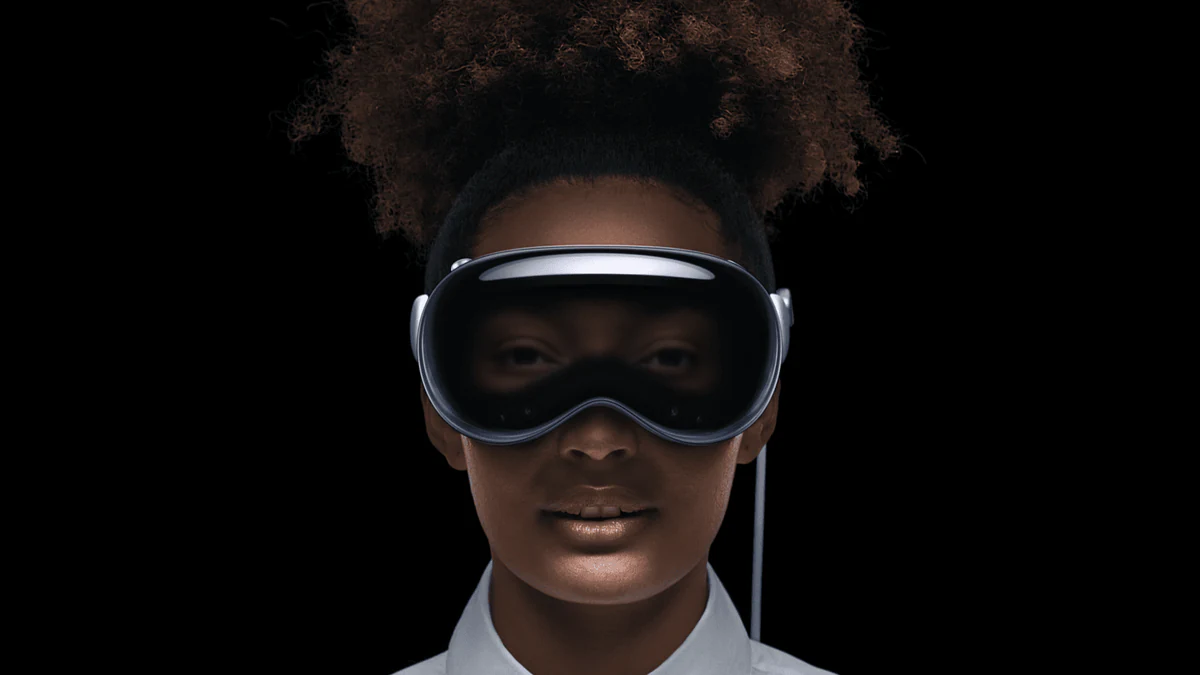
AR overlays digital content onto the real world through a smartphone camera, keeping the user aware of their surroundings. VR replaces the real world entirely inside a headset. The two solve different problems, and a brand's use case, not the hype around either, should decide which one to build for.
AR overlays digital content onto the real world through a smartphone camera. VR replaces the real world entirely inside a headset. The two are often used interchangeably in conversation, and the distinction matters directly for how a brand should think about using either.
Augmented reality and virtual reality are two genuinely different technologies, frequently confused because both fall under the broad umbrella of immersive tech. Understanding what separates them determines which one, if either, actually solves a specific marketing or product problem.
What Is Augmented Reality?
Augmented reality overlays digital content onto a live view of the real world, typically through a smartphone or tablet camera. It layers images, text, or video directly onto what a camera sees in real time, without requiring specialised hardware.
That accessibility, running on a device most customers already own, is what makes AR a practical, low-friction technology for product marketing.
What Is Virtual Reality?
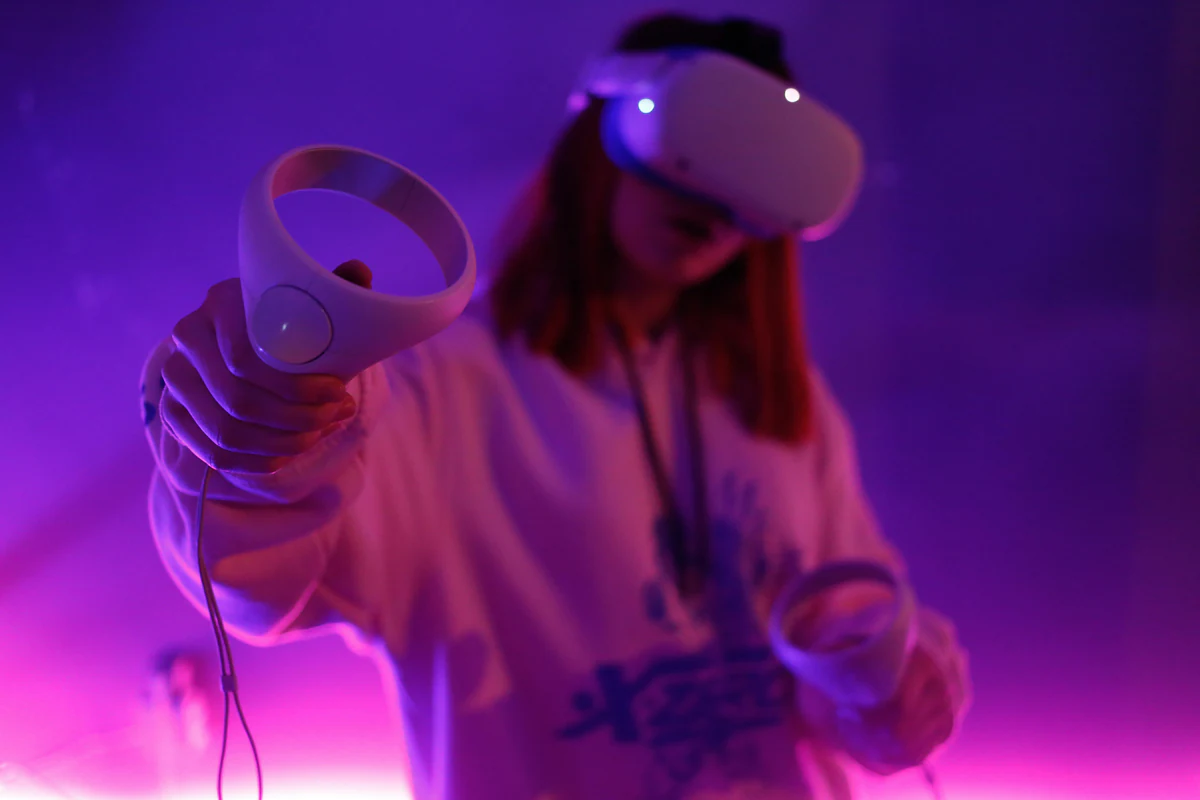
Virtual reality builds an entirely separate, simulated environment rather than augmenting the real one. It requires dedicated hardware, headsets, sensors, sometimes controllers, to create full immersion. Where AR keeps a user grounded in their actual surroundings, VR removes that grounding entirely and replaces it with a constructed one.
AR vs VR: The Key Differences
AR and VR solve different problems, which is exactly why a business choosing between them needs to start from the use case, not the technology itself. AR keeps a user aware of their physical surroundings while layering digital content on top of them. VR removes physical awareness entirely and replaces it with a fully simulated one.
The practical distinction is straightforward: VR isolates a user from information about their physical environment, where AR preserves it. AR runs on hardware most people already carry, a smartphone.
VR requires dedicated headset hardware most people don’t own by default. AR lets a user hold both the real and the digital in view at once.
VR offers only the constructed one.
How AR and VR Serve Marketing Differently
Both technologies support marketing, but through different mechanisms. Customer experience platforms use AR and VR to understand behaviour in more granular ways than a static page allows.
VR in particular has been adopted widely for product promotion because it holds a viewer’s full attention for the duration of the experience, which is a genuine advantage when the goal is deep engagement rather than a quick browse.
Where Virtual Reality Delivers Real Customer Value
Automotive brands use virtual reality to let a customer experience a test drive without visiting a showroom, which removes a barrier for customers who want that experience before committing to visit in person.
Product launches run through VR let a brand show a design in full, working detail before physical units exist, and let a design team catch errors early, in the model rather than after manufacture.
Most VR platforms support a full 360-degree customer experience, valuable well beyond automotive, and it applies directly to gaming and other immersive categories too. Beyond immersion itself, VR platforms can capture personalisation data on customer behaviour, recording preference and interaction patterns that inform a brand’s next decision.
Where Augmented Reality Drives Engagement
Pokemon Go remains the clearest example of AR done at scale. Launched in 2016, it combined location tracking with real-world landmarks to drive exceptional engagement.
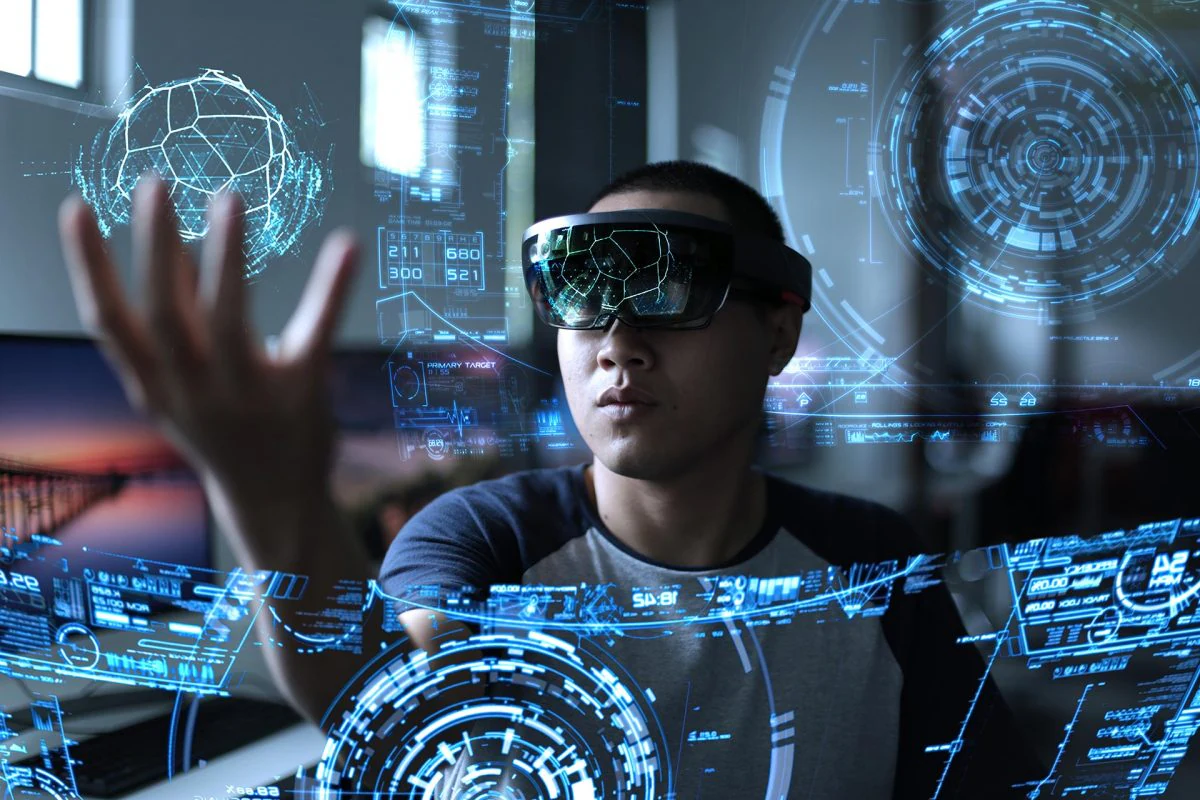
That same mechanism, blending real-world context with digital interactivity, is what a growing number of brands apply in their own AR marketing. Travel, automotive, and aviation are among the industries using AR at meaningful scale, precisely because the technology keeps a user grounded in a real place while adding a layer of information or interaction on top of it.
Career Paths in AR and VR
The AR and VR field continues to grow as adoption widens across marketing, product design, and entertainment. It draws meaningfully on research, gaming, and graphic design disciplines. Roles building this field out include:
- Software development and maintenance
- Project management
- 3D and graphic design
Choosing the Right Technology for the Job
AR and VR are each expected to keep growing as technologies worth building a business strategy around.
Both support product visualisation and personalisation, and the right choice between them depends entirely on what a brand is actually trying to achieve: AR for accessible, real-world-anchored engagement, VR for full immersion when total attention is the point.
Start the conversation
Have a product worth showing?
We reply to every brief personally, usually within one working day.
FAQ
Common questions, answered.
What is augmented reality?
Technology that overlays digital images, text, or video onto a live camera view of the real world, typically through a smartphone, without requiring specialised equipment.
What is virtual reality?
Technology that builds a fully simulated environment, replacing the physical world entirely, using a headset and often sensors or controllers.
What are the key differences between AR and VR?
AR augments a user's awareness of their real surroundings. VR replaces those surroundings completely. AR runs on a smartphone; VR generally requires dedicated headset hardware.
Which is better for product marketing, AR or VR?
It depends on the use case. AR suits showing a product in a customer's own space, since it needs no special hardware. VR suits a fully immersive brand experience or training simulation where total immersion is the point.

Start the conversation
Got a product worth showing? Let’s talk about what it needs to do.
We reply to every brief personally, usually within one working day.