
Designing the Perfect Hero Shots in 3D: Full Guide
TL;DR
A hero shot is the single image or film at the top of a landing page that has to carry the whole pitch. CGI builds it around one of three proven structures (process, outcome, or product focus) and gives a Creative Director full control over composition, lighting, and material.
A hero shot is the single image or film built to do the most work on a page. It sits above the fold, it’s the first thing a visitor’s eye lands on, and it has roughly two seconds to convince them to keep scrolling. Get it right and it sets the tone for everything that follows. Get it wrong and no amount of copy below it recovers the visit.
What a hero shot actually is
A hero shot is the primary visual on a landing page, whether that’s a single still or a short film. It’s not just the biggest image on the page. It’s the image doing the specific job of representing the product, the service, or the outcome the page is selling, in one frame.
The brief for a hero shot is narrow by design: it should clearly and accurately depict the product or the result of using it. Everything else on the page can explain and qualify. The hero shot has to convince.
Three types of hero shot
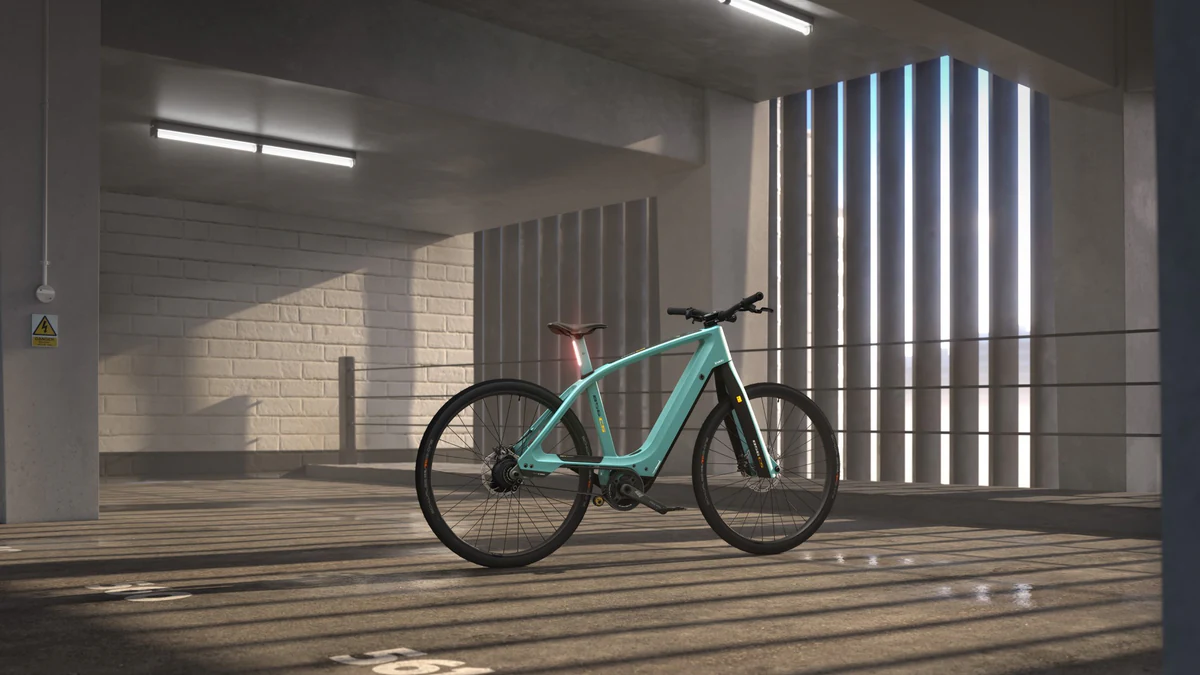
Hero shots in CGI tend to fall into three structures. Most landing pages need one of these to dominate, not all three competing for attention.
Process-focused
Process-focused shots show the product doing something rather than sitting still. A film works better than a still here, because the audience needs to see the mechanism in motion to understand what it does.
This structure suits products and services defined by what they do rather than how they look: a device with a moving part, a subscription service, a system with a visible function.
Outcome-focused
Outcome-focused shots depict the result of using the product or service rather than the product itself. A before-and-after sequence or a time-lapse does this well, because change over time is exactly the thing being sold. This works when the value proposition is the transformation, not the object.
Product-focused
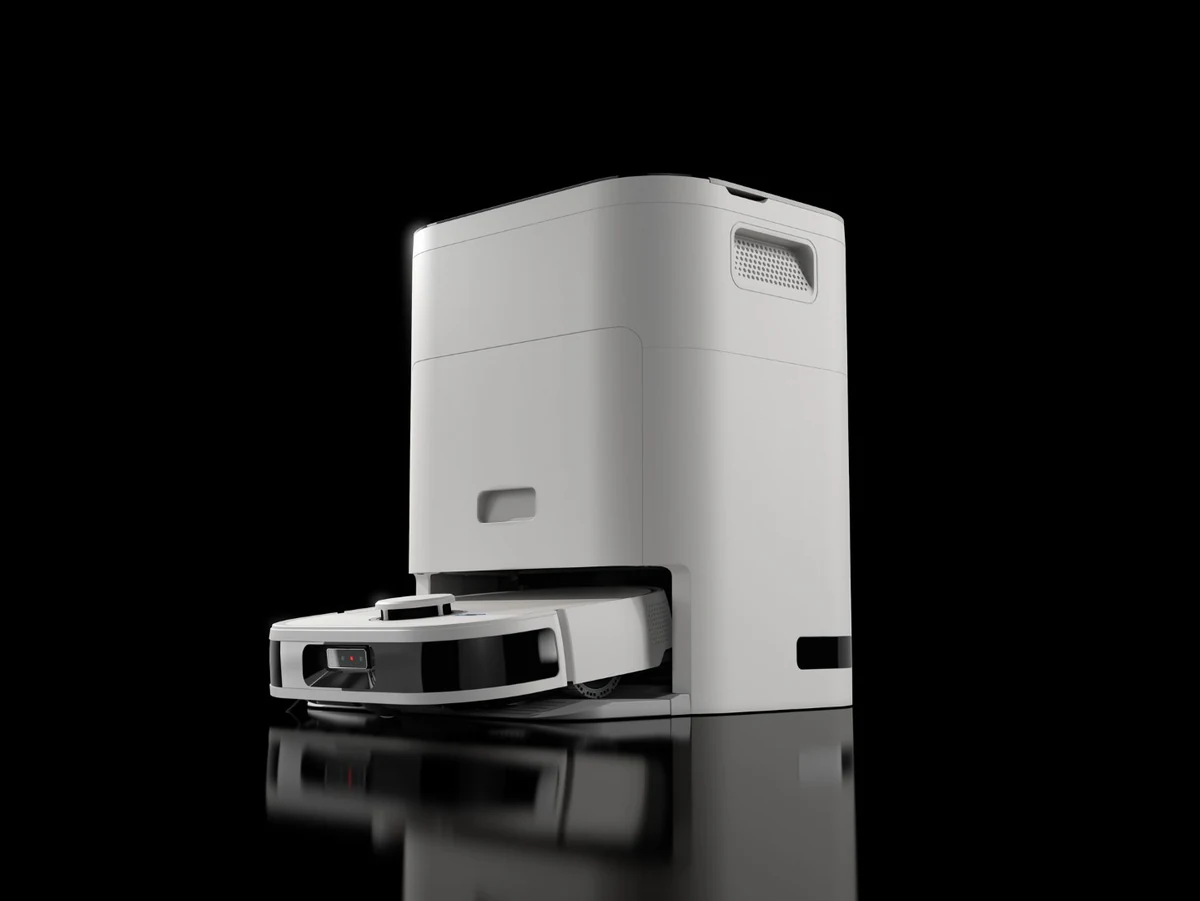
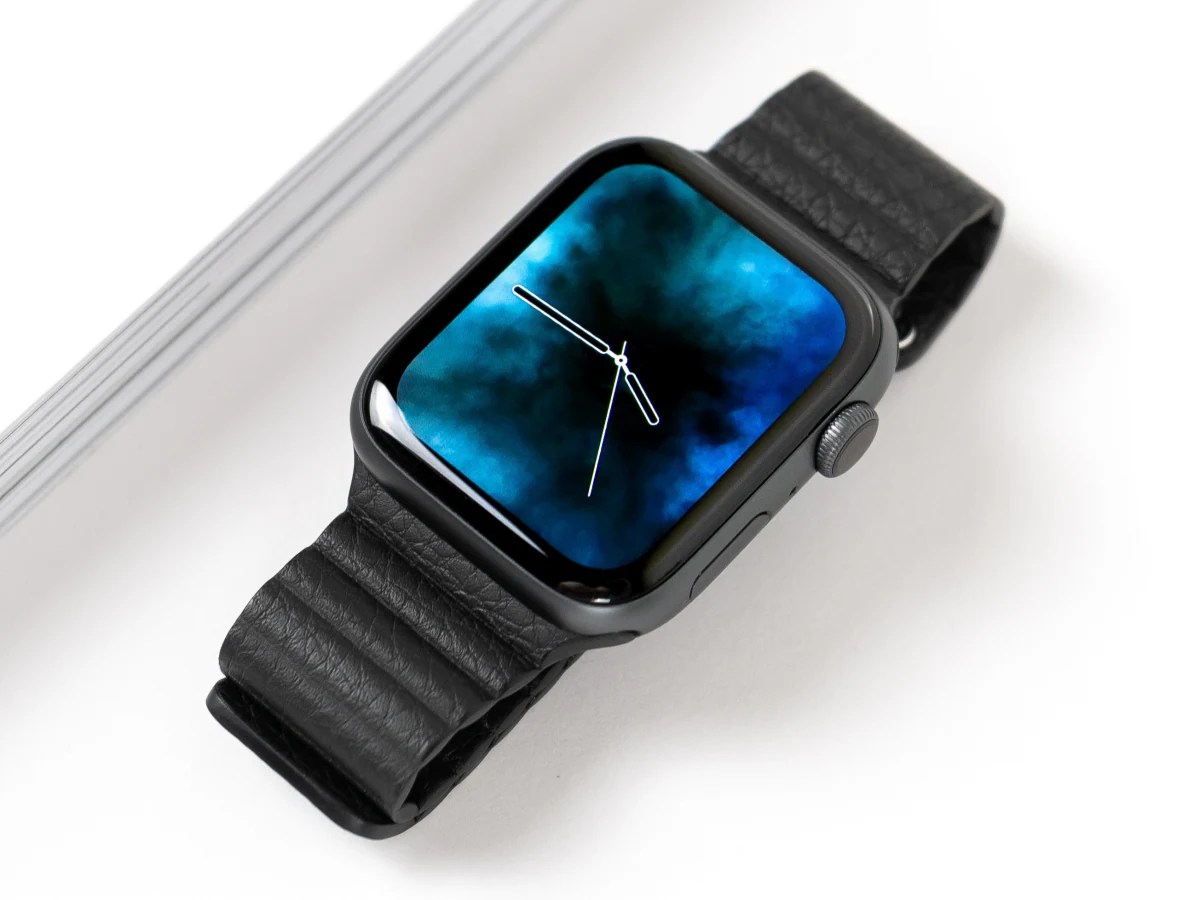
Product-focused shots isolate the product itself as the subject. A page can rotate through several of these automatically, each highlighting a different feature or angle. This is the dominant structure for categories where the object’s design is the argument: consumer electronics, jewellery, furniture, vehicles.
What makes a hero shot effective
Four characteristics separate a hero shot that earns its position from one that just occupies it.
Contextualisation
A hero shot performs better when it places the product in the environment it’s meant for. A trekking backpack shown against a hiking trail tells a faster, more convincing story than the same backpack on white. Context does argumentative work that a caption can’t replace.
Human presence, used deliberately
Real people in a hero shot, shown at genuine scale using the product, add credibility that an empty product shot can’t. This isn’t mandatory: an inanimate subject works when the product itself is the whole story. The decision belongs to the Creative Director, made against the brief, not applied as a default.
A single, clear message
A hero shot carries one idea. A short line of copy overlaid on the image, reinforcing the same keyword a visitor searched to arrive, sharpens that single message rather than diluting it with a second competing claim.
One product, one focus
A hero shot features exactly one product or service at the centre of the frame. Supporting props exist to reinforce the concept, never to compete with it for attention.
Building a hero shot in CGI
CGI gives a Creative Director control over every variable that a physical shoot leaves to chance. That control starts with the digital model itself: the same geometry that builds the hero shot can be lit, angled, and recomposed without a second shoot.
White background
A white-background hero shot is the simplest structure and, done properly, one of the most versatile: the product sits alone, lit to create shadow and depth that read as three-dimensional rather than flat.
It isolates the product from any competing visual noise and works equally well on a product page, a marketplace listing, or a print application without alteration.
Material and lighting fidelity
CGI renders material behaviour, gloss, matte, brushed metal, fabric, with a level of control a photography set can’t match on a single shoot. That control is what makes a hero shot look premium: the light has to behave correctly on the surface for the eye to accept the image as real, and every material in frame needs its own correct response.
360-degree coverage
A 360-degree hero shot is achievable natively in a three-dimensional build, because the full geometry of the product already exists in the scene. This is one of the clearest structural advantages CGI has over photography for hero shots: the same asset that builds the still can be rotated to build the interactive view.
Detail emphasis
Product-focused hero shots succeed on the strength of the details they choose to highlight, a seam, a hinge, a texture. CGI can push detail resolution exactly where the brief calls for it, without the physical constraints a macro photography setup imposes.
What this comes down to
A hero shot has one job: hold the visitor’s attention long enough to earn the rest of the page. CGI gives a Creative Director the control to build that shot around the product’s actual strengths, whether the brief calls for a process in motion, a transformation, or the object itself under perfect light.
Start the conversation
Have a product worth showing?
We reply to every brief personally, usually within one working day.
FAQ
Common questions, answered.
What is a hero shot in 3D rendering?
A hero shot is the primary visual on a landing page, built in CGI to isolate a product's most persuasive angle and hold up at full scale with no compromise on detail.
Why build hero shots in CGI rather than photograph them?
CGI gives a Creative Director control over every variable in the frame: lighting direction, material response, camera angle, and background, all independent of a physical shoot's constraints.
How does lighting affect a 3D hero shot?
Lighting sets the mood, defines the material (matte, gloss, metal), and directs the eye to the product's key feature. It is the single most decisive variable in whether a hero shot reads as premium.
What are the three types of hero shots?
Process-focused shots show the product working, outcome-focused shots show the result of using it, and product-focused shots isolate the object itself. Most landing pages need one dominant type, not all three at once.
Can one hero shot be used across multiple platforms?
Yes, provided it is built at high enough resolution and composed with enough headroom to recompose for a website banner, a social crop, and a print application without re-rendering.
Start the conversation
Got a product worth showing? Let’s talk about what it needs to do.
We reply to every brief personally, usually within one working day.