
Low Poly vs High Poly 3D Modelling: Which Fits Your Project
TL;DR
Low poly models use fewer polygons, rendering faster and suiting real-time applications like games and VR. High poly models use far more polygons, delivering the photoreal detail that product visualisation, architecture, and film need.
Low poly vs high poly is a genuine fork in the road for any 3D modelling project. 3D modelling is central to eCommerce product presentation, letting a brand show far more product detail than photography alone. Each approach has a clear, distinct use case: the right choice depends on whether the priority is real-time performance or maximum visual fidelity.
Low Poly vs High Poly- 3D Modelling Comparison
Differences in workflow and use case
3D modelling splits into two main approaches: low poly and high poly. Both build models from polygons, but they diverge sharply in workflow and application.
Workflow similarities
Both techniques share the same starting process. An artist builds a base mesh from simple shapes, then refines it by adding polygons until the model reaches the level of detail the project needs. Texturing and UV mapping follow, applying realistic materials and surface finishes to the completed mesh.
High poly rendering
High poly models carry intricate detail and photoreal accuracy. A large polygon count is what makes that possible, but it also means longer modelling and rendering times.
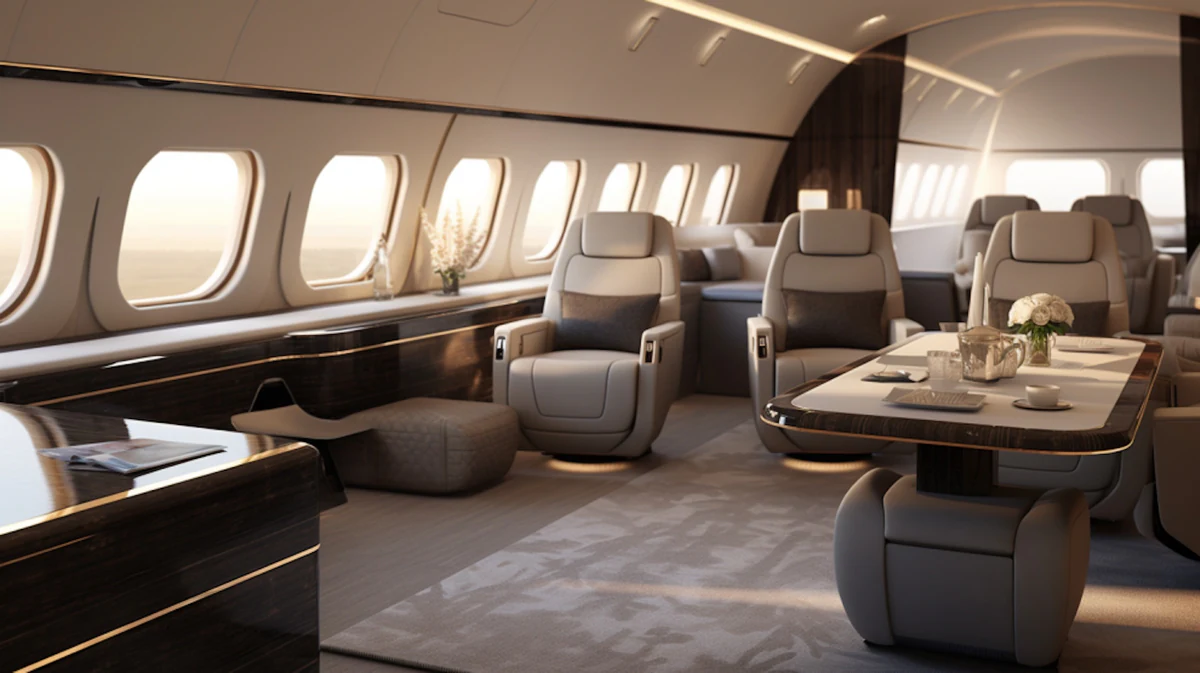
Product design, architecture, and film production all lean on high poly work when nothing less than full realism will do. High poly excels at detailed cross-sections and close inspection without any visible loss of quality.
Low poly optimisation
Low poly models carry a lower polygon count, which makes them lighter and faster to process. Lower memory and storage demands make low poly the natural fit for real-time applications: video games and virtual reality experiences both depend on it. Low poly is built for speed and interactivity, keeping gameplay smooth and VR/AR environments responsive.
Comparison and use cases
The decision between low poly and high poly comes down to what the project actually needs. High poly wins where realistic visual representation, detailed cross-sections, and close inspection matter. Low poly wins where processing speed and real-time interactivity are the priority.
| Low Poly | High Poly |
|---|---|
| Lighter and faster to process | Intricate detail, photoreal finish |
| Lower memory and storage requirements | Longer modelling and rendering times |
| Suited to games and VR/AR applications | Suited to product design and film production |
As the tools mature, studios keep finding sharper ways to balance visual quality against processing speed. Low poly optimisation and high poly rendering capability continue to advance side by side, opening up more versatility in how a 3D pipeline gets built.
Understanding what separates the two, and optimising for the one your project actually needs, has a direct bearing on how well the finished work performs.
 Differences in Workflows and Use Cases
Real-world applications
The choice between low poly and high poly ultimately comes down to the application. High poly models, with their detailed, realistic surface finish, are the standard for photoreal promotional imagery, prototyping visualisation, and step-by-step assembly guides.
They’re also the default for 3D animation that zooms into specific product detail, and for HD 360 viewers built for close product inspection.
Low poly models take over in interactive 3D viewers, virtual reality experiences, and augmented reality applications. In 3D gaming specifically, where real-time rendering and responsiveness are non-negotiable, low poly is the only workable choice. A lighter polygon count means faster processing, which is exactly what a gaming environment demands.
Whether the goal is an immersive VR experience, a compelling piece of CGI, or a fully realised game environment, the choice between low poly and high poly comes down to balancing visual quality against processing speed. Each has a clear domain where it’s the right call, and understanding that domain is what makes the decision straightforward.
So whether the work in front of you is game development, virtual reality, or detailed CGI production, choosing between low poly and high poly modelling is a decision worth making deliberately. Match the technique to what the project actually needs, and the result holds up.
Start the conversation
Have a product worth showing?
We reply to every brief personally, usually within one working day.
FAQ
Common questions, answered.
What is the difference between low poly and high poly 3D models?
Low poly models use fewer polygons, producing simpler geometry and faster rendering. High poly models use a much higher polygon count, producing detailed, realistic visuals at the cost of render speed.
When should I use low poly models?
For anything requiring real-time rendering and tight performance, such as mobile games, VR experiences, and interactive applications where frame rate matters more than surface detail.
What are the advantages of using high poly models?
Intricate detail and smooth surfaces, which makes high poly the right choice for product visualisation, architectural rendering, and cinematic animation.
Can I convert a high poly model to a low poly version?
Yes, through retopology, which reduces polygon count while preserving the model's essential shape, typically using normal maps to fake the lost surface detail.
How does polygon count affect rendering performance?
A higher polygon count increases computational load and lengthens render time. A lower polygon count renders faster, which is why real-time applications default to low poly.

Start the conversation
Got a product worth showing? Let’s talk about what it needs to do.
We reply to every brief personally, usually within one working day.