XO3D Studio · 3D Animation
3D Product Animation: Types, Process and Launch Uses
Motion, built from CAD.
3D product animation uses a digital product model to create moving imagery: a hero launch film, exploded reveal, mechanism explanation, campaign cutdown or motion loop. The model, camera, lighting and movement are developed in 3D software around the product story.
Why product animation
Choose motion around the product story.
Product animation can introduce a launch, explain a mechanism or support an event presentation. Suitable product assets can support both film and stills, with the motion, camera direction and delivery formats scoped separately.
Modern product animation is directed like film. Storyboards, camera language, pacing and sound design all matter. CGI removes physical filming constraints, it does not remove creative discipline.
What's covered
The main varieties, in detail.
Advantages
Why brands commission it.
Make movement and mechanisms visible.
An exploded reveal or mechanism sequence can show how components fit together and move. Choose the format around what the audience needs to understand about the product.
One 3D asset drives every runtime.
Hero, mid, short and vertical edits all cut from the same 3D master. No reshoot per platform, no drift, one editorial pass covers the campaign.
Launch before manufacturing ships.
Animation built from CAD lets the launch campaign run before the physical product reaches market. Investor films, teaser edits and product-page hero can be live weeks or months early.
Cameras that go where a physical crew cannot.
Fly inside the product, shoot from inside a moving part, orbit at macro scale. Virtual cameras remove physical constraints, and the film benefits.
Brand look holds precisely across formats.
Camera, lighting and colour all live inside software. The 6 second bumper looks exactly like the 60 second hero, at the same colour, in the same lighting.
Trade-offs
What to plan for.
Requires a production-ready 3D asset.
An existing CAD file may still need modelling work. Faceted surfaces and incorrect edges can prevent the model from producing photorealistic imagery, so assess its readiness before planning the film.
Directorial pre-production still matters.
Storyboards, camera language and pacing make or break a hero animation. Skip pre-production and it shows.
Render times can be long.
Complex hero shots can take hours or days per frame. GPU rendering has narrowed the gap, but complex work still needs render budget.
Sound design is a specialist craft.
Product film sells to the ear as much as the eye. Budget for real sound design rather than stock cues.
1 asset
Every runtime
Hero, mid, short, vertical and loops all cut from a single 3D master.
Weeks earlier
Launch content
Animation built from CAD can be finalised before manufacturing wraps.
Light checks
Model readiness
XO3D checks how lighting interacts with faces, edges and surfaces before approving a model for photorealistic film or stills.
Process
How the work is produced.
- STAGE 1
Brief and script.
Story, audience, runtime, deliverable set and success metrics agreed. This becomes the reference document for every stage.
- STAGE 2
Storyboard and animatic.
Storyboards and a low-fidelity animatic lock the shot list, pacing and camera language before rendering starts.
- STAGE 3
Modelling and scene build.
Assess the supplied CAD and remodel where needed. At XO3D, the model is checked in rendering software for realistic light bounces and for facets or incorrect edges before it is approved for photorealistic imagery.
- STAGE 4
Animation and blocking.
Cameras, parts, materials and effects animated to the animatic. Blocking previews give you rhythm before final frames commit.
- STAGE 5
Rendering and compositing.
Full-quality render passes composited in Nuke or After Effects. Grade, glow, depth of field and motion blur land here.
- STAGE 6
Edit, sound and delivery.
Final edit, sound design, colour grade, master files and platform-specific encodes.
Who commissions product animation
Built for teams shipping launch film.
Brand marketing directors and CMOs managing product launches. Advertising and design agencies delivering creative direction.
Product marketing, PR and communications teams inside consumer, industrial and premium hardware brands. Start-ups launching before manufacturing wraps.
Case studies
Recent work.


Petalite EV charger launch. Hero product animation, engineering explainer and short-form social cut-downs from one build.
View case study


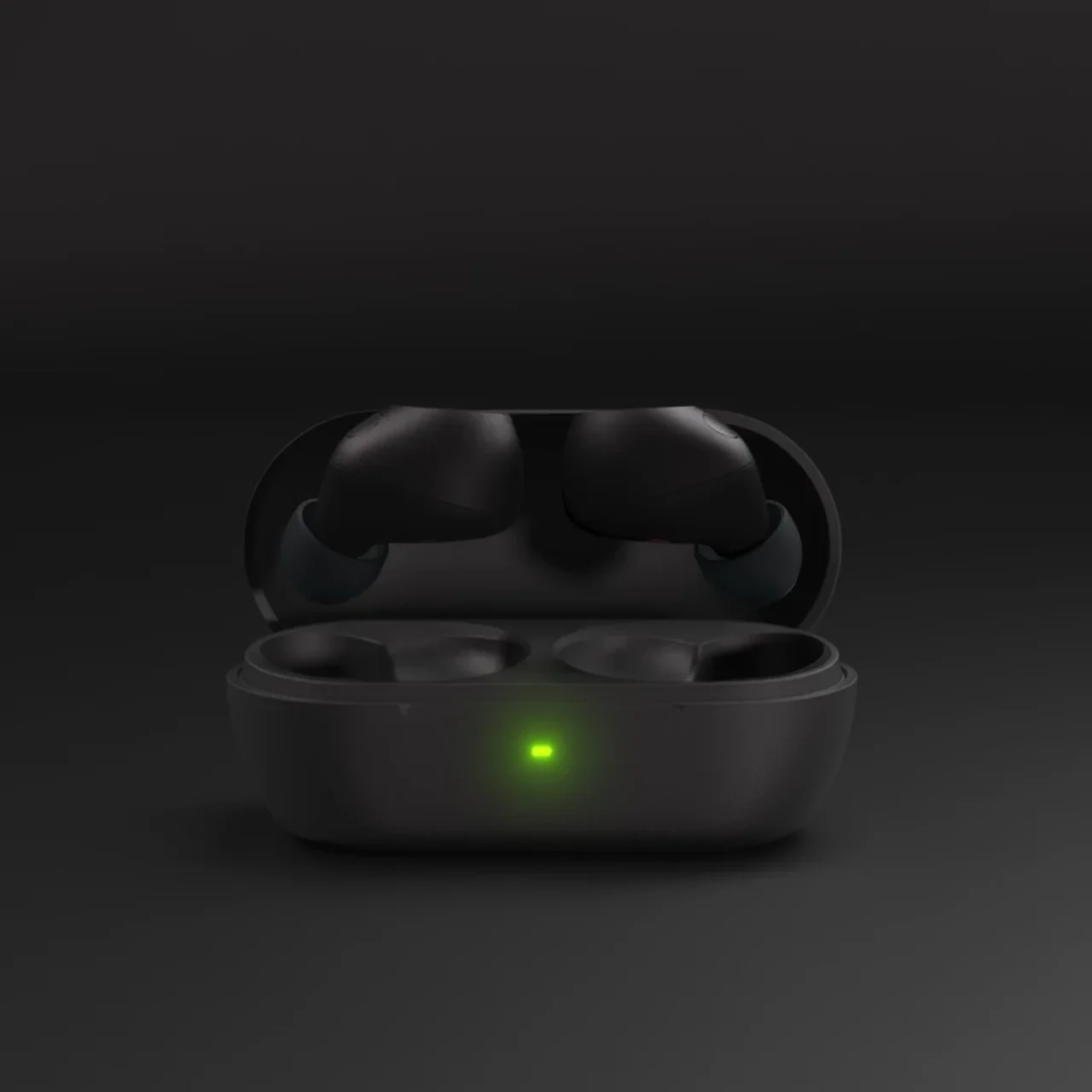
Sony WF-C710 for ImageNova: two short animated segments for the launch commercial, plus rendered colourways composited into product photography.
View case study

G-Lab gaming keyboard launch film with exploded animation, hero motion and social cut-downs from one 3D build.
View case studyTestimonial
The team at XO3D were a pleasure to work with on one of our big projects. They rendered, batched, and saved out literally thousands of images for us. Every single one of these images came out perfect. They also did some 3D animation with us and were very accommodating to any feedback and timeline adjustments.
Checking CAD for photorealistic product animation
In the director’s words:
The checks that go into a 3D model before calling it photorealistic are: it will go into a 3D rendering software and we will check how the lighting interacts with the faces and the edges to make sure we're getting realistic light bounces off the surfaces and there's no facets or incorrect edges.
On why the published work shows the finished standard:
Well, none of the issues you will see on our website have these facets or CAD issues because we don't allow our content to go out of the office without these quality checks. It's important for models to look photorealistic before they go out, and that's the standard we adhere to.
For a commercial brief, define the launch moment, target platforms and required runtimes first, then scope the director-led product animation around that job.
For a launch film, explore Product CGI Films and see the G-LAB gaming keyboard film. Where the film belongs inside a complete stills and campaign system, review Launch Visuals.
For sibling topics, see the 3D animation hub and product turntables.

FAQ
Common questions, answered.
What is 3D product animation?
3D product animation is moving image produced entirely in 3D software from a product's 3D asset. It covers cameras, part movement, material transitions, effects and compositing.
How is it different from live-action product video?
3D animation is built in software from a 3D asset. Live-action is filmed with a camera. Animation gives total control over camera, lighting and material, and can produce content before the physical product exists.
Can animation run before the product is manufactured?
Yes. CGI can be developed from CAD and design references before a physical sample is available. The source model still needs to be assessed for the quality required by the film.
Why might a CAD model need remodelling for product animation?
CAD supplied for a project can contain visible facets or incorrect edges. Those issues can show up when lighting interacts with the model. XO3D checks the faces, edges and surfaces in rendering software and may remodel the product from scratch to make it photorealistic.
How long does a 3D animation project take?
A 30 to 60 second hero product film typically takes 4 to 7 weeks. Social cut-downs and loops from an existing hero typically take 1 to 2 weeks.
Can social cut-downs come from the same animation?
Yes. Once the hero is locked, 15s, 9s, vertical and silent loops are cut from the same source, keeping direction and colour consistent.


Your next project
Start with the product story.
Decide whether the film introduces a product, explains a feature or demonstrates operation. That decision sets the sequence and the source information needed for review.
A route to consider
Product CGI Films
A product film developed through creative treatment, storyboard, animatic, product review and final picture and sound.
Bring these three things.
- What is the film's job?
- Which product features are approved?
- Where will it be used?
Start with an outline. We review the product, intended outputs and timing before agreeing the production scope.