
Precision.
We build from CAD-level accuracy. Our materials, reflections and textures are not approximations, they are engineered to match the physical world.
Our Creative Philosophy
We believe the most compelling CGI begins where engineering precision meets visual conviction.
Most CGI is invisible. Not invisible because it is subtle, invisible because it is forgettable. The product sits in the centre of the frame. The light hits from the obvious angle. The camera moves exactly where you expect it to. And then it ends, and you remember nothing about it except that it existed.
We started XO3D because we believed something different was possible. We work with products that are engineered with intention, devices, systems, and objects that represent months or years of design decisions. Our job is to find the visual argument inside that engineering and make it impossible to ignore.
That requires obsession.
The angle of light on a precision-machined surface. The way a material reads at 4K and whether the specular highlight feels earned or artificial. The camera path that reveals a mechanism in exactly the right sequence. These are the decisions we discuss before a single frame is rendered.
We are not a rendering house.
We are not a post-production facility.
We are a studio with a creative director on every project, someone who asks not just how does this look, but what should the viewer feel about this product that they didn’t feel before? We believe the best product CGI is invisible for a different reason: not because nothing happened, but because everything that happened feels inevitable. The right light in the right place. The right material telling the right story. The right frame earning the right response.
If you have a product that deserves to be seen at its best, and the ambition to show the world what it is capable of, we should talk.
How we think
Every project begins with the same conversation. The answers shape every camera, light and material decision that follows.
Before we build anything, we agree on the emotion of the piece. What does this product need to communicate, and what is the fastest, most honest visual route to that feeling? The answer to that question shapes every camera, light and material decision that follows.
We don’t apply materials from a library. We build them from physical reference, studying how brushed aluminium, soft-touch polymer, or anodised metal actually behaves under different light conditions and reconstructing that behaviour in our render engine. The result is surfaces that read as real, not rendered.
The camera is a creative instrument. We treat every shot as a deliberate editorial choice: what does this angle reveal about the product’s purpose? What does this movement suggest about its quality? The best camera paths in our work are the ones where the viewer never thinks about the camera, they think only about the product.
What we stand for
Product truth is the standard everything else here serves. It means the thing on screen is the thing you are shipping. The geometry comes from your CAD rather than an approximation of it. The proportions hold. The finish behaves the way that finish behaves under real light. The colour is the value you specified, not the one that happens to render well, and where you can give us a physical sample we compare against it before the look is signed off.
This is a commercial position, not a technical one. A viewer cannot tell you why a render feels wrong, but they register it, and what they do with that feeling is trust the product less. Hold the truth and the opposite happens. The product reads as real, then as considered, then as worth wanting. Accuracy is not the opposite of desire. It is the most reliable route to it.
Product truth, carried across the whole launch.
Three disciplines hold it.
We build from CAD-level accuracy. Our materials, reflections and textures are not approximations, they are engineered to match the physical world.
Every project has a Creative Director. Every frame has an intention. We never render without a reason, and we never deliver without asking if the frame earns its place.
The best CGI removes the unnecessary before it adds the dramatic. We obsess over what to leave out as much as what to put in. Silence, space, and stillness are as important as motion.
A category assumption we do not accept
There is a settled assumption about studios like this one, and it is worth naming because it is repeated confidently by people who have never commissioned the work. The assumption is that a product CGI studio is a technical execution partner. You arrive with the concept already invented, the references chosen and the shot list written, and the studio renders it accurately. If you need someone to decide what the work should actually say, you are told to go to an advertising agency instead.
That describes most studios in this category accurately. It does not describe this one. It is also why so much product CGI is technically flawless and completely forgettable: nobody in the room was accountable for the argument, only for the execution of it.
Every project here has a named Creative Director who owns the visual argument from the brief to the final frame. Not a producer coordinating a pipeline, and not a project manager relaying feedback. Before anything is built we write a creative direction document and you approve it, because the decision about what the work has to say is the decision the rest of the project inherits. We would rather take a commercial problem than a shot list.
Where the assumption is right: we are not an advertising agency, and we do not pretend to be. We do not write your brand platform, plan your campaign or buy your media. What we own is the visual argument for the product, which is a smaller job than a campaign and a larger one than rendering. If your brief genuinely is a locked concept that needs executing accurately, plenty of good studios do exactly that. Ours is the other job.
The founders & creative leadership


Featured work

Bringing AUAR's Automated Architecture Microfactory to life before the physical robot cell existed, director-led product CGI film, hero stills and looping motion assets for the launch.
View case study


Start the conversation
We are selective about the projects we take on, not because we are precious, but because we do our best work when we believe in the brief. Tell us what you are working on.
Your next project
Creative direction becomes visible in what a film chooses to show and how it shows it. Use a finished project to discuss the product details and visual treatment your own brief needs.
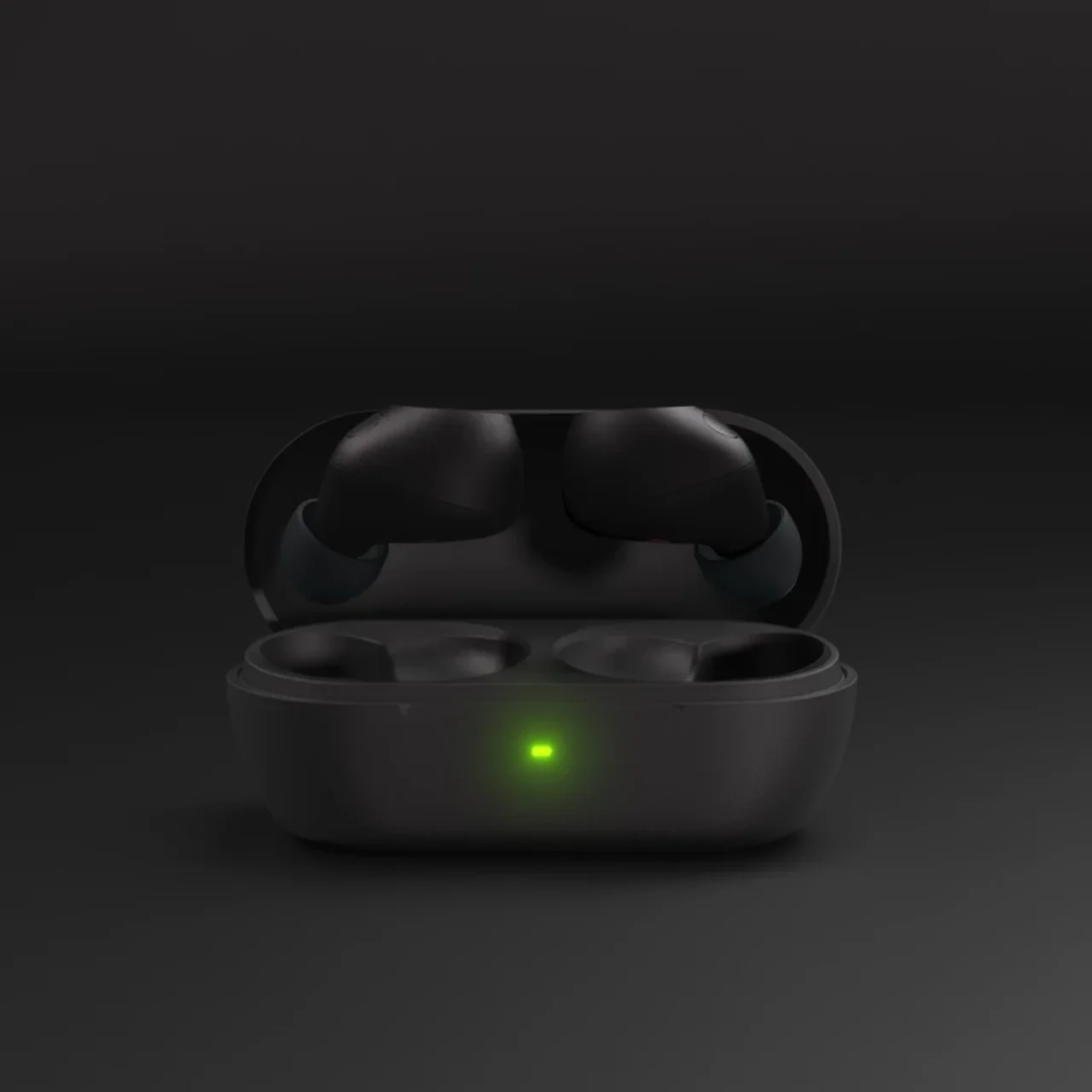
A route to consider
A product film developed through creative treatment, storyboard, animatic, product review and final picture and sound.
Start with an outline. We review the product, intended outputs and timing before agreeing the production scope.


