
XO3D Studio · 3D Animation
Product Turntables: Interactive Rotation on the Product Page
Buyer control. On the PDP.
A product turntable presents a series of views around the product. Agree whether rotation is automatic or user-controlled, which angles matter and what should appear when interaction is unavailable.
Overview
Rotation the buyer drives.
Static photography sets the angles. Turntables give buyers control. Frame-sequence turntables are broadly compatible and work from a batch of rendered images. Real-time WebGL turntables run live 3D in the browser for smaller downloads and richer interaction.
A turntable should reveal information that a single image cannot show. Test whether the sequence makes the relevant form and details easier to inspect.
What's covered
The main varieties, in detail.
Advantages
Why brands commission it.
Confidence at the point of decision.
Buyers who inspect every angle before adding to basket buy with more confidence.
Show the product in context.
Consistent data across categories shows turntables drop return rates.
PDP dwell time up.
Interactive elements increase dwell time and reduce bounce.
One asset, multiple deliverables.
Same 3D source drives turntables, AR, hero stills and animation.
Trade-offs
What to plan for.
Frame-sequence bandwidth.
More frames means smoother rotation, larger download. Balance product complexity against bandwidth.
WebGL needs optimisation.
Real-time turntables need optimised geometry and baked materials. Not a straight export from hero-render model.
Requires production-ready 3D asset.
Turntables depend on a 3D model. Photography-only products need modelling first.
Integration testing.
PDP embeds need cross-browser and cross-device testing before launch.
Process
How the work is produced.
- STAGE 1
Brief and format.
Frame-sequence or WebGL, single-axis or spherical, colourway-linked or standalone.
- STAGE 2
3D asset preparation.
Model prepped and materials tuned. For WebGL, retopology and material baking.
- STAGE 3
Frame render or real-time export.
Frame batch or GLB export depending on format.
- STAGE 4
Component embed.
Turntable component embedded on PDP. Cross-device testing.
- STAGE 5
Analytics wire-up.
Interaction analytics on rotation completion and PDP dwell.
- STAGE 6
Launch and iterate.
Post-launch data feeds next iteration on frame count, defaults and integrations.
Who this is for
Built for teams shipping the launch.
Ecommerce and PDP teams at considered-purchase brands. Direct-to-consumer brands scaling PDP experience.
Agencies delivering PDP enhancements. In-house teams supporting range extensions and configurator work.
Case studies
Recent work.


Petalite EV charger launch, applying the disciplines in this guide.
View case study


Sony WF-C710 for ImageNova: two short animated segments for the launch commercial, plus rendered colourways composited into product photography.
View case study

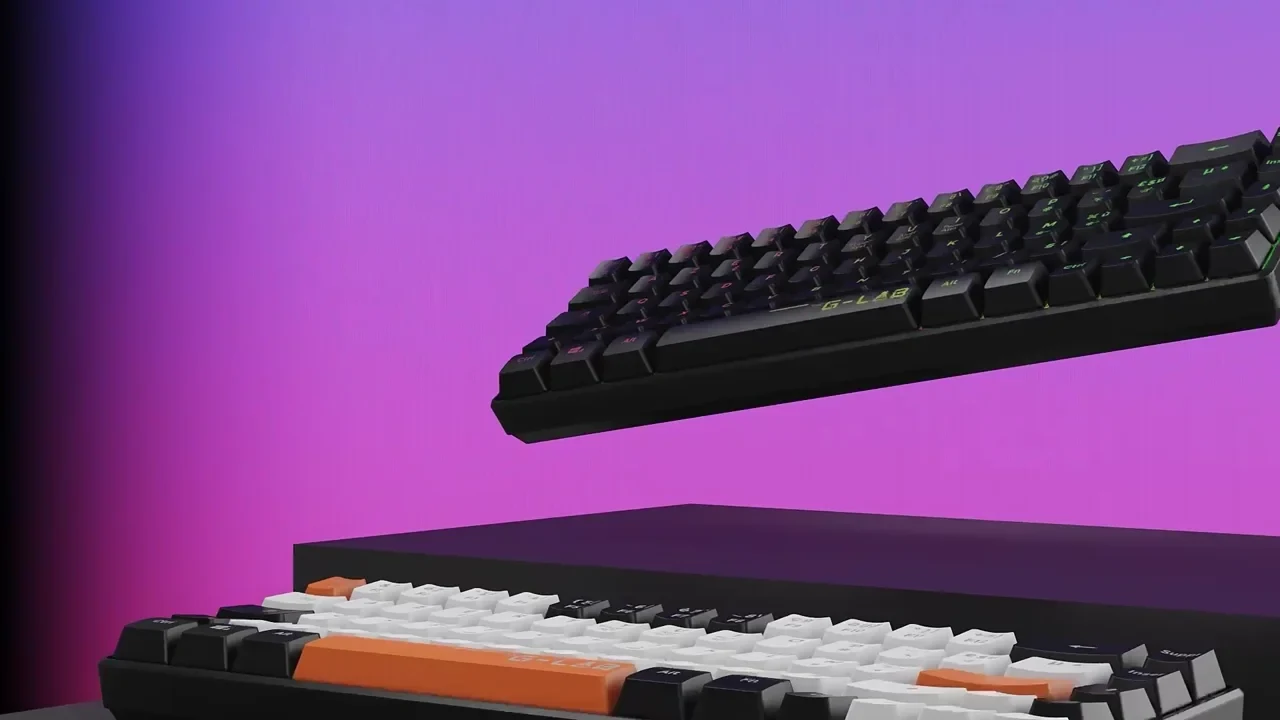
G-Lab keyboard launch. One 3D build driving film, stills and interactive content.
View case studyTestimonial
The team at XO3D were a pleasure to work with on one of our big projects. They rendered, batched, and saved out literally thousands of images for us. Every single one of these images came out perfect.
For sibling topics, see product AR and 3D product animation.

FAQ
Common questions, answered.
Frame-sequence or WebGL?
Frame-sequence for maximum visual quality and broad compatibility. WebGL for smaller download, richer interaction and configurator integration.
How many frames does a turntable need?
36 to 72 for smooth single-axis rotation. Fewer than 36 feels jumpy; more than 72 rarely adds perceptible smoothness.
Do turntables work on mobile?
Yes. Both frame-sequence and WebGL turntables run on modern mobile browsers with touch controls.
How long does a turntable project take?
Turntable loops from an existing asset are scoped individually, and a web-embedded interactive viewer typically takes 3 to 5 weeks. From scratch or CAD, the model build is scoped first.


Your next project
Make the rotation informative.
Choose an axis, camera distance and pace that reveal the product shape. Check small details at the final display size instead of assuming a full rotation explains every feature.
A route to consider
CGI stills and campaign visuals
Directed product stills with an agreed shot list, material references, environments and delivery formats.
Bring these three things.
- Which features should remain visible?
- What background and lighting are approved?
- What runtime or frame count is required?
Start with an outline. We review the product, intended outputs and timing before agreeing the production scope.