
What Are Digital Models? 9 Reasons Why You Should Use Them
TL;DR
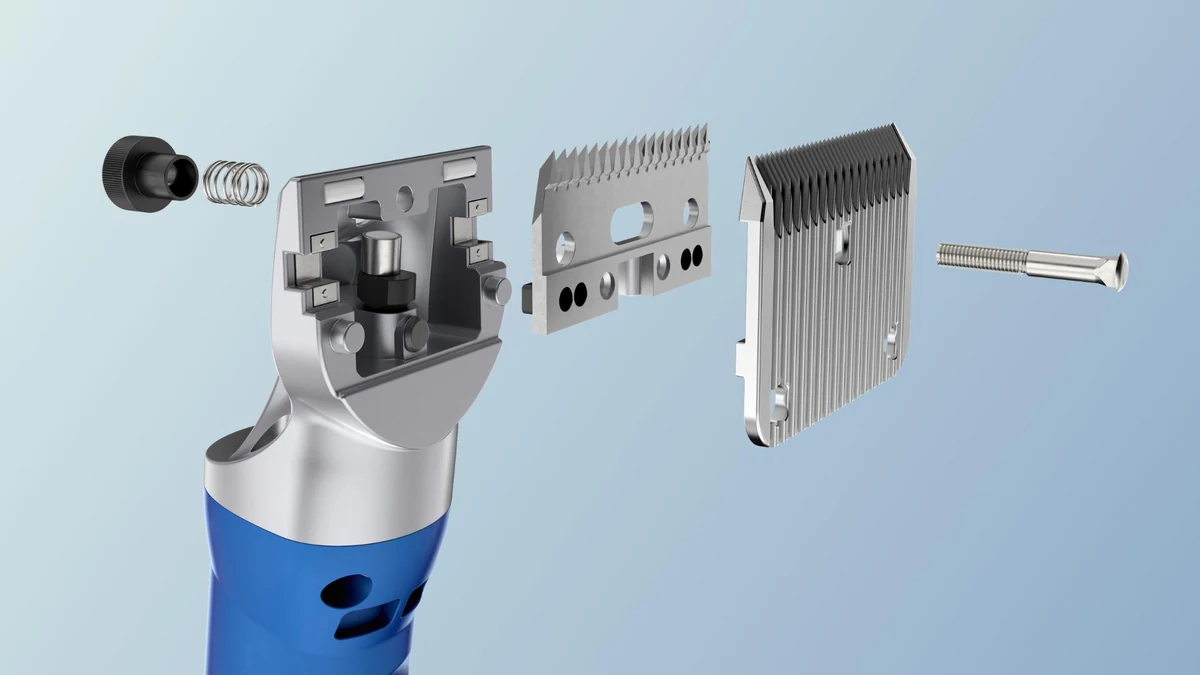
A digital model is a three-dimensional representation of an object or scene built in software rather than physical material. It gives engineering, retail, product design, and healthcare a faster route to testing, communicating, and marketing a design than a physical prototype allows.
A digital model is a three-dimensional representation of an object or scene, built entirely in software rather than physical material. It ranges from a simple geometric placeholder to a highly detailed, production-accurate design.
Across engineering, retail, product design, and healthcare, digital models have become the default starting point for testing and communicating a design before it exists physically.
What a digital model is
A digital model is a three-dimensional representation of a scene or object, built in a digital environment rather than out of physical material. Professionals use them for everything from product prototyping to character design, and the range spans from simple geometric structures to highly intricate, production-ready builds.
Industries that rely on digital modelling
Engineering
Engineering was one of the first fields to adopt digital modelling at scale. A new car component, machine, or device can be modelled, tested for fit and function, and checked for design errors before a single physical part is machined.
Construction
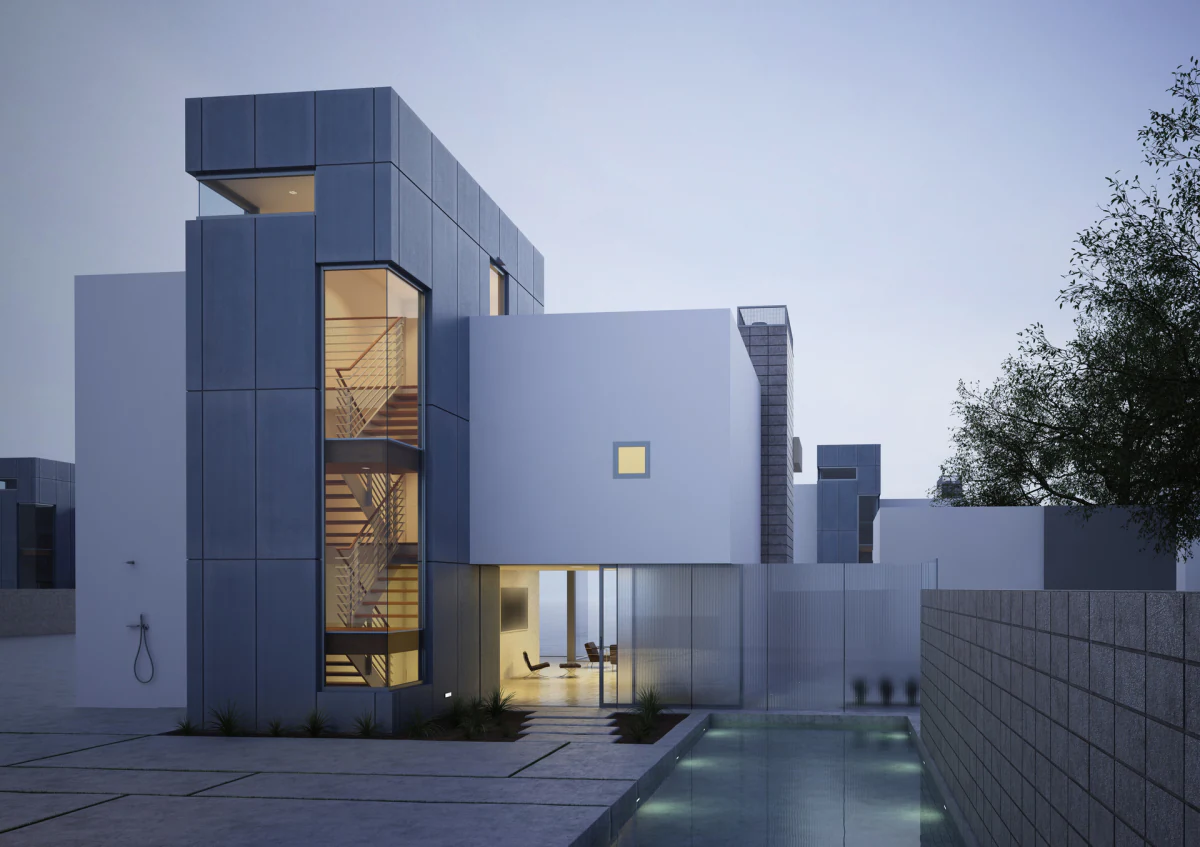
In construction, digital modelling improves the accuracy of a build plan before ground is broken. Visualising a building’s actual proportions in three dimensions surfaces technical issues, clashes between structural and mechanical systems, spatial problems, that a two-dimensional drawing set can hide.
Retail
Retail uses digital models to build virtual product catalogues for digital selling. A well-built model creates a shopping experience that lets a customer examine a product from every angle, closing some of the gap between browsing online and handling the item in a shop.
Product design
Product designers use digital models to test materials, colours, textures, and shapes against each other without committing to a physical sample for every variation. This is especially valuable early in a design process, when the number of variables still in play would make physical prototyping of each one impractical.
Entertainment
Film, animation, and games rely on digital modelling to build characters and environments that would be impossible or impractical to build physically. The same modelling discipline that builds a product for a retail catalogue builds a creature or a set for a production.
Healthcare
In healthcare, digital models of organs, bones, and tissue support surgical planning and the design of medical devices. A surgeon reviewing a patient-specific digital model ahead of a complex procedure is using the same underlying discipline as a product designer reviewing a prototype, applied to a different kind of precision.
Nine reasons to use digital models
1. Speed of iteration
A digital model can be tested and adjusted in the same session, with a design’s shape, materials, and features evaluated on screen rather than rebuilt in the workshop for every change.
That speed compounds: a business that can iterate ten times digitally learns more before committing to a physical build than one that can only afford three physical prototypes.
2. Precision prototyping
Digital modelling brings unparalleled precision to bringing a product from concept to a testable form, whatever the industry. The design exists at exact, measurable dimensions from the first draft, not approximated by hand.
3. Enhanced visual communication
Traditional product photography often fails to highlight every detail that matters to a stakeholder or a customer. Digital modelling gives precise, unambiguous visual communication of a design’s minute details, which shortens the distance between an idea and shared understanding of it.
4. Coordination and collaboration
A digital model gives designers, architects, and engineers a single shared reference to work from rather than a stack of separate drawings and physical samples. That shared reference is what makes cross-department collaboration on complex products actually work.
5. Better error detection
Digital models reveal design inaccuracies and errors earlier and more clearly than physical prototyping does. Catching a structural or dimensional problem on screen, before it’s built, removes it from the process entirely rather than requiring a rebuild.
6. Simplified design modification
Because a digital model exists as adjustable geometry rather than fixed physical material, design modification becomes a matter of editing rather than remaking. This shortens the loop between raising a concern and seeing it addressed, which speeds up stakeholder approval.
7. Increased productivity
3D modelling streamlines a design process that used to be resource-intensive and slow at every stage. The net effect across a project is fewer physical iterations and faster movement from concept to a design ready for the next stage.
8. Reliable scope estimation
A digital model gives a much clearer picture of what the finished product will actually require, in materials, finishing, and complexity, than a sketch or a written spec can. That clarity reduces the chance of a late-stage surprise once physical production begins.
9. Marketing and advertising
A digital model, once built, generates the marketing assets a launch needs, every angle, colourway, and setting, without a physical unit ever existing. This is the same asset used for engineering and prototyping now doing a second job: creating the campaign imagery that drives customer engagement without a separate photoshoot.
What this comes down to
Digital modelling has become standard across healthcare, product design, engineering, and retail because it solves the same problem in each: it lets a design be tested, refined, and communicated before it’s built physically.
The specific benefit looks different in a hospital than it does in a furniture showroom, but the underlying shift, from physical iteration to digital iteration, is the same one driving adoption everywhere.
Start the conversation
Have a product worth showing?
We reply to every brief personally, usually within one working day.
FAQ
Common questions, answered.
What are digital models?
Digital models are three-dimensional representations of objects or scenes built in software, ranging from simple geometric forms to highly detailed, production-accurate designs.
Which industries rely on digital modelling?
Engineering, construction, retail, product design, entertainment, and healthcare all use digital modelling for prototyping, visualisation, design testing, and marketing.
What is the strongest reason to use a digital model instead of a physical prototype?
Speed of iteration. A digital model can be tested, adjusted, and re-tested in the same session; a physical prototype requires a new build for every meaningful change.
Can a digital model replace product photography?
For marketing purposes, yes, in most cases. A single well-built digital model can generate every angle, colourway, and setting a campaign needs without a physical unit ever existing.
Start the conversation
Got a product worth showing? Let’s talk about what it needs to do.
We reply to every brief personally, usually within one working day.