How 3D and AR Change Conversion and Engagement in Ecommerce

3D and AR change one specific thing about online shopping: they let a customer engage with a product directly, rather than just look at a picture of it. That shift in engagement is what drives the measurable change in conversion and return rate documented across ecommerce.
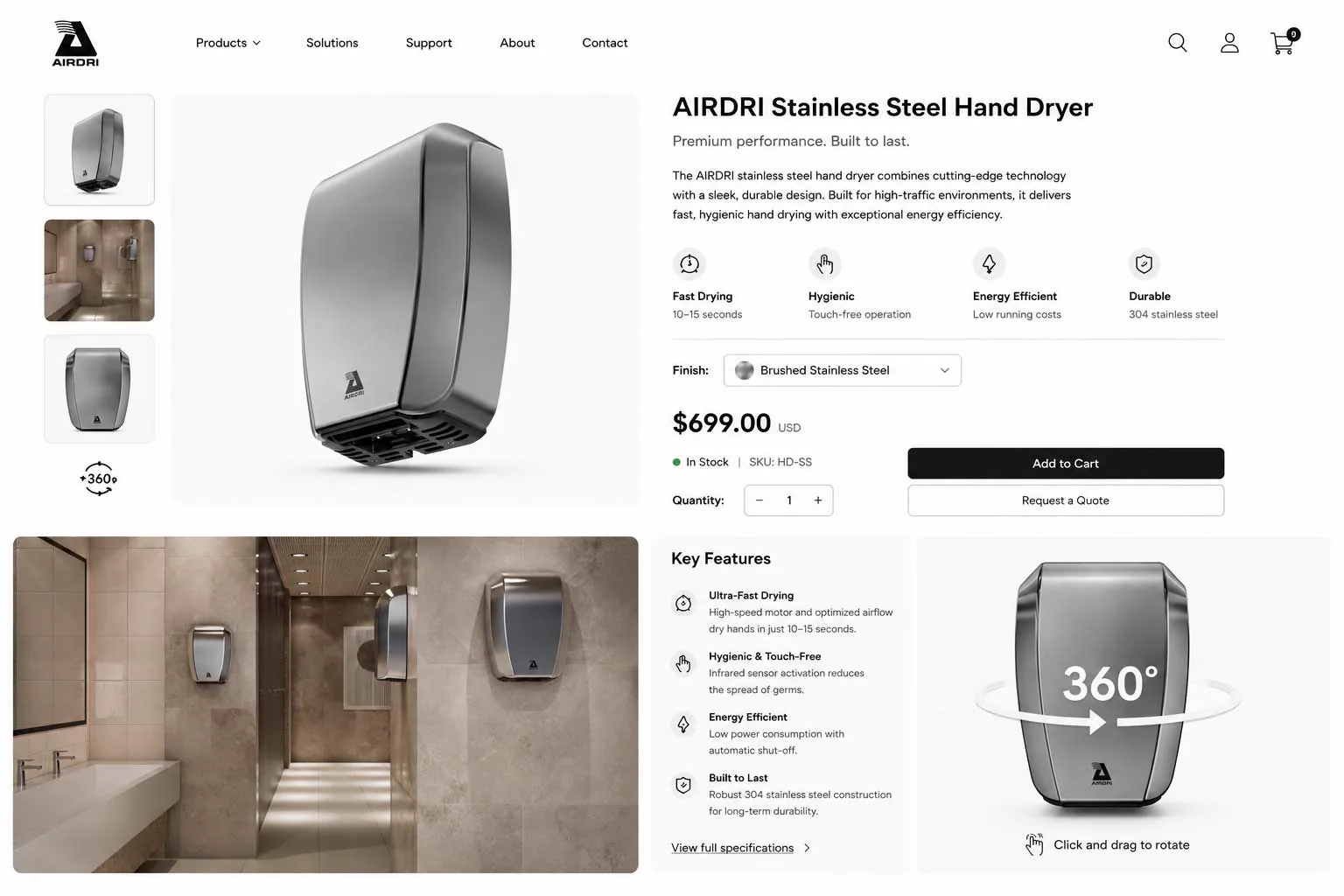
The best way to convey a product online is through imagery a customer can actually interact with. Static images tell a customer what a product looks like from one fixed angle at one fixed moment. 3D and AR let them explore it.
3D visualisation and augmented reality aren’t new to ecommerce. They’ve existed for years. What’s changed is adoption: as more platforms build the capability in, more customers now expect it as standard rather than treating it as a novelty.
Web applications using 3D imagery consistently draw more engaged visitors than those using static images alone, and that engagement carries through to conversion. 3D assets are also comparatively straightforward to produce once a model exists, which means this level of interactivity isn’t limited to large catalogue retailers with big production teams.
Understanding 3D in Ecommerce
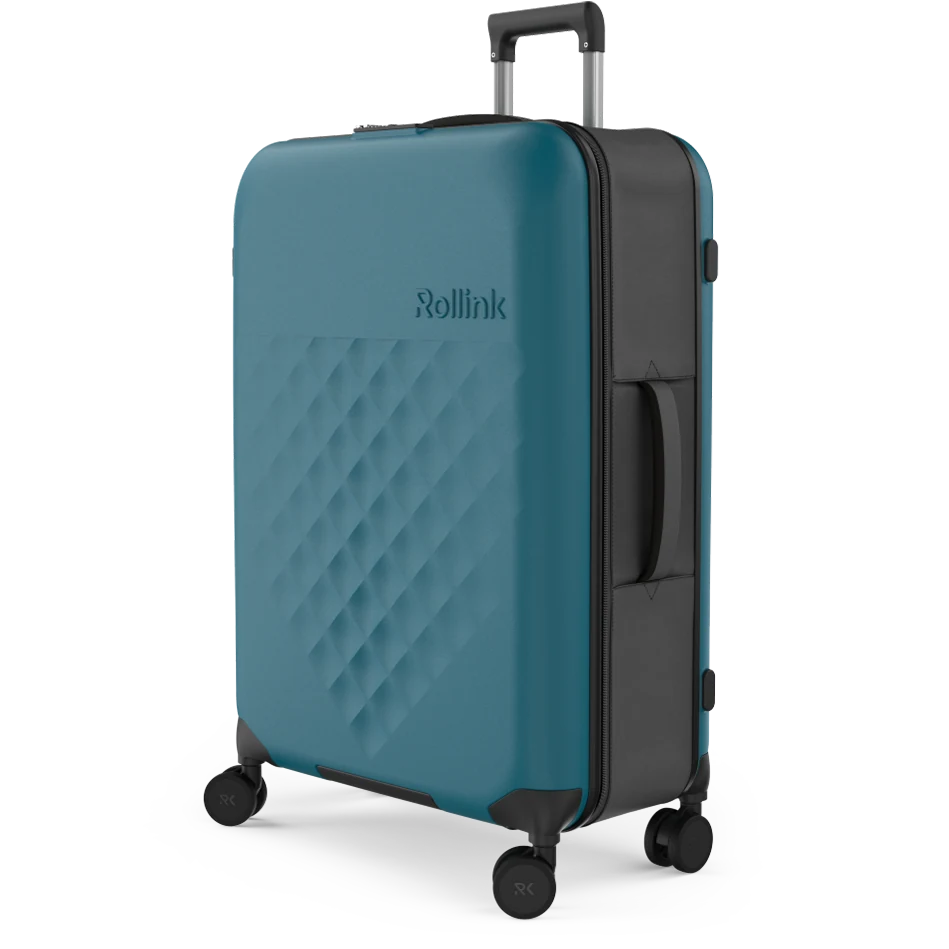
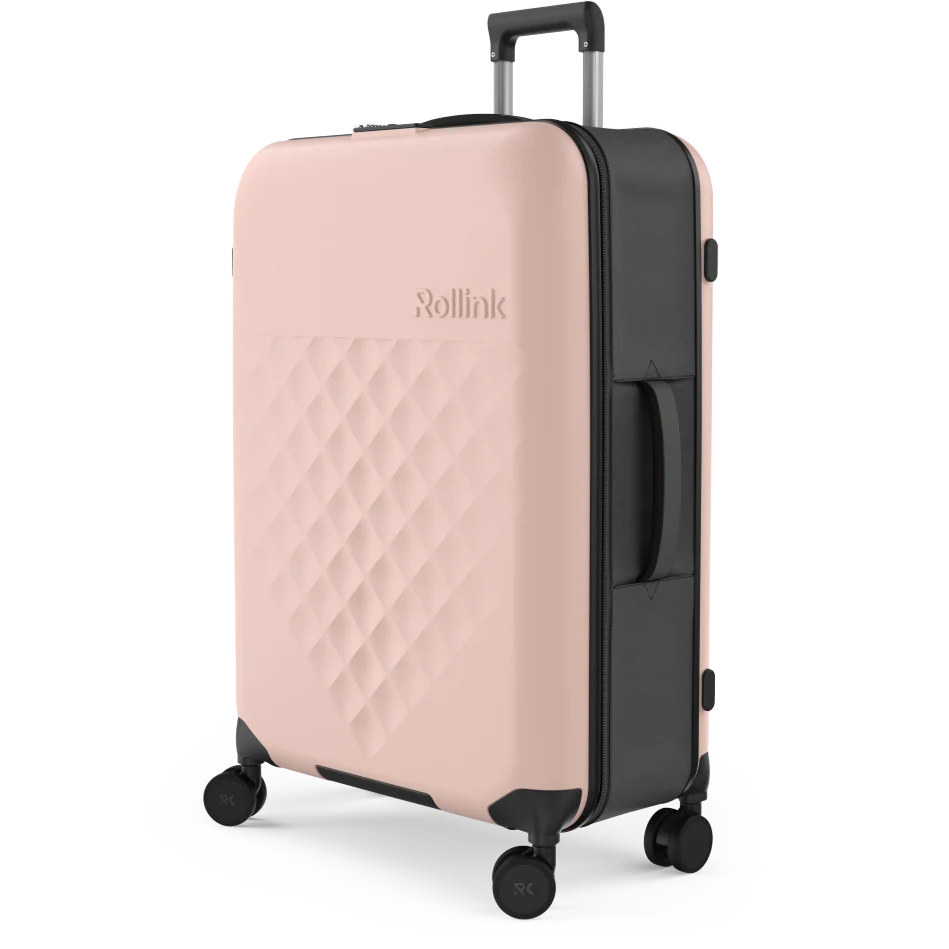
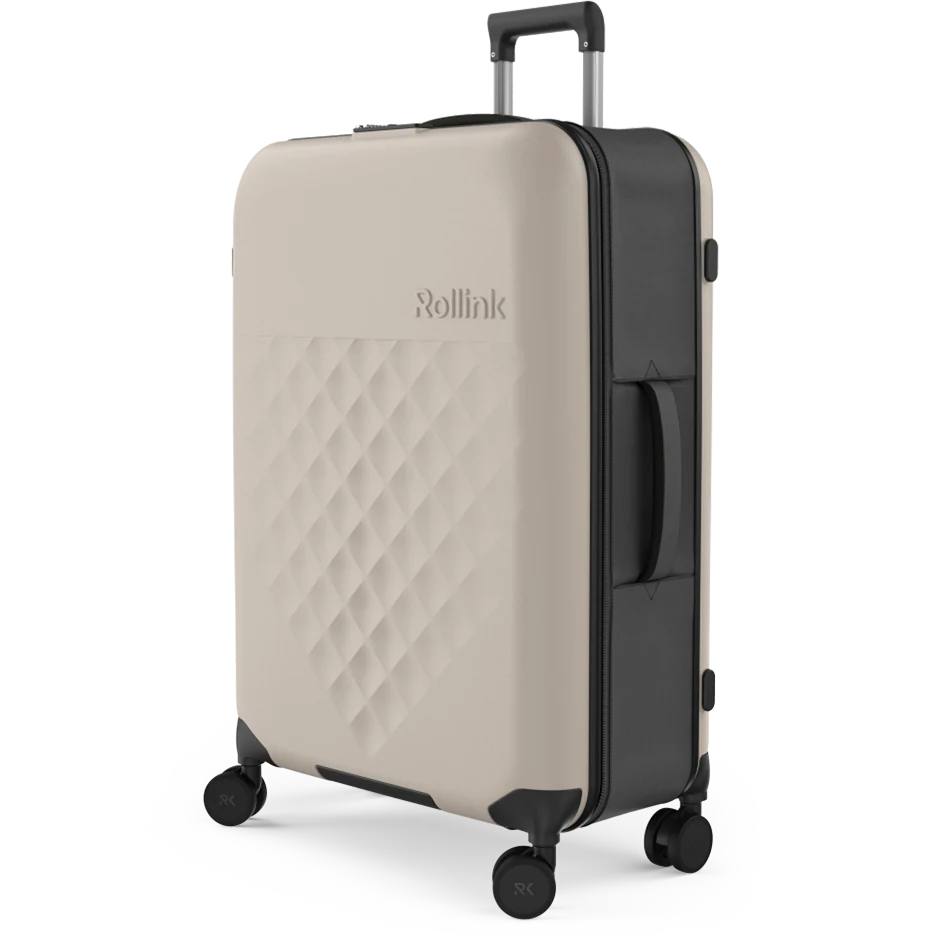
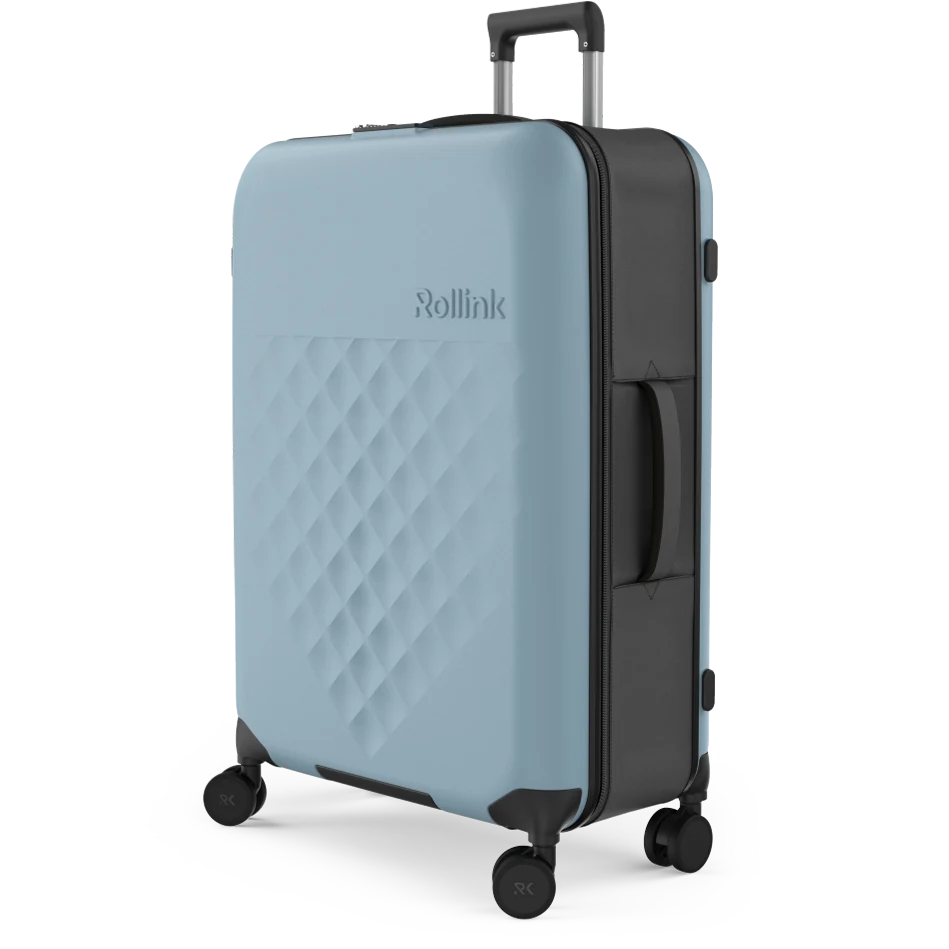
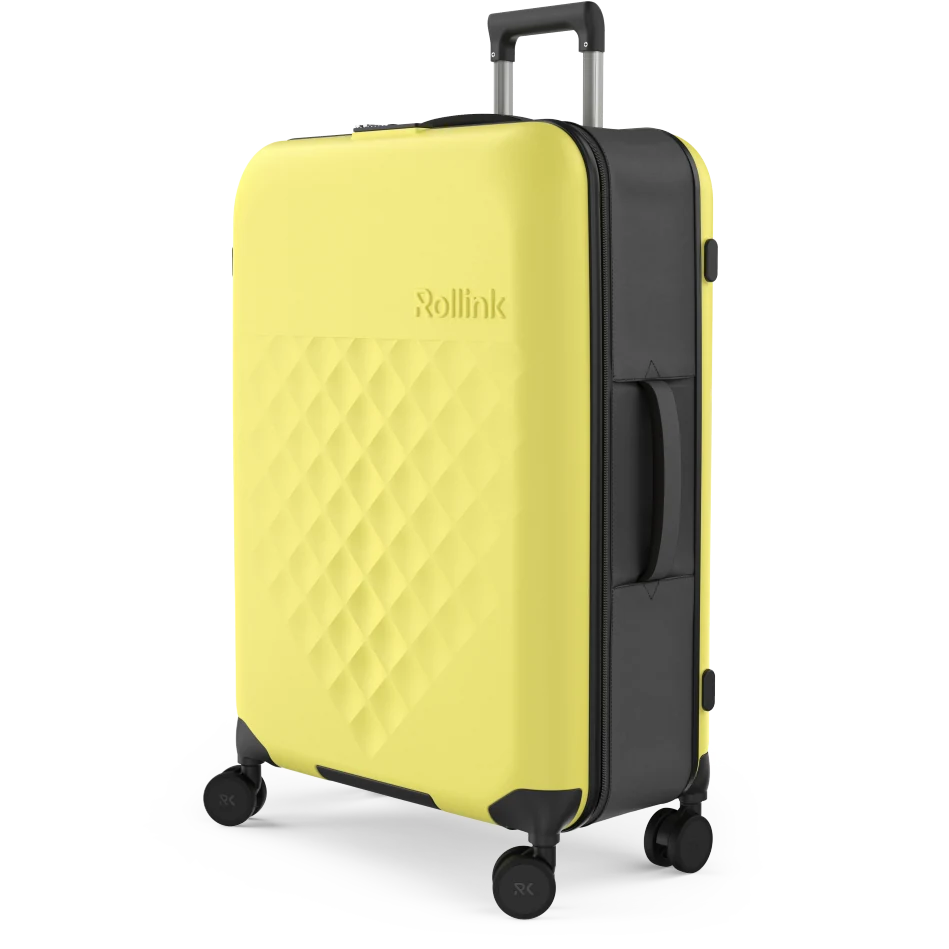
3D product imagery replaces a flat photograph with a virtual model a customer can manipulate directly: rotate, zoom, and examine from angles a single camera position could never capture.
The image is built in a visualisation studio from the product’s actual specification, so what a customer manipulates is an accurate representation, not an artistic approximation.
This level of interactivity gives customers real information rather than a curated snapshot, and that’s precisely why it changes purchase behaviour: a customer who has genuinely examined a product feels more confident buying it.

Understanding AR in Ecommerce
Augmented reality places virtual objects into a real-world environment, viewed through a phone or a computer. In an ecommerce context, AR gives a customer an interactive experience layered directly onto their own physical surroundings, showing computer-generated product detail within a live camera view.
AR converts a static product image into something a customer interacts with directly, letting them assess colour, scale, style and fit against their own space before deciding. That combination of accuracy and context is what makes AR product imagery so effective at resolving the uncertainty a flat photo leaves behind.

How AR Actually Renders a Product Into a Live Camera Feed
The mechanics behind an AR try-on are worth understanding, because they explain both what the format does well and where it can go wrong. A phone or computer’s camera feed is first analysed for surfaces and spatial reference points, floors, walls, or in a face-tracking context, the specific geometry of a face.
This process, generally called simultaneous localisation and mapping, builds a rough real-time understanding of the physical space without needing any special hardware beyond a standard camera.
Once that spatial map exists, the 3D model is positioned within it and scaled to match real-world dimensions, using the same reference points the mapping process identified. Lighting estimation reads the colour temperature and direction of light in the actual room or scene, so the rendered object can be shaded to match its surroundings rather than looking like a flat sticker pasted over the video.
The result is composited into the live feed in real time, frame by frame, adjusting as the camera or the object moves so the placement holds steady rather than drifting or flickering.
Face and body tracking, used for cosmetics and eyewear try-on, works on a related principle but tracks a much more detailed set of moving reference points, the specific contours of a face or the bridge of a nose, updating many times per second so a virtual product stays aligned as the person moves.
The accuracy of that tracking is what separates a convincing try-on from one that visibly slides out of place the moment the customer turns their head.
Where AR Try-On Works Especially Well, and Why
AR try-on isn’t equally effective across every product category. It performs best where the specific gap between description and reality is the exact thing standing between a customer and a purchase.
Cosmetics shade-matching is one of the strongest use cases, because the core uncertainty in buying makeup online is almost entirely visual: how will this specific shade look against this specific skin tone.
Face-tracking AR overlays a shade directly onto a live camera image of the customer’s own face, resolving that uncertainty far more directly than a swatch photographed against someone else’s skin ever could.
Furniture placement works well for a different reason: the uncertainty isn’t just what a piece looks like, but whether it fits, physically and stylistically, in a specific room.
AR placement lets a customer see a sofa or a table at true scale against their own walls and existing furnishings, answering a spatial question no product photograph, however well lit, can answer on its own.
Eyewear fit sits between the two. Frames need to be evaluated against an individual’s own face shape and proportions, which is why eyewear was one of the earliest categories to adopt face-tracking try-on at scale.
The technology lets a customer see dozens of frame styles against their own features in the time it would take to try on two or three pairs physically.
What unites all three categories is that the purchase decision depends on a highly individual visual judgement that a generic product photo structurally cannot make for the customer.
Categories where the product looks essentially the same regardless of who buys it, a phone charger or a kitchen utensil, see far less benefit from AR try-on specifically, even though 3D imagery still helps them in other ways.
How 3D and AR Work Together
3D and AR solve related but distinct problems, and ecommerce platforms increasingly deploy them together. Since the shift toward online retail accelerated, ecommerce brands have leaned on interactive imagery specifically because both technologies address the same underlying gap: a photo can’t be examined, and these formats can.
AR gives an interactive layer to a static object. 3D gives that object photoreal depth and accuracy. AR turns a product image into a virtual placement in the real world; 3D gives that placement genuine visual fidelity, so what the customer sees actually resembles what they’d receive.
Together, they give a customer a materially better basis for a purchase decision than a product description and a couple of photographs ever could.
What Changes When You Add 3D and AR to a Product Page
Augmented Reality and 3D technology change specific, measurable things about how customers behave on an ecommerce site. Retail has moved substantially online, and competition between ecommerce brands has intensified accordingly.
Customers now expect something more engaging than a static image to hold their attention, and 3D and AR are a direct answer to that shift. Through AR, a customer can approximate the experience of trying a product themselves: from placing it in a virtual room to rotating and inspecting it up close, AR and 3D together handle most of what a physical showroom visit would offer.

3D and AR have changed how customers evaluate a product before buying it, and today’s ecommerce platforms increasingly lean on them because customers respond to the accuracy they provide. Retailers who add these formats are giving customers exactly the kind of pictorial confirmation that drives a purchase decision. Here’s what specifically changes:
It lowers the return rate
The single most common reason customers cite for returning a product is that it didn’t match what was shown online. AR closes that gap directly: customers can preview a product in different colours, sizes and angles, or rotate it fully, before committing to a purchase.
Confidence matters here too. When a customer can see how a product will look, whether that’s furniture in their home or a lipstick shade on their own skin tone via a cosmetics try-on tool, they make a more informed decision and are less likely to send the item back.
It enables customisation
Customers consistently value choice, and a 3D model is what makes offering real choice practical at scale. Selecting product type, colour or configuration through an interactive 3D model, including full rotation and zoom, gives a customer a level of control that a fixed product photo simply can’t offer.
This is particularly valuable for furniture, where customers can see how a specific size and colour combination will actually look in their own home before ordering, a use case central to interior design and room planning tools built on 3D.
3D production doesn’t require a new physical shoot for every variant
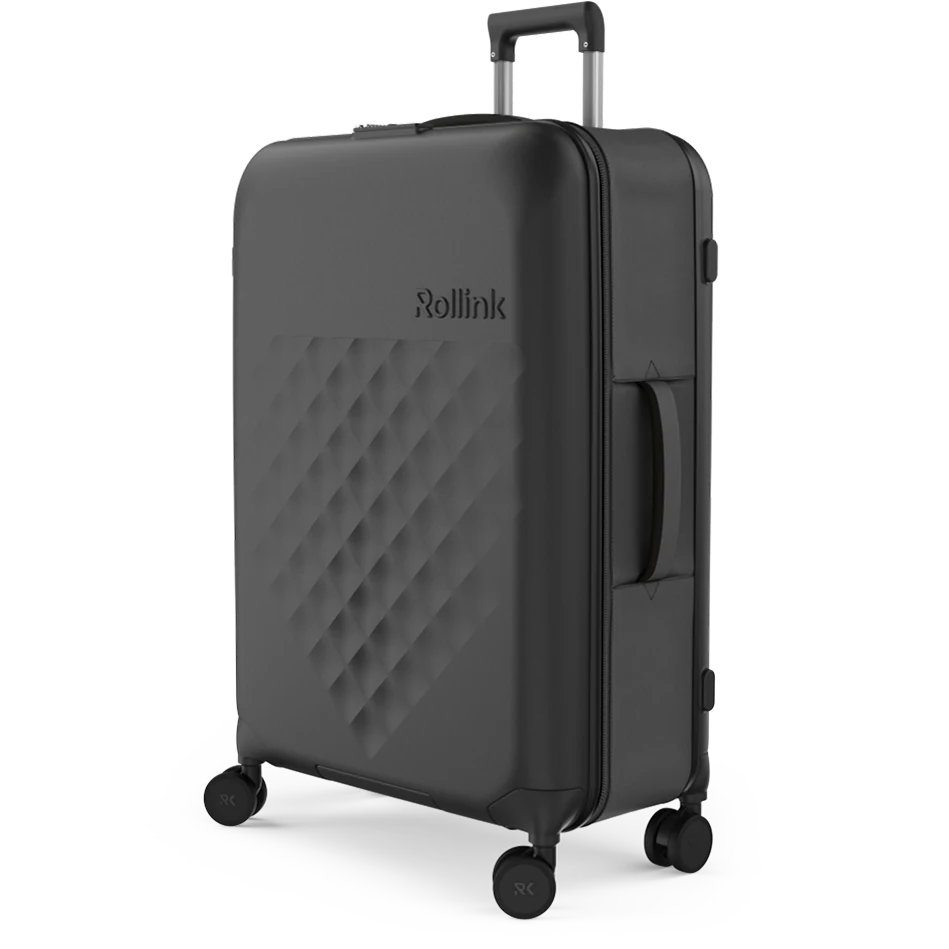
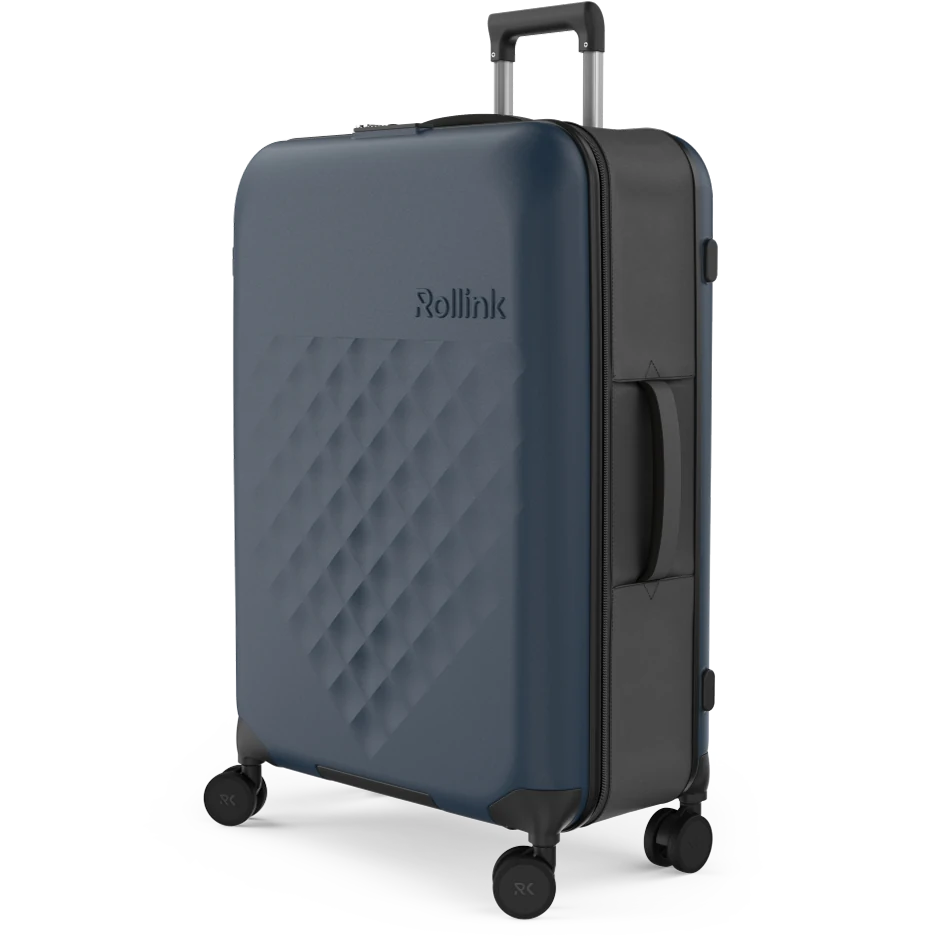
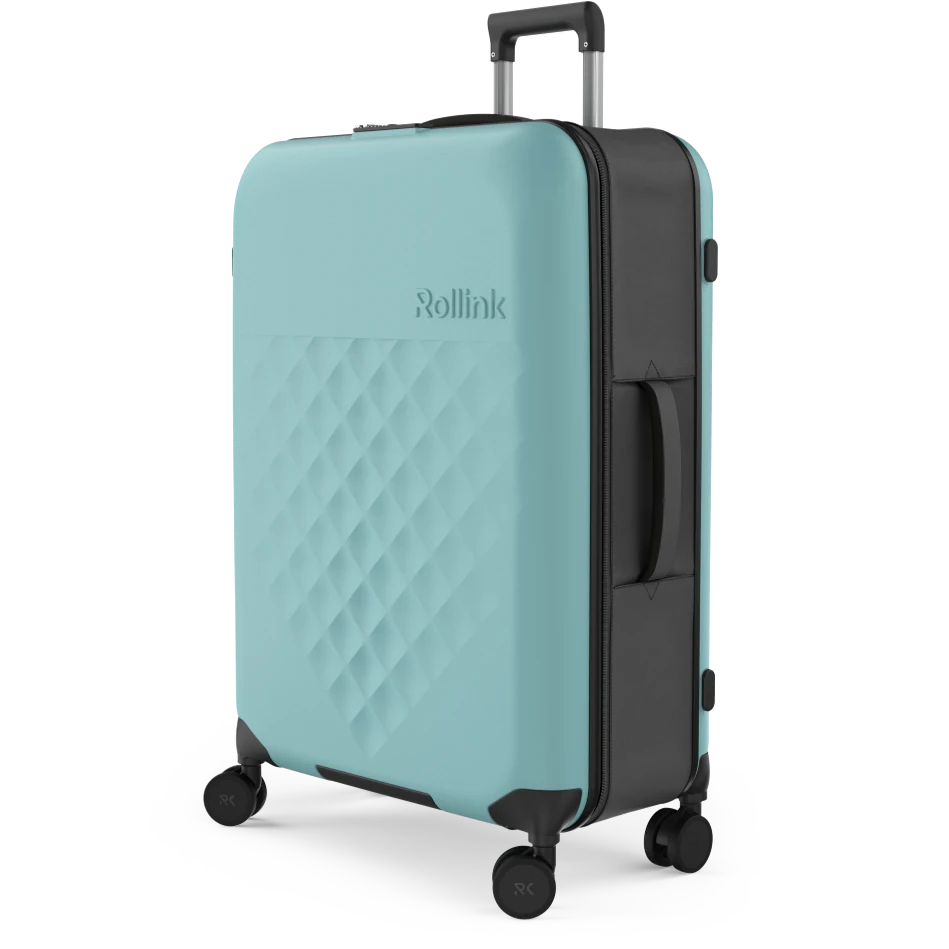
Once a 3D model exists, generating a new colourway, angle or configuration is a modelling and rendering task, not a new photoshoot. Traditional photography requires a camera, a location, a photographer, and time for each variant.
A 3D asset, once built, produces new views and variants far faster because the underlying geometry doesn’t need to be recreated from scratch.
This is also where 3D outperforms photography on capability, not just efficiency: 360-degree view, interactive backgrounds, and real-time colour changes are all things 3D supports natively that traditional photography structurally can’t replicate.
Engagement increases
Some customers still prefer the feel of a physical store, and AR is the closest an ecommerce platform can currently get to replicating that experience. It lets a customer engage with a product directly rather than passively viewing it, which builds a more connection with the brand behind it.
As the technology matures, expect AR to move closer to simulating an in-person interaction: virtual environments customers can walk through, examining a product much as they would in a physical space.
It supports better product development
AR gives development teams a useful tool for visualising a product before it’s finalised. Being able to walk around a virtual version, compare configurations, and adjust the design without a physical prototype speeds up decisions that would otherwise wait on manufacturing.
Once a product is represented accurately in 3D, images that match the specification precisely, in colour, texture and structure, can be produced from any angle without needing a new physical unit for each one, which makes iterating on new product variants considerably more practical.
Conversion rates improve
A conversion happens when a visitor takes the action a page is designed to prompt. A high conversion rate generally means a page is giving customers exactly the confidence they need to act, without hesitation.
3D and AR imagery gives customers a materially more accurate basis for that decision than a static photo and a written description. When customers trust what they’re seeing, they buy with less hesitation. Industry data shows AR-driven product videos increasing conversion rates by as much as 60% in some studies.
It increases time spent engaging with a product
AR content that walks a customer through product detail keeps them engaged longer, similarly to how an in-person shopping assistant might describe a product face to face. That extra clarity helps customers understand exactly what they’re looking at, which tends to extend how long they browse.
When product presentation is engaging, customers spend more time exploring a site’s catalogue, and that extended browsing time frequently correlates with browsing, and eventually purchasing, more than one item per visit.
Industry surveys report that 61% of customers prefer shopping from ecommerce sites with an AR experience, 71% would shop more if AR were available, and 40% said they’d be willing to pay more for a product they could customise through AR.
Augmented reality and 3D visualisation have become useful tools for both customers and retailers: customers get to explore and evaluate a product properly, and retailers see the engagement and conversion benefits that come from offering that.
What Makes a 3D or AR Asset Trustworthy to a Shopper
Not every 3D or AR asset earns the confidence it’s meant to build. The difference between an asset that resolves a shopper’s uncertainty and one that quietly erodes it comes down to a small number of specific factors.
Accurate scale is the most fundamental. If a piece of furniture placed via AR appears even slightly larger or smaller than the real product, the customer’s entire basis for judging fit is wrong, and they find out only when the item arrives.
Scale accuracy depends on the 3D model being built from the product’s real dimensions rather than an approximation, and on the AR placement engine correctly reading the spatial reference points needed to render it at true size.
Accurate colour rendering under different lighting is the factor most likely to be overlooked. A product rendered under one fixed studio lighting setup can look correct in that context and still mislead a customer viewing it through AR in their own, differently lit room.
A well-built asset accounts for how its material responds to a range of lighting conditions, so the colour a customer sees stays consistent with the physical product regardless of where or when they’re viewing it.
Material response that matches the physical object matters just as much as base colour. A fabric that should absorb light and a metal that should reflect it need to behave that way in the render, not just carry the right hue.
A 3D asset that gets the colour right but renders every surface with the same flat, uniform sheen will still feel subtly wrong to a customer who has seen or handled the real material before, even if they can’t immediately articulate why.
When any of these slip, an ecommerce brand isn’t simply publishing a slightly imperfect asset. It’s creating the same expectation-versus-reality gap that static photography was supposed to fix, just in a more interactive format.
A 3D or AR asset that doesn’t match the real product on delivery does more damage to trust than a plain photograph would have, precisely because the customer felt they had examined it beforehand.
Why 3D and AR Became Central to Ecommerce Strategy
The pandemic-driven shift to online shopping accelerated ecommerce adoption sharply, and with people unable to visit physical stores, trust in digital shopping had to be built through other means. Digital retail investment intensified during this period, and competition between platforms sharpened as a result.
During that period of accelerated digitisation, ecommerce platforms tried almost everything to differentiate themselves, and interactive product imagery consistently proved one of the more effective levers.
Products presented through 3D imagery rather than static content and description alone have repeatedly shown stronger purchase intent in comparative testing, which is the core reason 3D and AR techniques have become so widely adopted.
To illustrate the effect directly: in a comparison between two ecommerce sites, one using plain text description with basic static images and the other using interactive 3D product imagery, the difference in visitor behaviour and conversion rate was clear.
The site with 3D and AR imagery saw stronger customer interaction, better conversion, and fewer returns.

What 3D and AR Deliver for Ecommerce Going Forward
3D and AR have become a durable part of how ecommerce competes, not a passing trend, because they deliver specific, repeatable outcomes for a platform that adopts them properly:
- Increased customer engagement. 3D imagery is a effective way to hold a customer’s attention on a product page.
- Increased order value. Sites using richer product imagery tend to see more browsing and more items considered per visit.
- Increased shopper trust. 3D imagery communicates more about a product than a flat image can, which builds confidence in the purchase.
- Increased conversion. Giving customers exactly the information they need to decide reduces hesitation and drives more completed purchases.
- Decreased returns. Customers who understand precisely what they’re buying are less likely to send it back.
Conclusion
The future of ecommerce product presentation runs through virtual shopping built on 3D imagery. Augmented reality and 3D visualisation have consistently shown stronger purchase behaviour and conversion outcomes across the platforms that have adopted them, which is exactly why this is a shift, not a passing feature.
For every ecommerce platform, improving the overall customer experience is the underlying goal, and 3D and AR are one of the more effective tools currently available for doing that.
They give customers the clarity and confidence a purchase decision actually needs, and that improved experience is what compounds into better conversion, fewer returns, and stronger brand trust over time.
FAQ
Common questions, answered.
How much can 3D and AR change conversion rates?
Industry data shows AR-enabled product experiences increasing conversions by up to 60% in some studies, with 61% of customers saying they prefer ecommerce sites that offer AR.
How does AR reduce returns?
AR lets a customer preview a product virtually in their own space or on themselves before buying, closing the gap between expectation and reality that drives most returns.
What makes 3D and AR different from static product photography?
A 3D or AR asset lets a customer rotate, zoom, and in some cases place a product in their own environment, giving them information a fixed photograph structurally can't provide.
Start the conversation
Got a product worth showing? Let’s talk about what it needs to do.
We reply to every brief personally, usually within one working day.