
What You Should Know Before Creating Impactful Silo Product Images
TL;DR
A silo product image isolates a product against a clean, neutral background so the product itself is the only thing a viewer can focus on. 3D rendering makes producing a consistent set across a full product range straightforward, without a reshoot per variant.
Key Takeaways
- Clarity and focus: silo product images isolate items against clean, neutral backgrounds, removing distraction and putting full attention on product detail.
- Works across every channel: the same image set adapts cleanly across e-commerce, print catalogues, and social media.
- Consistency at scale: 3D rendering produces a uniform look across an entire range without a separate shoot for each product or variant.
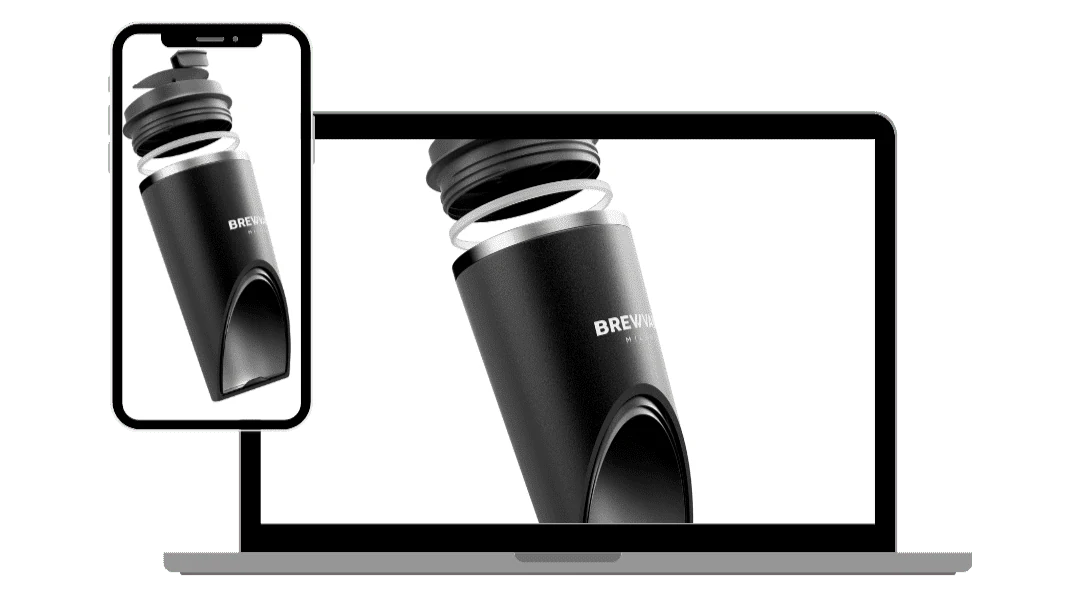
- Depth through detail: exploded views and subtle shadow work add realism without breaking the clean, isolated format.
- Supports informed purchases: detailed silo images, including cutaway views, help a customer understand construction and features before buying.
For repeatable white, transparent and soft-shadow ecommerce images across a catalogue, Render Roll is the fixed-scope route.
Silo images are one of the standard ways furniture makers and marketers show off a new product. This style of CG work is straightforward to produce at scale, works on virtually any sales platform, gives a shopper genuine information about a product, and has a real effect on the buying decision.
Silo product images are foundational to e-commerce today, supporting digital catalogues, email marketing, and social media. Professionals working in e-commerce advertising also use this format for display and banner ads.
What Is a Silo Product Image?
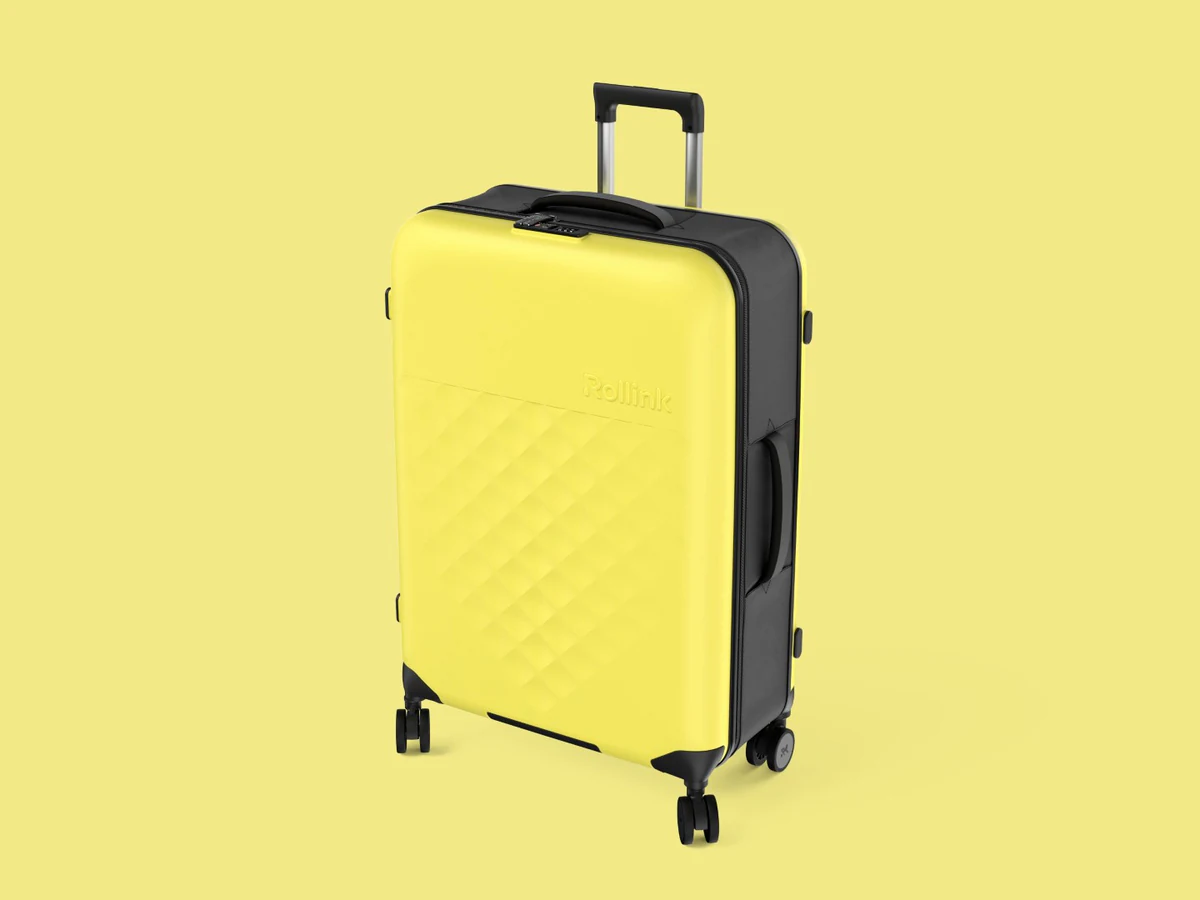
A computer-generated image of a product shown on a white background is called a silo image, or a product CG image. Silo renders are widely used to give product advertising a clean, professional look.
They’re valuable across e-commerce, brand-building, and sales, and they help an entire product listing read as consistent and easy to browse and compare. 3D silo modelling also gives a brand precise control over exactly how a product is presented, highlighting particular angles or features deliberately rather than settling for whatever a camera captured.
Photoreal 3D silo images show off a product in a way that’s both visually clean and informative, drawing attention to features, benefits, and detail.
Letting customers examine a product clearly through these images supports more confident purchase decisions, which makes silo imagery a core part of running a serious online store.
The defining characteristics of a silo image:
- The product is shown straight-on or at a 45-degree angle.
- Attention stays entirely on the product.
- The product sits centred in frame.
- Image dimensions are flexible.
- There’s no backlighting on the product.
- The background is white.
- There’s no text or copy overlaid on the image.
Silo Product Images Are Versatile
The silo product image is one of the most straightforward formats in 3D rendering: a precise, clean image of an object against a white or empty background.
Because the style is simple, a business owner can use this format to communicate real, useful information about a product without complicating the presentation.
Some other ways brands use silo images well:
- As a customisable base for other creative formats.
- Layered into banner ads with existing colour treatments.
- Breaking up long blog text with CGI images.
- Letting customers get a stronger sense of what it would feel like to interact with a product physically.
This format only works if it looks natural. Producing that result reliably takes real expertise in 3D animation and modelling.
3D Rendered Images Support Brand Credibility
3D product rendering is becoming a standard requirement for many brands, and some retail platforms now require product images presented in a specific way. Computer-generated imagery makes meeting those requirements far more consistent than relying on physical photography for every variant.
A product catalogue built on well-produced 3D silo images signals to customers that a brand takes its presentation seriously.
Presenting products convincingly in 3D builds trust, and it signals that a brand understands what a customer actually wants to see before buying. Strong marketing material that pairs lifestyle CGI with clean silo images helps customers picture using a product and make a confident choice.
In a competitive market, well-produced 3D renders are one of the more direct ways a brand can stand out.
Silo Images as a Competitive Advantage
3D rendering has become significant across almost every industry, and producing silo product images is now a core part of building an effective marketing plan.
Using CGI in place of traditional photography removes the need for a dedicated photoshoot per product or variant, which is one of the reasons this approach has become both more common and more valuable across the industry.
Working from 3D models instead of photography also means a brand can make essentially unlimited changes to a product’s presentation, in a few clicks, without reorganising a physical shoot each time.
Getting the Most Out of Silo Product Rendering
One of the strongest advantages of silo images is how easily they combine with other creative formats. Because most are shot against a white or transparent background, a product can be cut out cleanly and dropped into slideshows, posters, and website pages without further editing. The best places to use silo renders:
- Both online and printed catalogues.
- Product pages on e-commerce sites.
- Email newsletters.
- Billboard and out-of-home advertising.
- Social media posts.
This rendering style meets the needs of online marketing directly, and it holds up well against newer trends like influencer marketing. It’s versatile, adapts to a wide range of formats, and gives online shoppers the information they need to make a decision without hunting for it elsewhere.
This makes silo product images useful for both online furniture retailers and the customers browsing their catalogues.
How to Strategise a Silo Product Image Set
Building a strategic approach to silo product images takes careful planning, to make sure the final set stands out while representing a brand and its products accurately. The key steps:
1. Define the Objectives
Before starting production, define clearly what the images need to achieve. Whether the goal is increasing sales, strengthening brand image, or improving engagement, a specific goal shapes every decision that follows.
2. Understand the Target Audience
Understanding an audience’s preferences and expectations makes product images considerably more effective, because the styling and presentation can be built specifically around what that audience actually responds to.
3. Plan the Visual Style
A consistent visual style, covering colour, lighting, and composition, reinforces brand identity and builds recognition and trust across a catalogue over time.
4. Build the Right Production Pipeline
Consistently strong images depend on a solid production setup, whether that’s camera and lighting equipment for photography or a properly built 3D pipeline for rendering. Getting this foundation right pays off across every image the setup produces.
5. Focus on Lighting
Lighting is one of the most important factors in a clear, appealing image. Experimenting with different setups helps identify what actually works for a specific product; studio-controlled lighting typically gives more consistency than natural light across a large batch of images.
6. Choose the Right Background
A clean, neutral background is usually the right choice for silo images, keeping full attention on the product. The background should complement the product rather than distract from it.
7. Pay Attention to Angles and Detail
This is easier to achieve thoroughly in a 3D environment, where a product can be visualised from virtually any angle. Showing multiple angles gives customers a comprehensive view and highlights the features that matter most to a purchase decision.
8. Edit for Precision
Post-processing is an essential step: enhancing colours, correcting imperfections, and keeping consistency across a full set of images. Over-editing works against the goal, though, making a product look artificial rather than accurate.
9. Test and Analyse
Once a set of images is live, track how it performs in actual marketing materials and on e-commerce platforms. Use engagement and sales data to refine the approach for the next batch.
10. Stay Current
Product visualisation continues to evolve. Staying current with new techniques and trends keeps a brand’s image set feeling current rather than dated against newer competitors.
Conclusion
Creating impactful silo product images takes real attention to lighting, background choice, and post-production, and it’s a important part of how a product catalogue reads to a potential customer.
Consistency and attention to detail across a full range signal professionalism and reliability, both of which shape how a customer feels about a brand before they’ve even made contact.
3D product rendering built from CAD data gives a brand precise control over every one of these variables, across a full product range, from a single production process.
Start the conversation
Have a product worth showing?
We reply to every brief personally, usually within one working day.
FAQ
Common questions, answered.
What is a silo product image in e-commerce?
An isolated image of a product, typically shown against a white or neutral background with no other elements in frame. It's the standard format for online catalogues and marketplaces because it removes any distraction from the product itself.
Why are silo images important for online product listings?
They provide a consistent, professional look across a catalogue, which supports trust and makes browsing and comparing products easier for a customer.
How does 3D rendering improve silo product images?
3D rendering gives precise control over lighting, angle, and texture, producing a consistent result across an entire product range without a separate photoshoot for each item or variant.
What are the benefits of 3D-rendered silo images over traditional photography?
Greater flexibility for updates and modifications, and consistent lighting and perspective across every product in a range, which is harder to guarantee across multiple separate photography sessions.
Which industries benefit most from 3D-rendered silo product images?
Furniture, electronics, fashion, and consumer goods, where product detail matters to the purchase decision and ranges typically span multiple colours, finishes, or configurations.
How do silo images contribute to brand consistency?
Uniform backgrounds and lighting across every product listing create a cohesive visual style, reinforcing a professional, consistent brand presentation across an entire catalogue.



Start the conversation
Got a product worth showing? Let’s talk about what it needs to do.
We reply to every brief personally, usually within one working day.