
CGI capability
Product motion. Directed for launch.
XO3D builds cinematic 3D product animation to reveal, explain and position a product across hero films, feature sequences and campaign cutdowns.
Start a conversationUpdated
Selected clients

Sony work via ImageNova. Ferrari and Burberry work via KCD.
More than movement. A directed visual system.
XO3D is a director-led 3D product animation company in Stevenage, UK. We create CGI films from CAD to reveal, explain and position products for launch, often before a physical product is manufactured.
Camera, materials, lighting, edit and sound are planned as one visual language across the hero film, feature sequences and campaign cutdowns. Every sequence has a reason: establish desirability, explain function, expose engineering or give the launch a defining visual moment.
This is a strong fit for technical, new or not-yet-manufactured products where the audience must understand both the product's value and the detail behind it.
On when to hire XO3D
Hire XO3D when you need precise product animation, product marketing films and stills or a product launch film, and you want to see the high-end detail of your product: exploded views, textures, the product itself in focus.
Selected films
Product animation projects.
Six product animation films from the XO3D video gallery. Each poster opens the film's own page. Browse product CGI films to see the full set, grouped by what each film explains.
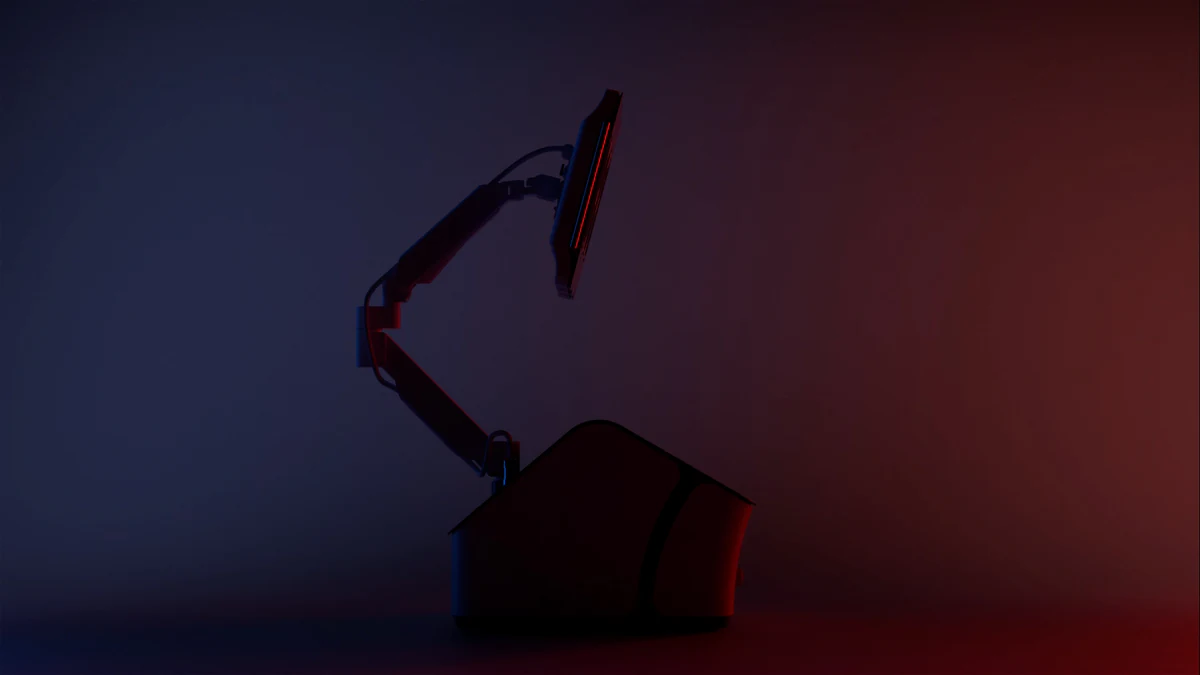
Dermalux Dermalux Compact MD 3D Product Animation 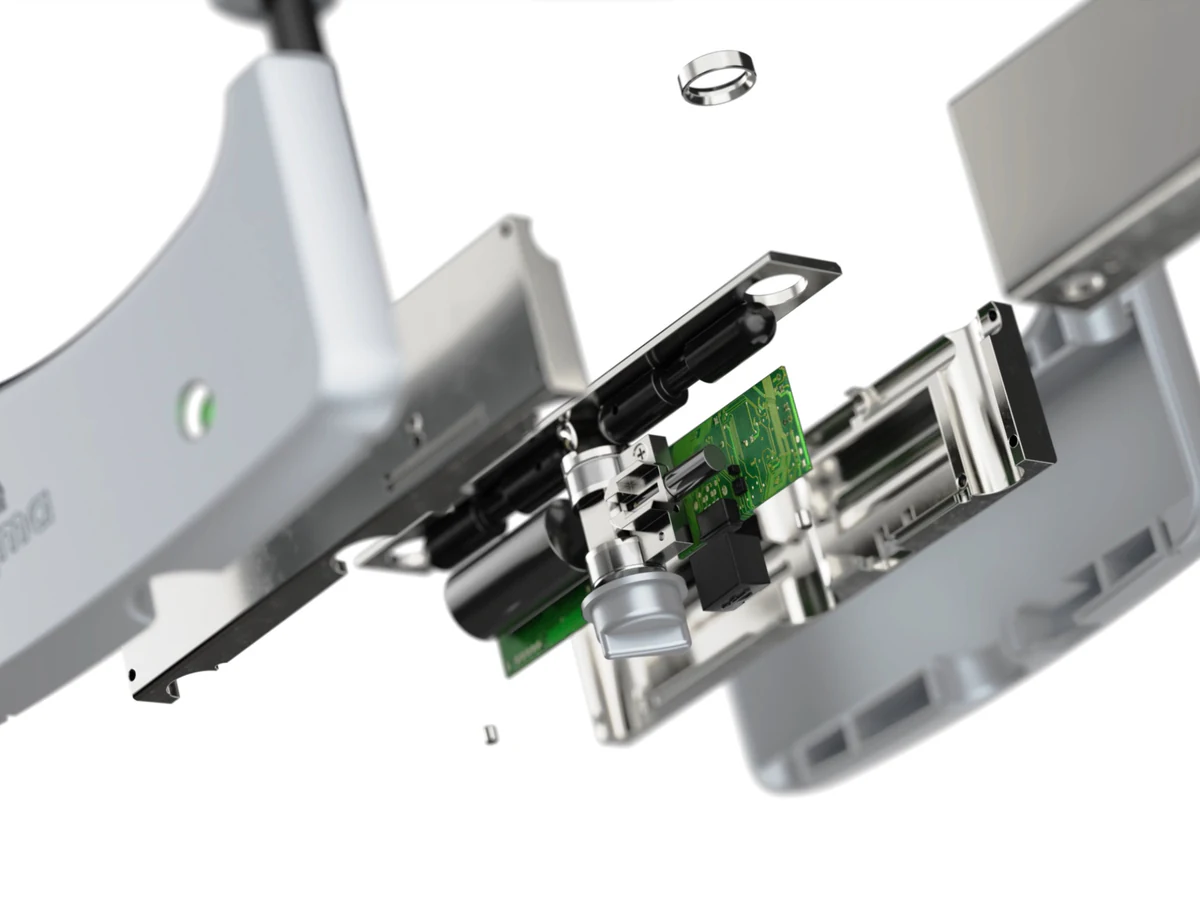
Squire Locks Squire Locks Inigma, Exploded 3D Product Animation 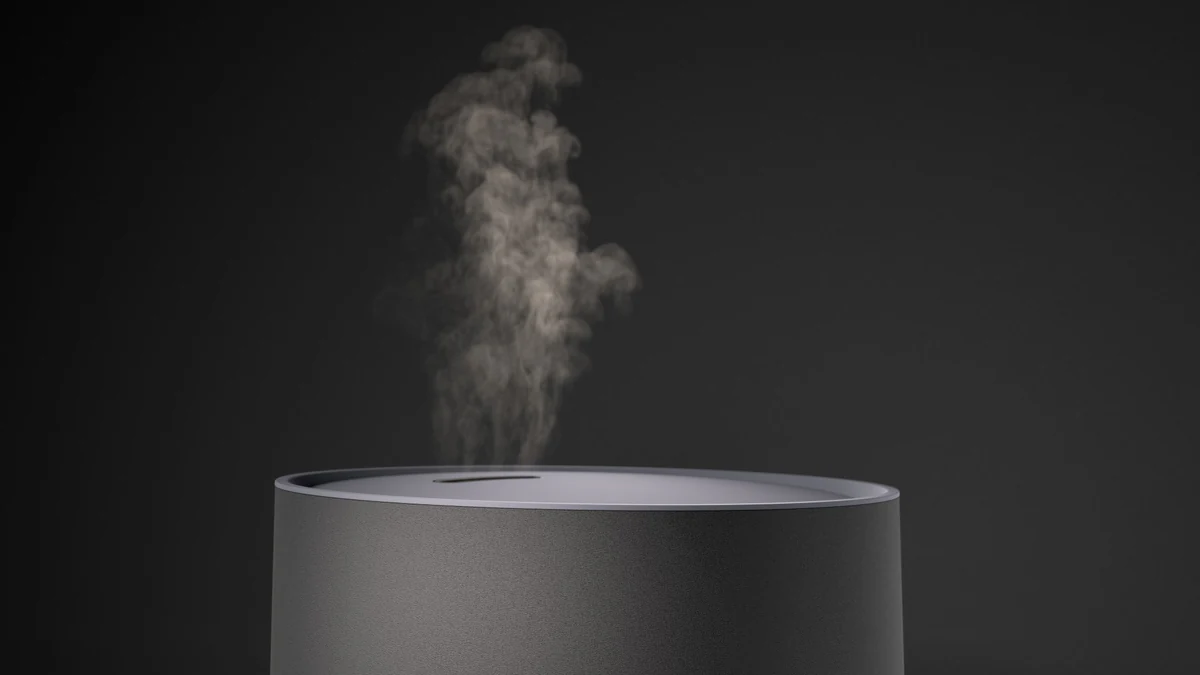
Duux Duux Neo Humidifiers 3D Exploded Animation 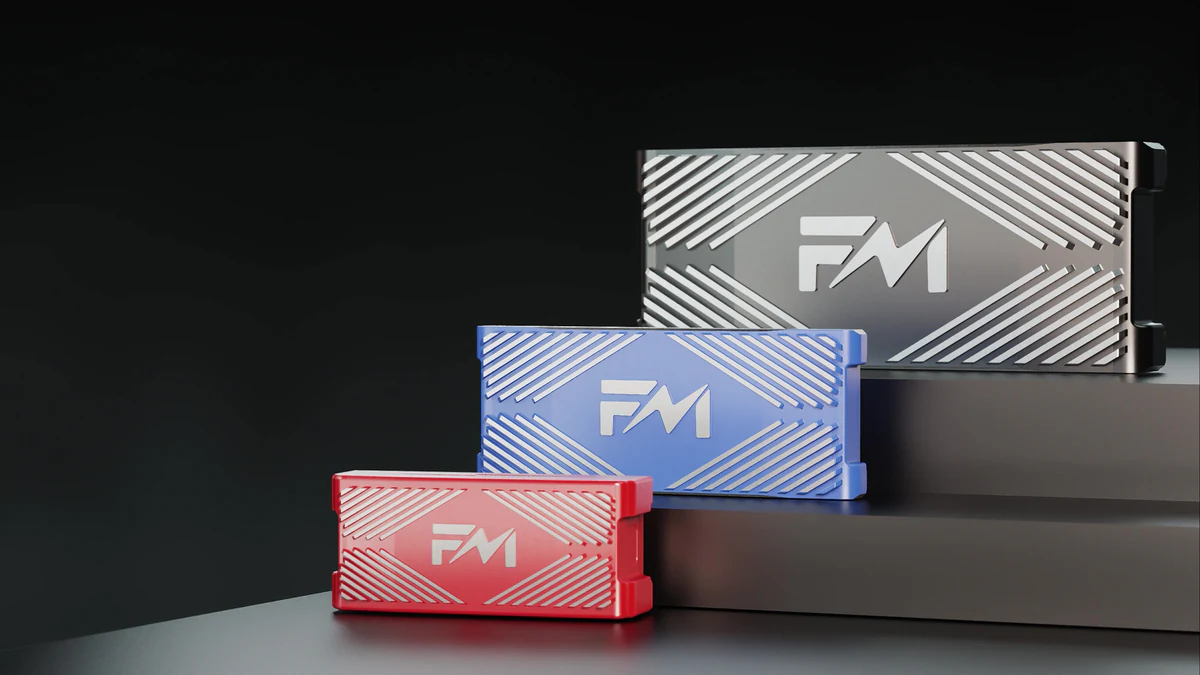
Flash Motors Controller Product Animation for CES 2024 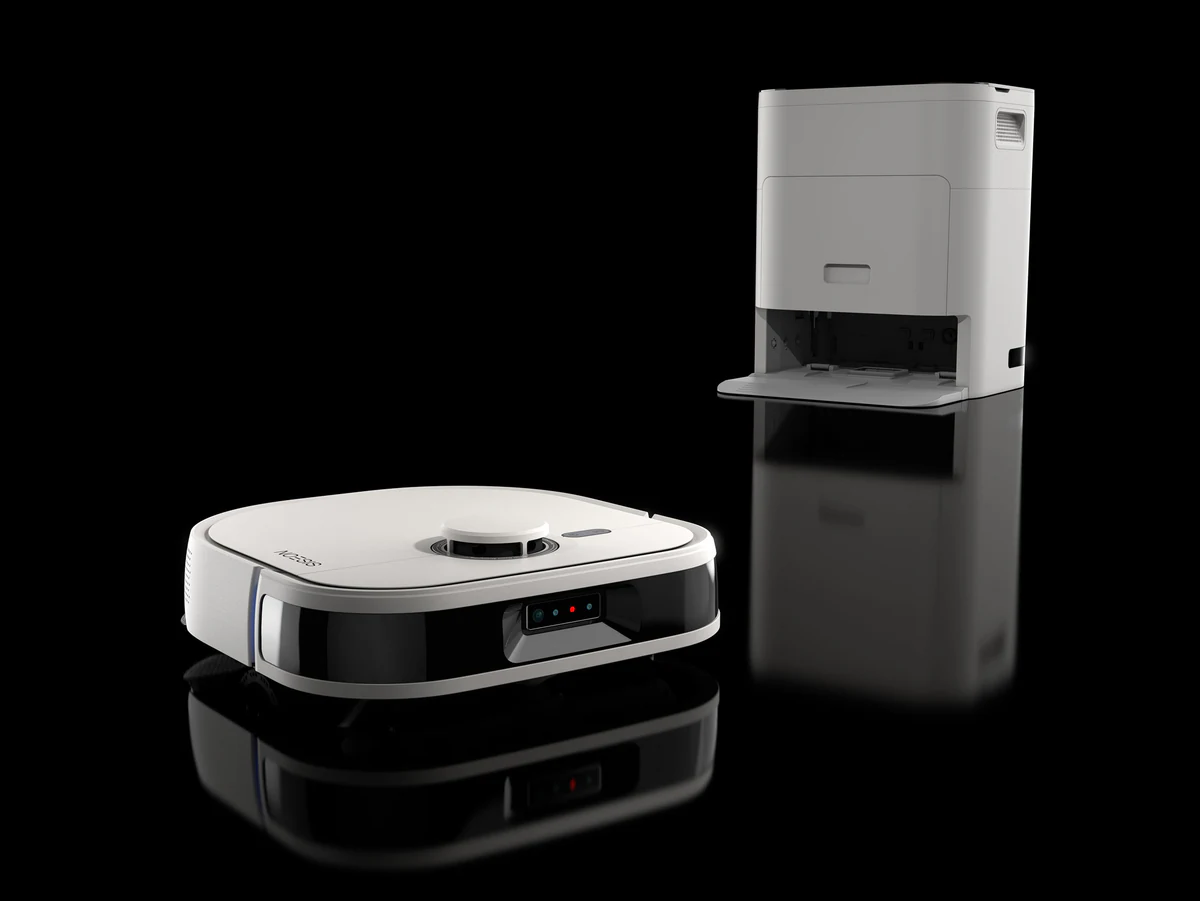
Noesis Robot Vacuum Product Animation - Best of CES 2023 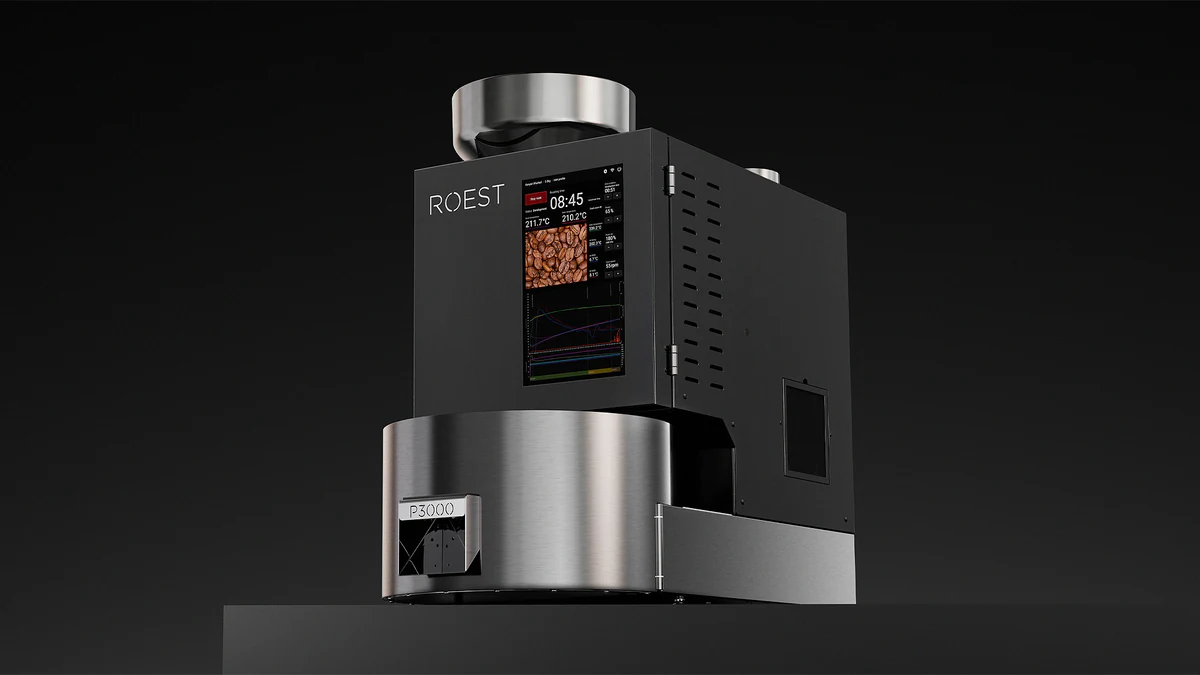
ROEST ROEST Coffee Roaster 3D Product Animation
Director's mindset
Every frame has an intention.
We treat the product as the protagonist and the camera as the narrator. Before production, we define the audience, the product truth and the job of every sequence. That direction governs camera choreography, material language, lighting, edit and sound.
Why it works
Why brands use product animation.
Build the campaign before manufacture.
Create launch-ready motion from CAD while engineering, tooling and physical production continue.
Give the launch a defining visual idea.
Direct the product around one deliberate concept instead of a collection of disconnected camera moves.
Reveal the product intelligence.
Expose mechanisms, materials and engineering detail without losing the emotion of the launch.
Extend one direction across every format.
Carry the same visual language through hero sequences, feature edits, social cutdowns and presentation assets.
What we deliver
Scope the right outputs.
Hero Motion
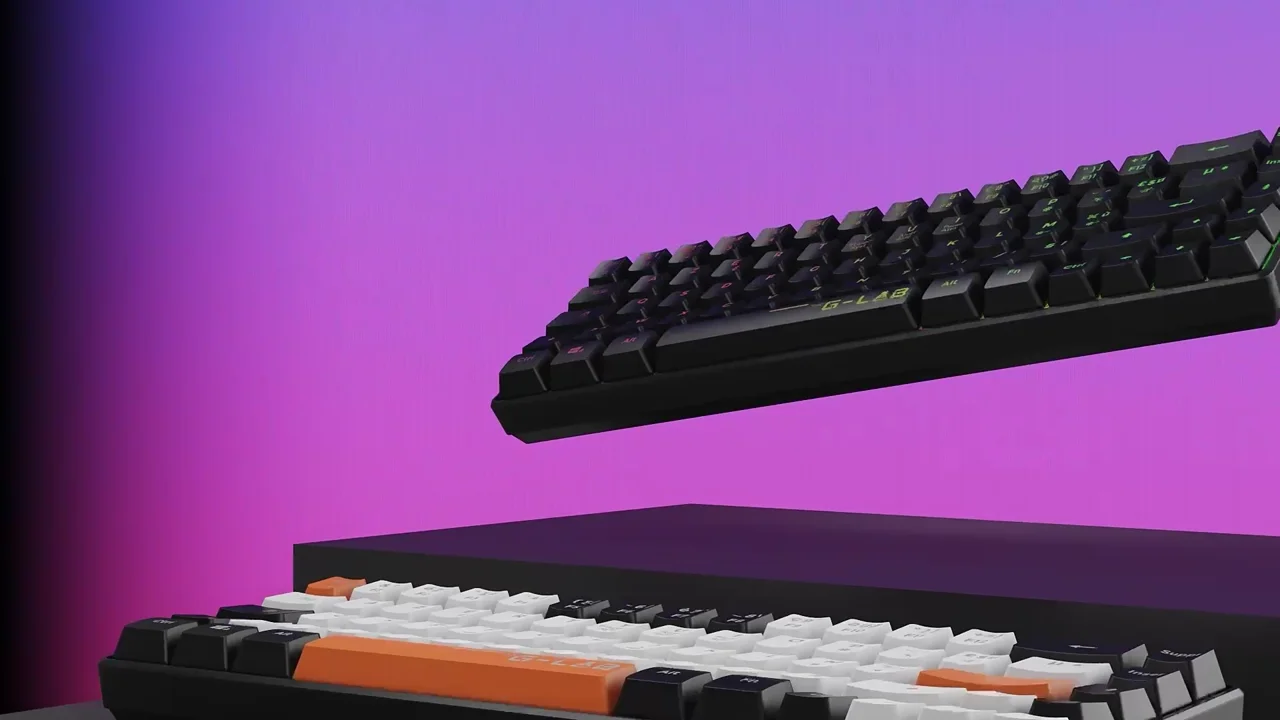
The defining 3D product animation for a launch, directed around one idea, one visual language and one clear audience response. The film at the top of this page is the G-LAB Keyz Titanium launch film. For a second example, the G-LAB Keyz Hydrogen launch film runs 40 seconds and brings the keyboard's lighting, construction and colourways into one story. The scope of a new hero film is agreed per brief.
Feature-Led Sequences
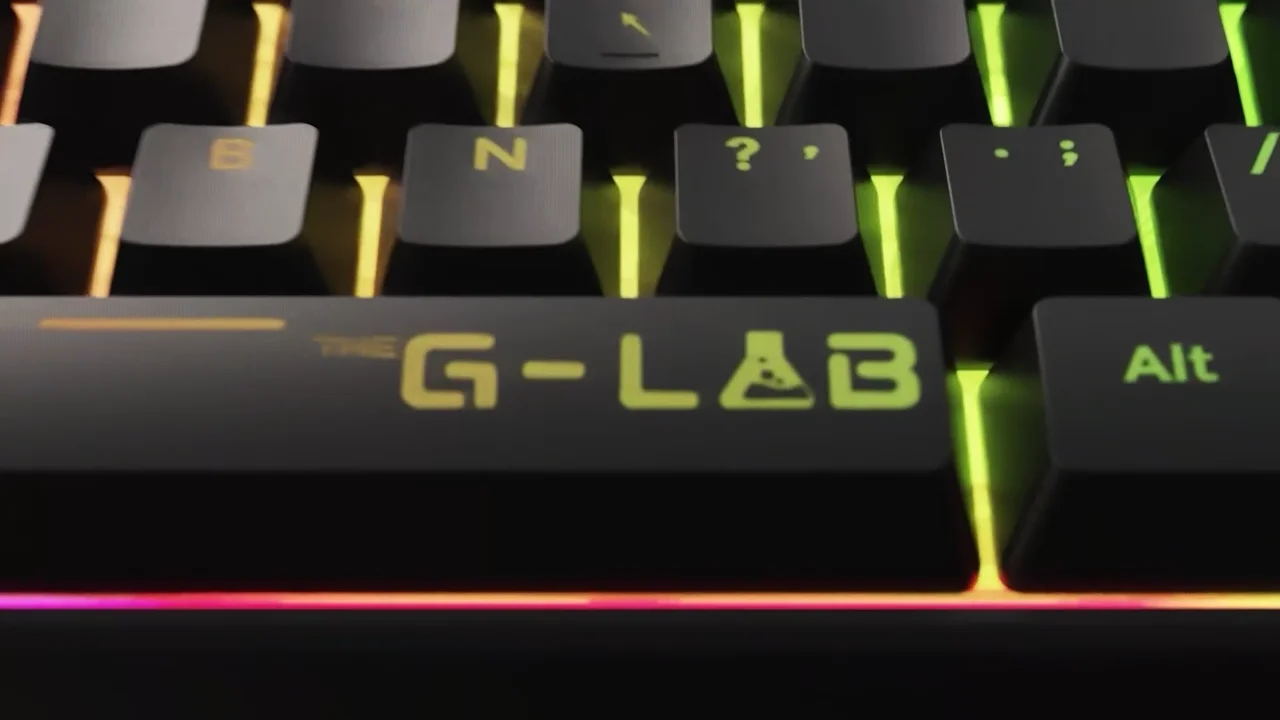
Product animation for a feature sequence: focused motion that reveals the design decisions, functions and details the launch must make clear. In the Keyz Hydrogen film, a lighting sequence carries the RGB treatment through close-ups of the keys, and a macro pass moves into the layers beneath them. See the Hydrogen feature sequences.
Exploded & Assembly Sequences
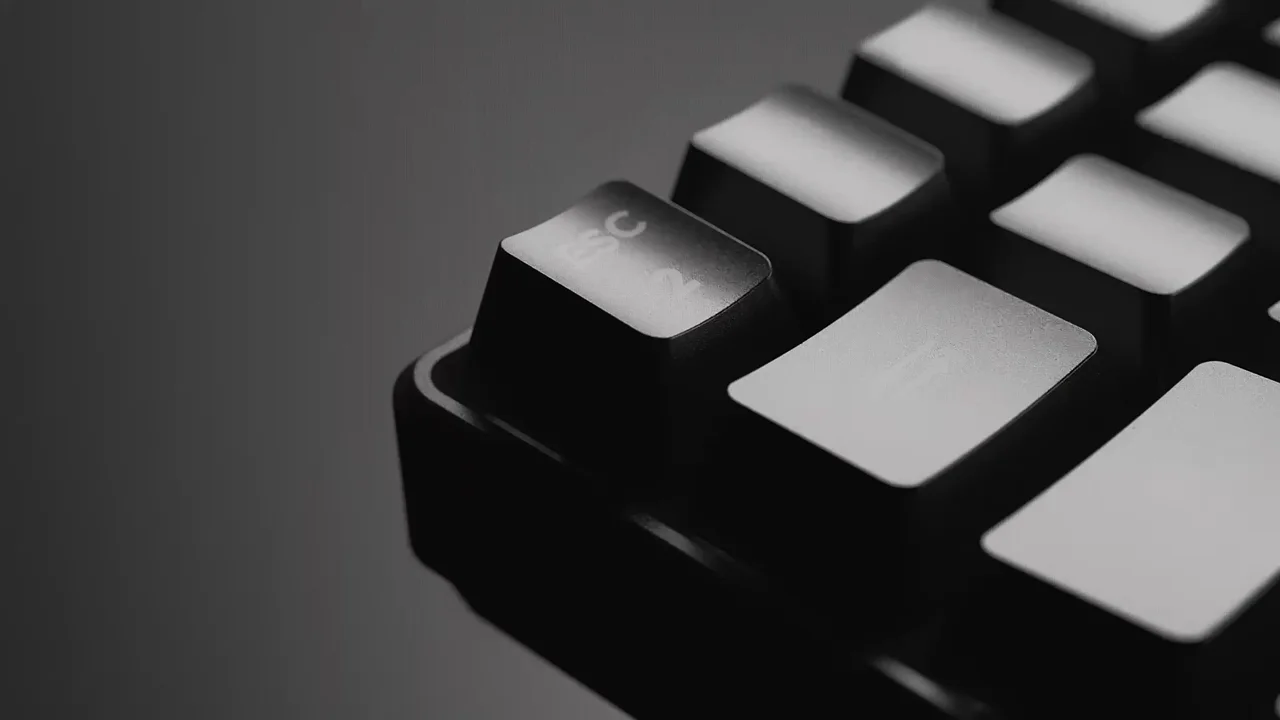
Technical CGI that exposes components, assembly logic and internal mechanisms with precision and restraint. The Keyz Hydrogen film includes an exploded escape-key sequence that separates the key's components on screen. To commission one on its own, see exploded view and cutaway animation.
Campaign Cutdowns
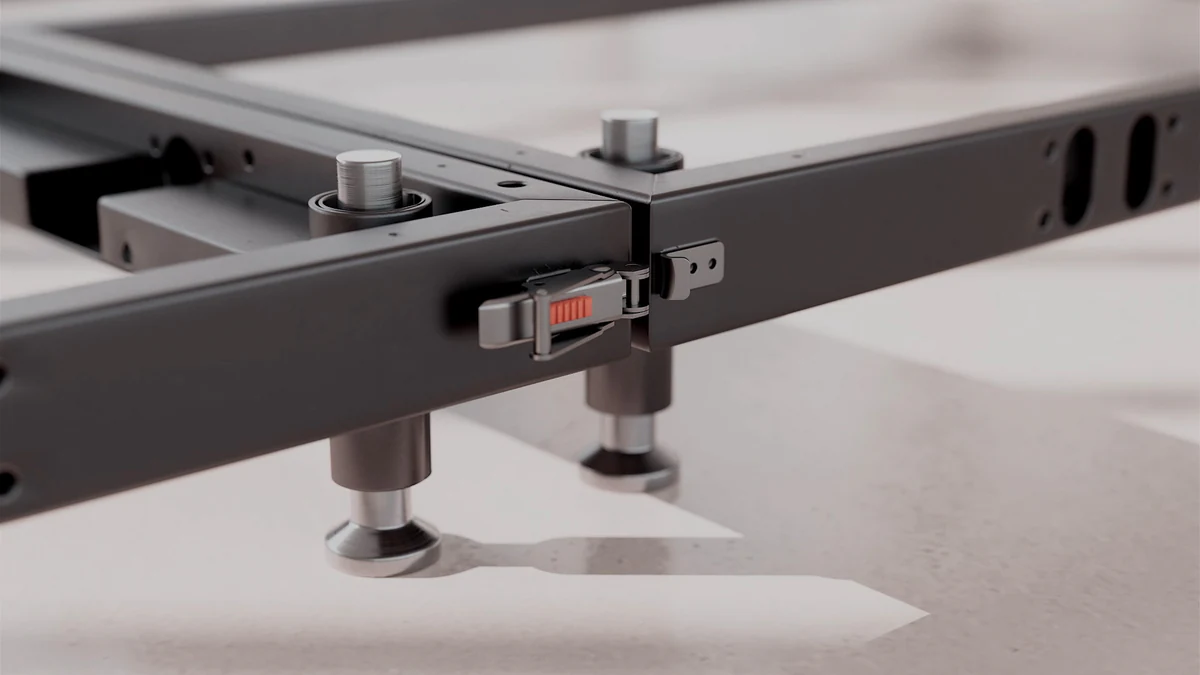
Platform-specific edits from the same directed source, with composition and timing considered for each format. Nanuskate's launch film and its cut-downs came from one Master Asset in 16:9, 1:1 and 9:16. The AUAR MicroFactory suite shows Shot 02 delivered in landscape and vertical, alongside six short-form cut-downs. The formats for a new film are agreed at brief.
Who it's for
Made for launch-critical product teams.
For Creative Directors, Brand Directors, Product Marketing Directors and launch teams responsible for how a complex product meets the market.
We work from CAD, concept designs, technical drawings and product documentation, often before a physical sample exists.
Case studies
Selected product animation work.
G-Lab Keyz Hydrogen: complex product detail translated into directed motion for the launch, feature story and technical explanation.
View case study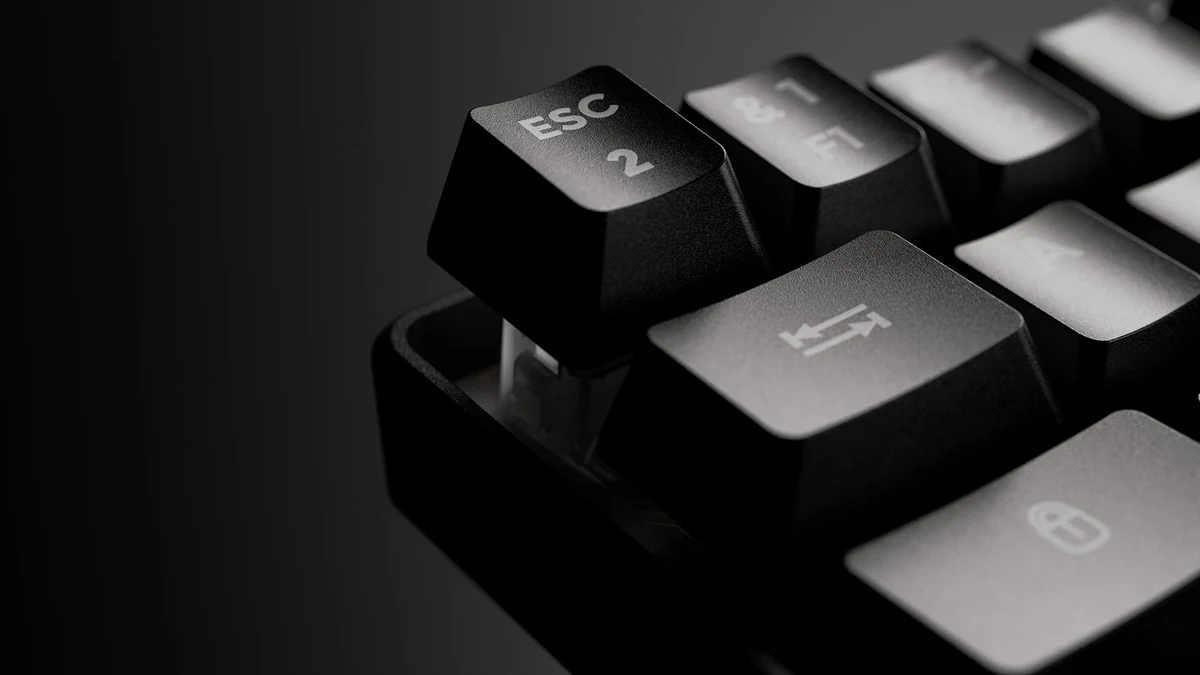
Petalite EV charger: a CAD-led launch visual system developed before manufacture for campaign and stakeholder communication.
View case study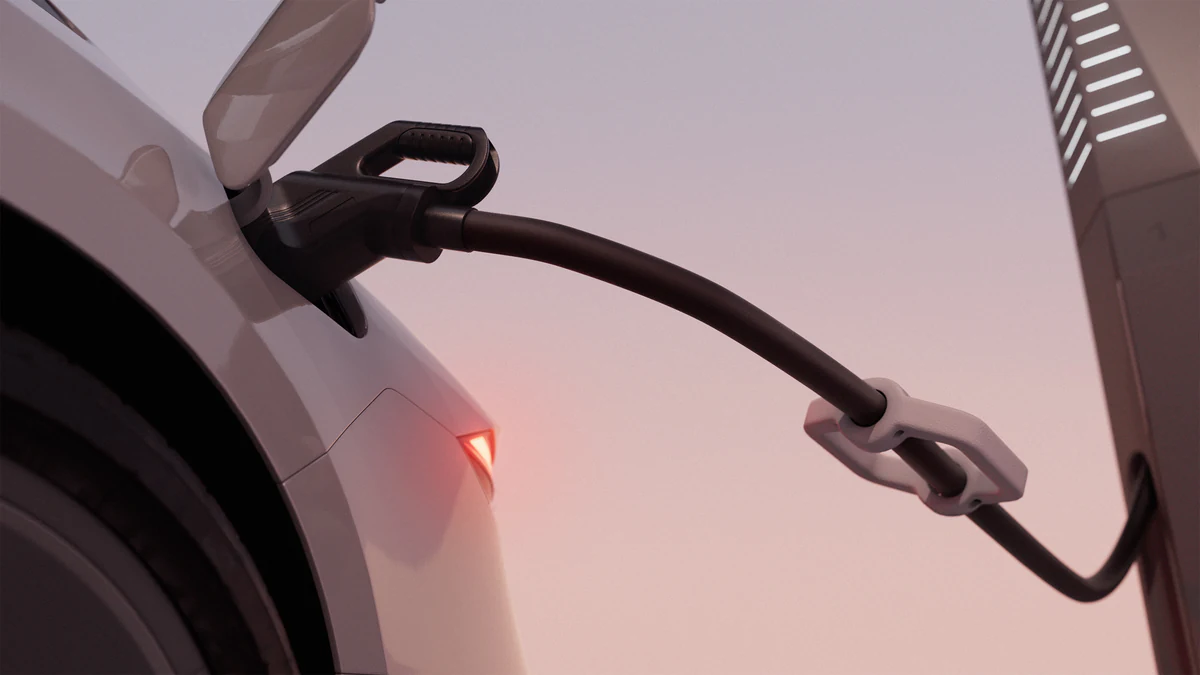

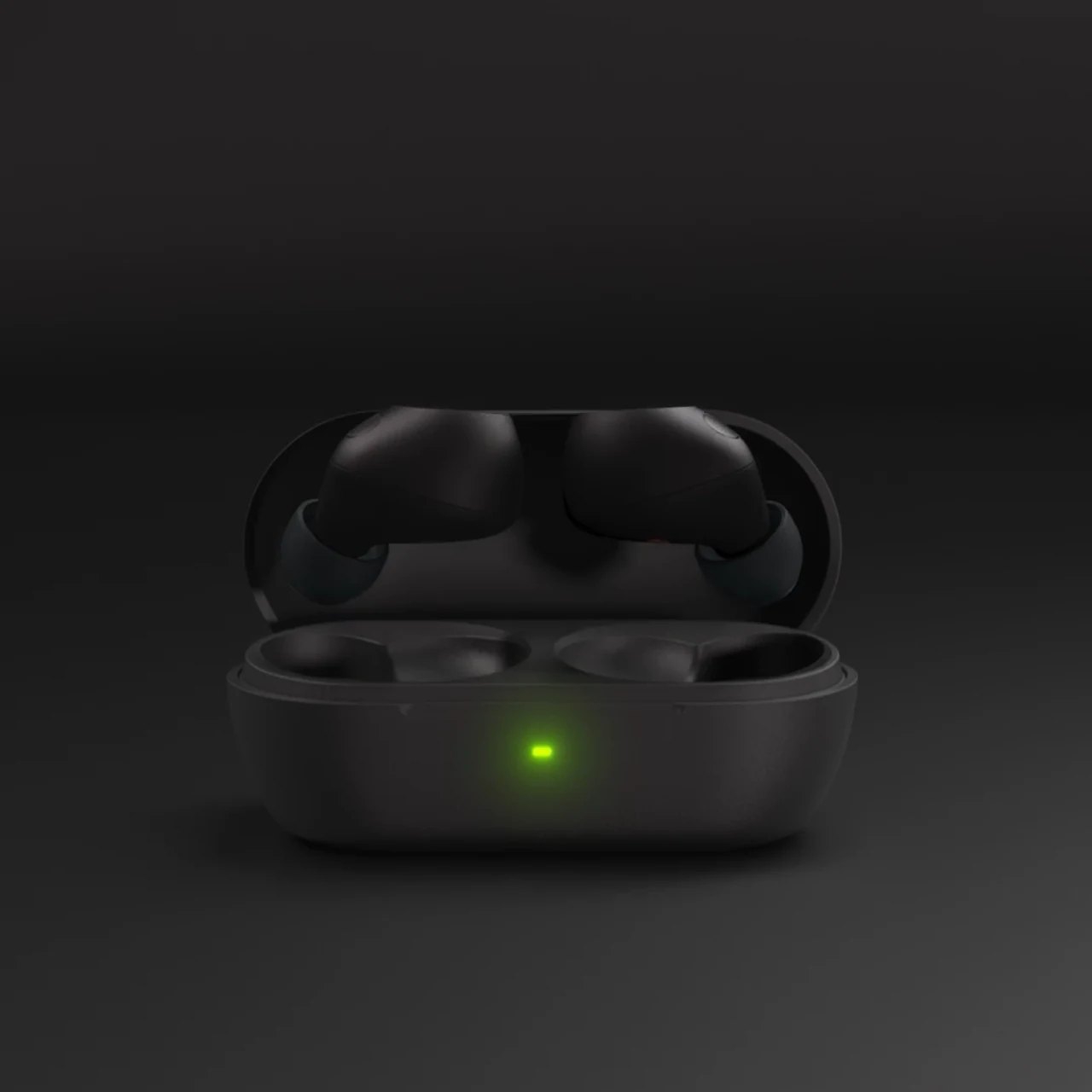
Sony WF-C710 for ImageNova: a director-led product film shaped around material detail, feature storytelling and the launch moment.
View case study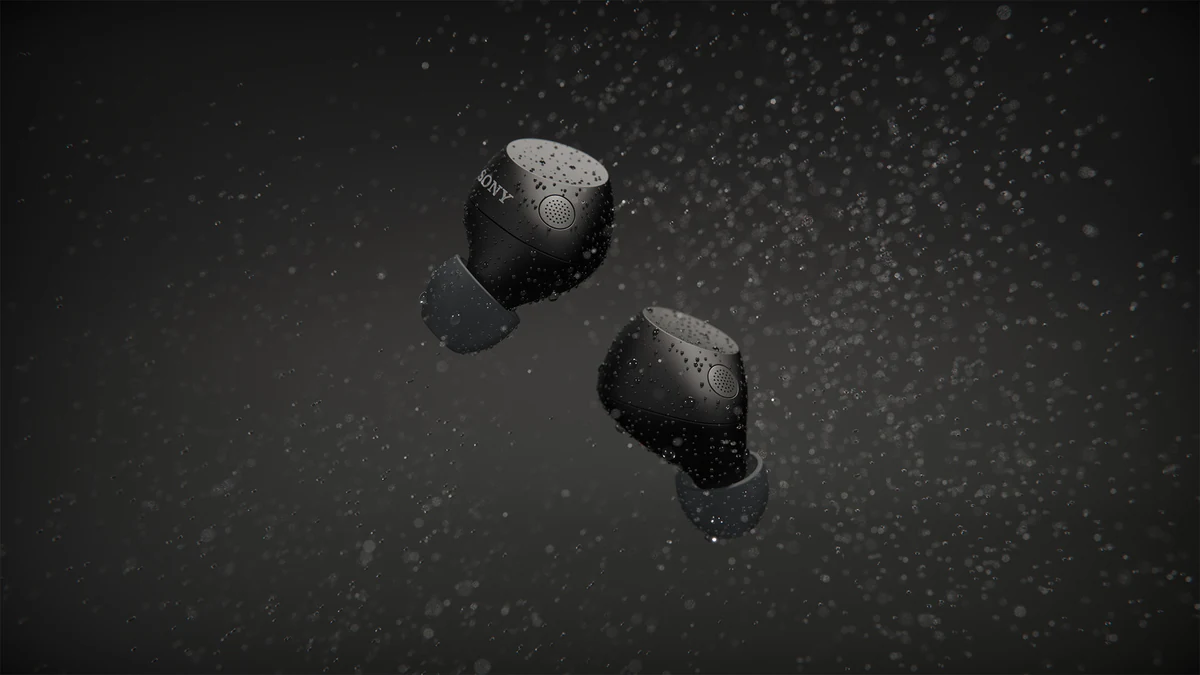
Process
Our product animation process.
- 01
Define the launch job.
We establish the audience, product truth, release moment and role each sequence must play.
- 02
Direct the visual system.
We agree the concept, camera language, material treatment, edit rhythm and complete asset plan.
- 03
Build and check the product model.
We assess the CAD before animation. Faceted surfaces or incorrect edges can require remodelling. We check how light interacts with the model in rendering software before approving it for photorealistic film or stills.
- 04
Finish every format.
Approved sequences are graded, mastered and delivered for the campaign, launch event, website and stakeholder use.
The advantage
Why senior teams choose XO3D.
A director behind every brief.
Creative direction remains accountable from the first reference through the final grade.
A CAD-accurate foundation.
Engineering inputs protect proportion, materials and product truth before the camera starts to move.
One launch visual language.
Motion is planned to align with the stills, interactive and technical assets around it.
Controlled reviews and finishing.
Clear approvals protect the direction, the deadline and the quality of every final asset.
For planning support, see the production specifications, the CGI studio briefing guide and the practical product animation guide. Before the animatic, compare the types of storyboards used to plan the shots.
When the film must sit inside a complete stills, social, press and interactive campaign, continue to the Launch Visuals programme. If the main job is engineering-accurate mechanism, assembly or internal-function explanation, the brief belongs with Technical CGI. Before you brief, read ten ways a product film goes wrong and the gate that stops each one.
Explore the Product CGI Films programme. The G-LAB gaming keyboard product film shows hero motion, exploded detail, macro features and colourways directed as one launch story. When the job is an ongoing motion language across many releases rather than one launch, see brand motion systems.
How XO3D plans landscape and vertical product films
XO3D plans the required aspect ratios before rendering. Where the composition allows it, extra canvas space provides room to crop the main render for different platforms. When a landscape crop does not work for a vertical mobile view, a custom camera gives the product the framing it needs. The formats remain part of the agreed deliverables.
Compare the landscape and vertical shots in the AUAR MicroFactory launch suite. The product, materials and direction stay connected while the frame changes for its destination. For the shot vocabulary behind these decisions, see how directors choose product film shots.
Decisions to agree before animation
A product animation is easier to review, and less likely to change late, when a few decisions are made before modelling and camera work start. The table lists them, what helps you decide, and where each one is checked. Terms such as formats, revisions and file delivery are set out in the production specifications, and the briefing guide covers how to write them down.
| Decision | Useful input | Where it is reviewed |
|---|---|---|
| Audience and central message | Who the film is for and the one thing they must understand | Brief and treatment |
| CAD revision and visual references | The current CAD or drawings with the revision named, finish and colour references | Model review |
| Visible features and mechanism claims | Which features appear, how parts move, and the claims the product team has approved | Storyboard and greycard |
| Runtime and destinations | Where the film will run: launch event, website, social, sales deck | Treatment and animatic |
| Aspect ratios | Every format the campaign needs, such as 16:9, 1:1 and 9:16 | Storyboard and greycard |
| Sound and text versions | Music, sound design, voice, on-screen text and any language versions | Animatic and final edit |
| Approval owner | The person who signs off each stage for your side | Every stage |
To start a scoping discussion, the most useful single input is the current CAD or a set of technical drawings, with a short note on what the film must achieve.
Greycard approval, made visible
In a greycard pass the model is shown without final materials or lighting. That is the stage to review geometry intersections, timing, the action and the framing for each format, before material and lighting work begins. Changing a camera or a movement here is far less disruptive than after final rendering.
The pair below is one frame from the AUAR MicroFactory launch suite, at greycard and as finished.
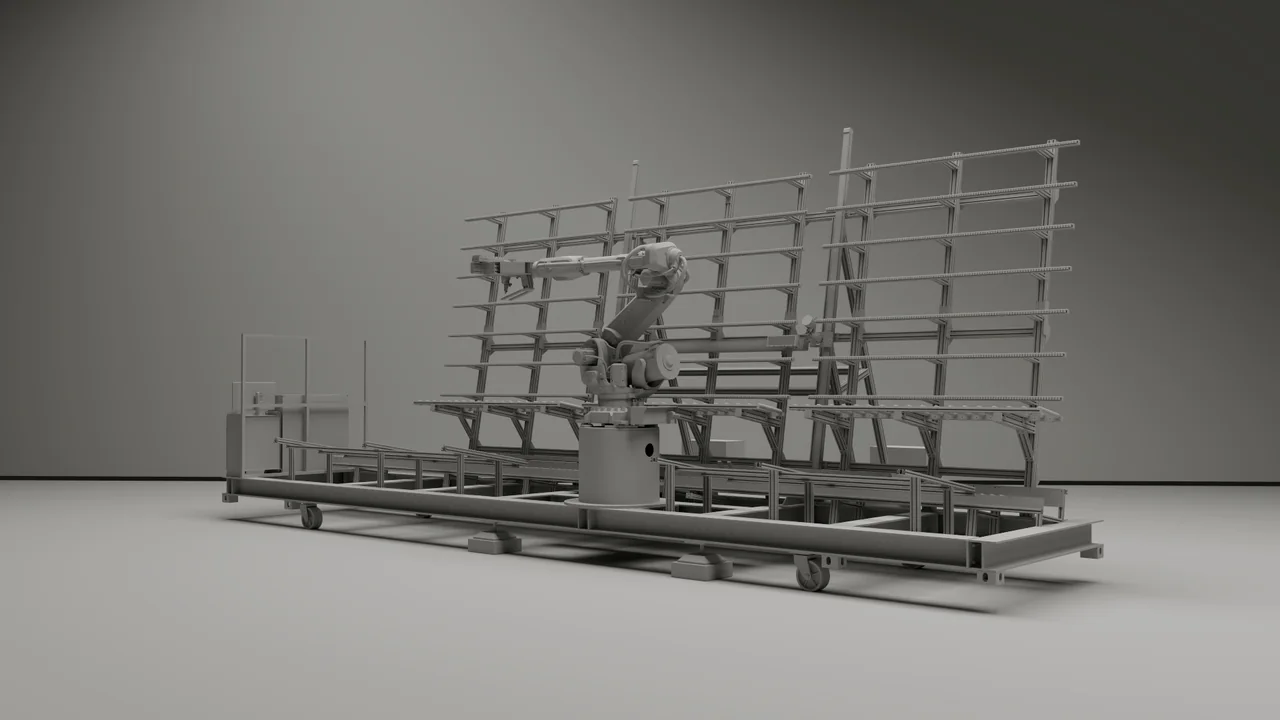
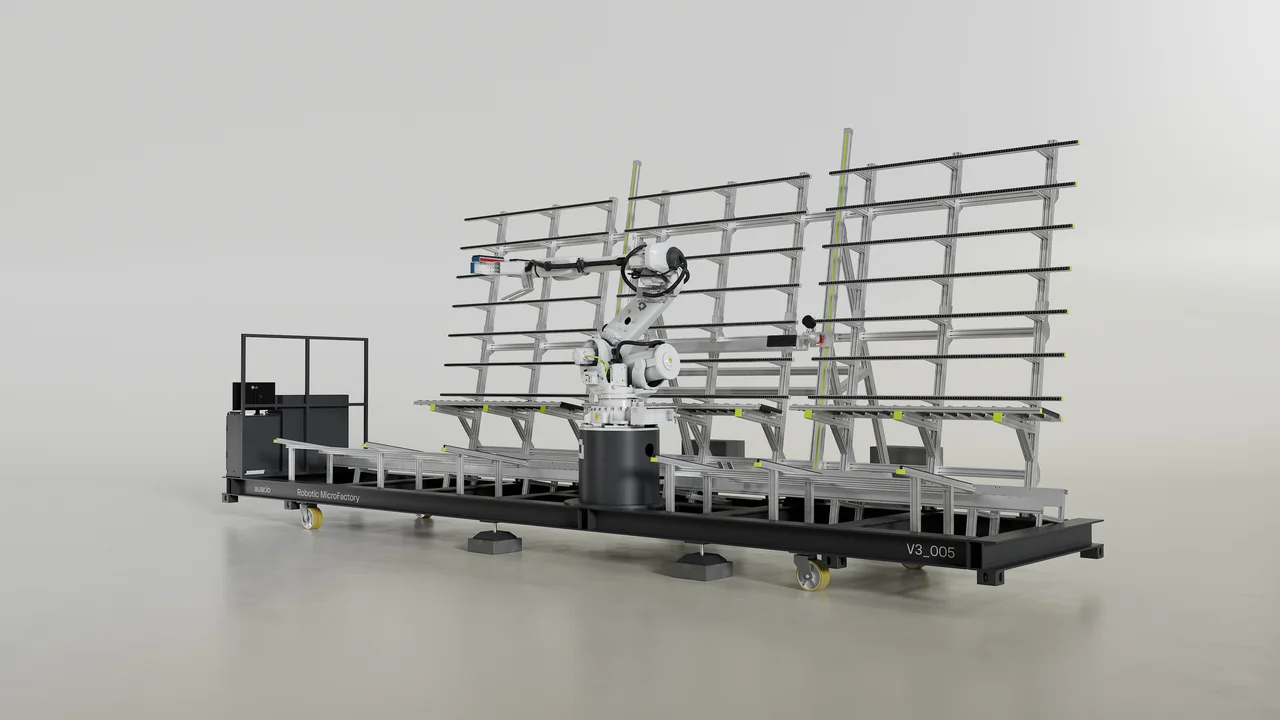
The AUAR case study has interactive grey and final comparisons and the transition captured in motion: see the AUAR process.
Working directly or through an agency
XO3D works with product brands directly and with agencies that need product CGI inside a wider campaign. The direction stays product-led either way, with a named director accountable for the camera, materials and edit. The Sony WF-C710 animation, for example, was made for Sony through ImageNova. For how that collaboration works, see CGI production for agencies.
FAQ
Common questions, answered.
What does XO3D check in a greycard animation?
What is director-led product motion?
How is product motion different from basic 3D product animation?
Can XO3D create product motion before manufacture?
Can you use our existing CAD for photorealistic product animation?
A lot of the time a CAD file is very messy and has a lot of facets, for example. And the client expects extremely high-quality imagery from basic CAD models. So we have to remodel them from scratch to make them photorealistic.
What can one CGI motion system deliver?
What do you need to start?
Can a landscape product film be adapted for vertical mobile viewing?
Other product services
There's more.
Your next project
Build the sequence around one idea.
Choose what the viewer should understand first. Then plan the reveal, feature sequence and closing frame, with product and creative review before final picture and sound.
A route to consider
Product CGI Films
A product film developed through creative treatment, storyboard, animatic, product review and final picture and sound.
Bring these three things.
- What is the central product message?
- Which action or feature must be shown?
- What runtime and channel formats are required?
Start with an outline. We review the product, intended outputs and timing before agreeing the production scope.
About the studio
XO3D is a director-led product CGI studio. Founded by Thomas Howcroft in 2017 and incorporated as XO3D Ltd (UK Companies House 11876020) in 2019, when Alex Mann joined as co-founder. Based at the Business and Technology Centre in Stevenage, UK, with representation at 244 Fifth Avenue, New York. We work with tech, industrial and premium consumer brands on product films, launch stills and interactive experiences.