
3D Rendering Explained: A Complete Guide for Product Brands
TL;DR
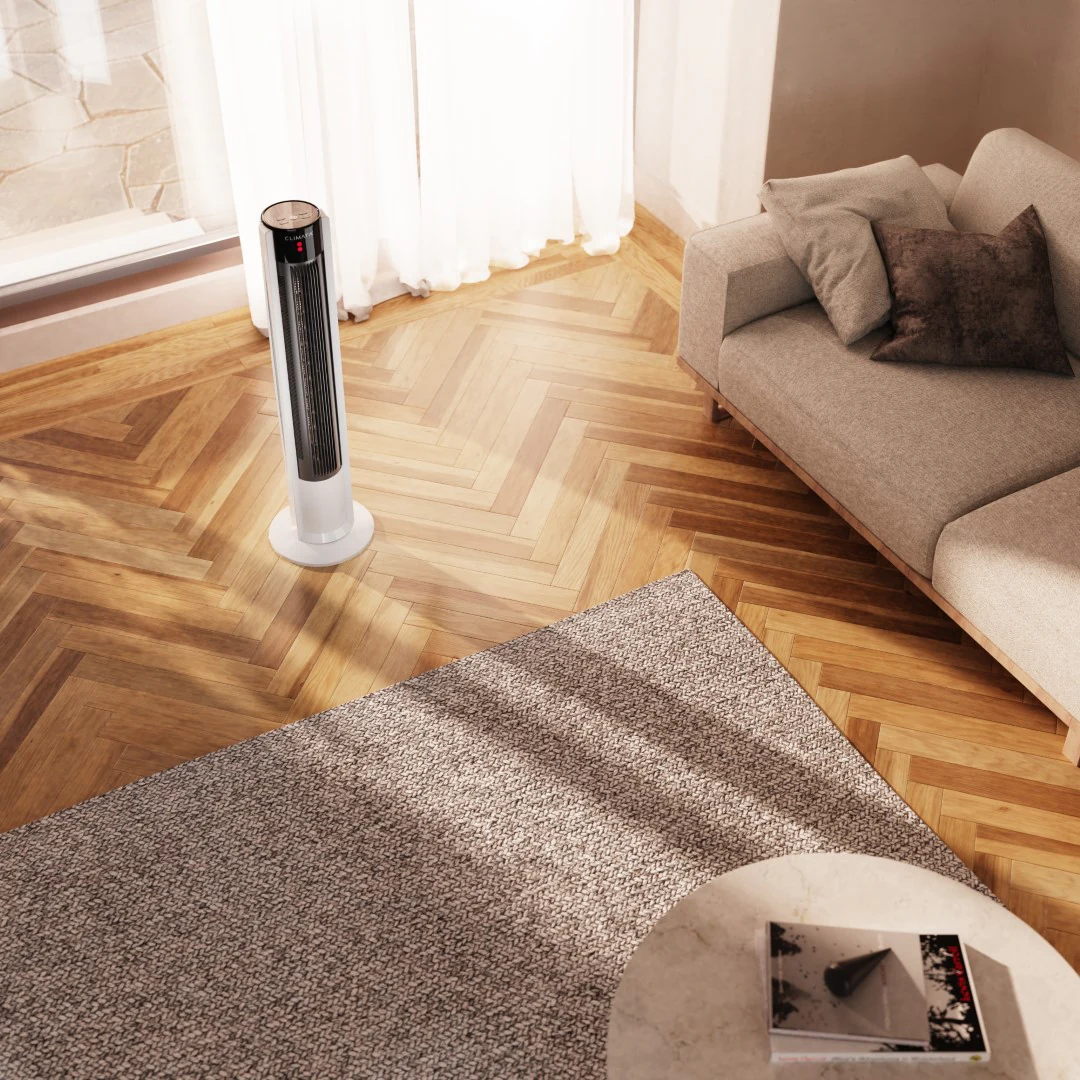
Photorealistic 3D rendering builds digital visuals indistinguishable from photography through physically accurate lighting, materials, and camera behaviour. It's used across product marketing, architecture, and real estate wherever a physical shoot isn't possible or isn't the right tool.
Photorealistic 3D rendering is a digitally built image constructed to be visually indistinguishable from a photograph. Print one next to an actual photograph and even a trained eye needs a second look.
The technique now underpins product catalogues, architectural presentation, interior design, and real estate marketing wherever a physical shoot can’t capture what the brief actually needs.
What photorealistic rendering is
A photorealistic render earns the name through physical accuracy, not artistic polish. Three things separate it from a stylised or illustrative 3D image:
- Correct light physics. Global illumination, accurate shadow falloff, and light that bounces and colours surfaces the way it would in the real world.
- Physically based materials. Roughness, reflectance, and subsurface properties set to match how a real material actually responds to light, not an approximation.
- Camera-accurate optics. Depth of field, lens distortion, and exposure behaviour that match what a real camera would produce in that scene.
Miss any one of the three and the image reads as synthetic, even to a viewer who couldn’t articulate why. Get all three right and the render holds up against genuine photography, including under close inspection.
Where photorealistic rendering is used
The technique spans several industries, each using it to solve a different problem:
Furniture and product catalogues. Most large manufacturers now build their full catalogue from renders rather than physical photography, because a single accurate 3D model can be restaged in unlimited configurations, materials, and settings without a new shoot for each variant.
Architectural visualisation. A render shows what a building will look like before a single brick is laid, letting a client, investor, or planning authority evaluate the design against reality rather than a drawing.
Real estate marketing. Renders stage empty properties and show off-plan developments as they will exist, giving buyers a materially accurate view of a space that doesn’t yet exist in finished form.
Interior design. Designers test material, colour, and layout decisions digitally before committing to a physical build, catching problems while they’re still quick to fix in software.
The techniques that build realism
A handful of specific methods separate an amateur render from a professional one:
- IES light profiles for photometrically accurate lighting, matching how real light fixtures actually distribute light.
- Chamfers and bevels on edges, because a perfectly sharp 90-degree edge essentially doesn’t exist in manufactured reality.
- PBR (physically based rendering) materials built from measured real-world data rather than eyeballed approximations.
- Depth of field, used deliberately to direct attention the way a real camera lens would.
- Subtle imperfection: dust, wear, minor asymmetry. Nothing in the physical world is perfectly clean or perfectly symmetrical, and a render that is reads as artificial.
- Mirror and specular maps that control exactly where and how strongly a surface reflects, rather than applying a flat reflective coating.
None of these are shortcuts. Each requires a render artist who understands the underlying physics well enough to apply the technique with intent, rather than a filter applied after the fact.
How a photorealistic render gets made
The process runs through four stages regardless of industry:
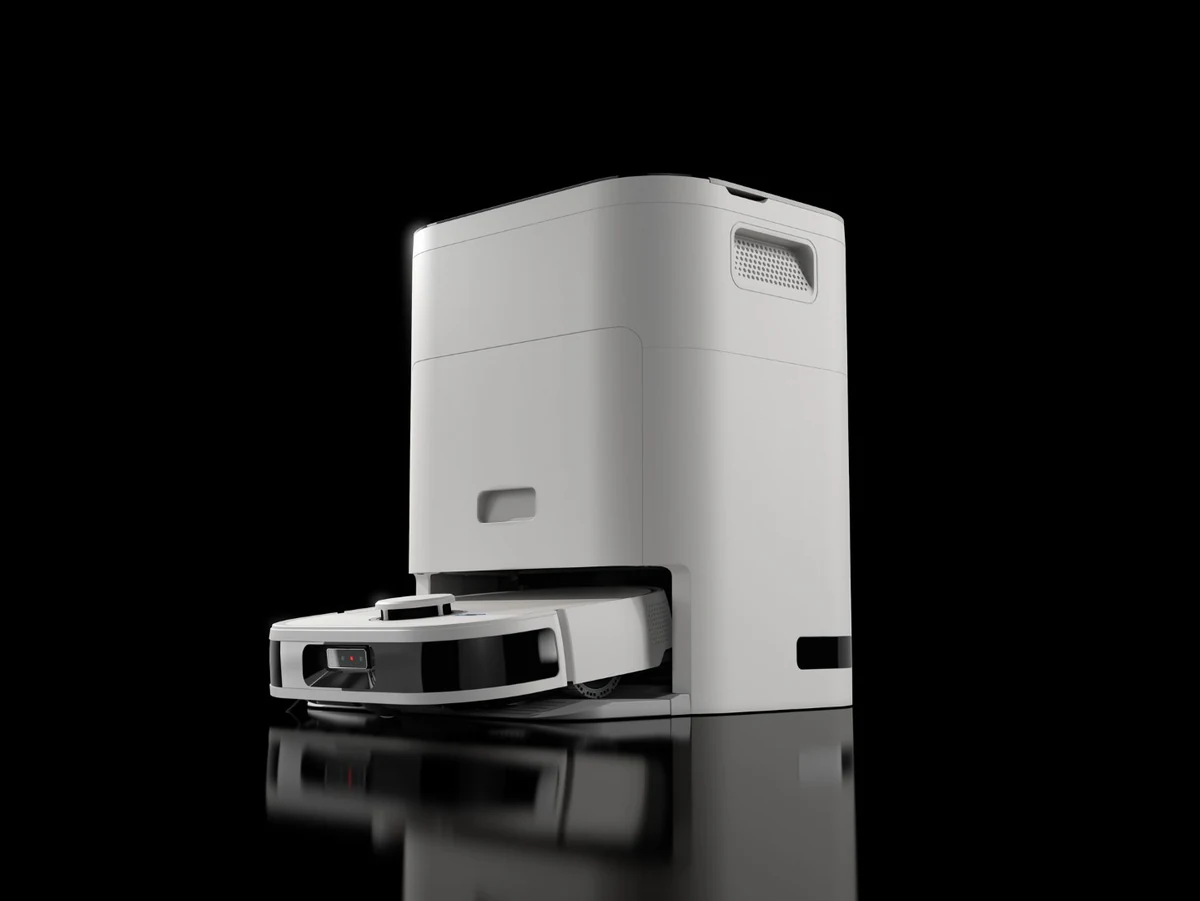
Modelling. The artist builds the 3D geometry, working from CAD data, reference photography, or a physical sample, depending on what accuracy the brief demands. XO3D builds its product CGI stills from CAD files, engineering specifications, material references and product documentation.
Lighting. The scene is lit, either with HDRI environment lighting for a specific mood or season, or a controlled studio setup for a neutral product presentation. Lighting is the single stage most likely to make or break the final image.
Materials and texturing. PBR materials are applied and calibrated to the actual product or building materials, then the scene is rendered.
Post-production. Final colour, contrast, and compositing adjustments are made, and additional elements (context, staffage, environmental detail) are added where they strengthen the scene.
The takeaway
Photorealistic 3D rendering earns its name through physical accuracy: correct light behaviour, physically based materials, and camera-true optics, not through artistic flourish.
Applied with that discipline, it now stands in for photography across product marketing, architecture, interior design, and real estate, wherever the brief needs a level of control a physical shoot can’t offer.
Start the conversation
Have a product worth showing?
We reply to every brief personally, usually within one working day.
FAQ
Common questions, answered.
What is photorealistic 3D rendering?
A digitally built image constructed to be visually indistinguishable from a photograph, achieved through physically accurate lighting, material response, and camera behaviour rather than illustration or stylisation.
What makes a render read as photoreal rather than obviously computer-generated?
Correct light physics (global illumination, accurate falloff), physically based materials with proper roughness and reflectance values, and camera-accurate depth of field and lens behaviour. Miss any one and the eye catches it, even if it can't say why.
Where is photorealistic rendering used outside product marketing?
Architectural visualisation (showing a building before it exists), real estate marketing (staging and exterior presentation), and interior design (testing material and layout decisions digitally before committing to a physical build).

Start the conversation
Got a product worth showing? Let’s talk about what it needs to do.
We reply to every brief personally, usually within one working day.