
CGI Product Rendering for Amazon and Ecommerce
TL;DR
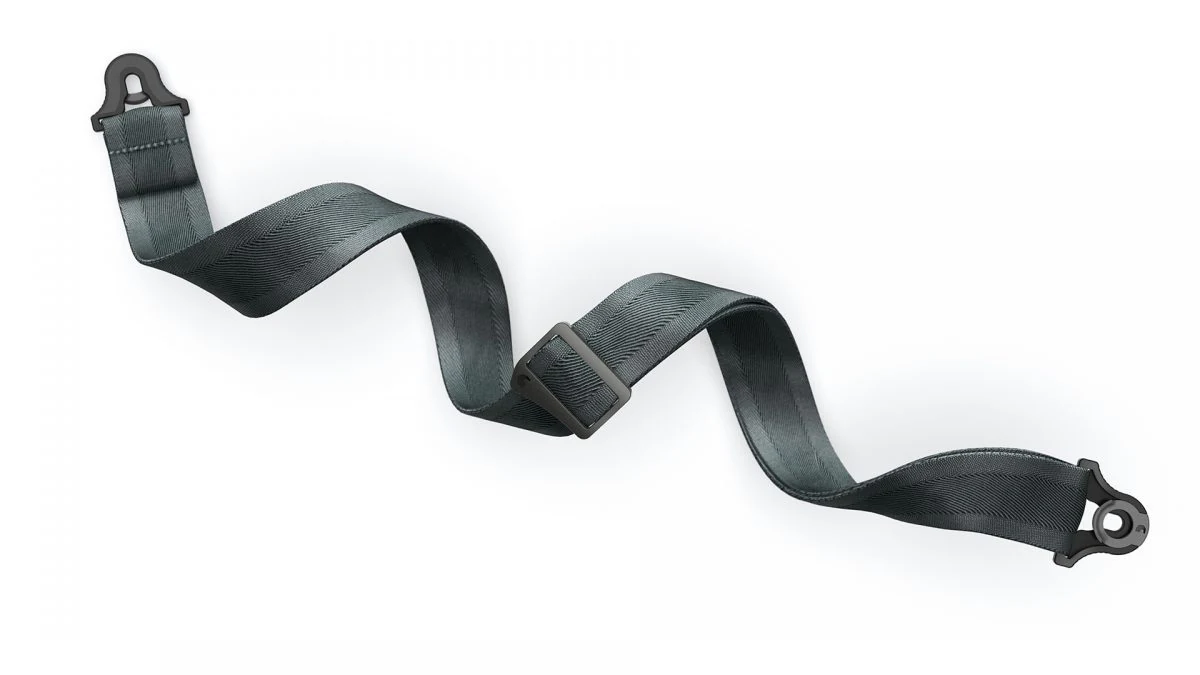
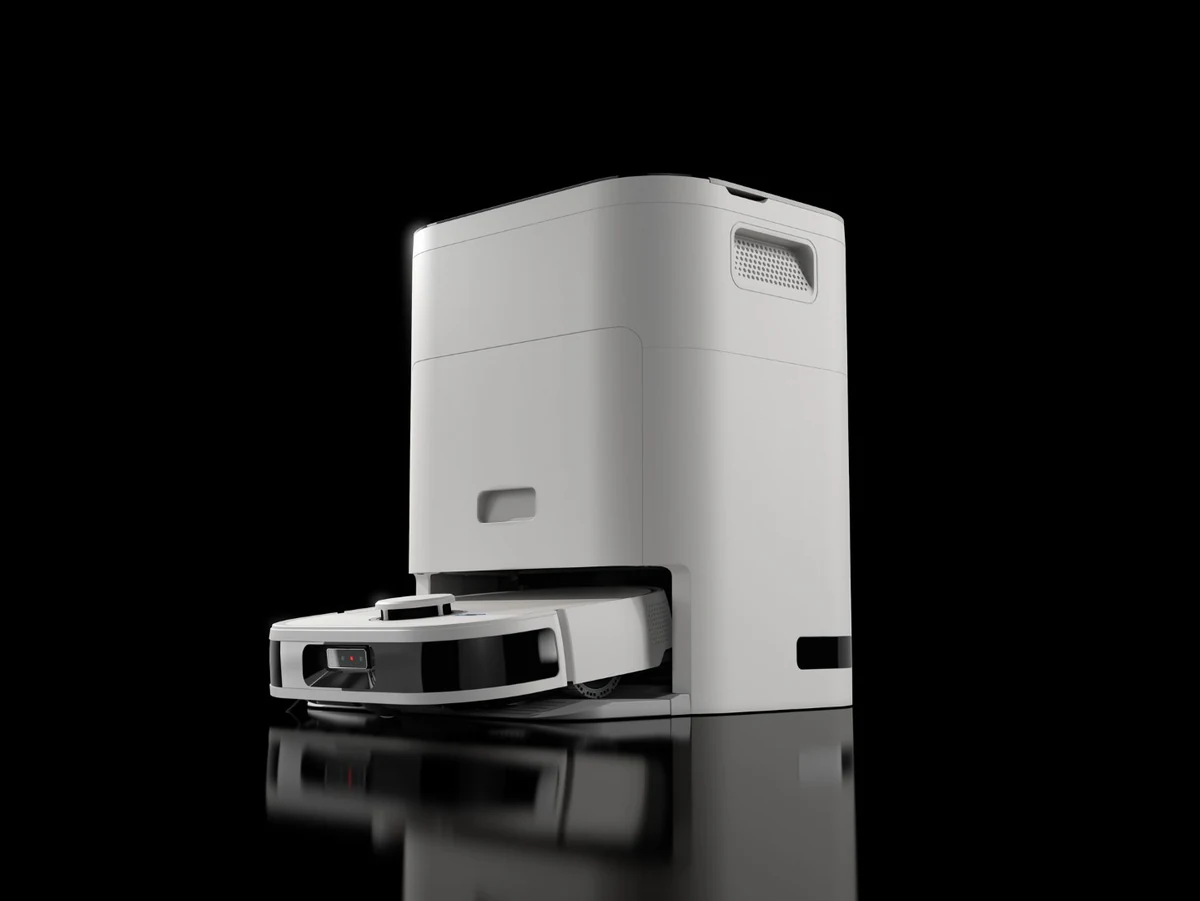
Product rendering builds photoreal Amazon and ecommerce imagery directly from a 3D model instead of a physical shoot, producing every angle, colourway, and lifestyle context from a single accurate source, before a physical sample even exists.
Product rendering builds photoreal Amazon and ecommerce imagery directly from a 3D model rather than a physical shoot. That single difference is what lets it outperform photography on the things a listing actually depends on: angle, consistency, and how early the imagery can exist.
For repeatable white, transparent and soft-shadow ecommerce images across a catalogue, Render Roll is the fixed-scope route.
Why Amazon and ecommerce imagery carries so much weight
A product photograph is the first thing that shapes a shopper’s impression of a listing. It builds trust in the product before a single word of copy gets read, and a blurry or inconsistent image undermines that trust immediately.
As a seller, showing a product from as many genuinely useful angles as possible, without the image quality dropping between them, is what separates a strong listing from a weak one.
What rendering does that a photoshoot cannot
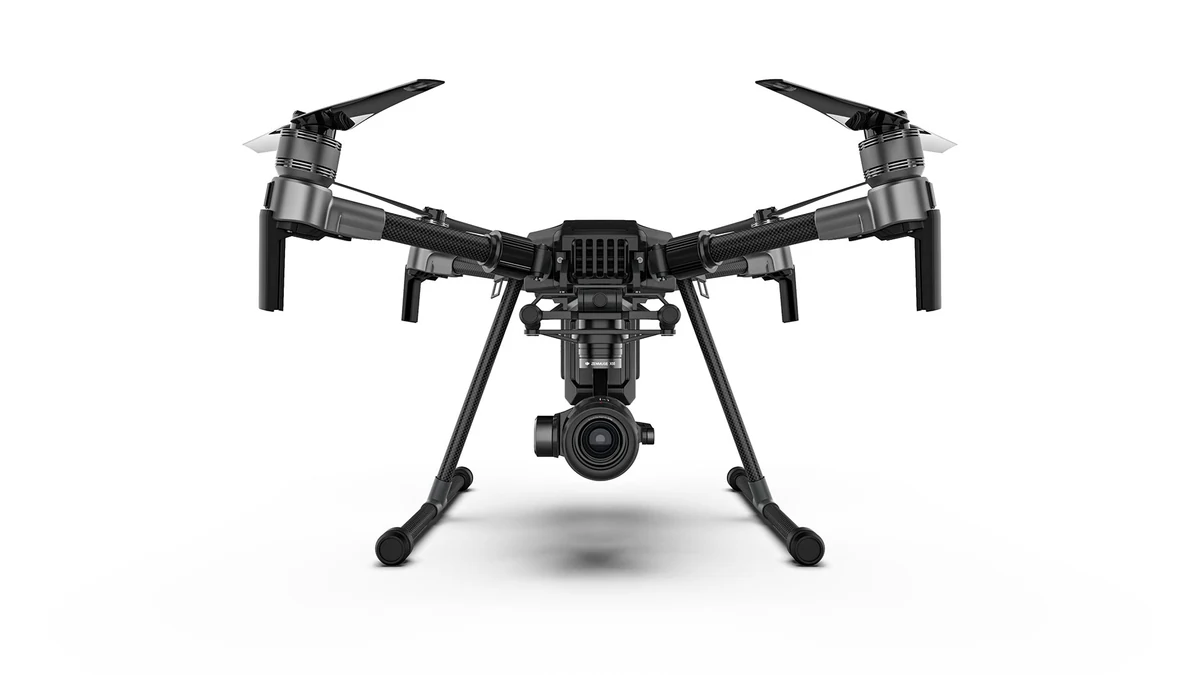
It works before a physical sample exists. A render is built from a product’s engineering or CAD file, not a physical unit. Promotional imagery can be ready the moment a design is locked, well before the first sample comes off a production line, and a product’s photos can be uploaded ahead of arriving at a fulfilment centre.
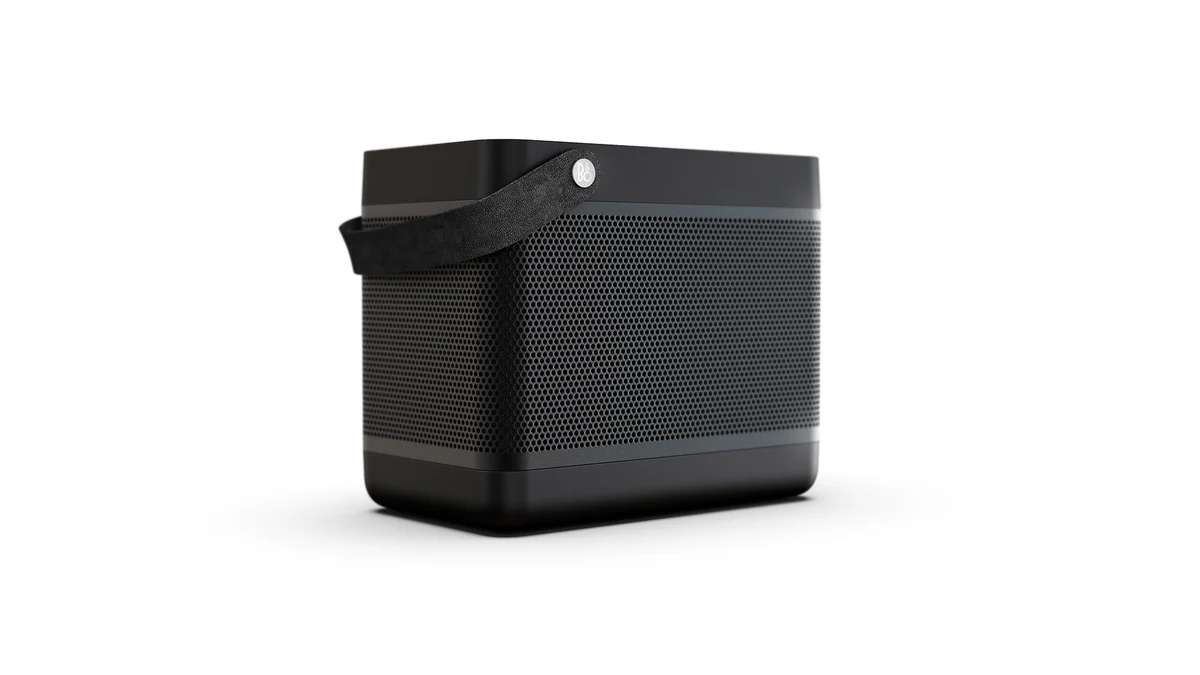
It produces every angle from one source. Complex angle views, zoomed detail shots, and section views all come from the same 3D model. Lifestyle context and clean white-background shots draw from that same source too, so every image in a listing stays visually consistent with every other.
It shows a product’s actual mechanism. A rendered image can reveal internal components and functionality directly through cutaway or exploded views, something a physical photograph simply cannot show without disassembling the product.
It updates without a reshoot. Product rendering shortens the gap between finishing a design and having marketing images ready, because changes happen digitally rather than requiring a new physical prototype and a new shoot.
Product rendering across the funnel
Building the initial listing. 3D product design gives Amazon and ecommerce sellers a full 360-degree view of a product on the page, letting a shopper genuinely inspect it from any angle before buying, which is the single biggest thing a photograph alone cannot offer.
Showing colour and material variation. A shopper choosing between colours or finishes can see every option rendered accurately, because a 3D model supports unlimited material variation without requiring a new physical sample for each one.
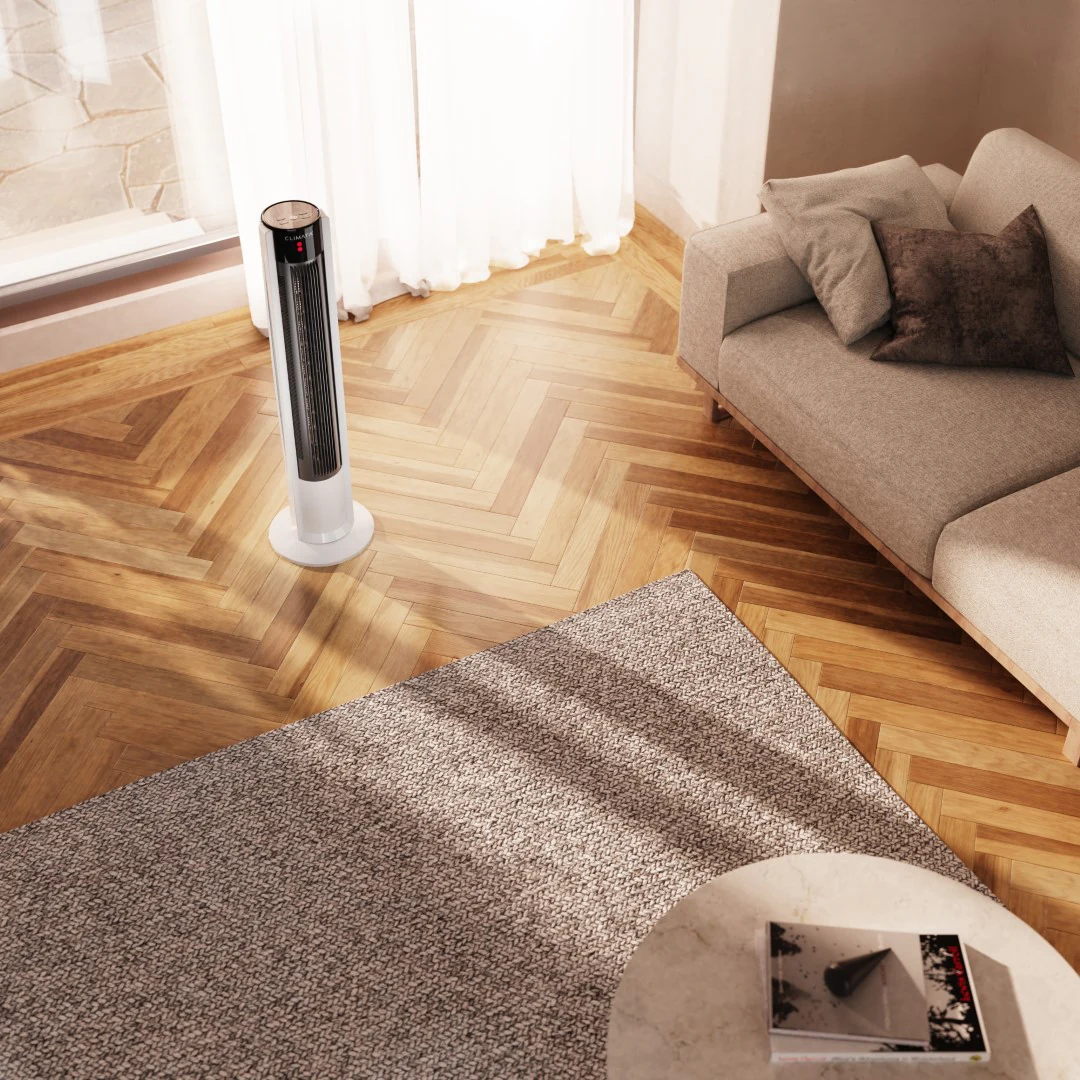
Placing a product in context. A rendered scene can place a product in any environment a brief calls for, indoors, outdoors, or somewhere a physical shoot could never practically go, without needing to physically transport the product there.
Marketing before a product ships. Because rendering works from engineering data, marketing assets can exist before a physical prototype does. A brand can begin building customer awareness around a product’s design well ahead of its actual launch date.
What an Amazon listing actually needs from its imagery
A strong Amazon listing typically runs through a deliberate sequence of images, and each one asks something different of the imagery behind it. The main image needs to isolate the product cleanly, usually against a pure white background, so it reads instantly in a crowded search grid.
Supporting images then carry the weight of persuasion: a clear angle showing scale, a close-up revealing material and finish, a cutaway or exploded view explaining how the product actually works, and a lifestyle shot placing it in use.
Photography can produce some of these individually, but rarely all of them from a single coherent source. A cutaway shot in particular usually means either destructively disassembling a physical sample or building a separate cross-section prop, neither of which most sellers can justify for a single image.
A render solves this directly: the same 3D model that generated the hero shot can be sliced open, relit, and rendered again, with every version staying visually consistent with the last.
Handling materials photography finds difficult
Certain materials are notoriously hard to photograph well: anything glossy or reflective picks up unwanted reflections from the studio itself, dark and matte surfaces lose detail into shadow, and translucent materials scatter light in ways that are difficult to control with a physical setup. A render sidesteps all of this because the lighting environment is entirely synthetic and entirely controllable.
A reflective surface only reflects what the artist places in the scene. A dark material can be lit specifically to preserve its surface detail.
None of this depends on a physical studio’s limitations.
This matters directly for categories like electronics, jewellery, cookware, and anything with a glass or metal component, where getting a accurate, detailed photograph is difficult even for an experienced product photographer.
Rendering supports A+ Content and infographic-style listings
Amazon’s A+ Content module and comparable infographic formats on other marketplaces reward sellers who can explain a product visually rather than purely through bullet points.
Product infographics built from a rendered model can show dimensions annotated directly onto the product, feature callouts pointing to the exact component being described, and comparison layouts placing variants side by side under identical lighting.
Building this kind of content from photography means coordinating multiple shots, then compositing them together in a way that often still looks slightly disjointed because the source images were captured under different conditions.
Building it from a single rendered model removes that inconsistency at the source, since every element in the infographic is drawn from the same lit, textured, camera-matched scene.
Selling across multiple marketplaces from a single source
A seller rarely lists on Amazon alone. Shopify, eBay, and other marketplaces each carry their own specific image requirements: different minimum resolutions, different background rules, different preferred aspect ratios.
Photography handles this poorly, because meeting a new platform’s specification often means an entirely new edit, or in the worst case, a new shoot altogether, of imagery that was never captured with that platform’s requirements in mind.
A rendered product exists independently of any single platform’s specification. Because the underlying 3D model and lighting setup are already built, generating a version that meets a different marketplace’s exact resolution, crop, or background requirement is a render setting, not a new production.
This means a seller expanding from Amazon into additional channels doesn’t need to rebuild their product imagery from scratch for each one, they need to re-render it, from a source that’s already been built once, correctly.
Testing which hero image actually performs before committing
Split-testing a listing’s main image is one of the more reliable ways a seller improves conversion over time, but photography makes this expensive to do properly, since each variant under test typically means a distinct physical setup.
A rendered product removes that constraint: multiple distinct hero image candidates, different angle, different lighting mood, different framing, can exist from the same model without needing separate physical production for each one.
This turns image selection from a single upfront decision into something a seller can actually test and refine based on real listing performance, rather than choosing once during a shoot and living with that choice indefinitely.
The core distinction
The reason product rendering outperforms photography here isn’t about output volume for its own sake. It’s that a render works from the same accurate source every time: one 3D model producing every angle, every material option, every context a listing or campaign needs, all visually consistent because they come from the same place.
Photography has to rebuild that consistency manually with every new shoot. Rendering builds it in from the start.
Start the conversation
Have a product worth showing?
We reply to every brief personally, usually within one working day.
FAQ
Common questions, answered.
What is product rendering?
Building a photoreal image directly from a 3D model rather than photographing a physical object, letting a product be shown from any angle, in any material, without a physical sample.
Why does product rendering outperform photography for Amazon listings?
A render can be generated the moment a product's CAD file is locked, in any colourway or configuration, with cutaway and impossible-angle views photography structurally cannot produce.
Does a product need to physically exist before it can be rendered?
No. Rendering works directly from engineering or CAD data, so promotional imagery can exist before a manufacturer has produced the first physical unit.
Start the conversation
Got a product worth showing? Let’s talk about what it needs to do.
We reply to every brief personally, usually within one working day.