
Dermalux
Flex MD.
A 3D product animation and CGI case study for the Dermalux Flex MD, made for the brand’s marketing: a dark-to-light reveal, close views of the LED panel and a set of cuts and stills from one CGI pipeline.
Looking for a medical device animation studio? See our medical and health technology work.
Hero film
The full hero film.
This work shows the product’s visual form, detail and the agreed creative treatment. The film is not evidence of clinical effectiveness or regulatory approval. This page is not a guide to buying, renting or using the device.
The glow of the LED array is an artistic rendering of light, not a measurement of the device’s output. Approved device information, and the review of any clinical or regulatory wording, sit with Dermalux.
The Brief
Dark, mysterious, then a clean reveal.
Dermalux is a British brand for professional LED Phototherapy, operating in the medical and health technology sector. Medically certified, clinically proven and backed by science. They approached us to produce high-end 3D animations across their consumer product range, starting with the Flex MD.
The brief was to create premium-quality CGI for marketing and promotional campaigns, animations that spotlight each product’s attributes, design and functionality, opening with dark, enigmatic environments before resolving into clean reveal shots.
The creative problem was a premium marketing visual language for the Flex MD. The answer was a dark-to-light reveal and detailed views of the LED array. What the project delivered: a hero animation, close-ups, paired wide treatments in light and dark, inner and outer logo cuts, a greycard-to-final process reel and stills, all from one CGI pipeline.
Project answer
Why use CGI for this project?
- What we made
XO3D created premium 3D animation for Dermalux's Flex MD professional LED phototherapy product.
- Why CGI
CGI provided precise control over photoreal LED emission, macro product detail and the dark-to-light reveal language required across the range.
- What was delivered
Dermalux received a hero reveal, LED close-ups, logo-led cuts, wide compositions, process passes and stills for web, social and print.
Film gallery
See this project in motion.
The Work
From cinematic reveal to LED macro detail.
A complete CGI library for the Flex MD launch, hero reveal, light and dark wide shots, brand-led logo bumpers and a continuous zoom-out from macro LED to full product context.
Dark to light, a cinematic product reveal.
The headline cut opens in shadow and resolves into a fully-lit hero shot of the Flex MD. Built around the brand’s dark, clinical aesthetic, it sets the tone for the entire Dermalux animation suite.
A fully-lit hero composition.
A wide, brightly-lit shot demonstrates the Flex MD’s form and surface finish at its best, a versatile master asset for product pages, decks and key-art applications.
The same hero, in a darker visual language.
A dark-mode counterpart of the wide hero, used to anchor moodier campaign moments and on-site environments where the brand leans into its premium medical-tech feel.
From macro detail to full product context.
A continuous zoom-out from the LED panel resolves to the full Flex MD silhouette, communicating scale, build quality and the precision behind the panel array in a single move.
Brand-led intro cut, inner detail.
An inner logo treatment used as a bumper for the broader Dermalux animation suite, quick, brand-forward and easy to chain in front of any product shot in the library.
Brand-led intro cut, outer reveal.
The matching outer logo cut, designed to live alongside the inner reveal as a paired set, the kind of detail that makes a brand feel premium across every touchpoint.
The asset library
What each clip shows.
The films and stills on this page, with what each one shows and the visual decision behind it. Paired clips are versions of one shot.
| Asset | Type | What it shows |
|---|---|---|
| Dark to light | Film | The hero reveal. The scene opens in shadow and resolves to the lit product, the treatment the brief asked for. |
| Wide, light and wide, dark | Film, paired variants | One wide composition in two treatments: a pale shell on a bright set, and a dark shell with a pink glow. Two versions of the same shot, not two campaigns. |
| Zoom out | Film | A single move from inside the lit arch out to the whole product, linking close detail to overall form. |
| Logo, inner and outer | Film, paired set | Two short brand cuts: the Flex wordmark on the inner headrest, and the Dermalux name on the outer base. |
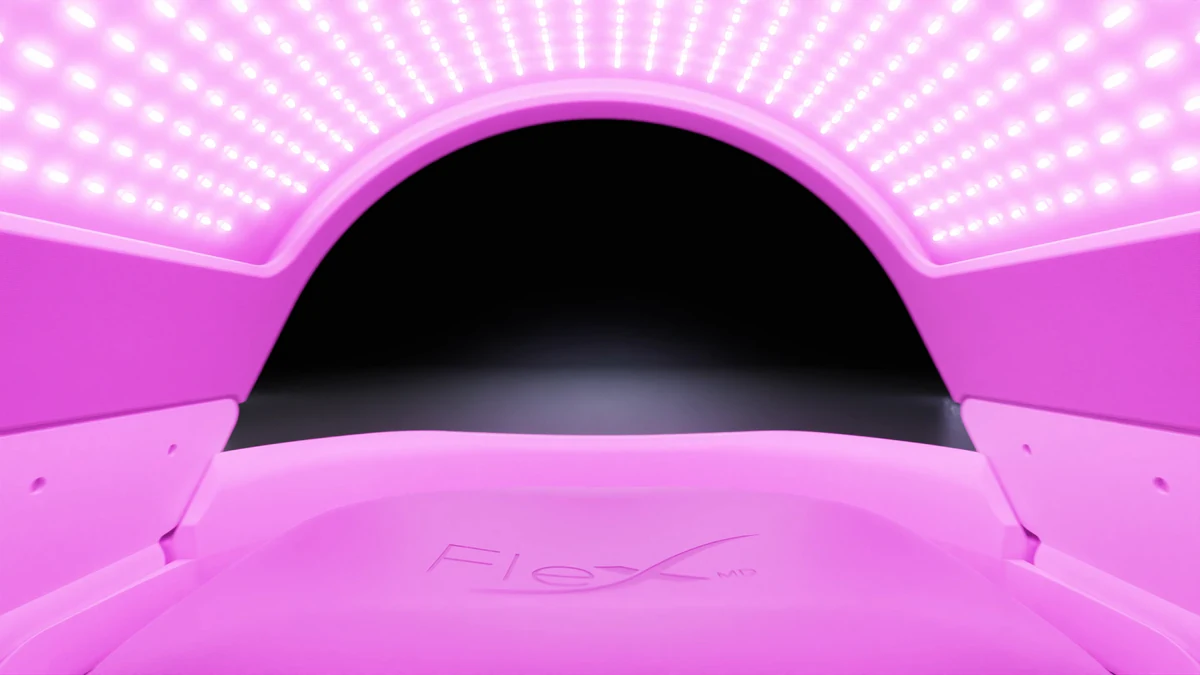
| Pink LED focus | Still | A close view of the lit LED panel, made from the same CGI source as the films. |
| Greycard to final | Process reel | Wipes from grey review renders to finished frames. It includes shots of another device from the Dermalux range as well as the Flex MD, so it is process evidence, not a Flex MD deliverable. |
Marketing-Ready Stills
Macro LED detail, pink emission close-up.
Photoreal stills produced from the same CGI source as the animation, ideal for paid social, product pages and brand campaigns where the LED array needs to land.
The decision behind the light
The product light leads the scene.
The studio commentary above sets one lighting rule: the light from the product is the main source in the scene, and the surrounding colour accents follow it. The LED materials were emissive in the 3D scene, so the lit array is part of the material set-up rather than a glow added afterwards.
The close-ups and the wide shots do different jobs. The close-ups show the panel and its surfaces in detail. The wide shots show the overall form of the device in a light and a dark setting. These are creative production choices, not measurements of the device.
The same rule runs through the Flex Mini and Compact MD films. Each is its own project with its own case study.
Process
Greycard to final, locking the look.
The animation was reviewed in two stages. First, motion, framing and pacing were checked in greycard, as untextured grey renders. Then the finished lighting and look development were added. The greycard review settled the film’s composition and movement; it was not an approval of the device or of any medical wording. The reel below includes shots of another device from the range.
Planning a similar film
Three questions for your brief.
- Which physical detail of your product matters most to the viewer?
- What approved source exists: CAD, drawings, photographs or a sample?
- Who signs off product information and any claims on your side?
Bring the answers to the product CGI brief template, read how we approach product CGI films, or discuss a similar project.
Credits
The team behind the work.
Your next project
A brief of your own.
Use the Flex MD project as a reference for the decisions you want to discuss. Identify the product detail, camera treatment or explanation that matters to your own audience, then scope the new work around your product.
A route to consider
Product CGI Films
A product film developed through creative treatment, storyboard, animatic, product review and final picture and sound.
Bring these three things.
- What is useful about the Flex MD reference?
- What is different about your product?
- Where and when does the work need to appear?
Start with an outline. We review the product, intended outputs and timing before agreeing the production scope.
Related work
More from the studio.
Dermalux
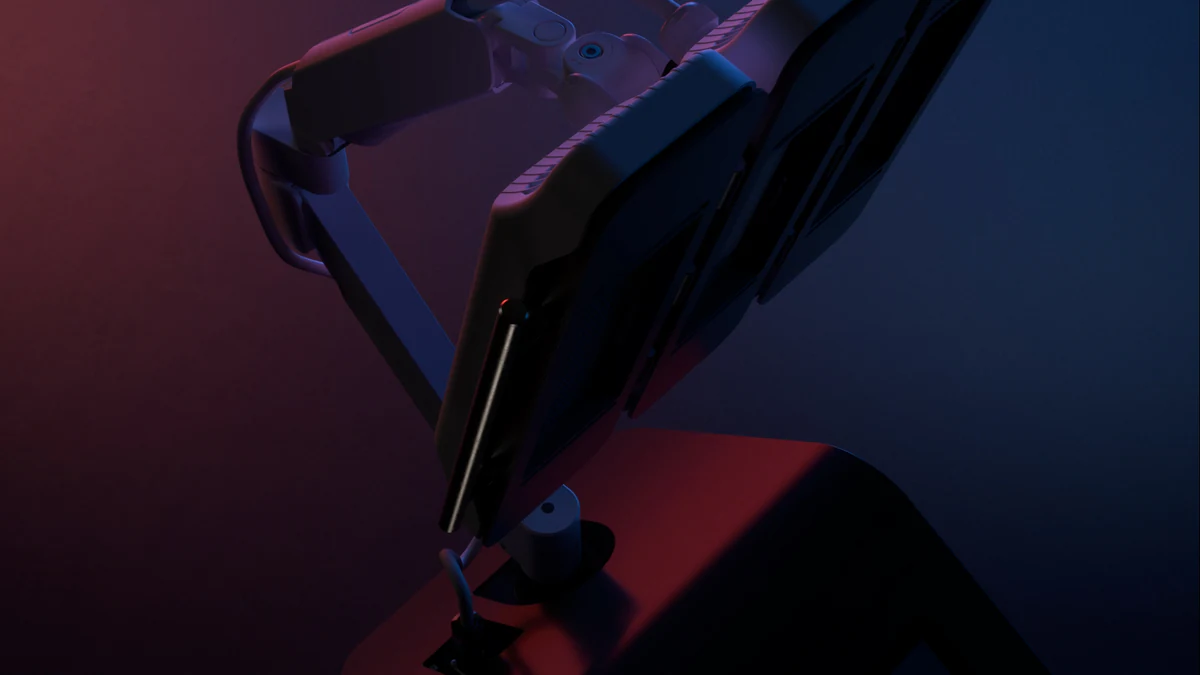
XO3D produced a medical product film library for Dermalux’s Compact MD LED phototherapy device.
View case study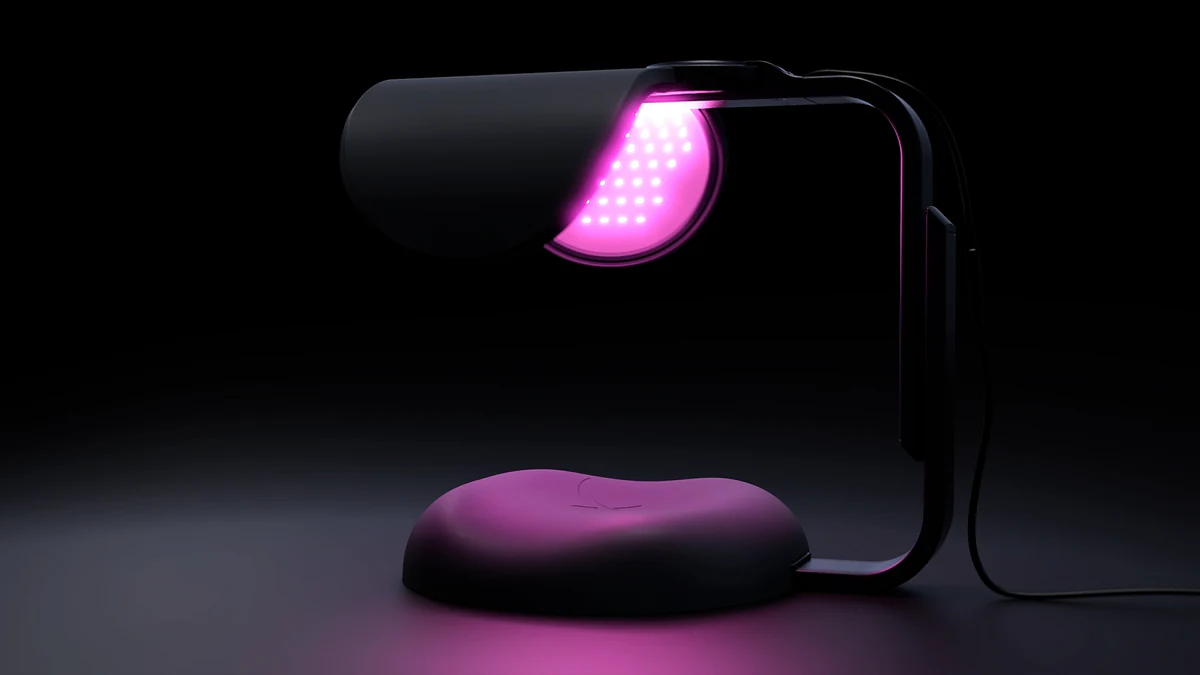
Dermalux
XO3D built a cinematic CGI launch library for Dermalux’s Flex Mini LED phototherapy device.
View case study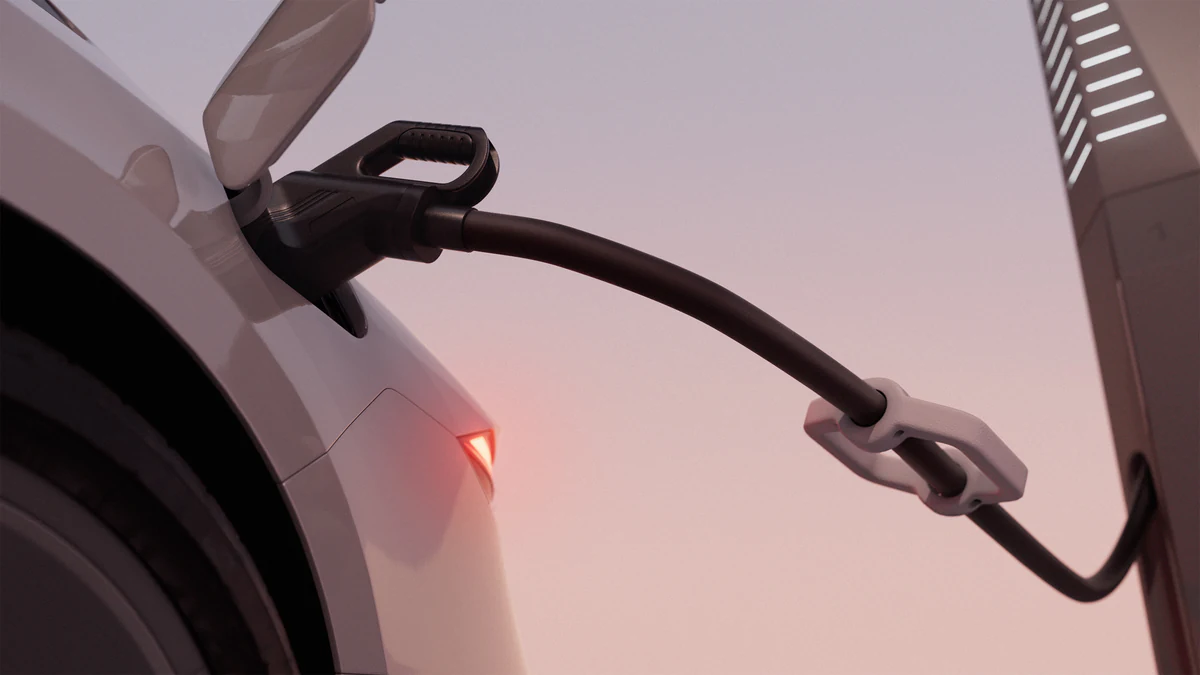
Petalite
XO3D created investor-ready animation and CGI for Petalite’s 1MW electric-vehicle charging system from evolving CAD.
View case study
What challenges were there during production?
Studio Commentary.
The Flex MD’s defining feature is its LED array, and the realism bar from the client was high.
Jack Robertson, the 3D artist who worked on these films, describes the lighting rule shared by the Flex MD, Flex Mini and Compact MD: the product light was the main source within the scene, with the surrounding colour accents following it.
The LED materials were emissive in the 3D scene, so the lit array was part of the material setup rather than relying on a glow effect alone. The dark and light treatments show how that same product feature carries the visual direction.
An iterative, well-documented revision process kept the storyboard tight while still leaving room for client feedback as the brand language evolved.