XO3D Studio · Industry
Product CGI for Medical & Health Technology.
XO3D communicates product form, materials and approved features clearly for the people who need to understand them.
Medical and health technology imagery needs a clear intended use. Establish the audience, product version and approved messages before selecting shots. Keep physical device explanation separate from claims about clinical performance.
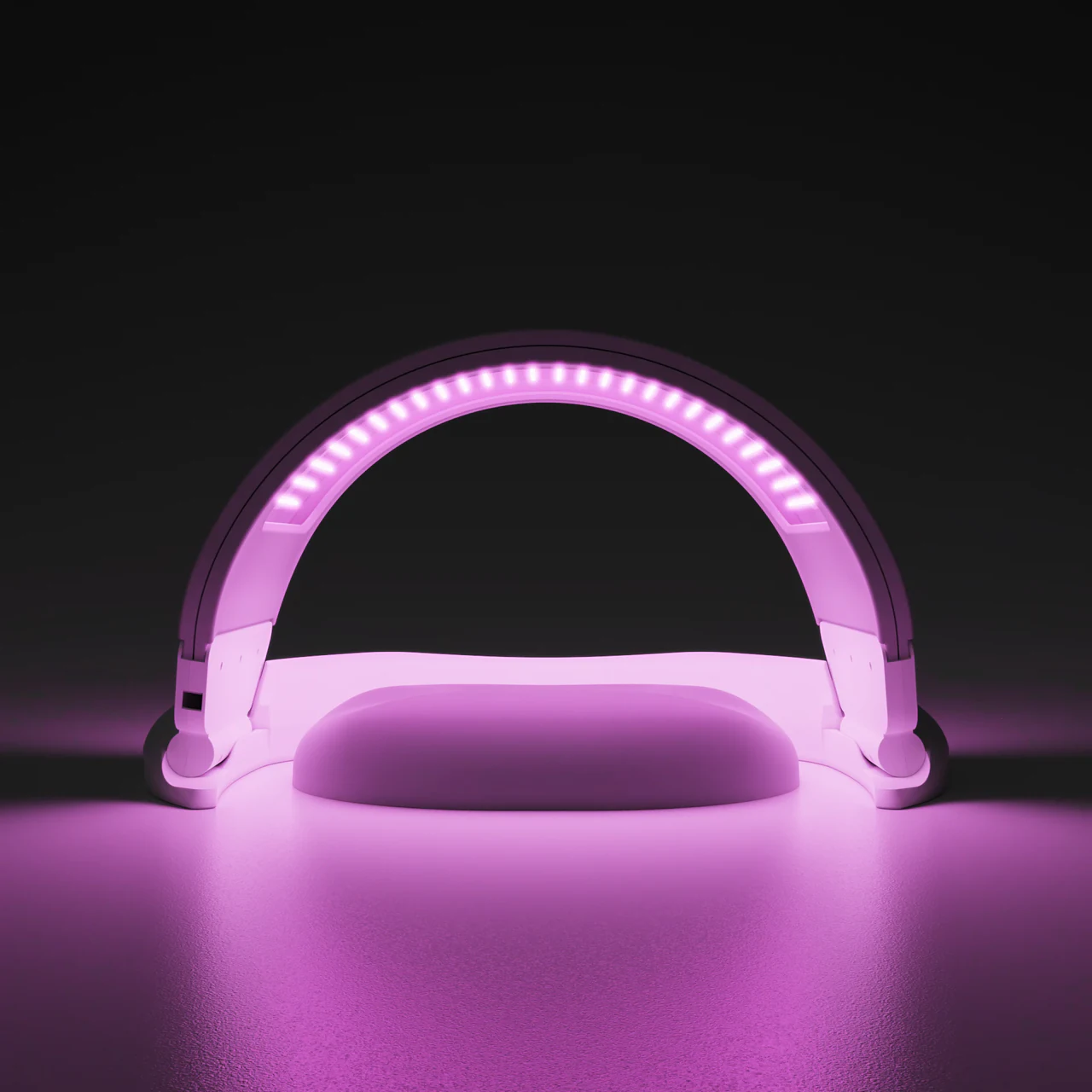
The published Dermalux work shows product CGI for LED phototherapy devices, including Flex MD, Flex Mini and Compact MD. Explore the case studies for the actual films and stills.
Explore the product CGI stills and technical CGI services that underpin our medical work. Device models are built through our 3D product modelling service.

The sector challenge
What medical and health tech CGI demands.
Product details reviewed with your team
Agree the product reference, intended audience and approved claims. Device geometry, labels and operation should be reviewed by the people responsible for the product. A visual review is not clinical or regulatory validation.
A clear visual story for the intended audience
Medical devices sold in consumer channels, wellness technology, aesthetic devices, wearable health products, also need to compete visually with premium consumer electronics and beauty brands. The clinical credibility cannot come at the cost of the visual desire that drives consumer purchase decisions.
Featured work
Dermalux, LED Phototherapy Devices.
Explore the published Dermalux device films and stills. The work demonstrates physical product communication and material presentation; it is not evidence of clinical efficacy or regulatory approval.
- Dermalux Flex MD
A dark-to-light reveal of the device, close views of the lit LED panel, and a set of cuts and stills from one CGI pipeline.
- Dermalux Flex Mini product animation
A film that opens in shadow and turns to show the LED array, with multi-angle rotations, close detail and short marketing cuts.
- Dermalux Compact MD
A reveal in a dark set, close views of the LED panels, a sequence on the movable head and a greycard-to-render process clip.
Each case shows creative production for marketing, not a treatment, an outcome or a regulatory status. Watch the Compact MD product film, a 36-second animation of the device’s form and LED panels.
Who the imagery is for
One device, different questions.
Different viewers need different answers from the same product. Agree the audience first, then the visual that answers its question, then who approves it. The rows below are illustrative communication needs. They are not a statement that any one device is sold to all three audiences, and they do not depict clinical use or patient outcomes.
| Audience | Question | Visual to scope | Review owner |
|---|---|---|---|
| Distributor or sales team | Which device is this, and how does it differ from the rest of the range? | A clean hero view and a range line-up with consistent light and camera | Client product owner |
| Practitioner | Where is an approved control, and how does the arrangement move? | Close views of the approved controls and a short sequence on the adjustable parts | Client product owner, with its qualified reviewer for any operating wording |
| Marketing team | Do we have one consistent product view for every channel? | A master set of angles and crops agreed before variants are made | Client marketing lead, with the product owner |
The product owner decides the approved content and names the qualified reviewers for each audience.
Before production
What to send for product review.
- The current device revision, and any parts that may still change
- Source geometry (CAD) or drawings
- Approved dimensions
- Labels, markings and screen states as they will ship
- Material and finish references
- Intended channels and formats
- The approved claims that will sit beside the imagery
- Named reviewers for product information and for claims
Two sign-offs run side by side. Visual sign-off checks how the product reads in the frame. Product and claims sign-off checks that the information shown is correct and approved, and it stays with your team. The files you supply and the project brief decide what can be shown and how; no independent accuracy check or clinical validation is implied.
Review source and delivery standards, prepare the brief or explore technical CGI for product explanation.
FAQ
Medical CGI questions.
What does medical device CGI animation cover?
Do you work with medical device regulatory requirements?
Can you produce imagery for both clinical and consumer channels from the same project?
Do you sign NDAs for medical device projects?
Start the conversation
Working on medical or health technology CGI?
Tell us about the device, the audiences it needs to communicate to, and what the imagery needs to achieve. We'll tell you how we'd approach the dual-audience challenge.