XO3D Studio · Trust and security
Your product,
before the world
sees it.
Most of what arrives here is unreleased. CAD for a product still in development, a mechanism nobody outside the engineering team has seen, a launch that is months away. This page sets out how that is handled, in plain terms, so a procurement or product team can check rather than ask.
In practice
How your work
is handled.
Nothing below is aspirational. It is what happens today, and where the honest answer is "it depends on what you require", it says so.
Confidentiality agreements
An NDA is signed whenever your organisation requires one. We review what you send before signing rather than returning it unread. If you have no NDA ready, we supply ours, so a confidentiality agreement is never the thing that delays a brief.
Getting files to us
Most CAD, drawings and references arrive through Dropbox, OneDrive or WeTransfer, whichever your team already uses and has already cleared. Where a client will not use a public file-sharing service, we work to the route they specify instead. That has included physical media delivered by hand.
Where the work sits
Live project work is held in Microsoft SharePoint and OneDrive. Access is limited to the assigned project team rather than open across the studio, so the people who can open your files are the people working on your brief.
Review without public links
Work in progress is reviewed through Frame.io and equivalent tooling, with links scoped to named client email addresses. We do not publish public review links, and we do not circulate work in progress outside the people you have named.
Unreleased product
When a product is unannounced, nothing leaves XO3D's studio network. That is the default rather than something you have to request, and under a strict agreement it extends to the 3D models themselves, which stay inside the network for the duration.
Insurance
XO3D Ltd holds public liability and office insurance. Certificates are available on request for procurement or supplier onboarding.
The part most studios avoid
Who else
touches it.
XO3D works with a trusted network of freelance artists alongside the studio team, and a brief may need that support. We would rather state it than let you assume an entirely in-house team and find out later.
Written confidentiality is in place before anything is shared with anyone outside the studio. Under a strict agreement, the models do not leave the studio network at all, which means the external contribution happens inside our environment or not at all.
If your project needs a condition that no external contributor is involved, raise it when you brief us. We will tell you plainly whether we can meet it for the scope and timeline you need, rather than agreeing and working around it.
Generative AI
Where generative
tools sit.
Every asset XO3D delivers is built from your CAD or modelled by hand in the studio, then lit, rendered and graded in our own pipeline.
Generative tools have one place in XO3D's process. At concept stage, before any geometry is built, we sometimes use them the way a director uses a mood board: to explore lighting direction, environment and mood with the team and with you. Those images are references for a conversation. They are not a deliverable, they are not traced, and no part of them reaches a final frame.
That distinction is the whole argument. A frame rendered from a controlled 3D scene can be versioned, corrected, and carried into the next deliverable, and it matches your product because it was built from your product. An image model cannot give you that. We set the reasoning out in full in our guide on CGI versus AI-generated product images.
If your brand requires that no generative tool touches any stage of your project, including concept, tell us at brief and we will work that way.
Retention
How long we
keep it.
Your finished work does not expire. Completed projects are retained indefinitely rather than for a fixed window, and every archived project is held in at least two encrypted copies on our own infrastructure rather than a third-party service. When a client comes back to a product two years on, the models, materials and lighting setups are still there to build from.
Once a project closes, the work moves out of SharePoint and OneDrive into our own archive, where it is held in at least two encrypted copies.
- Deleted on request
- If you ask for your source files and working data to be removed, that can be done. What remains is the legal and accounting record of the project, which we are required to keep.
- Published only by agreement
- We may show completed work as a case study unless we have agreed otherwise in writing. Where a product is unreleased, the work is held until you confirm it can be shown, and on some projects it is never shown at all.
Rights
What you own
at the end.
On full payment, the delivered work is yours: the final films, the stills and any 3D model commissioned as part of the project, for your own commercial use, with no restriction on medium, territory or duration.
Our production files stay with us. Those are the scene setups, rigs, lighting, render configurations and any proprietary tools behind the output, and they are the studio's working method rather than part of the deliverable. Where you genuinely need them, that can be agreed and quoted before work begins.
The full position is set out in our terms and conditions, clauses 8 to 10.
Related
Where to
go next.
Common questions
Answers for
procurement.
Do you sign NDAs?
Yes, whenever your organisation requires one. We review your NDA before signing rather than returning it unread, and if you do not have one ready we supply ours. Confidentiality obligations in our standard terms are mutual and survive the end of the project.
How should we send confidential CAD and product data?
Through whichever route your team has already cleared. In practice most files arrive by Dropbox, OneDrive or WeTransfer. If your organisation will not use a public file-sharing service, tell us at brief stage and we will work to the route you specify. We have accepted physical media where that was the requirement.
Who inside XO3D can see our files?
The assigned project team. Live work is held in Microsoft SharePoint and OneDrive with access scoped to the people working on your brief, rather than open to the whole studio. Everyone at XO3D is under the same confidentiality obligations regardless.
Do freelancers or subcontractors ever see our product before launch?
Sometimes, and XO3D would rather say so than imply an entirely in-house team. XO3D works with a trusted freelance network and a brief may need that support. Written confidentiality is in place before anything is shared with anyone outside the studio. Under a strict agreement, models do not leave the studio network at all. If you need a condition that no external contributor is involved, raise it at brief stage and we will tell you plainly whether we can meet it.
How long do you keep our files, and can you have them deleted?
Completed projects are retained indefinitely, in at least two encrypted copies on XO3D's own infrastructure, so a returning brief can build on work you have already paid for. If you want your source files and working data deleted, ask and it can be done. Only the legal and accounting record of the project is retained after that.
Have a specific requirement
Tell us the
condition.
If your organisation has a security, confidentiality or supplier requirement we have not covered, send it over and we will tell you straight whether we can meet it.
Ask us about a specific requirementYour next project
Agree the handling before sharing files.
Start with a non-confidential outline of the product and required work. Confirm the appropriate arrangements for sensitive source material before sharing CAD, unreleased designs or restricted documents.
A route to consider
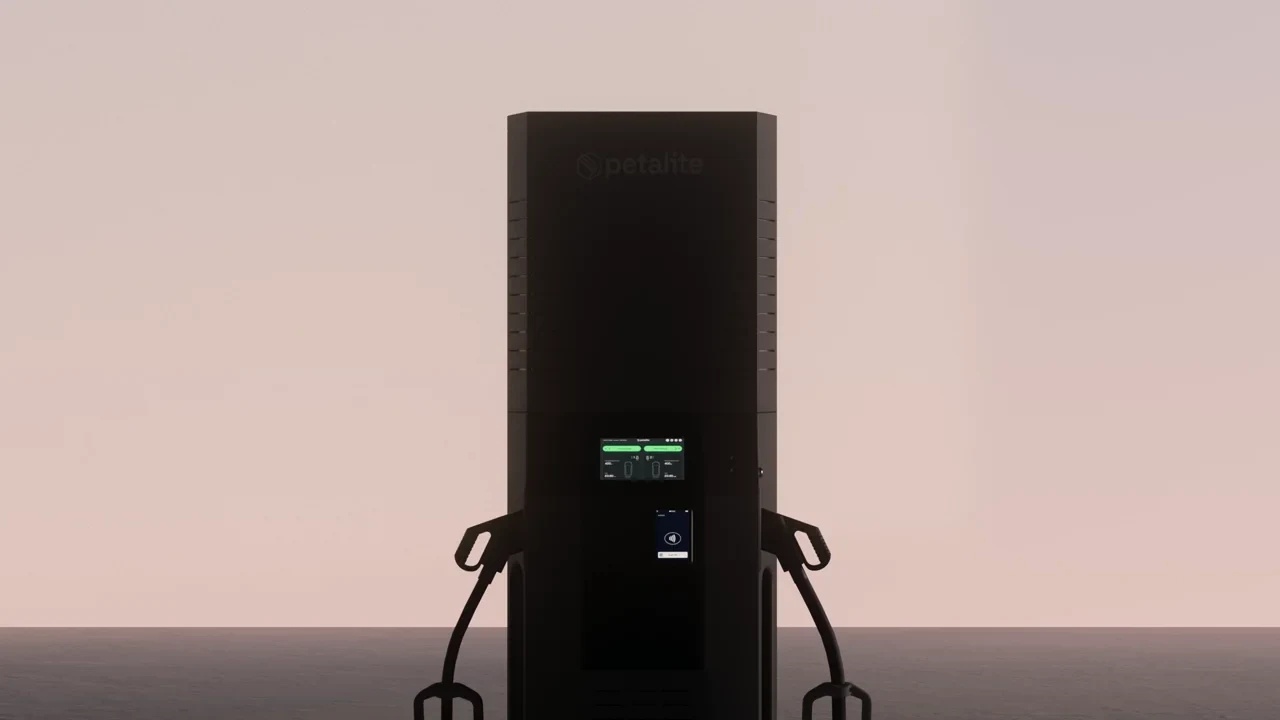
Launch Visuals
A directed launch suite: film, stills and channel versions, scoped around the product story and release plan.
Bring these three things.
- What type of source material is involved?
- Who may review it?
- What arrangements need confirming before handover?
Start with an outline. We review the product, intended outputs and timing before agreeing the production scope.