
XO3D
The product asset and the visual layer
The accurate build made from your CAD, the materials, the colour values, the creative direction, and every rendered or real-time derivative produced from it. This is the layer everything else displays.
XO3D Studio · Delivery and integration
XO3D delivers three things into your environment: the final files, a production-ready 3D model, and where the brief calls for it, a built interactive or AR experience. How that reaches a live site varies by project. Sometimes our in-house developers build and embed it. Sometimes your team implements from what we deliver. What stays with you, by design, is the commerce platform, CPQ, CRM and analytics, because a studio should not sit in the middle of a system it does not operate.
Four honest routes
There is no single correct answer here, and a studio claiming otherwise is selling rather than advising. This is how the four routes actually compare.
The experience itself is the deliverable, or your front-end team has no capacity for it.
XO3D has in-house web development. We build and run our own estate, including the Labs tool platform, its embeddable widgets and its account layer. Where a brief needs the interactive built rather than just the asset supplied, that work can sit with us.
You own the platform and the design system, and the 3D asset is what you actually need.
XO3D delivers the model and agreed outputs to your specification and your team takes it from there. This is the cleanest boundary and it is the right answer more often than studios like to admit.
A configurator or product module already exists and needs assets to a defined spec.
XO3D produces to the spec their platform requires. The vendor keeps the integration they built and support, and nobody ends up maintaining a system they do not operate.
The CGI is one part of a wider campaign or site build somebody else is leading.
We work to the creative direction and the delivery schedule already agreed, with the handoff and approval owners defined before production starts.
The boundary
XO3D takes the 3D, the interactive and getting it live, including web build where that is the right route. Three things stay on your side, and not because we cannot reach them.
A stated edge is worth more than an open offer. It means the scope you agree is the scope that gets delivered, and nothing important is left sitting between two suppliers who each thought the other had it.
On the measurement side of that boundary, what to measure and who owns it sets out the primary measure worth agreeing for each kind of commission, and what a studio can and cannot see.
The stack around the asset
A 3D commerce programme is rarely one supplier. It is a stack, and most of the argument about who does what is really an argument about which layer somebody is standing on. This is where we stand, and where we do not.
XO3D
The accurate build made from your CAD, the materials, the colour values, the creative direction, and every rendered or real-time derivative produced from it. This is the layer everything else displays.
A platform, or your developers
Variant logic, rules, pricing display and the interface a buyer actually uses. We produce assets to the specification that layer requires rather than rebuilding it.
Threekit, 3D Cloud by Marxent, Cylindo, Emersya, Expivi and Vectary all operate in this category.
A platform, or your stack
Where a model or a spin is stored, optimised and served to a browser at the size and speed a page can carry.
Sketchfab and Sirv operate here. Matterport sits adjacent, capturing spaces rather than products.
Your systems
Quoting, pricing rules, product records and the commerce platform itself. These are operational systems tied to your business, and a visual studio has no business inside them.
Your stack
What the work is judged on, and the data that judges it. We can say what to measure and what good looks like. The reporting stays where the data lives.
Those platforms are named so you can place the work, not because XO3D has a relationship with any of them. We are not a partner, a reseller or an accredited implementer of any platform, and we do not claim to be. Where your brief needs one of those layers built rather than supplied to, the honest answer is usually that the layer's own vendor or your developers should own it, and we should own the asset inside it. How that split works in practice is on product interactives, and the wider supplier-model comparison is in choosing a 3D content partner.
Most projects
On the majority of briefs, integration means a delivery your team can use immediately. That is a specification question, and it gets settled at brief stage.
Meeting a retailer or marketplace specification is part of the deliverable, not a separate project. See CGI for ecommerce for how hero, silo, lifestyle and detail imagery is built for product detail pages and retailer listings.
Interactive and AR
A viewer, configurator or AR model has to run somewhere, load fast enough on your worst-case device, and survive your site's content security policy. Those are the questions that decide feasibility, and they are worth asking before anyone builds anything.
XO3D builds and runs embeddable experiences on its own platform, so the delivery route is not theoretical: the Labs tool platform includes a published embed system and widgets designed to sit on third-party sites. On client work the route varies, and hosting on our side can be arranged where it is genuinely the better option.
For what each interactive format supports and when it is worth doing at all, start with when do you need interactive 3D, then Product Interactives and Product AR.
Choose the right route
Before you brief
It varies by project and it is agreed before production. XO3D has in-house web development and can build and embed the experience. Equally, if your team owns the platform and the design system, we deliver the 3D asset and outputs to your specification and your developers implement. What decides it is usually who owns the surface it runs on and what front-end capacity you have.
Delivery is a file handoff or a built and embedded experience, produced to whatever specification your systems require. XO3D does not write into your product data or asset management systems, and would not recommend a supplier who offered to. Meeting a retailer or marketplace specification, including specific requirements from retailers such as John Lewis, AO.com or Currys, is a standard deliverable requirement rather than a separate integration project.
No, and that is deliberate. Measurement belongs where your data already lives, in your analytics, your commerce platform and your CRM. We can advise on what to measure for a launch and what a reasonable result looks like, and the reporting stays yours. A studio that owned your measurement would be reporting on its own work.
Where hosting on our side is genuinely the right route it can be arranged and has been done. More often the better answer is that the experience lives on your infrastructure, because that is where your uptime, your security review and your support arrangements already are. Worth deciding at brief stage rather than at delivery.
A named technical contact, the platform and page it needs to run on, any performance or file-size limits your site enforces, your supported browsers and devices, and who signs off the implementation. Where an embed is the route, we also need to know any content security policy restrictions that would block it. Resolving those before production is faster than discovering them at launch.
Start with the setup
Tell us the platform, who owns the front end, and what the experience needs to do.
Talk through your setupYour next project
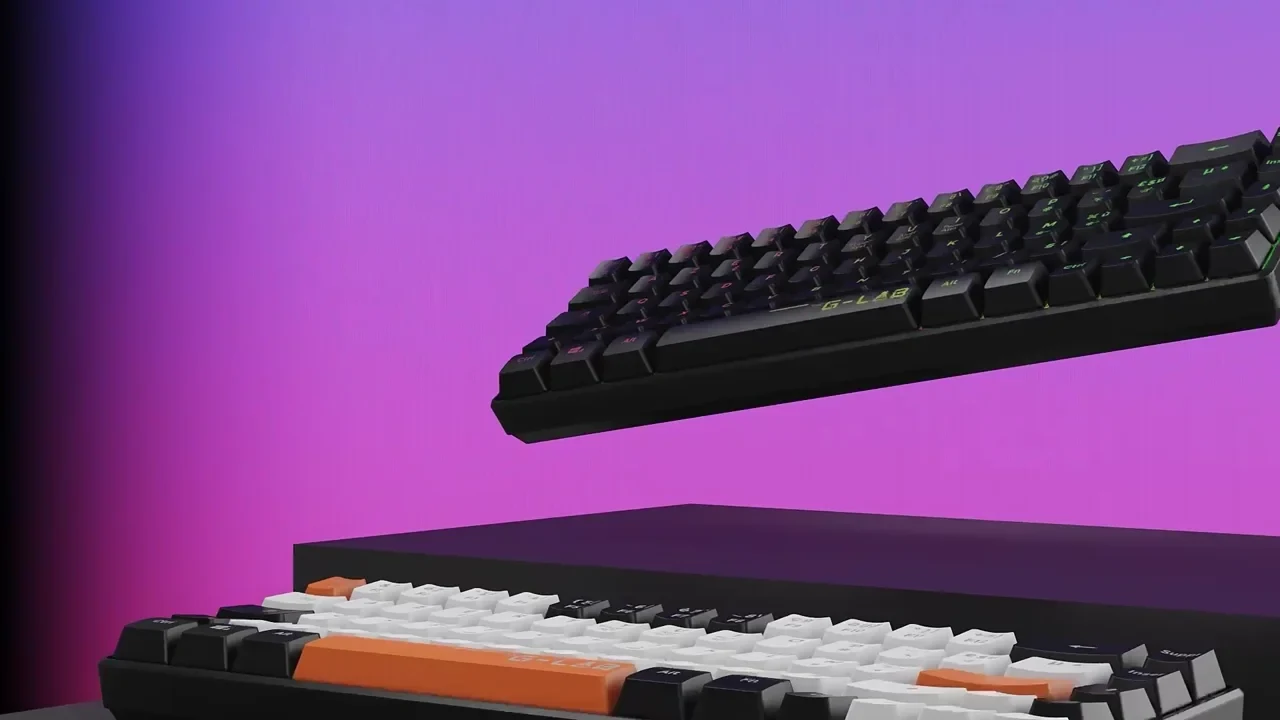
A successful integration needs a host platform, supported devices, asset requirements and a named implementation owner. The product film below is a visual reference, not proof of a particular software integration.
A route to consider
A product experience scoped around a useful interaction, supported devices, model performance and a clear fallback.
Start with an outline. We review the product, intended outputs and timing before agreeing the production scope.