
Product films, launch visuals and interactive experiences.

Tell us about your brief Book a 15-minute call
View all pages

XO3D Studio · Use Case

Product CGI Before Manufacturing Begins.

You don't need a finished product to have launch-ready visuals. You need engineering files and a studio that knows how to work with them.

Because the Master Asset is built from CAD rather than photographed from a sample, it exists before the product does. Launch content can be finished before the product ships, and film, stills, social formats and interactive all come from that one approved asset in parallel rather than one after another.

The most common product launch problem XO3D solves is this: a brand has a fixed launch date, a product in final development, and no physical product to photograph. The traditional solution, waiting for manufacturing to complete and then commissioning photography, means launching with temporary imagery, or delaying the date.

CGI has no dependency on a physical product. Provided engineering files exist, CAD models, technical drawings, material specifications, XO3D can produce launch-quality imagery without waiting for photography of the finished product. The AUAR MicroFactory, Petalite EV charger and Plumis launch work were developed while the product story still depended on engineering source rather than a finished production sample.

The core capability: XO3D works from STEP, IGES, SolidWorks or equivalent CAD files plus associated material and finish specifications to build a production-ready product model that is dimensionally accurate to the engineering intent. Technical CGI carries that approved source into mechanism, assembly and accuracy-led communication; a launch visual system carries it across the final campaign. Pre-production approval includes engineering team sign-off before any final rendering begins.
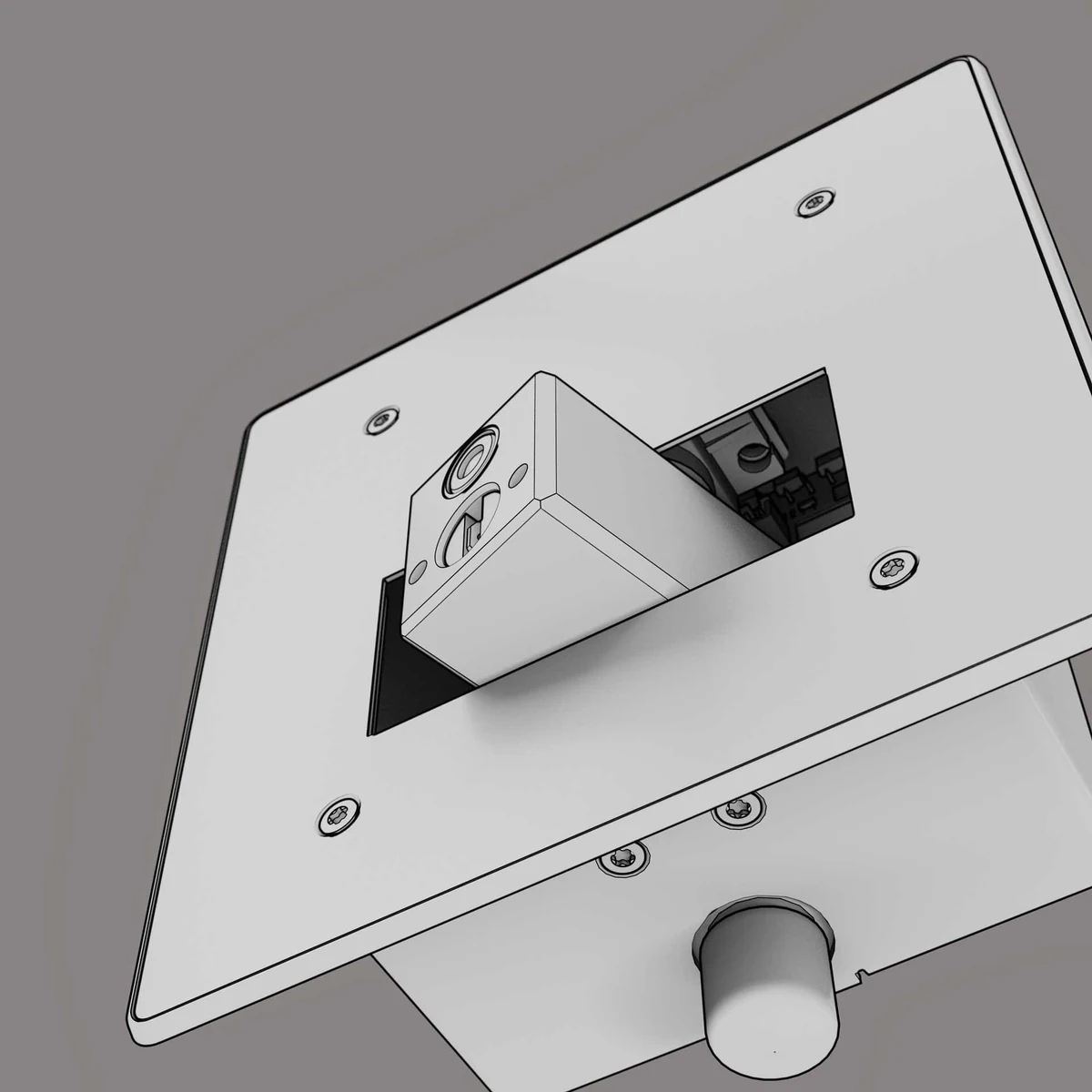
Engineering CAD wireframe, pre-manufacture starting point
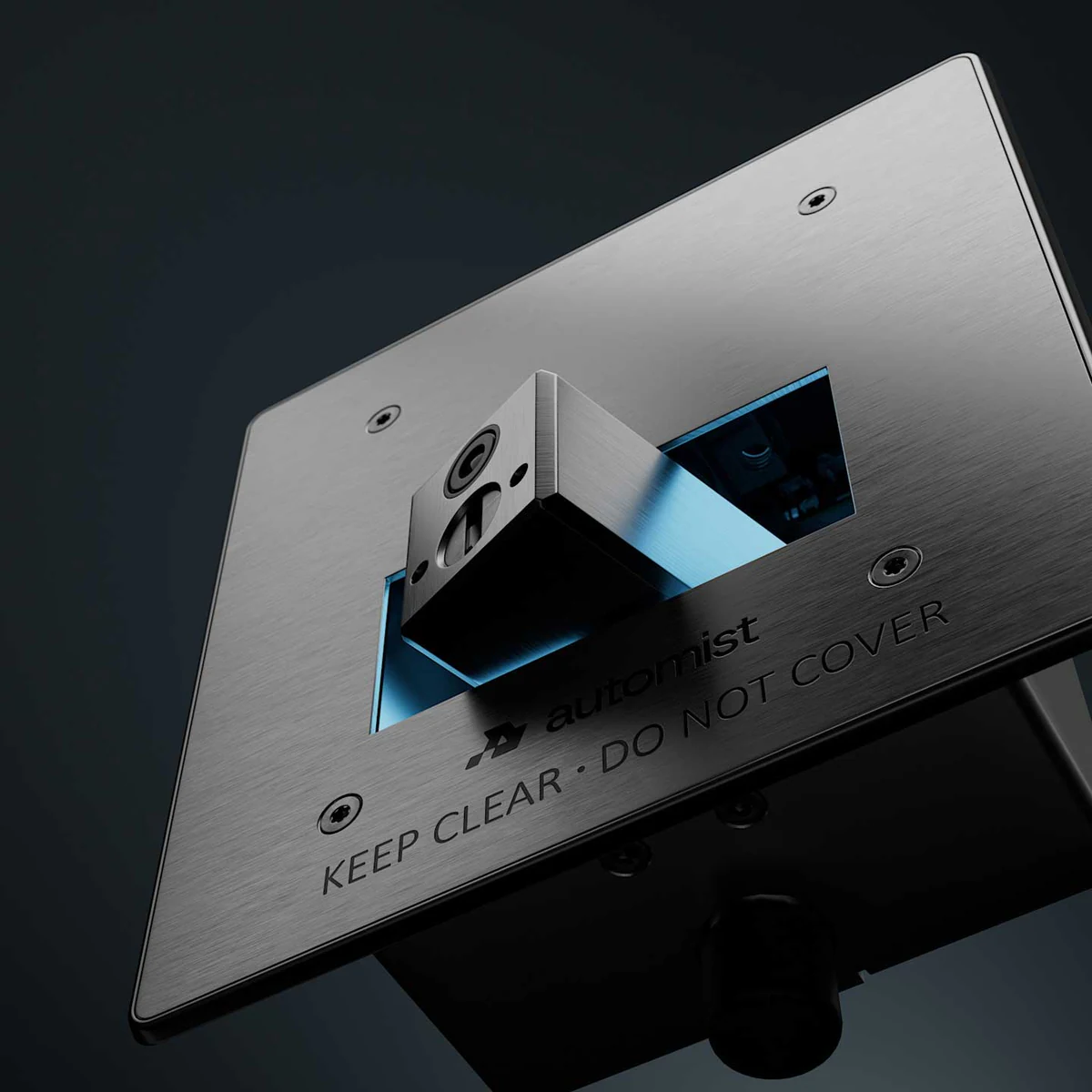
Finished CGI render, pre-manufacture delivered product

How it works

Pre-manufacture CGI from brief to delivery.

  1. Stage 01

    File review and NDA

    XO3D signs NDA before reviewing any technical files. We review your CAD data, engineering drawings, and material specifications and identify what's available, what's missing, and what assumptions may need to be made. We report back clearly on what the CGI can and cannot accurately represent at the current stage of engineering data.

  2. Stage 02

    Model build from engineering data

    We build the 3D model from your CAD files for visual production and review against the approved source. Where CAD data is incomplete or at concept stage, we work with your engineering team directly to fill the gaps correctly rather than making visual approximations that would misrepresent the product.

  3. Stage 03

    Engineering team model review

    Before any materials, lighting or animation are added, your engineering team reviews the 3D model. This is the most important quality gate in pre-manufacture CGI, it ensures the visual foundation is accurate before visual production begins.

  4. Stage 04

    Visual production with parallel engineering updates

    For products in active development, XO3D maintains a version-controlled model that can be updated as design changes occur during production. We build processes around change management rather than treating design updates as exceptions.

  5. Stage 05

    Launch-ready delivery before manufacturing completes

    Final delivery includes all agreed outputs, hero film, stills, social formats, interactive viewer, plus documentation of what the CGI accurately represents versus what is interpretive for visual clarity. This transparency protects all parties if design changes occur between CGI delivery and manufacturing completion.
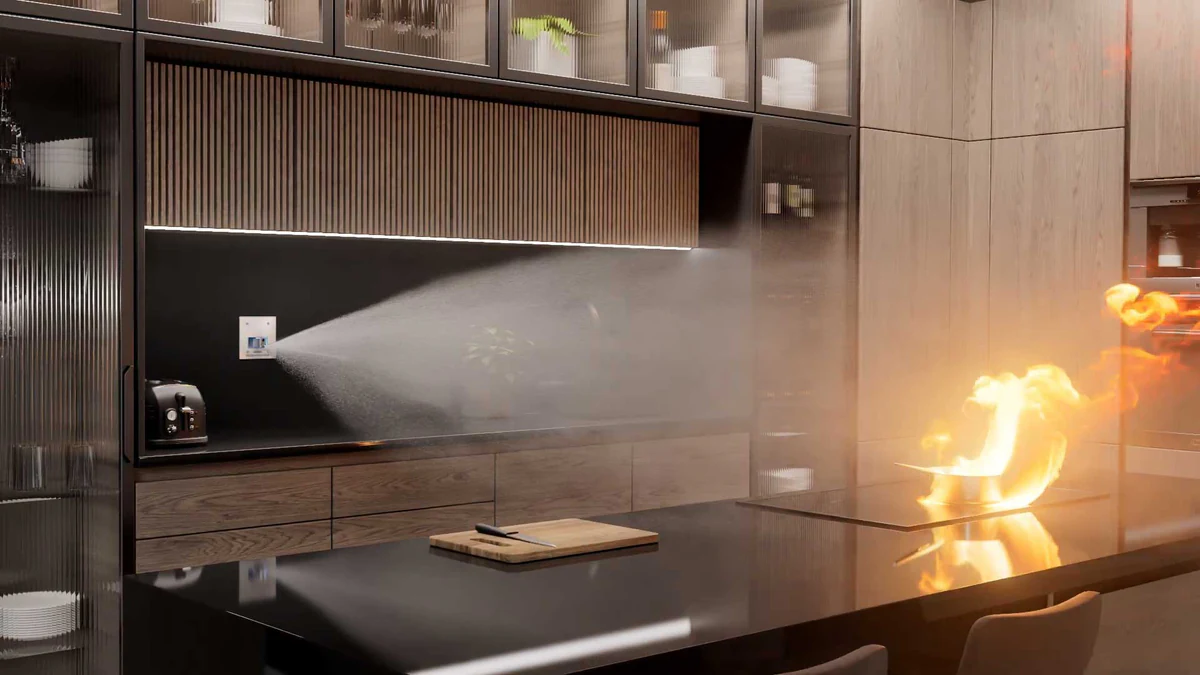
Plumis Automist fire suppression system, pre-manufacture CGI produced before physical product existed
Produced from CAD data before manufacturing was complete.

Who uses pre-manufacture CGI

The brands that commission this most often.

Start-ups & Scale-ups

Launching physical products pre-series production

Hardware teams may need imagery for launch pages, press materials and investor presentations before manufacturing is complete. CGI can build that visual story from CAD and technical references, with unresolved product details identified for approval.

Industrial & Engineering Brands

Pre-launch investor and trade show content

Complex products with long manufacturing cycles, EV infrastructure, precision machinery, industrial automation systems, need visual content for investor roadshows and trade shows that precede physical product availability by months or years.

Medical Device Manufacturers

Pre-approval market preparation

Medical devices in regulatory approval stages can be visualised from technical files, allowing market-facing communications, distributor materials, and clinical sales collateral to be prepared before device approval completes.

Consumer Electronics

Production-aligned launch campaigns

Consumer electronics teams can commission CGI alongside product development. Agree the product version, required campaign formats and review milestones so visual production can be planned against the actual launch date.

FAQ

Common questions, answered.

What if the product design changes after CGI production begins?
Design changes during production are common on pre-manufacture projects. XO3D manages this through version control on the 3D model and a structured change-request process. Minor design updates, surface geometry changes, component size adjustments, colourway additions, can typically be incorporated efficiently. Fundamental structural changes require a revised scope conversation. We surface change impacts immediately and honestly, never retrospectively.
How accurate can pre-manufacture CGI be?
Accuracy depends on the approved product version, engineering information and material references. Review the visual model and finishes with the people responsible for the physical product. Record any assumptions or details still in development; if those change, agree the affected shots and delivery plan before the final assets are used.
Do you sign NDAs before reviewing technical files?
Yes, always. XO3D signs NDA before reviewing any engineering data, CAD files, or pre-launch product specifications as standard. We are happy to sign your specific NDA, or to use our standard confidentiality agreement if preferred.
What can we brief before the CAD is final?
Start with the product story, intended channels, required views and launch date. Separate confirmed geometry and finishes from details still changing, and name the owner who can approve each. That gives the studio a basis for scoping early visual work while keeping unresolved product assumptions visible.
Which XO3D projects show this approach?
The AUAR MicroFactory and Petalite EV charging case studies show CGI used to communicate complex physical products through films and supporting images. Review those published examples alongside the technical CGI and launch visual programmes to decide whether your brief needs mechanism explanation, campaign assets or both.
Can I use photorealistic CGI on a Kickstarter hardware campaign?
Kickstarter requires hardware and product design projects to show a working prototype and prohibits photorealistic renderings in that context. Read its current category guidance before commissioning campaign imagery. CGI cannot substitute for evidence that a prototype works.
Can XO3D work to crowdfunding launch deadlines?
Yes, crowdfunding projects typically have fixed launch dates determined by campaign platform scheduling. XO3D builds the production schedule backwards from the launch date and tells you at brief stage what's achievable within the timeline. We will always tell you honestly if a timeline is too compressed for the quality level you need.

Planning a crowdfunding campaign? Check Kickstarter first. Its hardware and product design guidance requires a working prototype and prohibits photorealistic renderings in that context. Read the current project rules before defining the campaign assets. Other platforms have their own requirements.

Start the conversation

Launching before manufacturing completes?

Tell us about the product, what stage development is at, and when you launch. We'll tell you what's possible.
Planning your project

The launch can begin before the product is built.

A launch date and a manufacturing schedule do not always align. The marketing team may need a film, press image or presentation while the physical product is still developing.

Pre-manufacture CGI creates visual material from available product information. The useful starting question is what can be represented accurately now, and what must wait for a decision.

Tell us about your brief
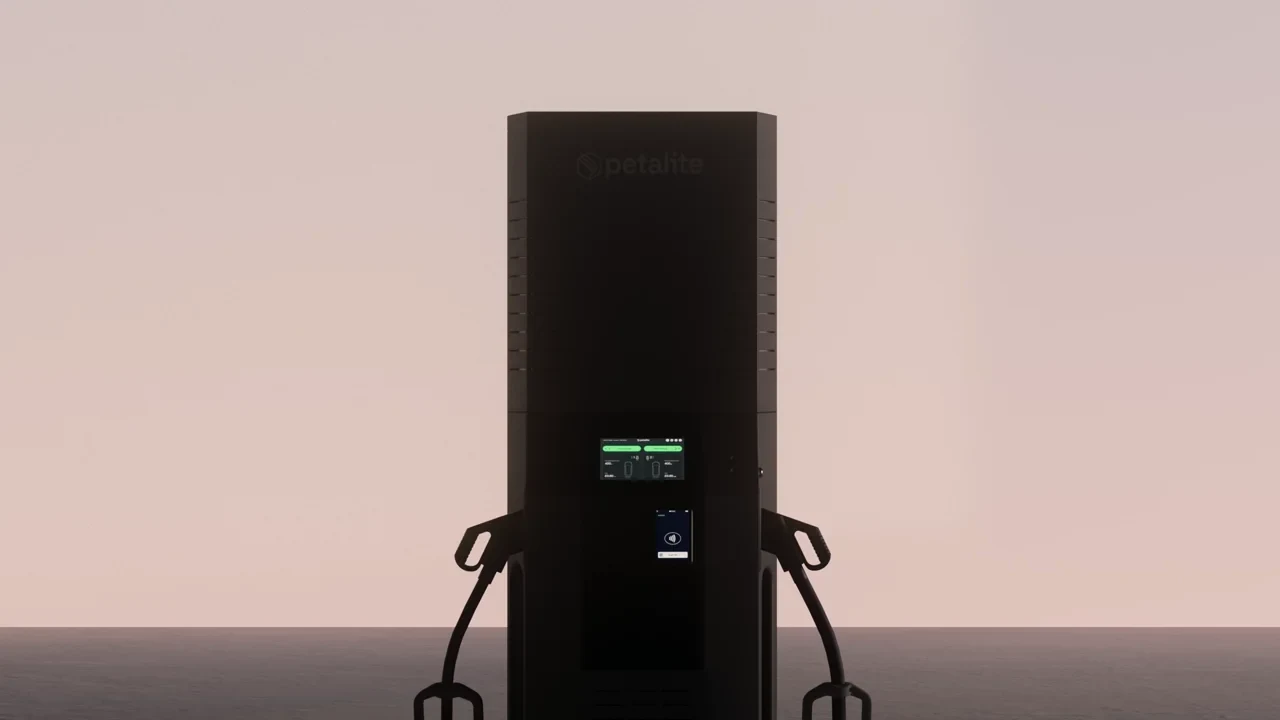
Petalite electric vehicle charging unit in a product reveal
Petalite charging system. Explore the project
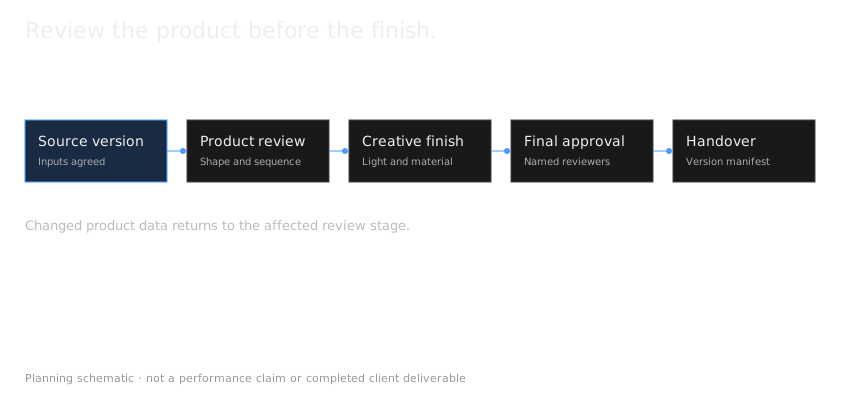
Product source and review precede creative finishing, final approval and handover. Changed data returns to the affected review stage.

Establish the current product.

Share the latest source files, product references and change status. Identify the version the team is approving and any provisional elements.

The first review should expose missing information. A finished-looking surface must not make an unresolved design decision appear final.

Set a visual approval sequence.

Review shape and proportions before investing in final shots. Confirm materials, finishes and markings against the available references. Then review the sequence, framing and output versions.

Keep engineering approval and creative approval distinct enough to be clear, but connected enough to avoid conflicting instructions.

Plan for design changes.

A revised component may affect geometry, movement, labels and several output formats. Record the change and assess its effect on the asset list.

A controlled source makes change easier to understand. It does not make every late change automatic or consequence-free.

Build for the launch you have.

An investor presentation, exhibition and public product page serve different audiences. Define the intended use, permitted product information and required delivery dates.

The AUAR and Petalite cases show how CGI can support product communication before a finished physical system is available to film.

Before-manufacture questions.

Do we need complete CAD?

Send what is available. We assess whether it supports the required shots and identify missing information.

Will the imagery match the manufactured product?

It represents the approved design and references used for production. Later physical changes need review and may require updates.

Share the product's current stage.

Tell us what is final, what is moving and when the visuals are needed.

Updated

About the studio

XO3D is a director-led product CGI studio. Founded by Thomas Howcroft in 2017 and incorporated as XO3D Ltd (UK Companies House 11876020) in 2019, when Alex Mann joined as co-founder. Based at the Business and Technology Centre in Stevenage, UK, with representation at 244 Fifth Avenue, New York. We work with tech, industrial and premium consumer brands on product films, launch stills and interactive experiences.

That makes us the right choice for launch-critical work where the visual standard has to be high and the product may not exist yet.

It makes us the wrong choice for three things, and it is worth establishing that now rather than later.

  • Hundreds of routine SKUs to a fixed template. Continuous template-based output is a different brief from launch-critical creative direction. Choose a production workflow designed for that volume.
  • A website that requires a specific configurator platform. Use that platform where your website requires it, and agree who supplies the models and who integrates the software. A custom configurator is another route: XO3D can build it and hand it over for you to host.
  • The campaign idea itself. If what you need is the strategy, the audience work and the media plan, start with an agency. We are frequently the production partner behind one.
How XO3D compares to the other five supplier models