AUAR / Product CGI Film
Bringing AUAR's Automated Architecture Microfactory to life.
XO3D produced AUAR's MicroFactory CGI content suite within two months for its website launch: a 36-second product film, 24 stills and supporting motion assets showing the automated construction system.
Hero film
The full hero film.
Read hero film transcript
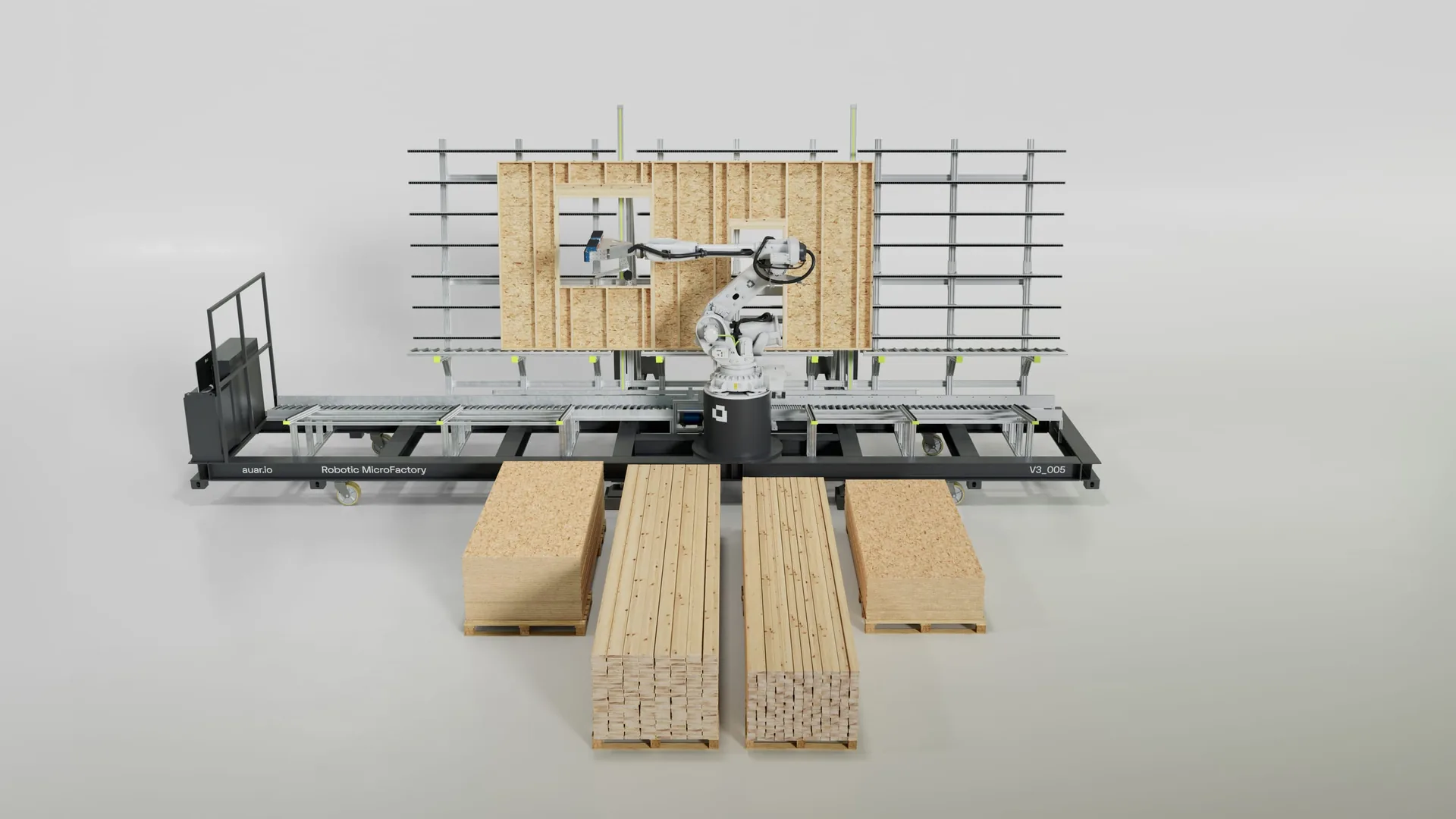
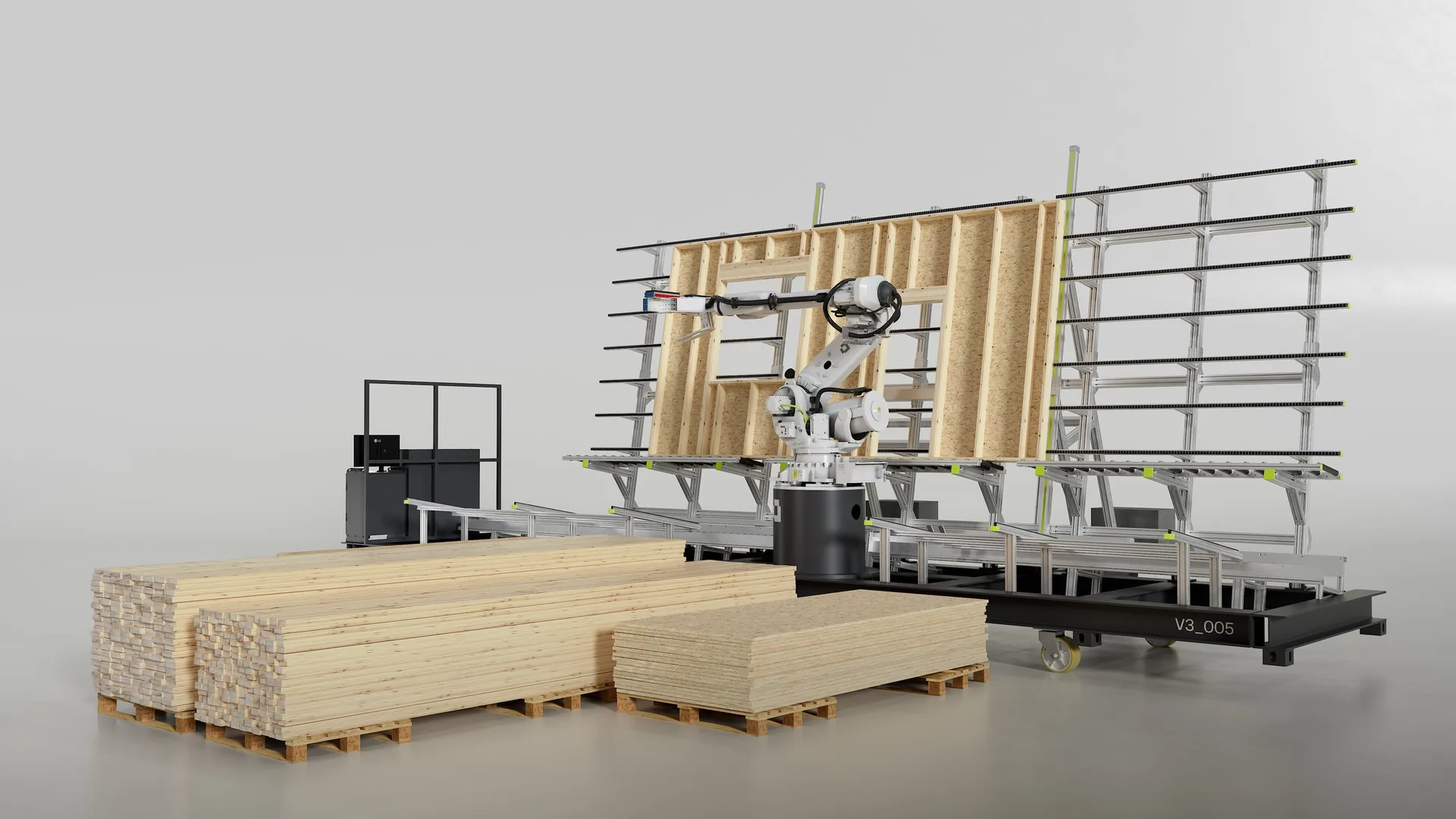
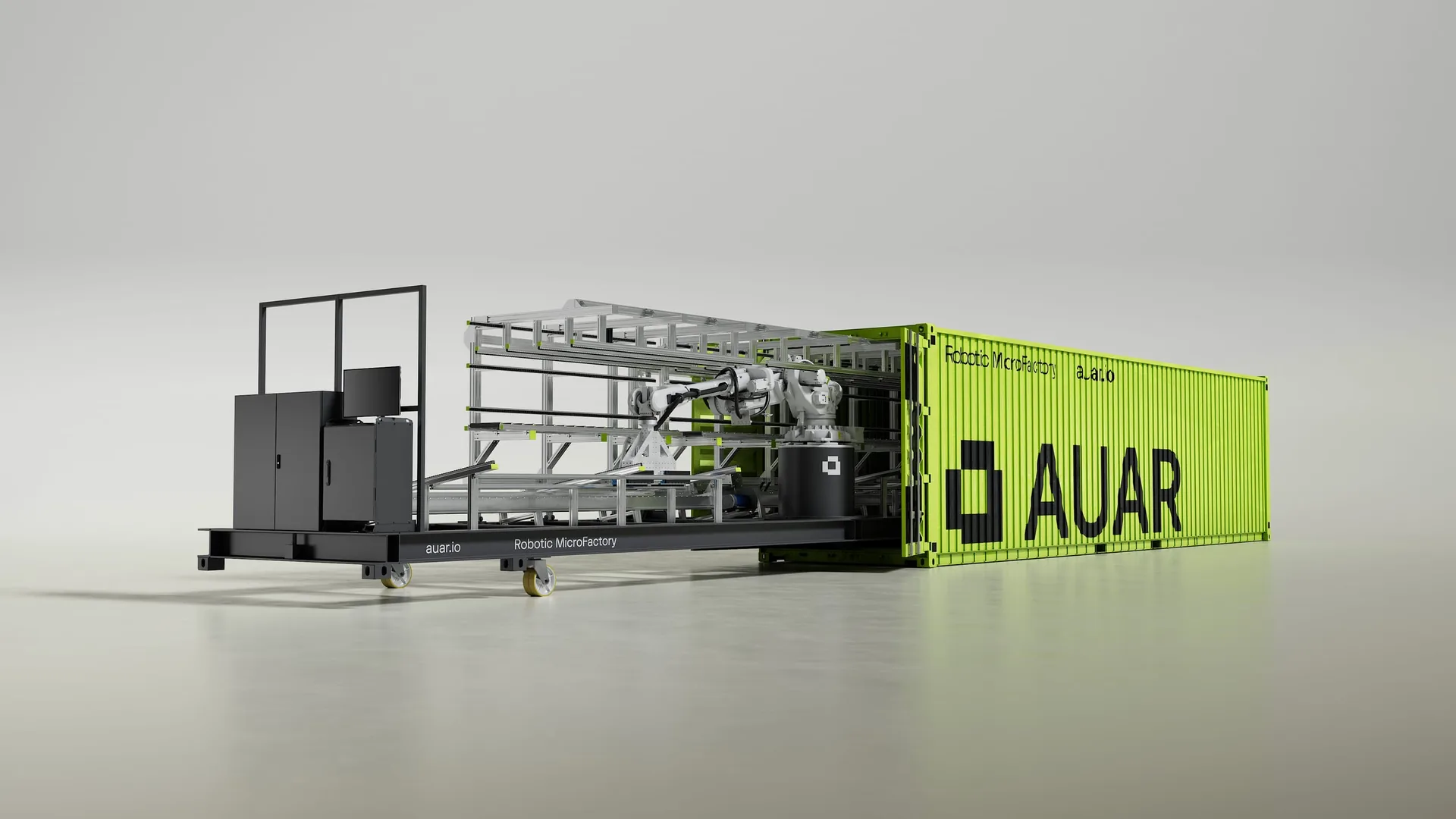
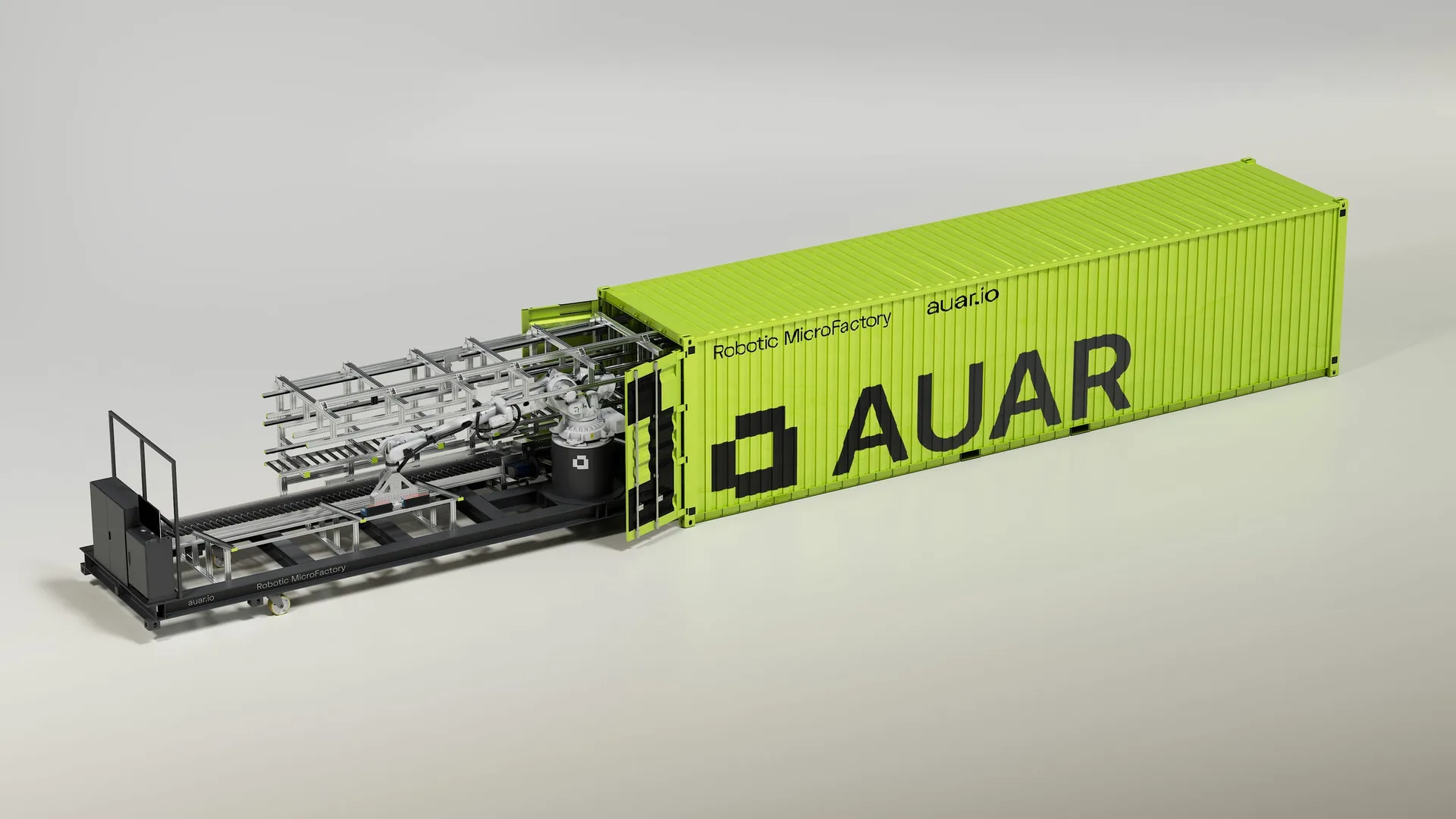
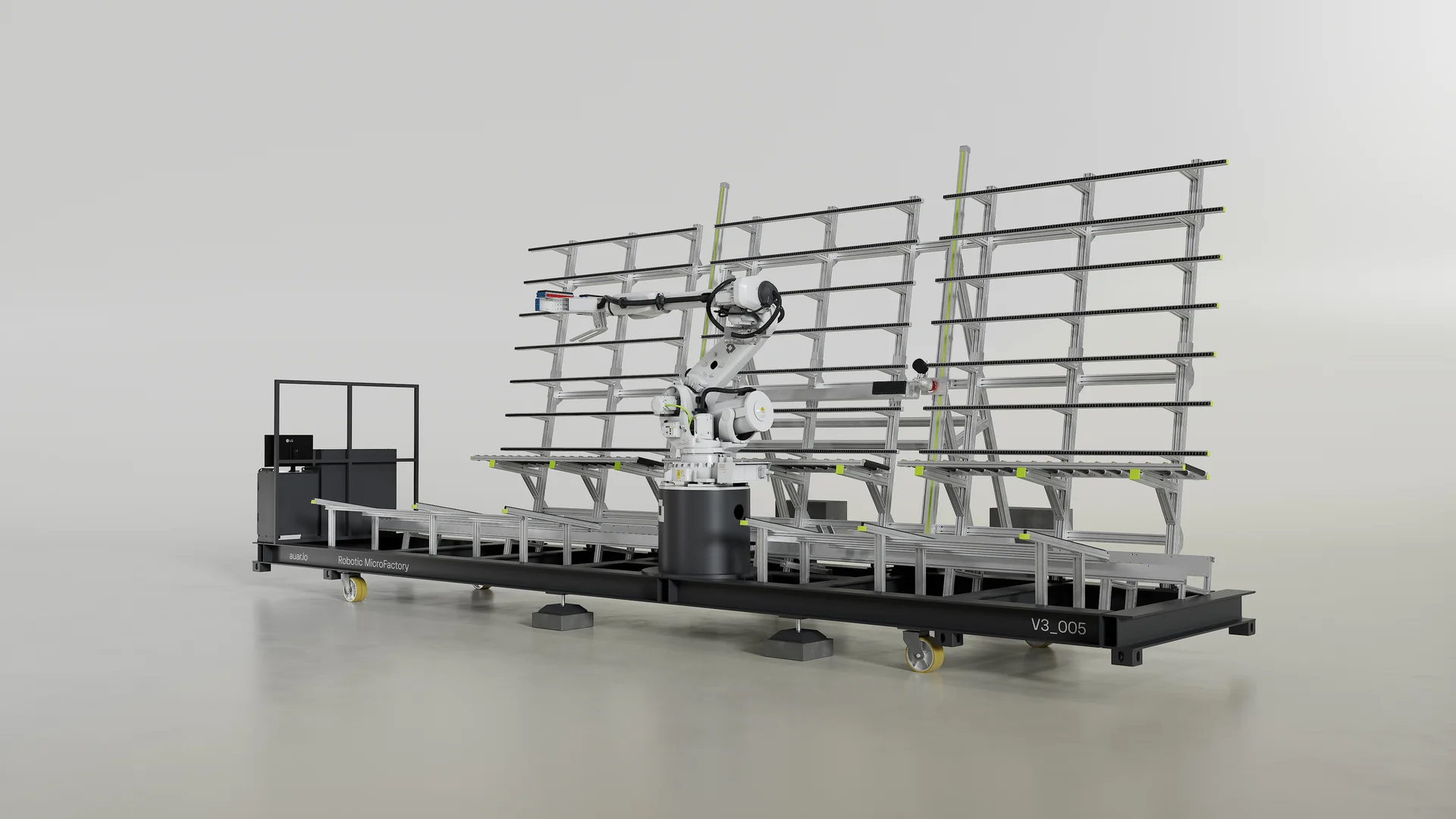
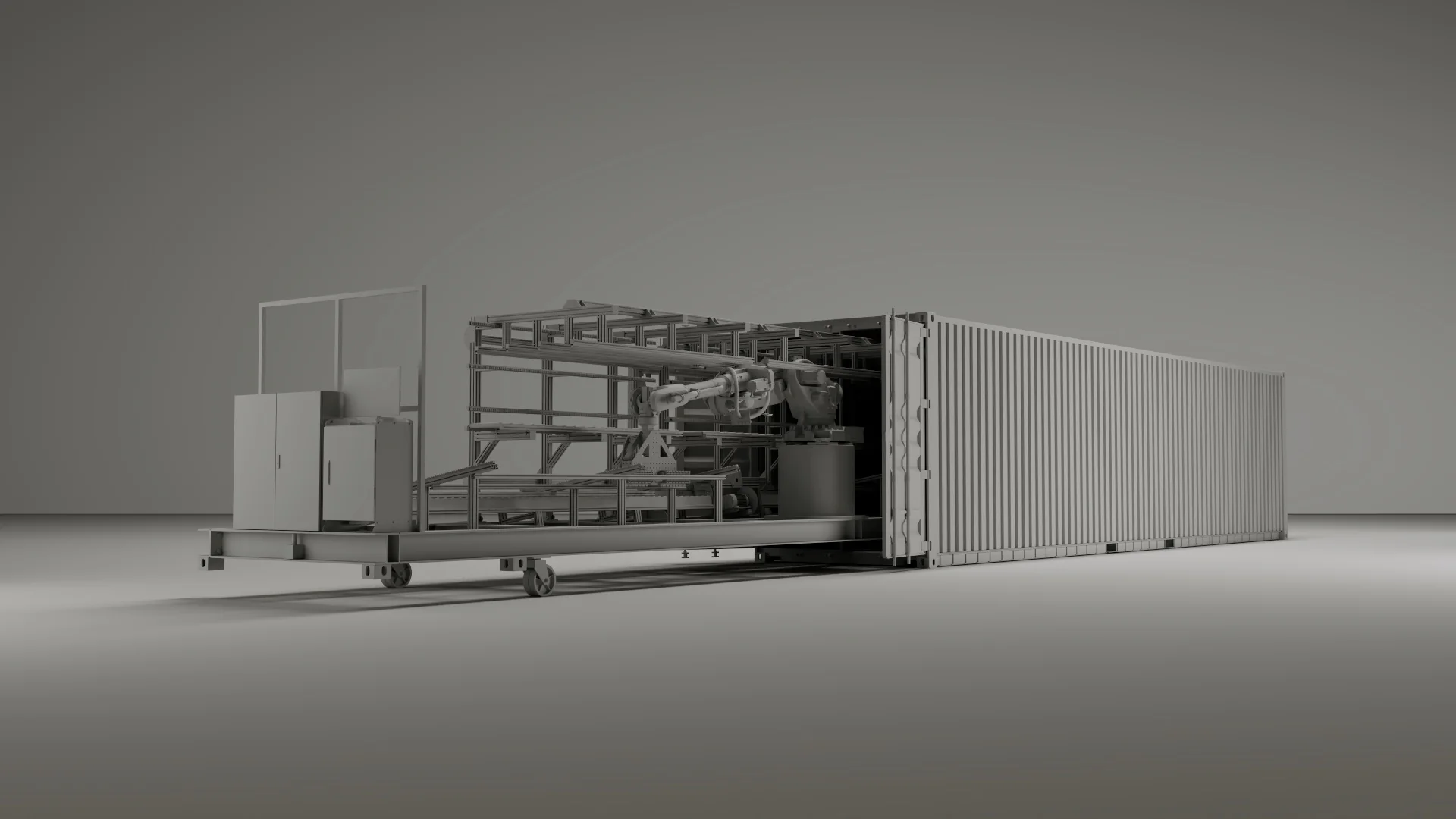
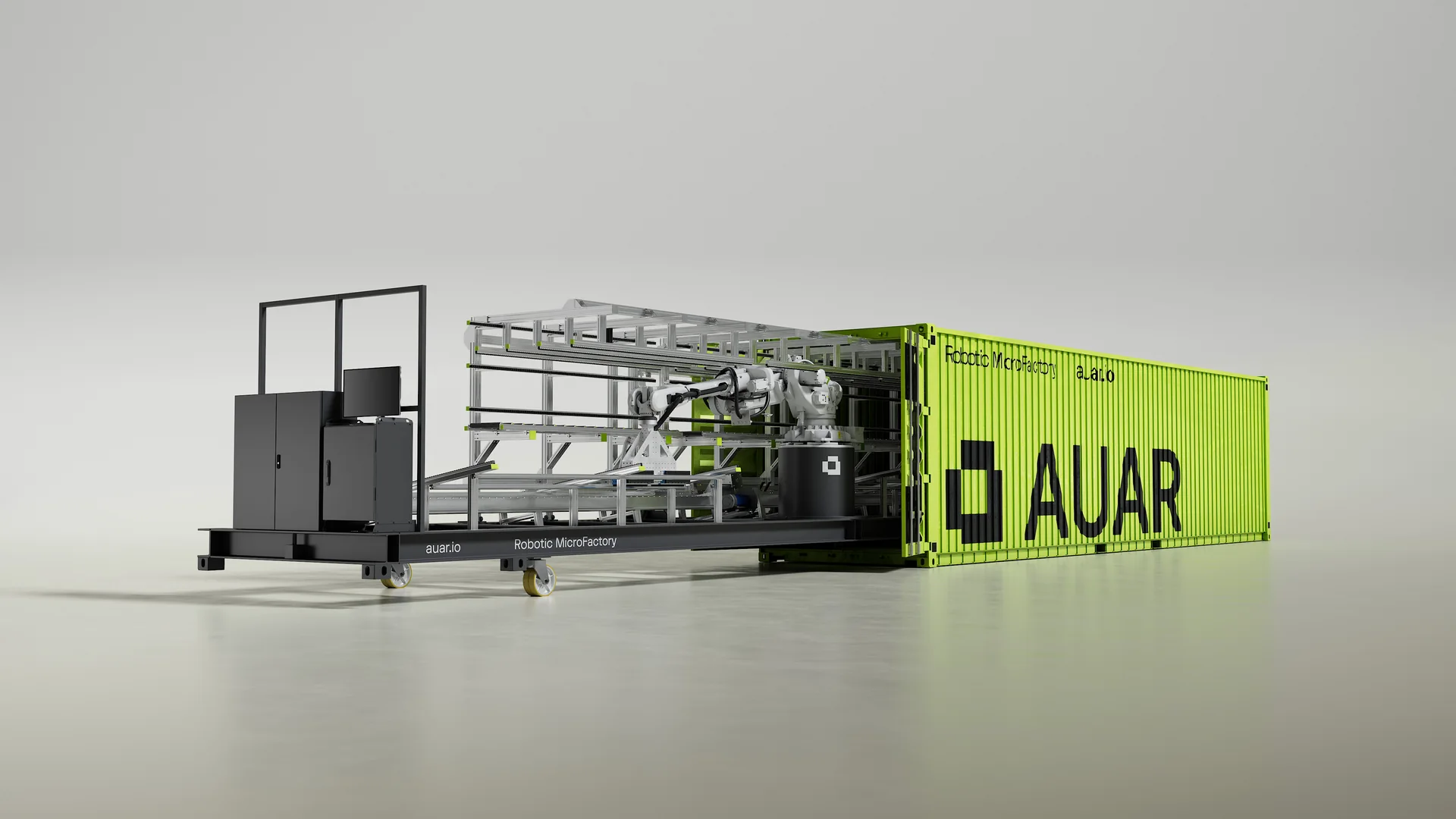
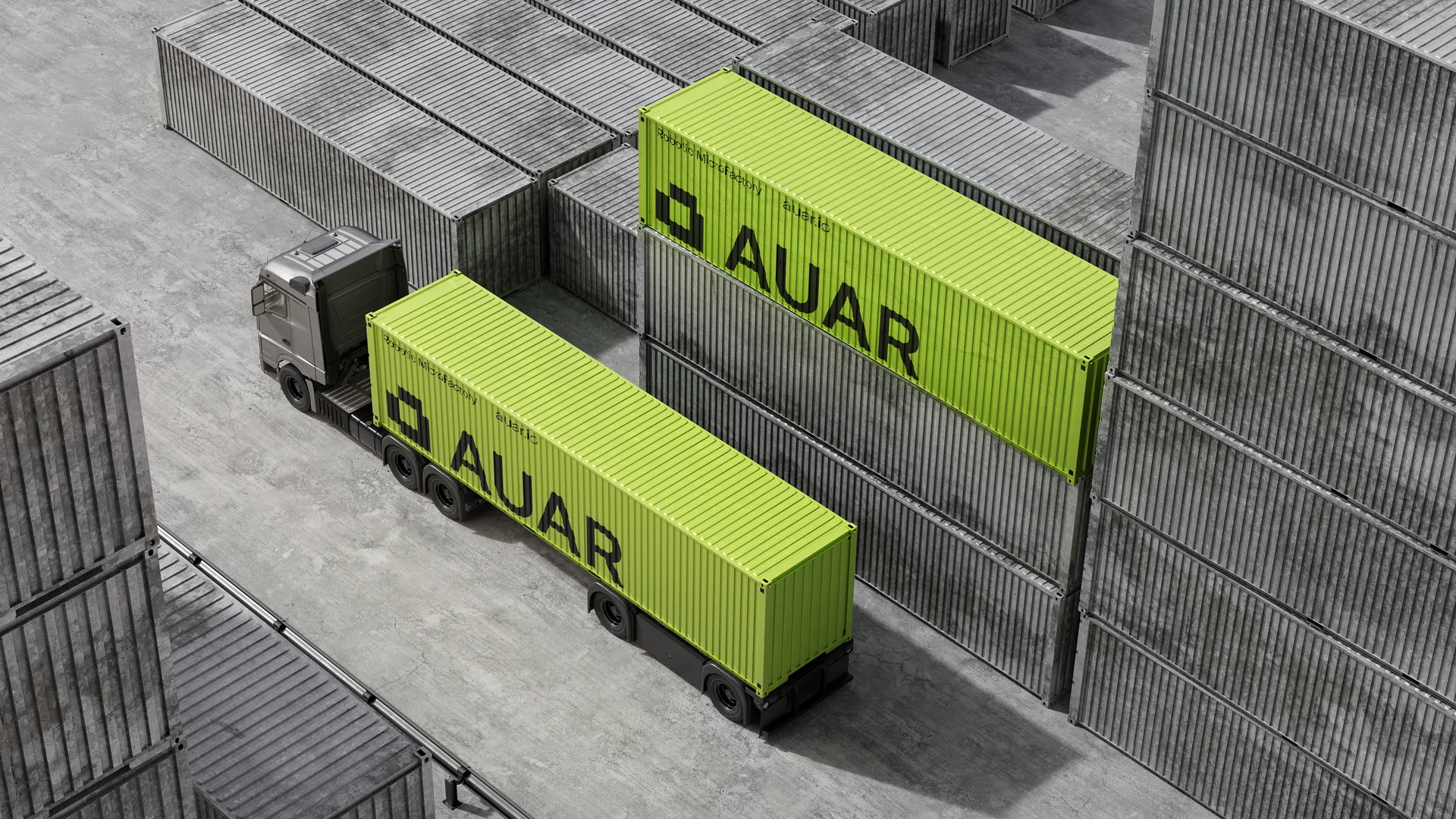
The film opens on a bright AUAR shipping container beside the deployed MicroFactory. Wide views reveal the full rail-mounted robot cell, timber stock and a partly assembled wall panel.
The camera moves through overhead and macro angles as robotic arms, grippers and tooling lift, position and work with timber components. The sequence closes on the completed wall panel and a wide view of the full MicroFactory.
There is no spoken dialogue. Music and designed mechanical sound support the animation.
The brief
Communicate an unbuilt industrial system to homebuilders, before a real one existed.
AUAR supplies homebuilders with deployable MicroFactories, styled Micro-Factories in AUAR's own materials, industrial robot cells running their MasterBuilder Physical AI platform to manufacture timber wall and floor panels on site. ABB Robotics is a strategic partner and investor in the company. They needed a full CGI content suite to communicate the Micro-Factory system across their new website, hero animation, stills and looping motion assets, all produced within two months for the launch. It sits inside our broader industrial and robotics CGI work.
The stakes were high. The new site is AUAR's shop window during a period of strong commercial momentum, and the CGI content now runs throughout it, including the homepage automation loop.
The creative challenge sat in a single question: how do you make an industrial robot cell feel approachable and trustworthy to homebuilders, and read as a real, physical product, when it doesn't yet exist in real life? Read more on our approach to technical CGI and pre-manufacture visualisation work.
Project answer
Why use CGI for this project?
- What we made
XO3D built a product CGI film and content suite for AUAR's deployable MicroFactory and its automated timber-panel construction system.
- Why CGI
The industrial robot cell did not yet exist as a finished physical product, so CGI made its scale, movement and construction workflow clear to homebuilders.
- What was delivered
AUAR received a 36-second hero animation, 24 stills, website loops and supporting motion assets, produced within two months for its website launch.
Film gallery
See this project in motion.
Deliverables
One production. A full launch content set.
Twenty-four stills, a 36-second hero film and three animated GIFs, all built from a single source and delivered live across auar.io, including the homepage.
24 Stills.
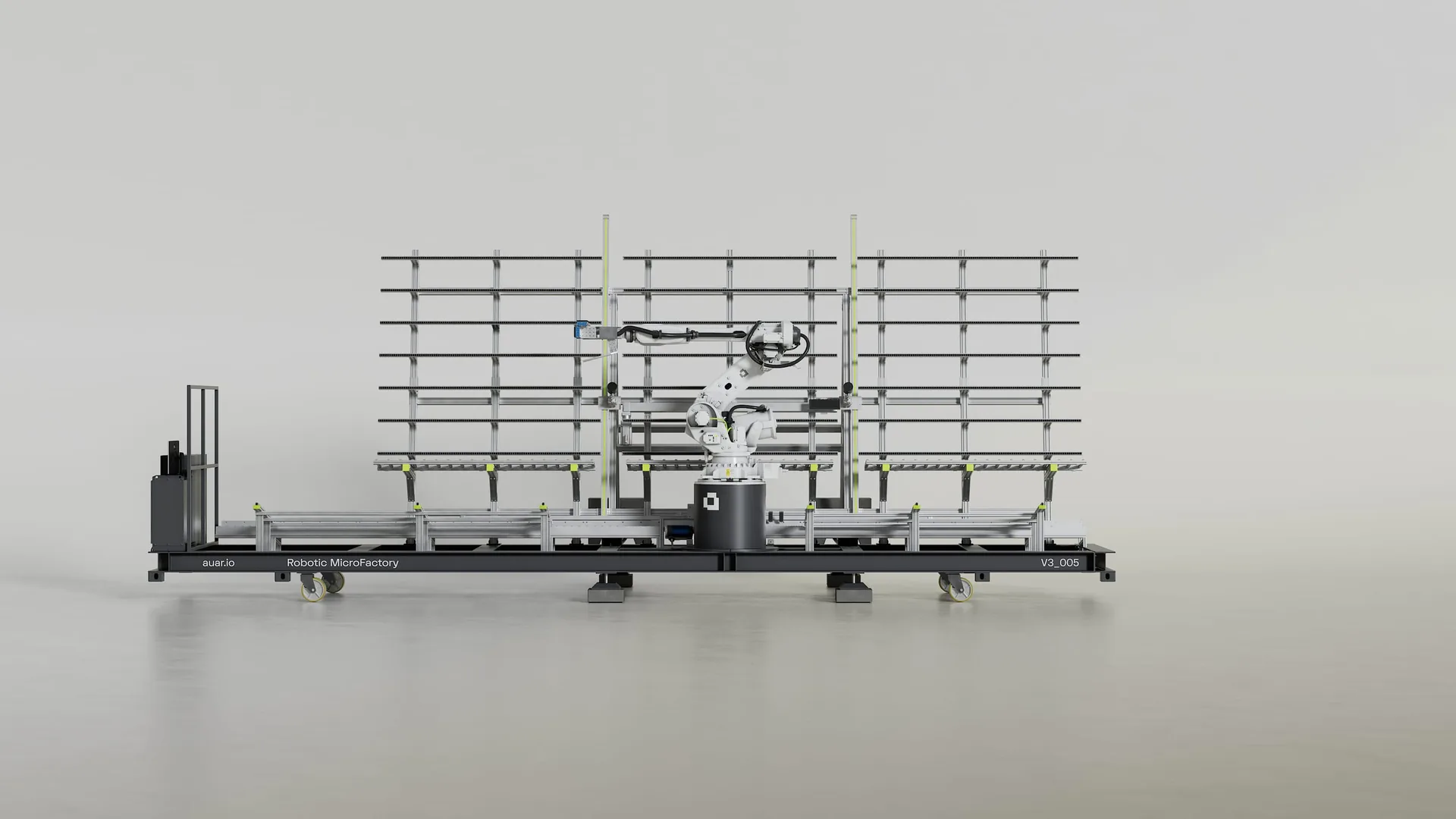
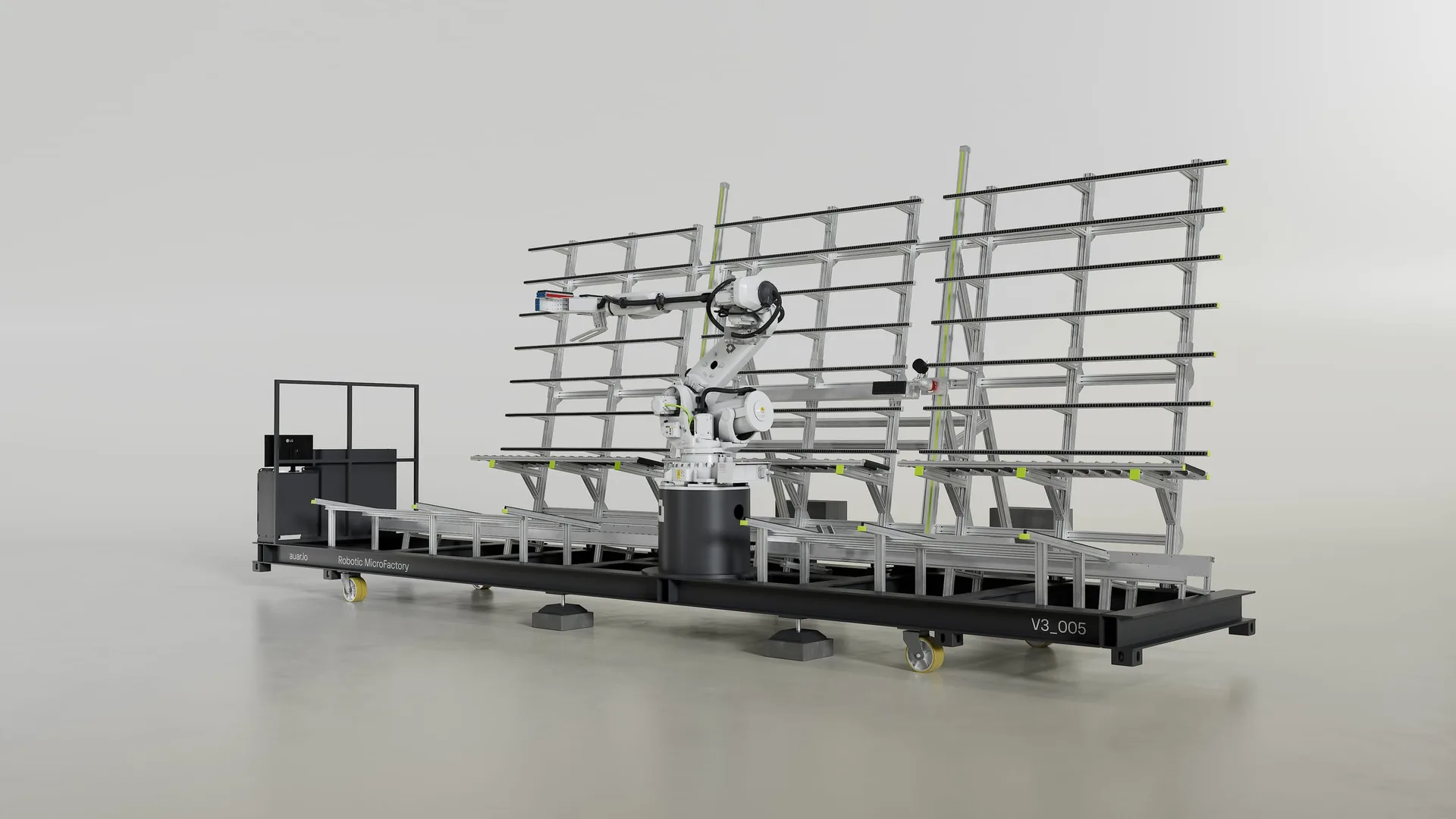
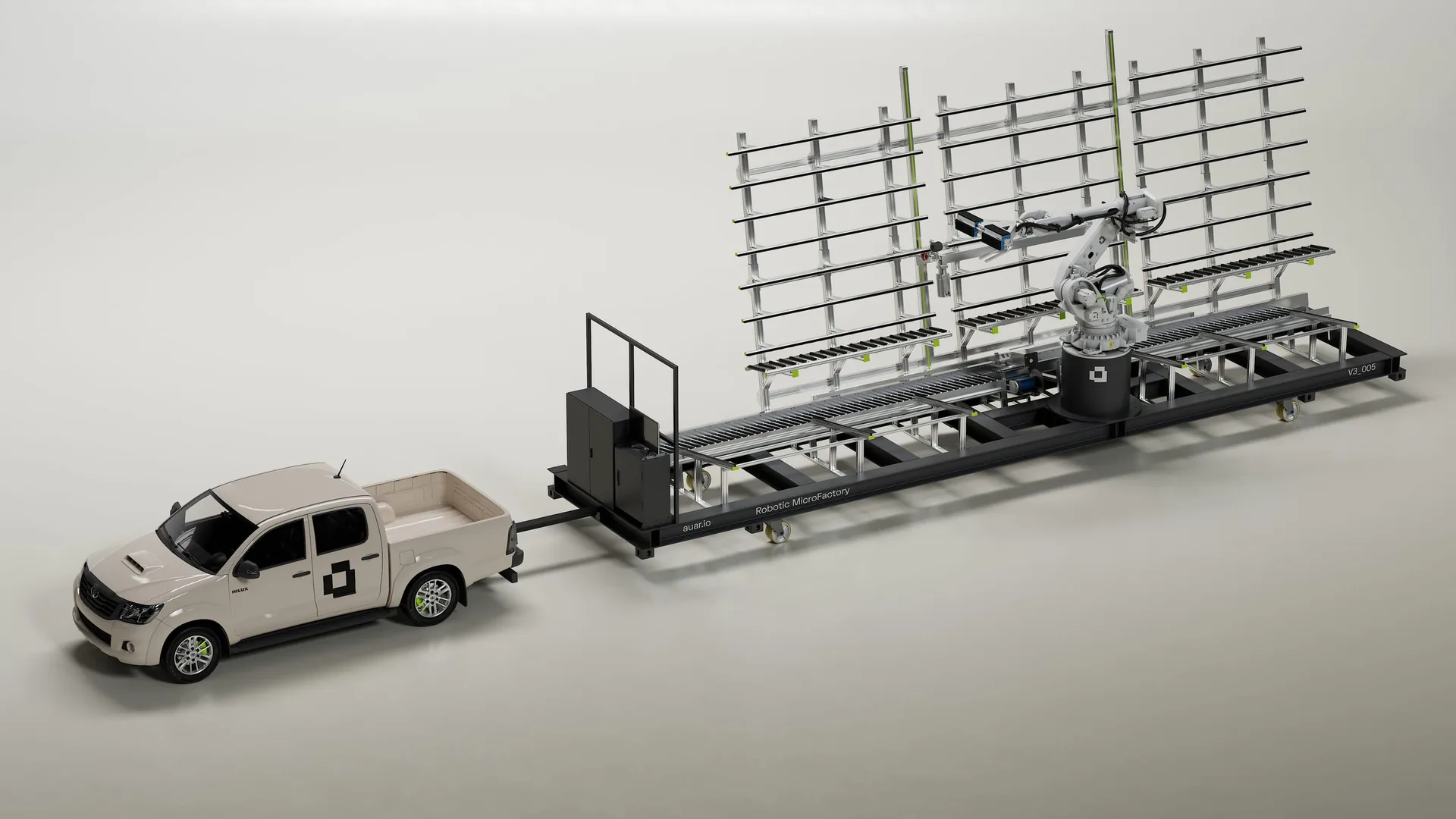
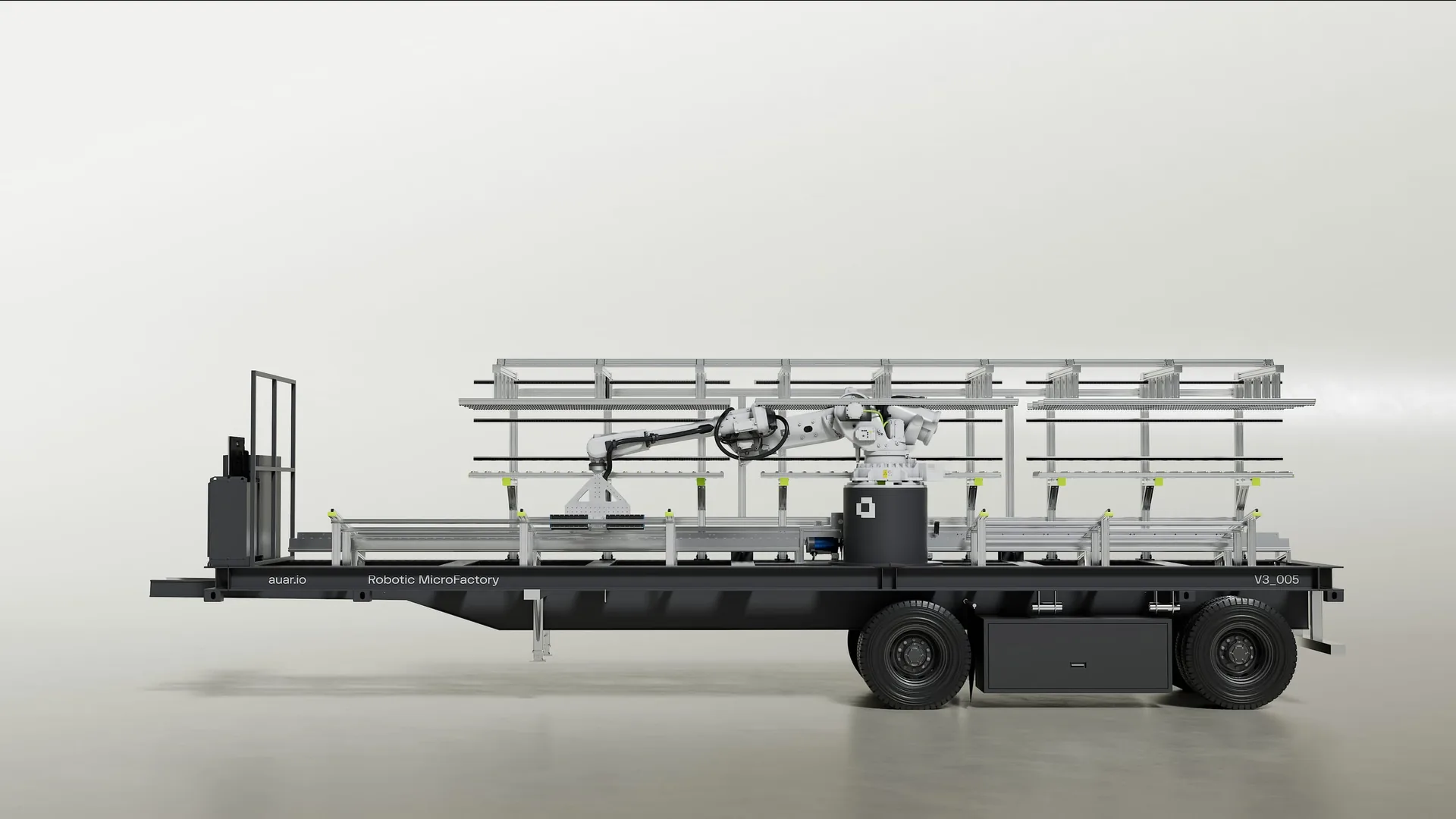
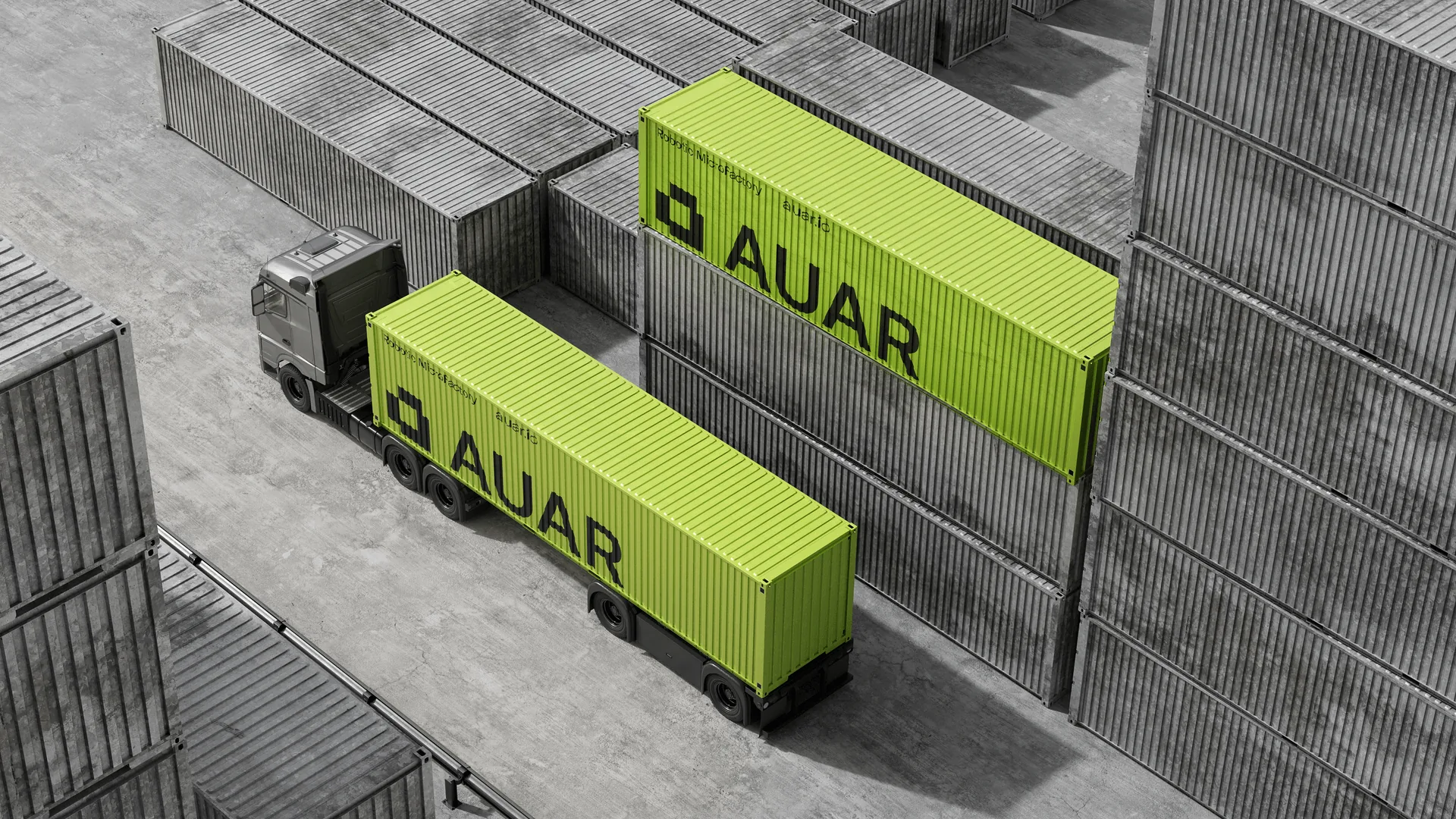
A mixed studio and lifestyle library covering hero angles, macro detail and in-context environments, all rendered from the same source build.
36-Second Hero Animation.
The main product film. A tight cinematic cut that opens the site and communicates the whole MicroFactory system in under a minute.
3 Animated GIFs.
Short looping motion assets built for the homepage automation loop and secondary page moments across auar.io.
Homepage Loop.
A hero loop optimised for web performance, light on file size, premium on first-frame impression.
The result was 34 finished assets from one Master Asset: 24 stills, a 36-second hero film, three looping motion assets and six cut-downs. During production the still set grew from 14 to 24 and the film was cut from 60 seconds to 36, and the full suite was delivered inside the two-month launch window.
Creative direction
Five decisions that made the system read as real.
Each decision connects to visible evidence in the finished frames, lighting, scale grounding, detail realism, camera language, adaptive delivery.
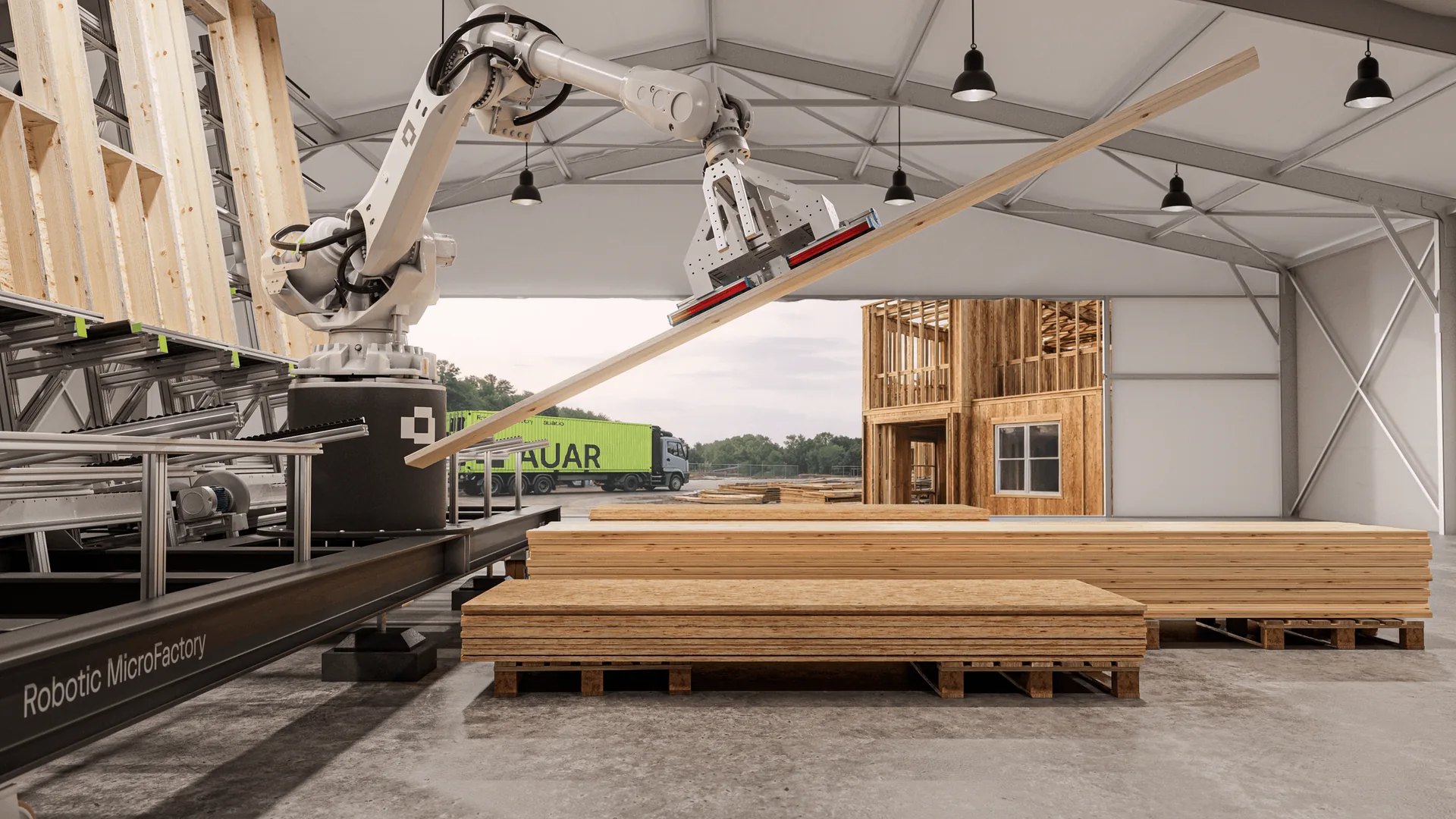
Approachable, not clinical.
Lighting was kept warm and natural so the system reads as approachable and human, not clinical. Warm tones echo the timber the MicroFactory manufactures and the outdoor settings the product is built for.
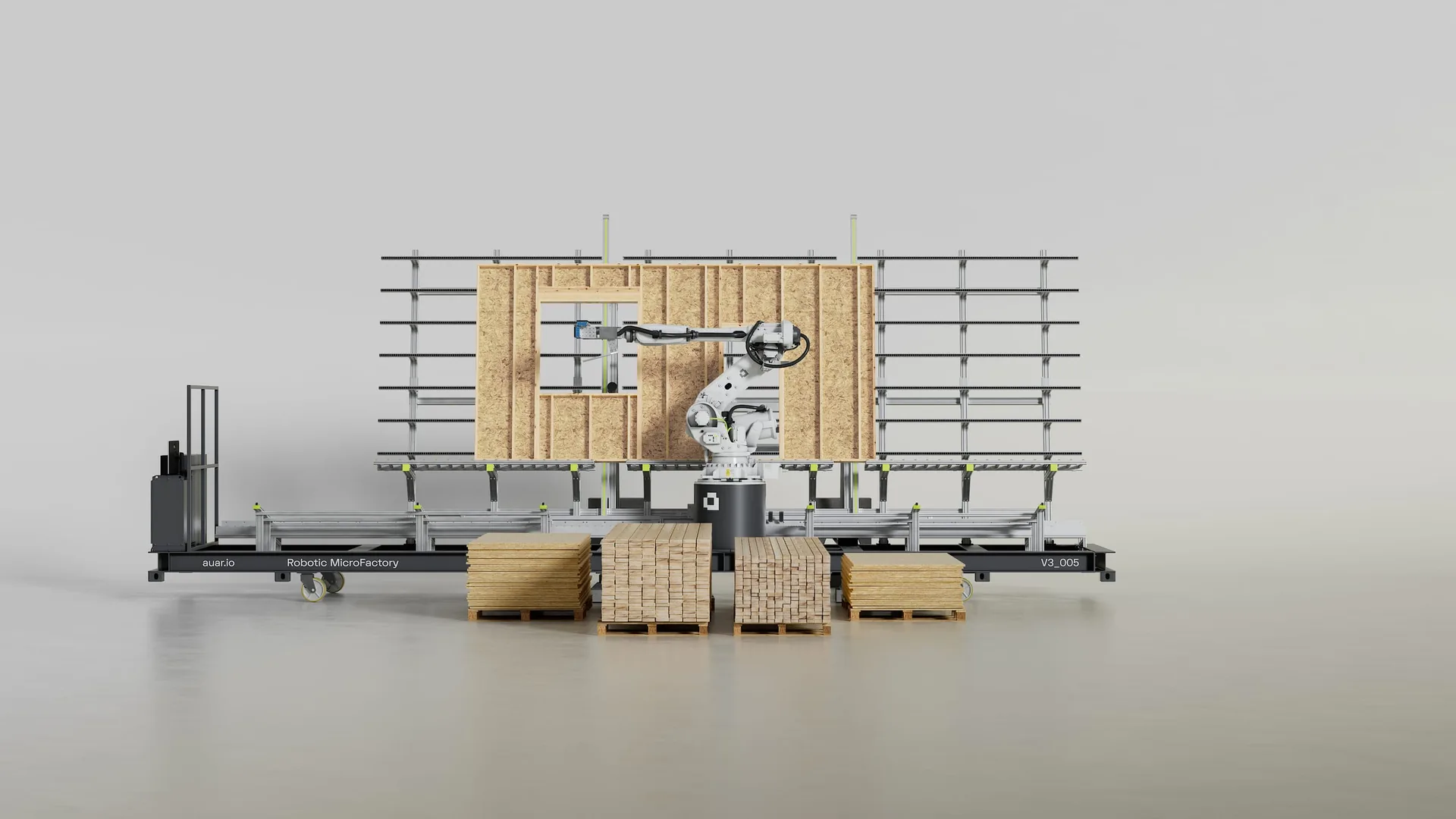
Real objects, real size.
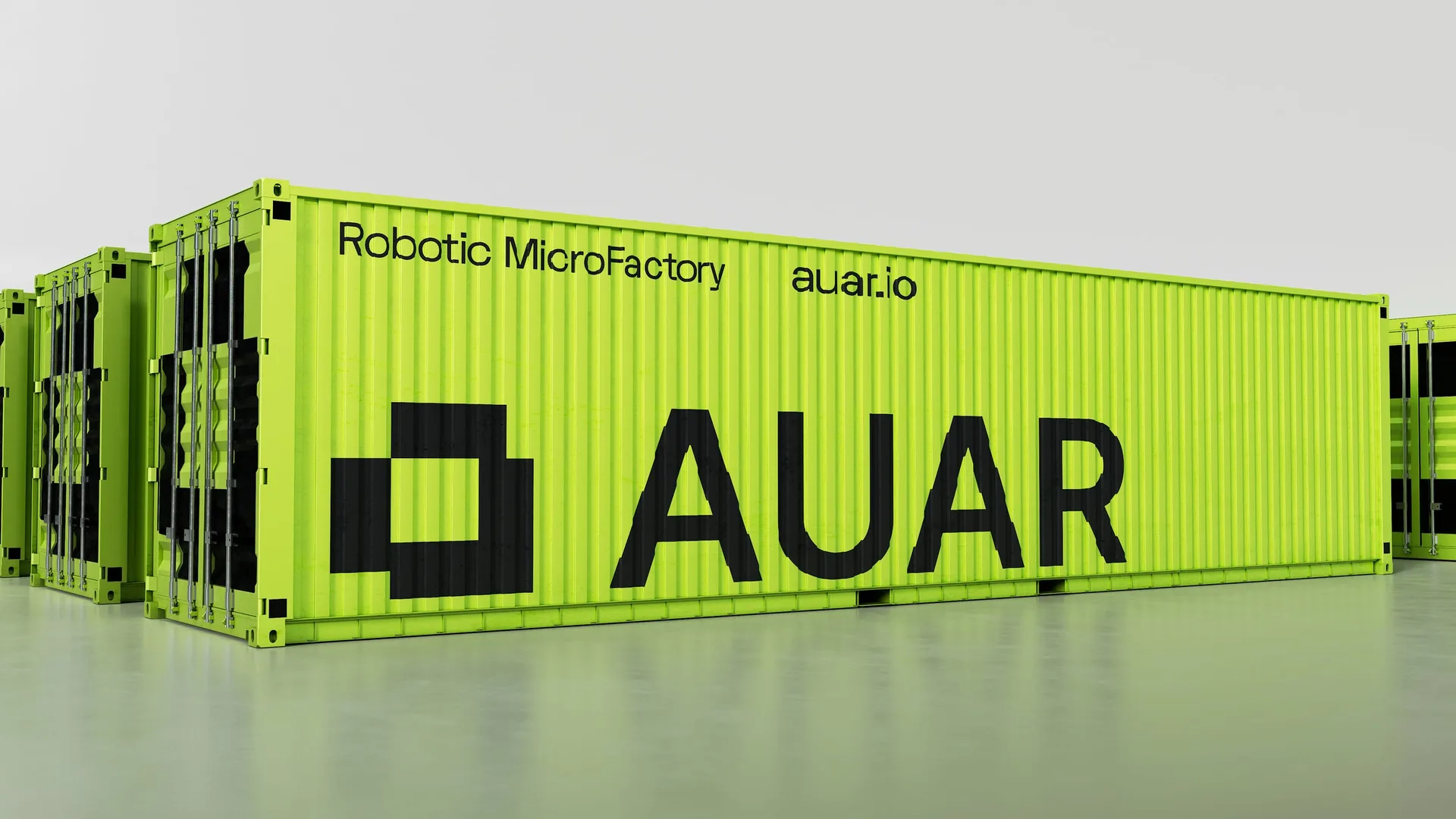
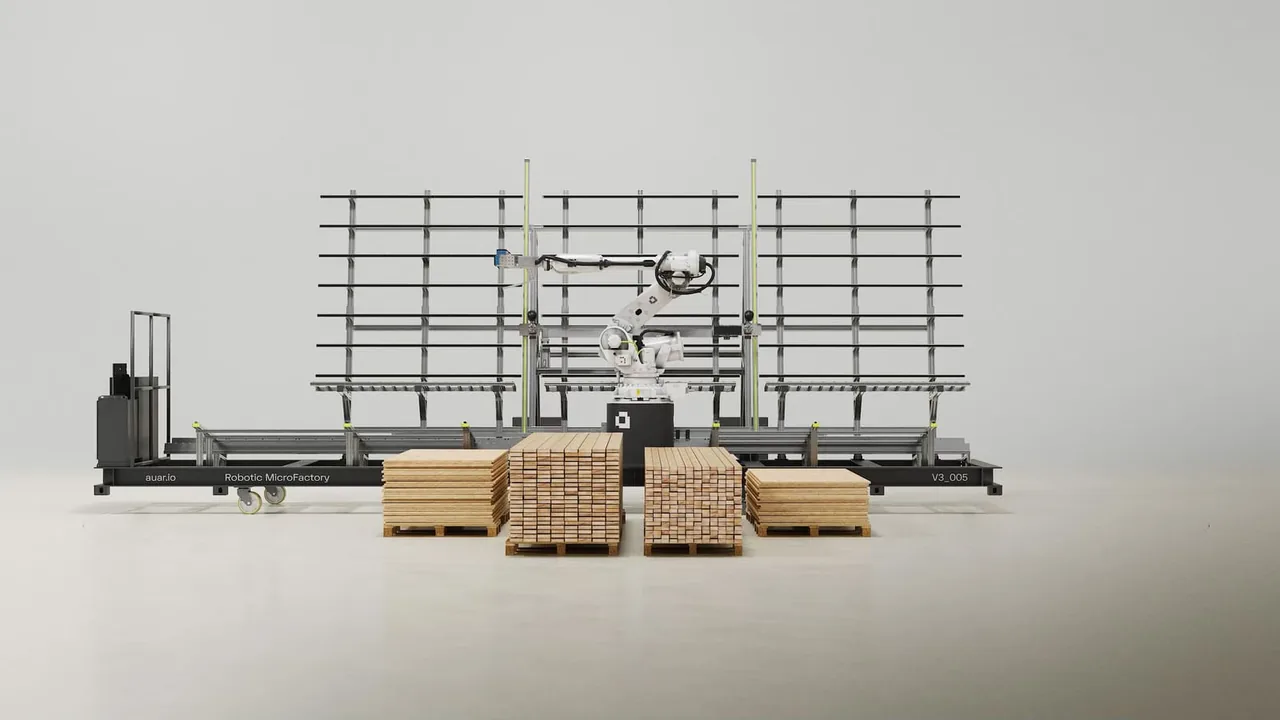
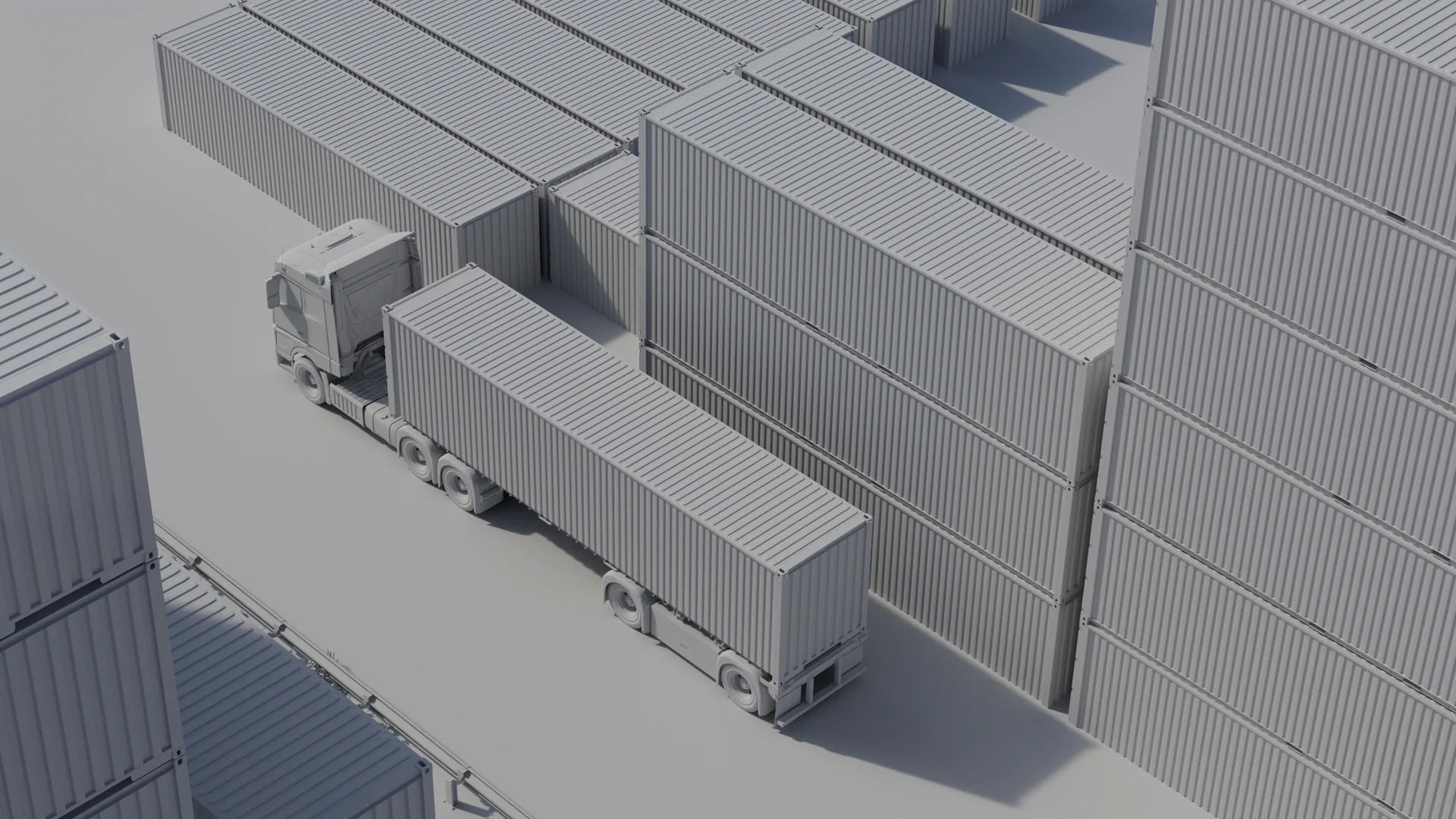
Real containers, pallets and timber stacks anchor the MicroFactory at its true working size, so the "factory in a container" claim is believable at a glance.
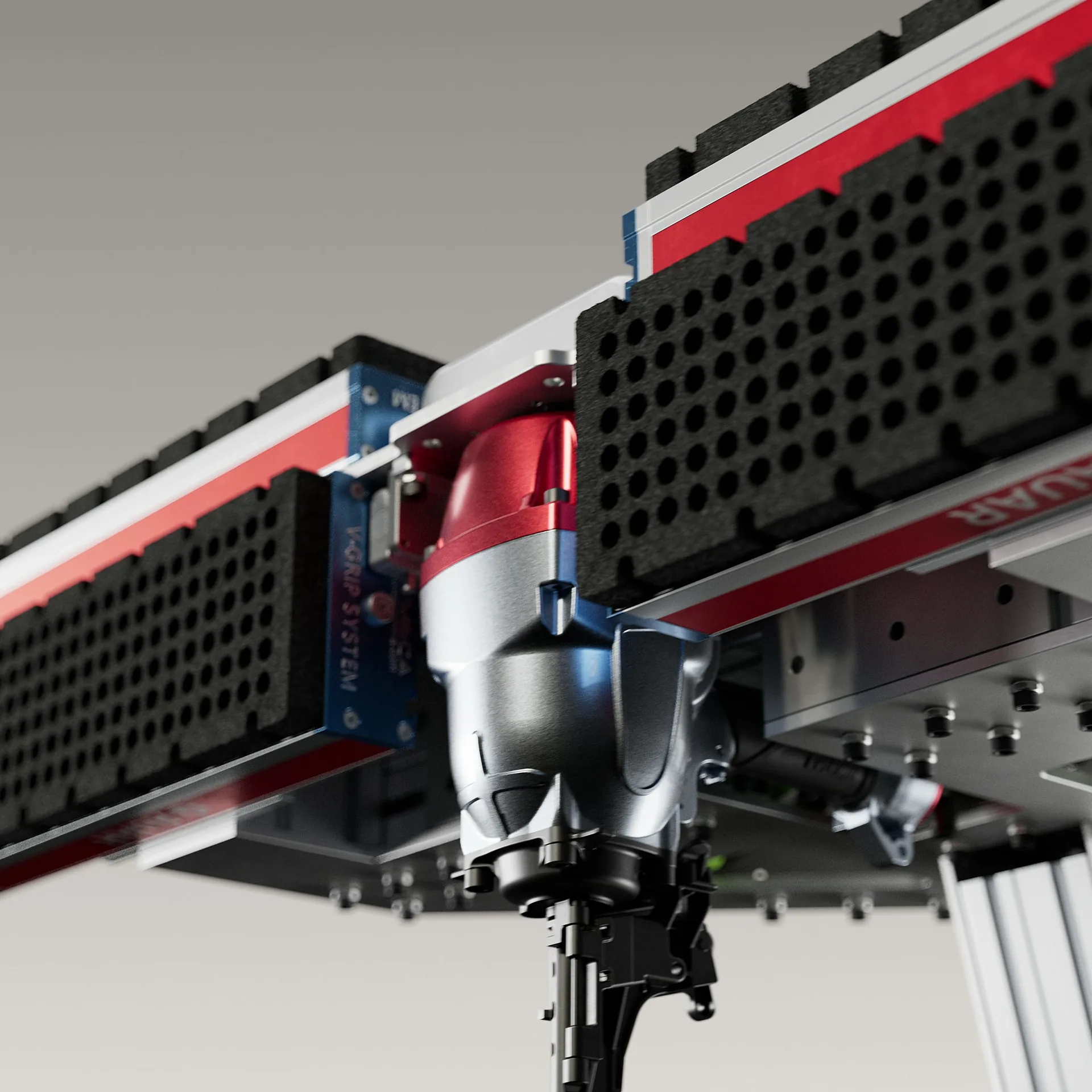
Grippers, fixings, and labels.
Grippers, fixings and component labels were modelled in close detail so an unbuilt machine reads as genuinely manufactured. The credibility lives in the small parts.
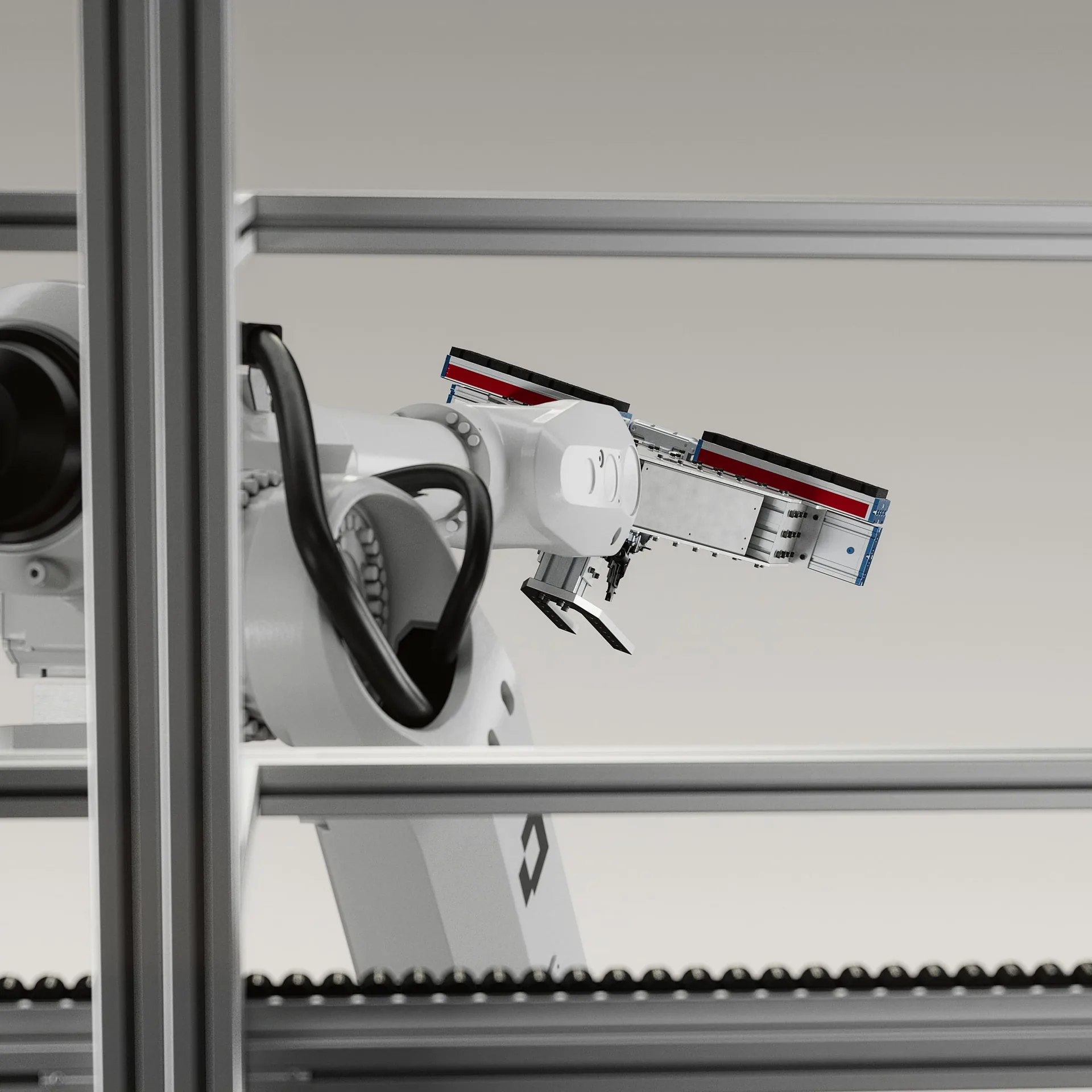
Wide to explain, macro to reward.
Wide frames explain the full system; macro frames reward its engineering detail. The product's own geometry was used as a framing device for the more creative compositions.
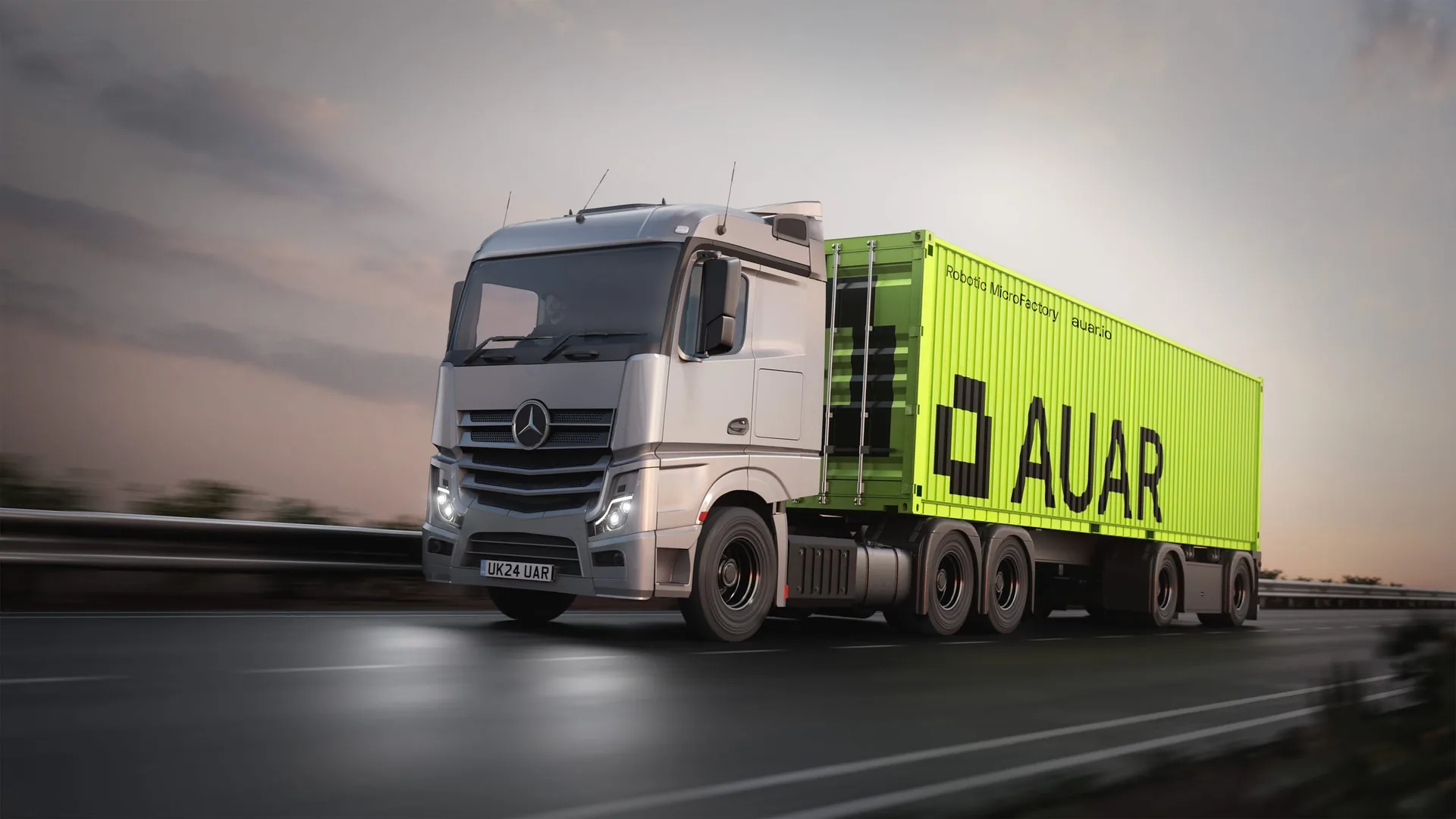
The set grew. Launch held.
The deliverable set expanded as the site took shape, 14 stills grew to 24, and the hero film tightened from 60 seconds to a 36-second cut. Everything still landed for launch.
Full still library
The stills that shipped.
The full library delivered for the launch, mixing studio, lifestyle and in-context scale references, all built from the same production.
Scalability
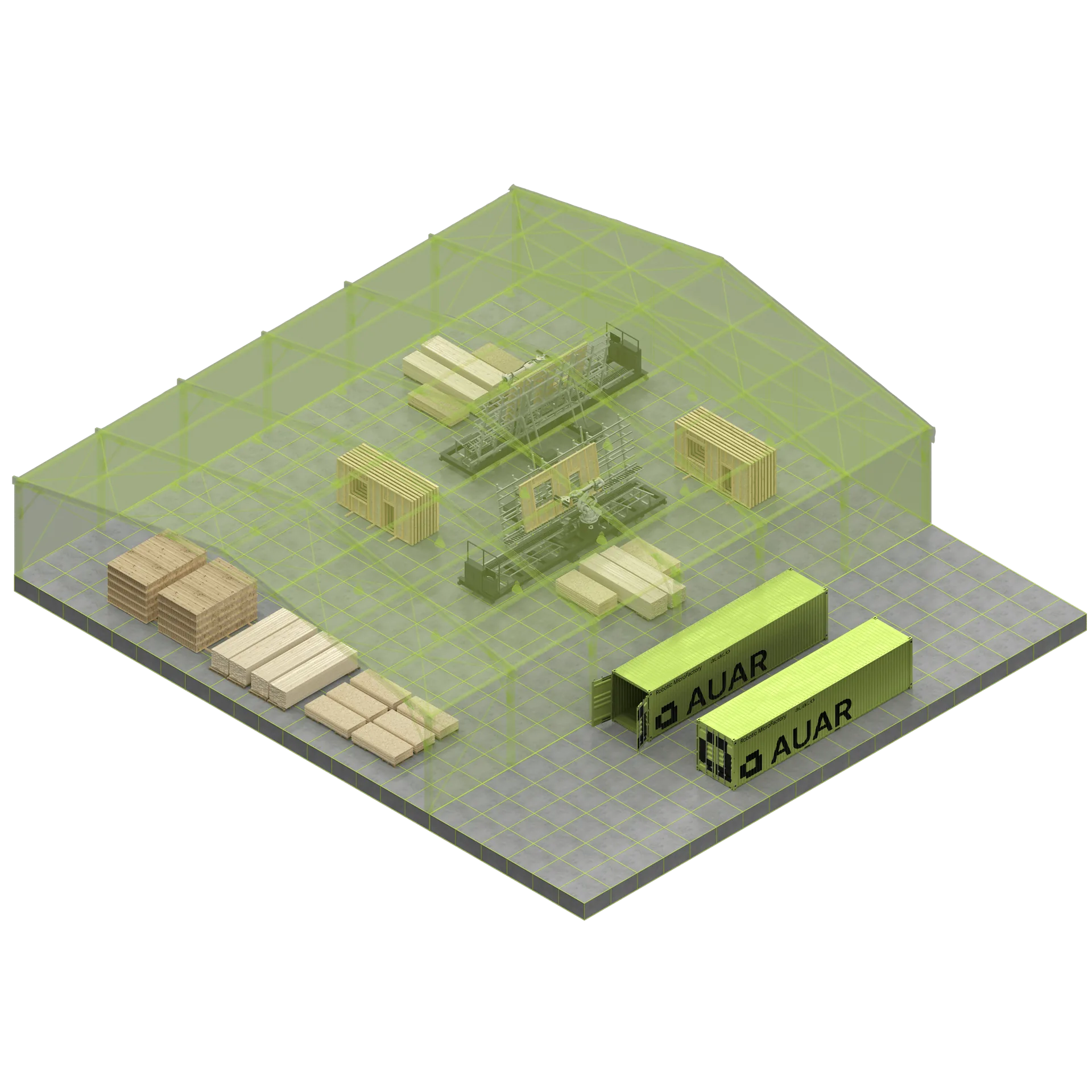
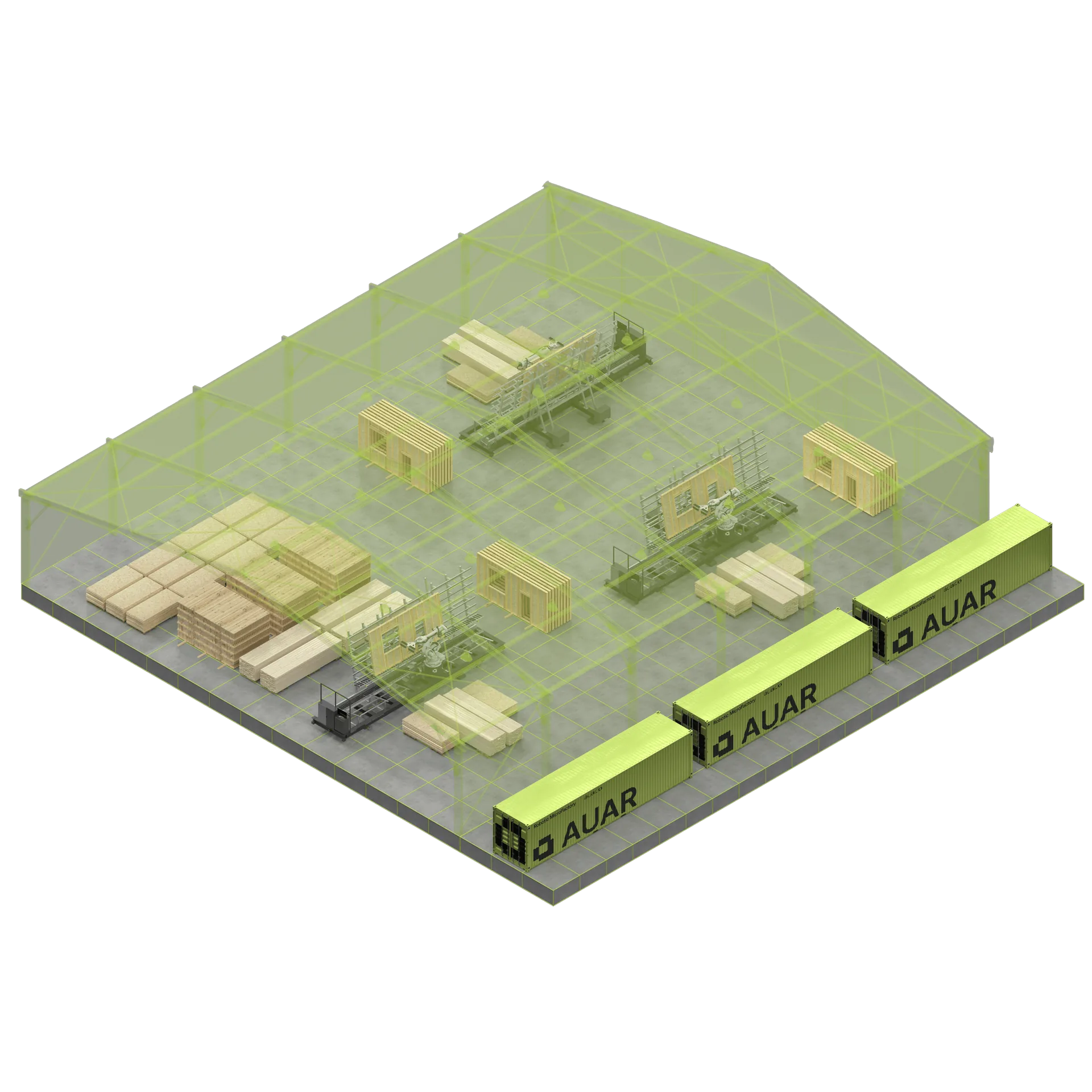
Deployment at scale.
Step through the six deployment configurations, from a single MicroFactory cell to a full multi-cell production site. Select a stage below to explore.
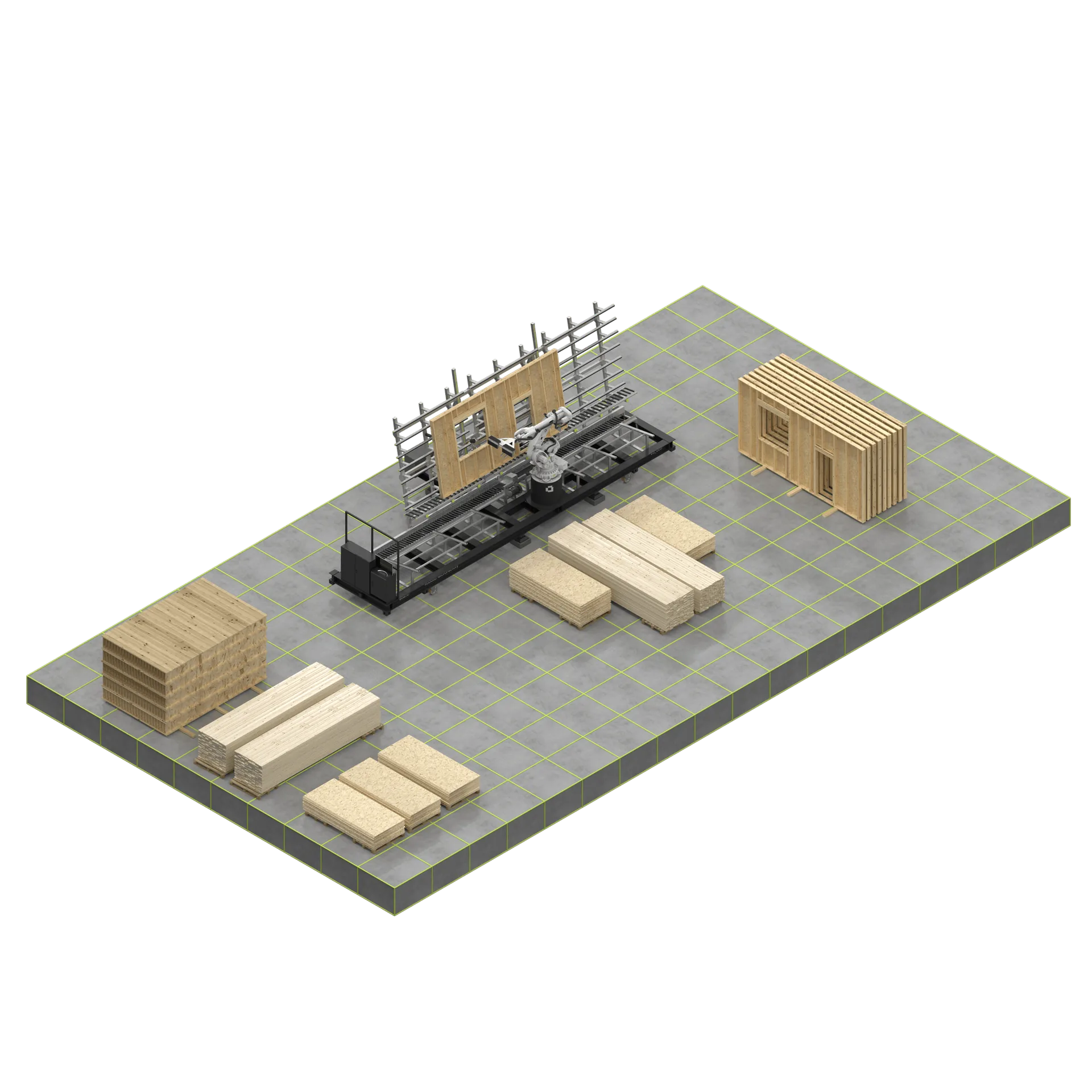
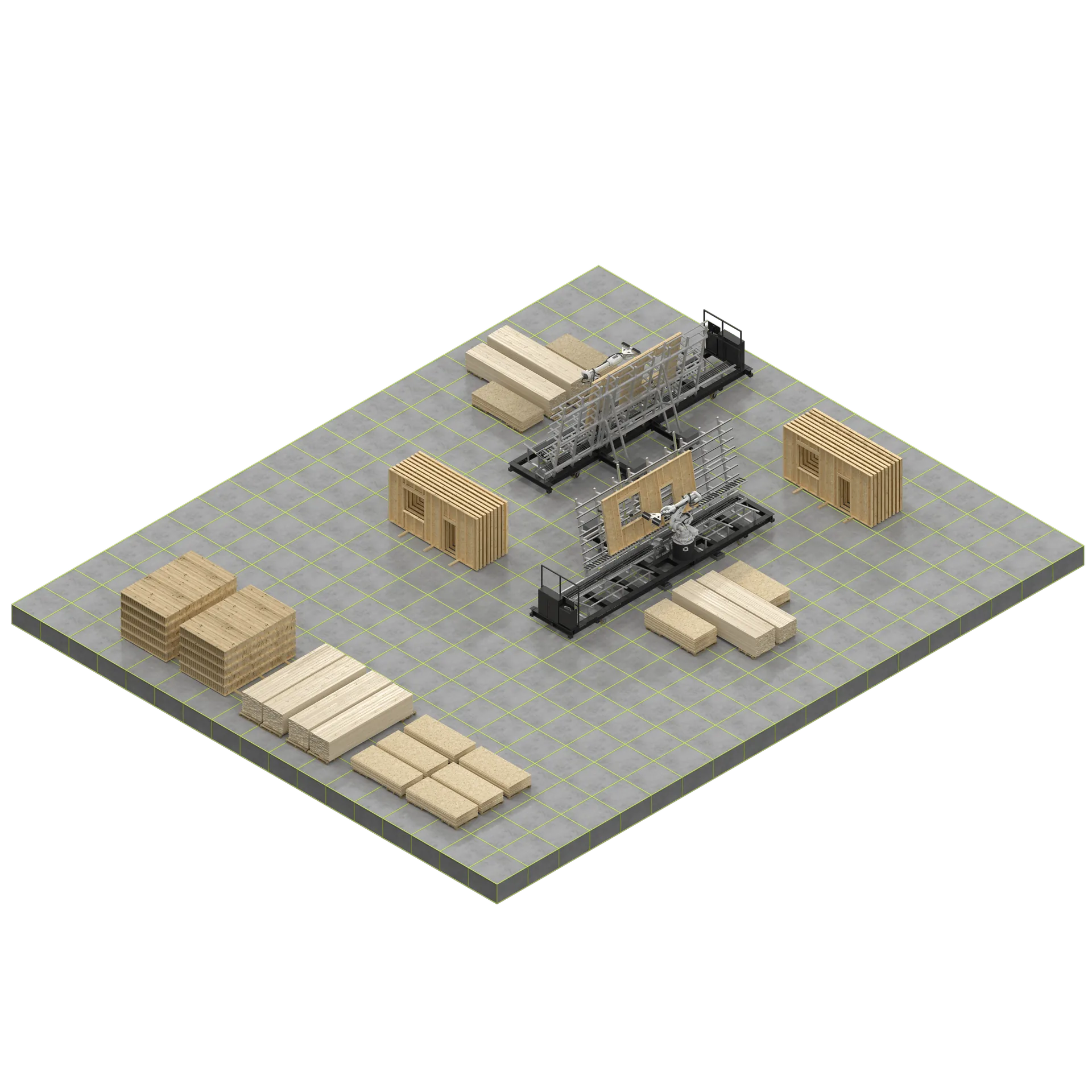
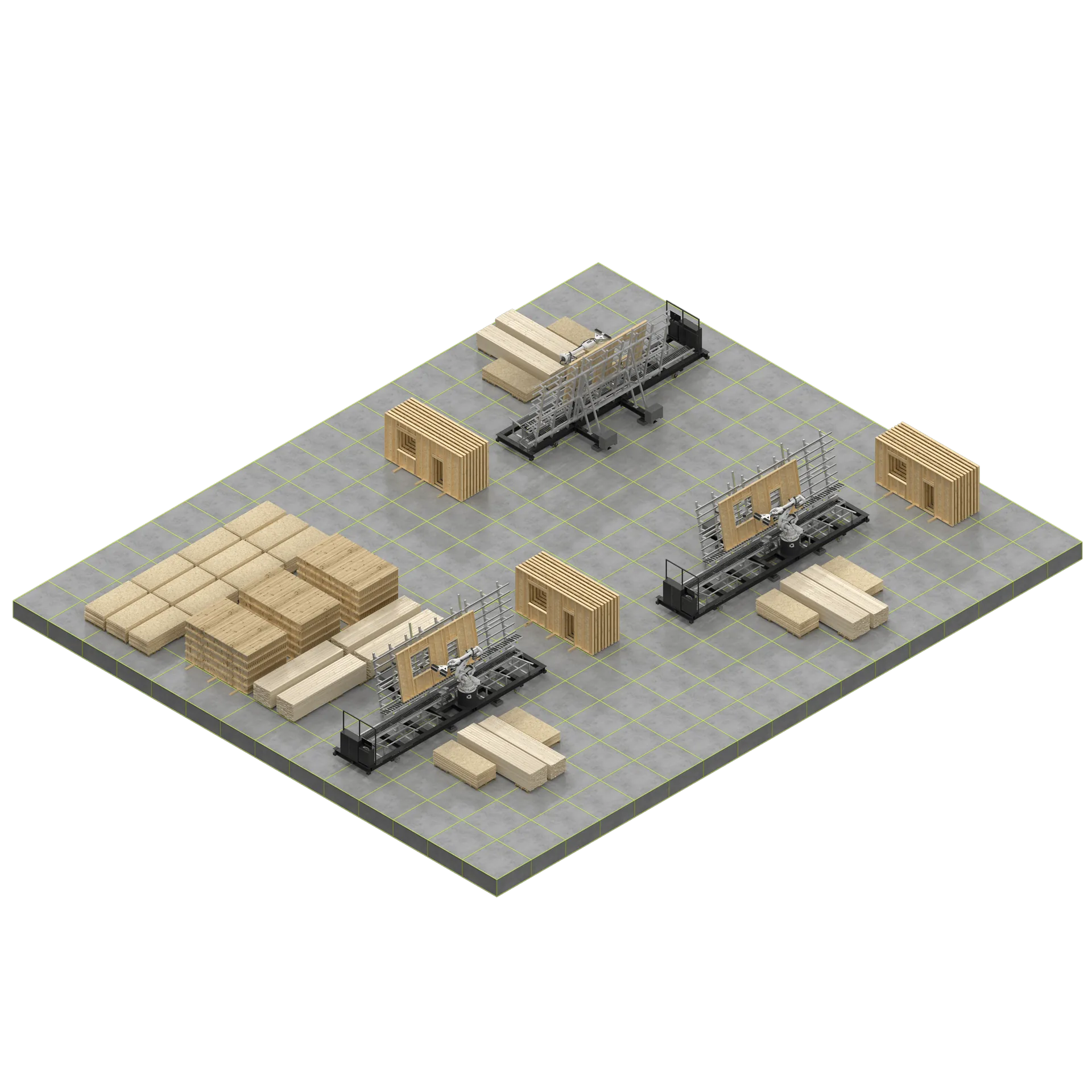
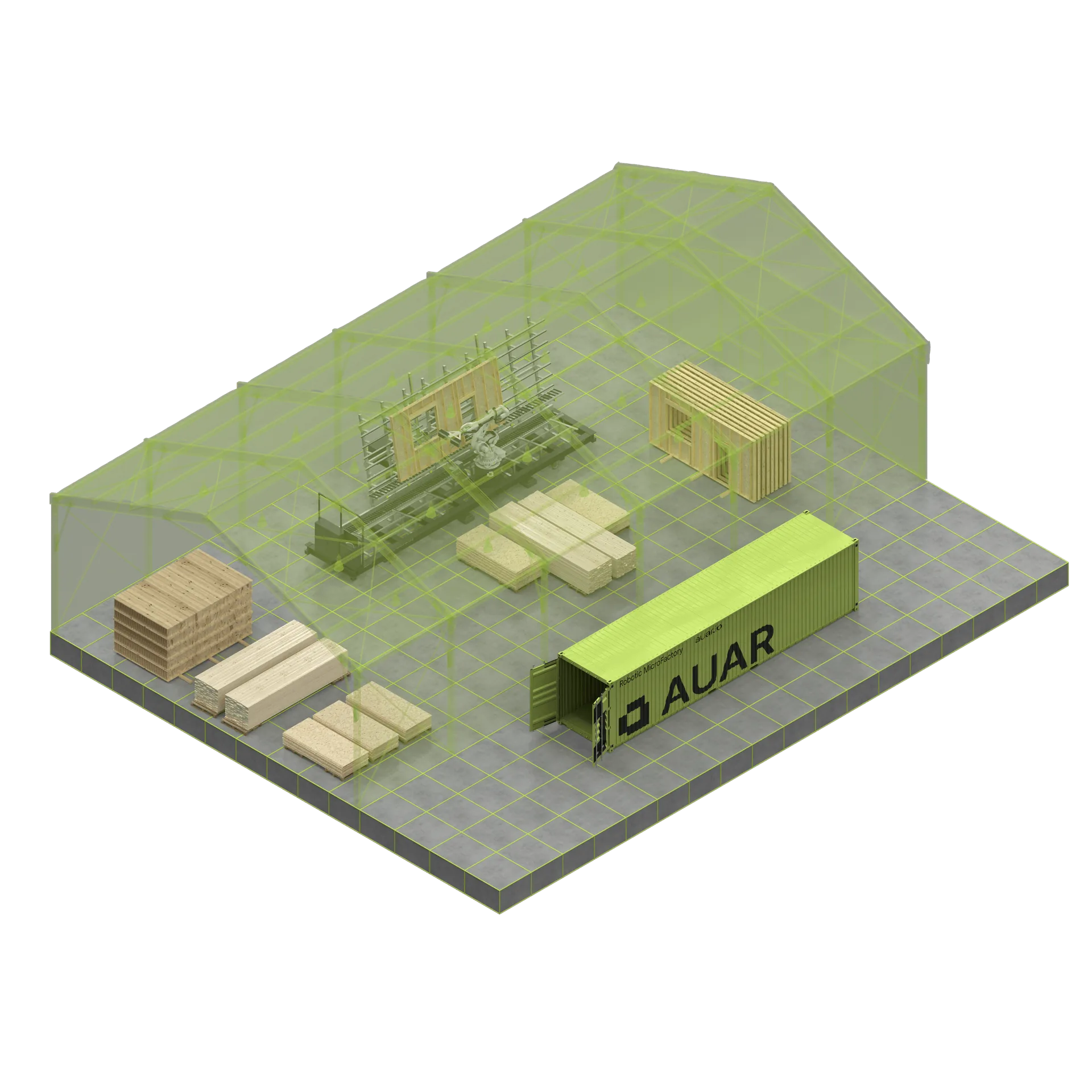
Selected shots
The film, shot by shot.
A curated set of sequences from the 36-second hero film, mixing landscape and vertical aspects for launch and social use. Hover any tile to play. The full film also has its own entry in our video gallery.
Compare Shot 02 below: the landscape file is 1920 × 1080 and its vertical version is 1080 × 1920, both four seconds long. These are two delivered views of the same launch sequence. For a new brief, XO3D plans extra render canvas where crops work and a custom camera where vertical framing needs it. See how we plan product animation for different channels.
Short-form cutdowns
Cut for social, paid and secondary placements.
Six focused cutdowns from the same hero source, each engineered to hit a single beat cleanly for the launch's social and paid channels. Hover to play.
Process reel
Inside the AUAR production.
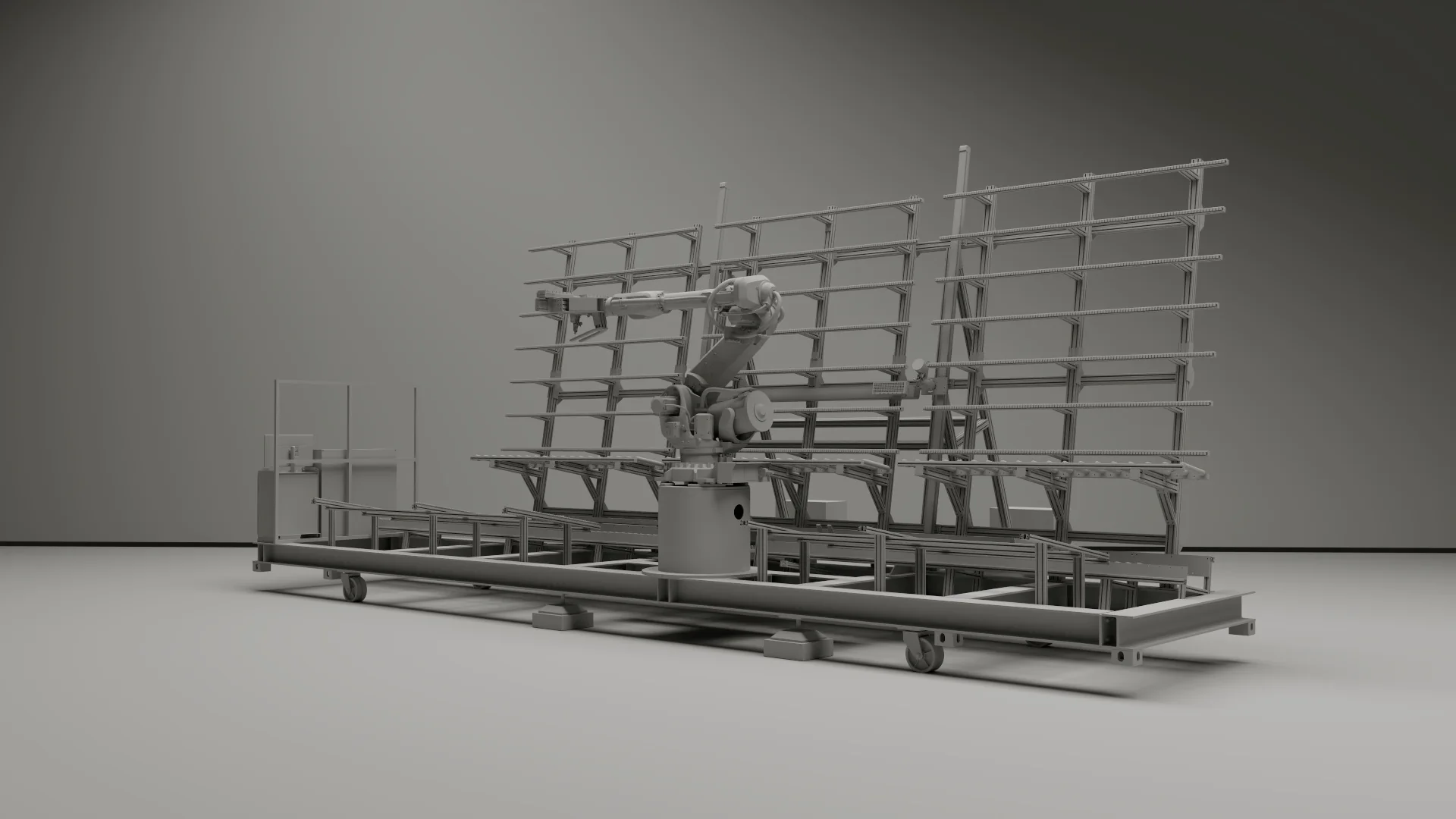
A short reel from the Directors Cut folder covering grey card, material development, lighting and camera studies from the AUAR sprint.
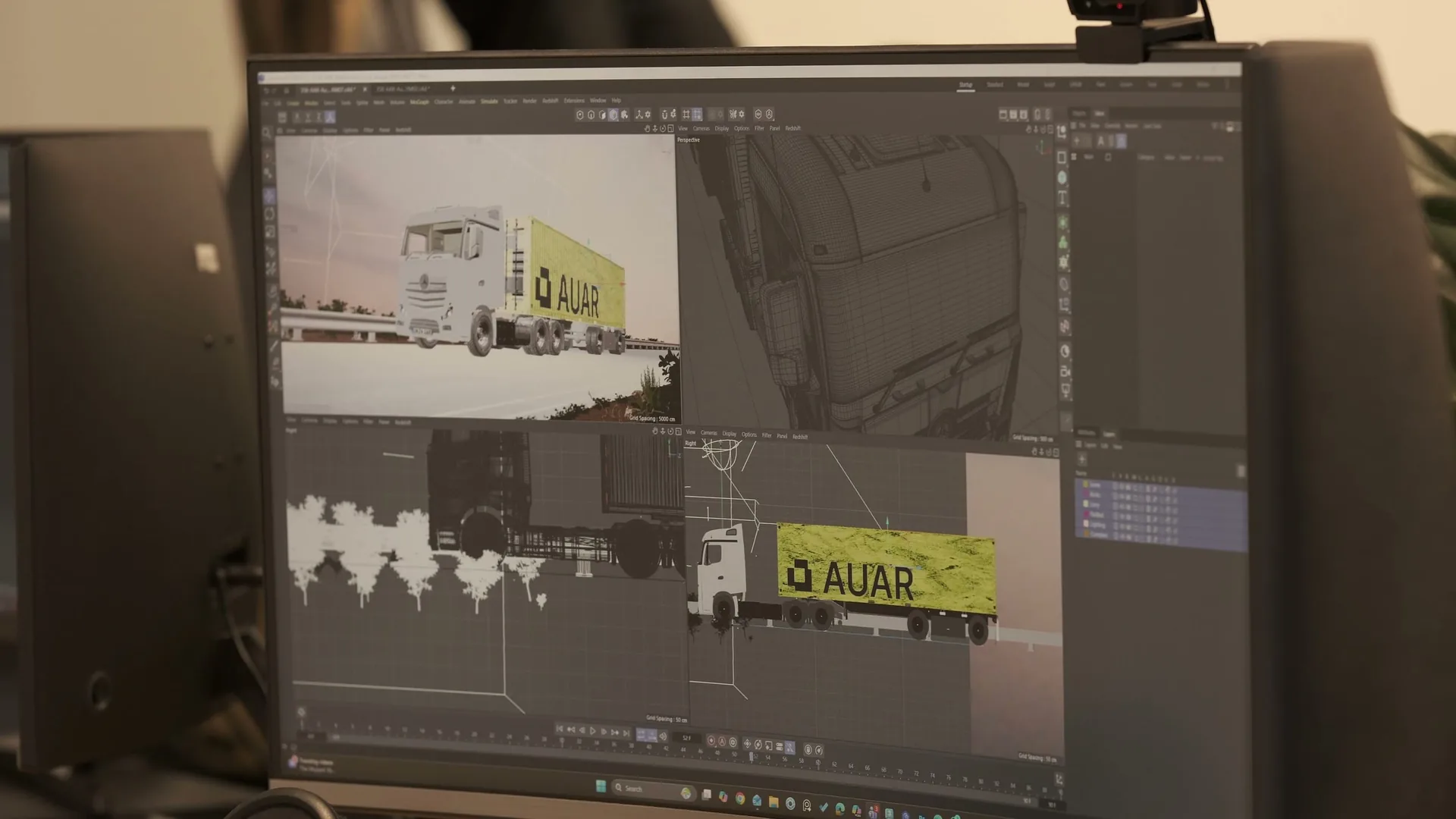
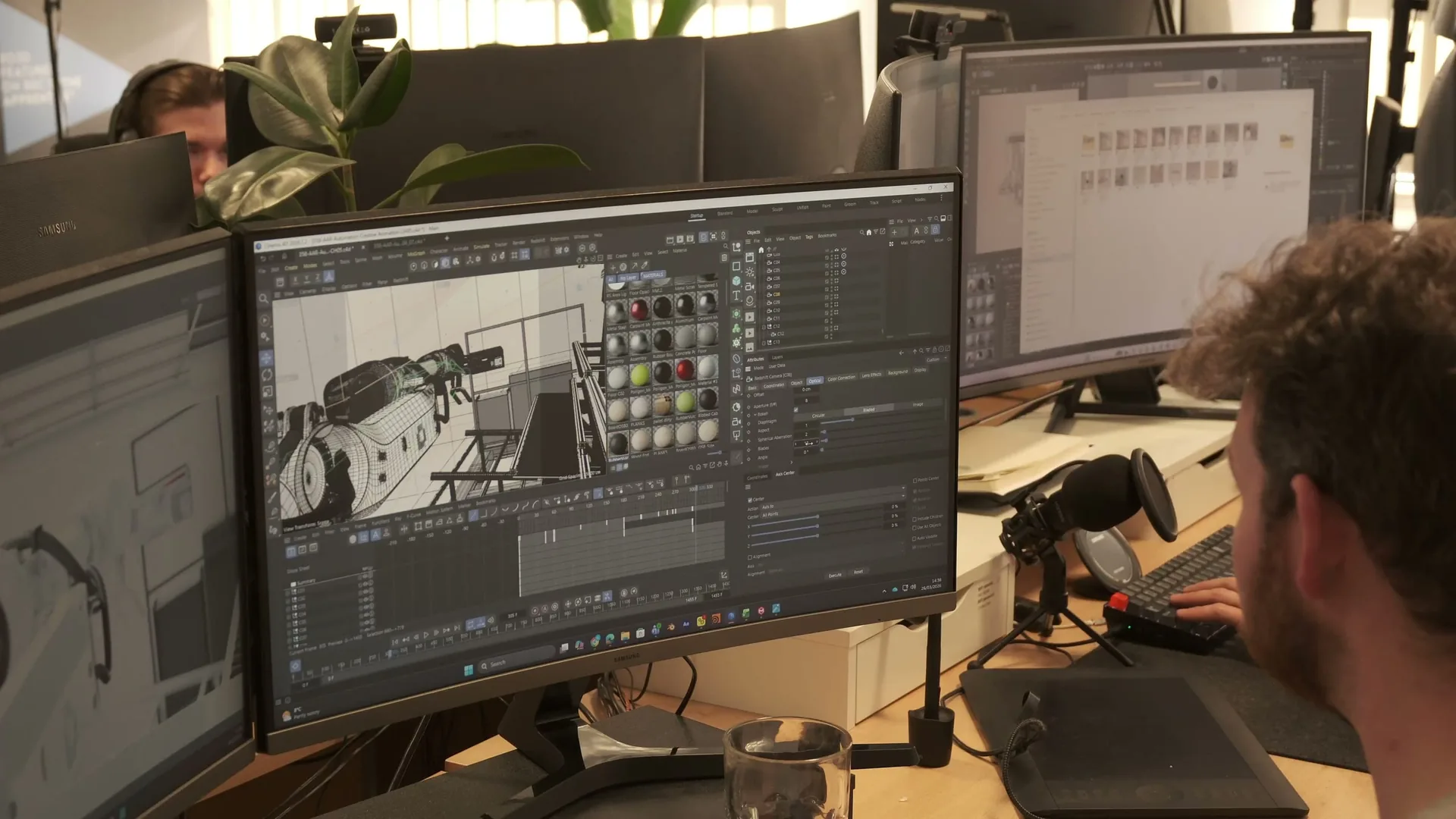
The robot's complex arm movements required detailed rigging in Cinema 4D. AUAR supplied videos of the prototype working in its factory and earlier versions of the robot, alongside stills showing how the product moved and looked in real life. These gave the team movement and appearance references. Cables, wires and the robot's intricate details were part of making the animation look photorealistic.
Selected compositions from the animation also became website stills. Other shots were created around AUAR's specific requirements, including showing how the robot is used within a factory. Reusing a strong film composition and creating a view to explain the factory setup served different jobs within the same production.
Behind the scenes
Inside the studio.
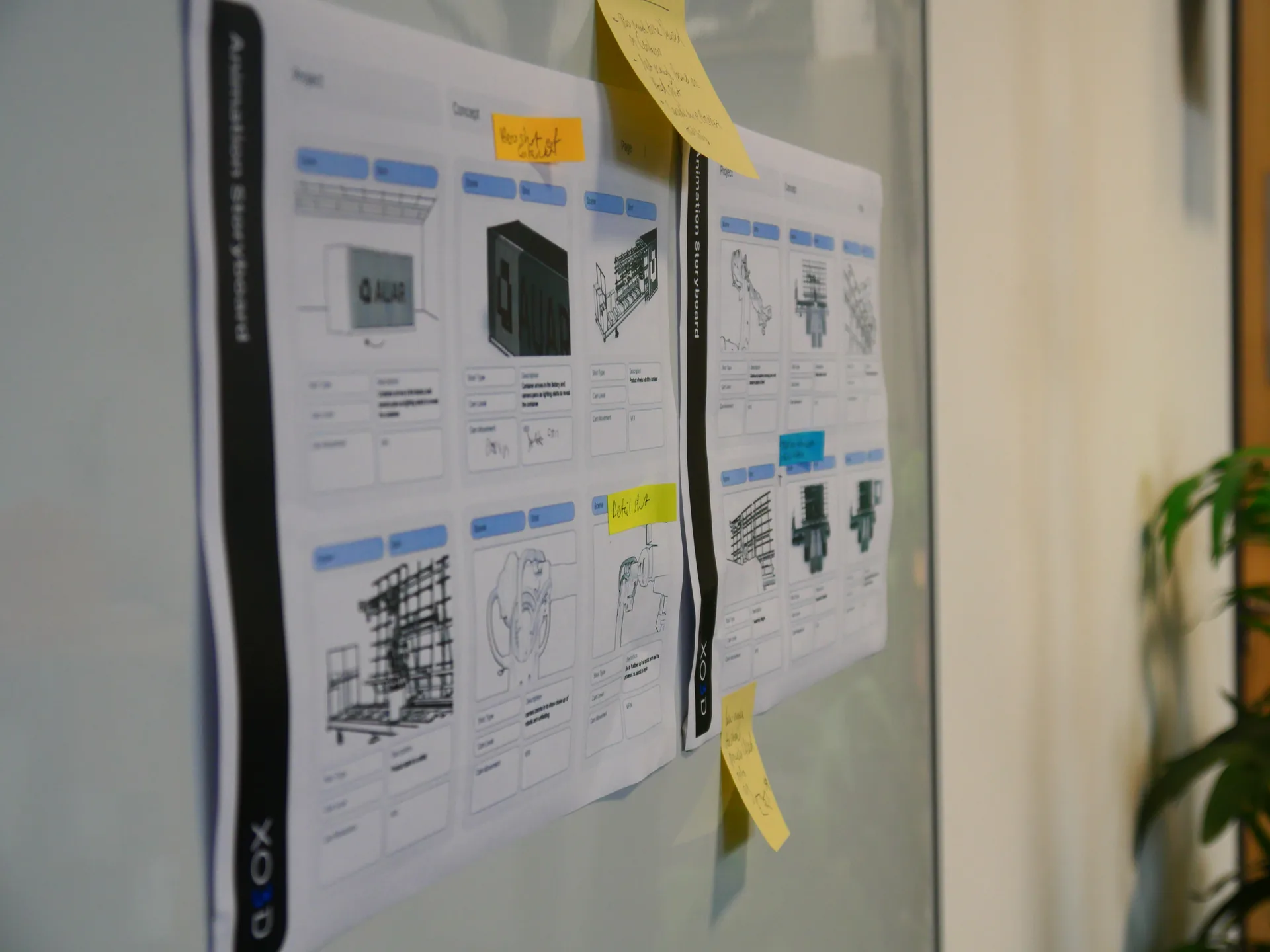
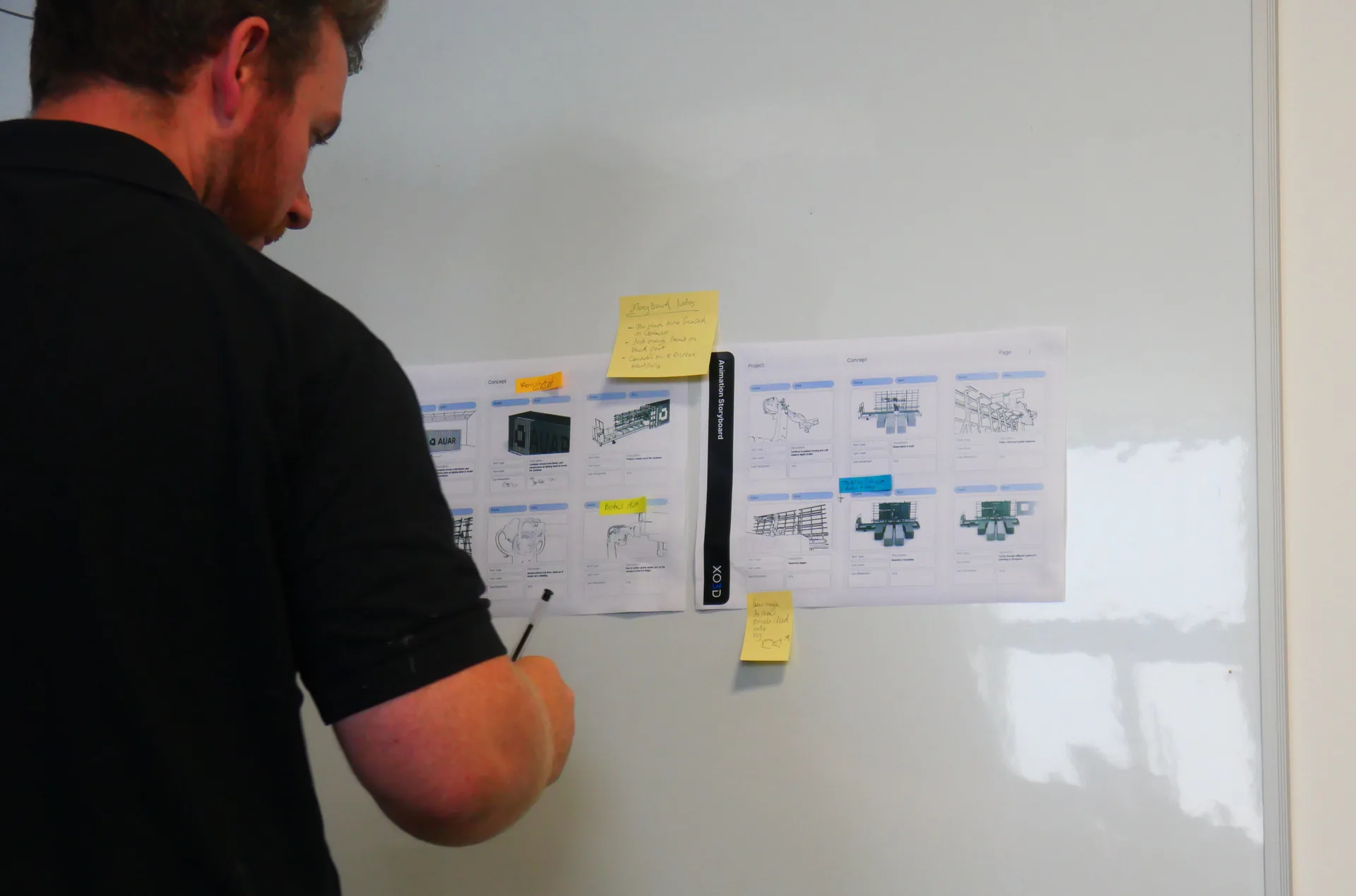
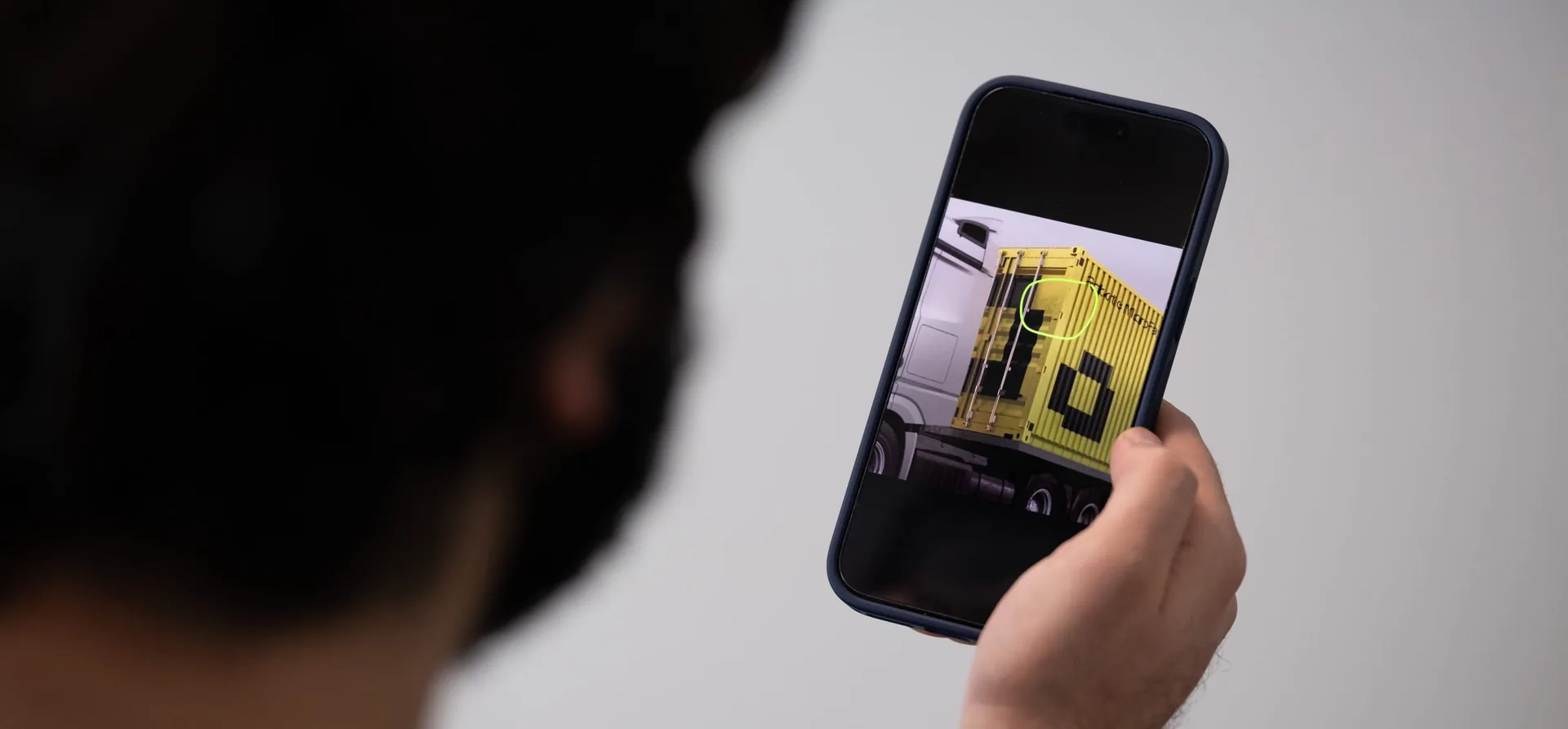
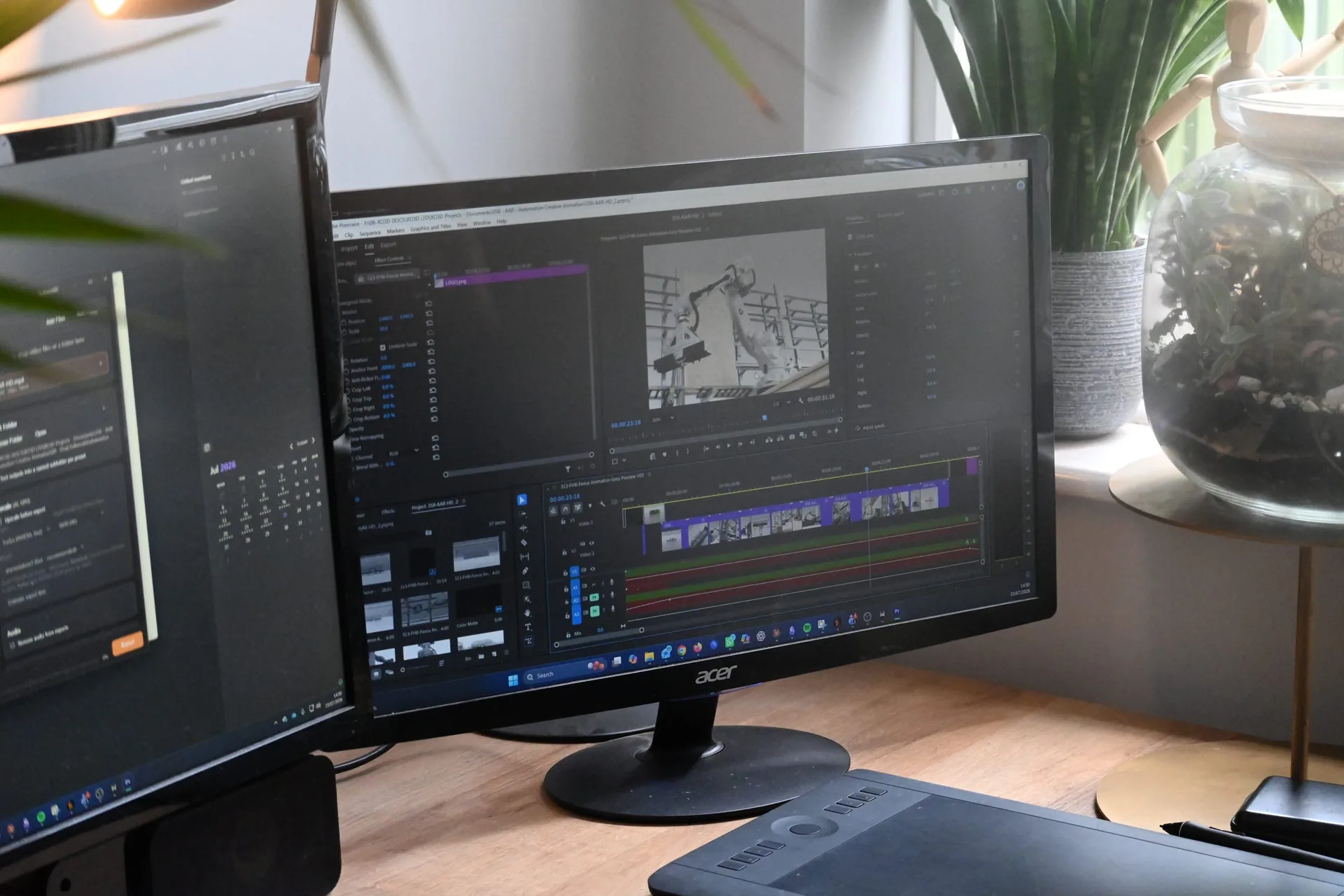
Storyboarding, frame reviews, lighting checks and shot approvals from the XO3D studio during the AUAR production sprint.
Tools
What we built the AUAR film in.
- Cinema 4D3D modelling + animation
- RedshiftGPU rendering
- After EffectsAnimation compositing
- PhotoshopStills post-production
Credits
The team behind the work.
Directed and Produced
XO3D
Executive Creative Director
Thomas Howcroft
Executive Creative Director
Alex Mann
Creative Director
Connor Hamilton-Smith
3D Modeller
Joseph Cletus
Sound Engineer
Gulliver Tickell
Coverage of the work: Stash featured XO3D’s AUAR MicroFactory film in July 2026. For background on AUAR’s research, UCL’s 2021 robotic house-building article now includes a link to this case study.
Your next project
A brief of your own.
Use the Bringing AUAR's Automated Architecture Microfactory to life project as a reference for the decisions you want to discuss. Identify the product detail, camera treatment or explanation that matters to your own audience, then scope the new work around your product.
A route to consider
Launch Visuals
A directed launch suite: film, stills and channel versions, scoped around the product story and release plan.
Bring these three things.
- What is useful about the Bringing AUAR's Automated Architecture Microfactory to life reference?
- What is different about your product?
- Where and when does the work need to appear?
Start with an outline. We review the product, intended outputs and timing before agreeing the production scope.
More case studies
Related industrial work.
Petalite
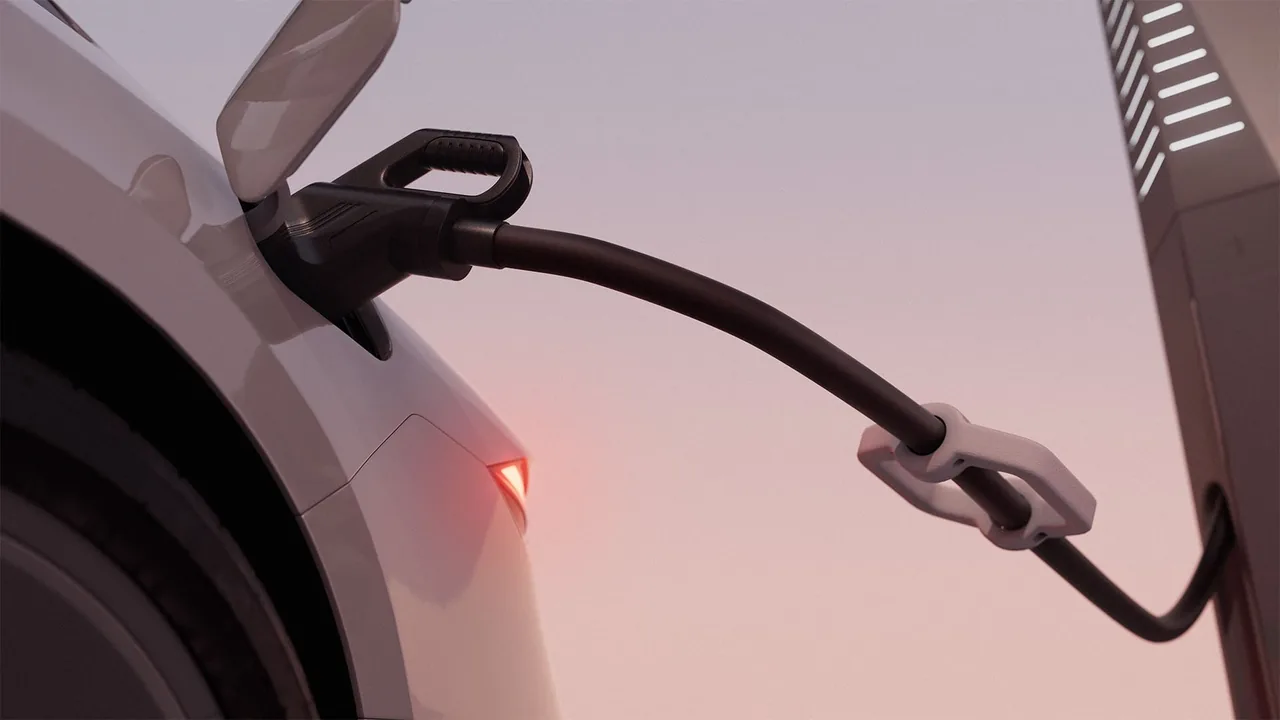
Engineering-grade CGI for Petalite's 1MW EV charging technology, built from evolving CAD, delivered investor-ready.
View case study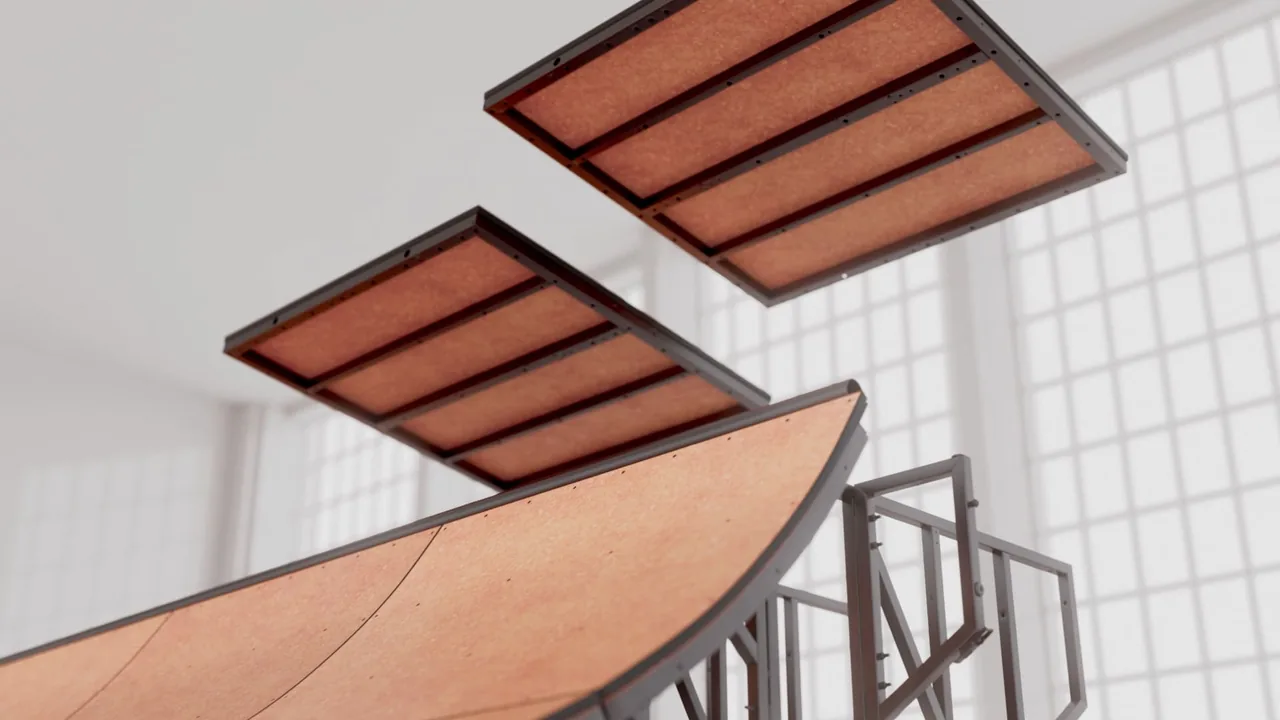
Nanuskate
Cinematic product CGI for Nanuskate's modular skate infrastructure, engineered visuals that turn a complex system into a clear premium story.
View case study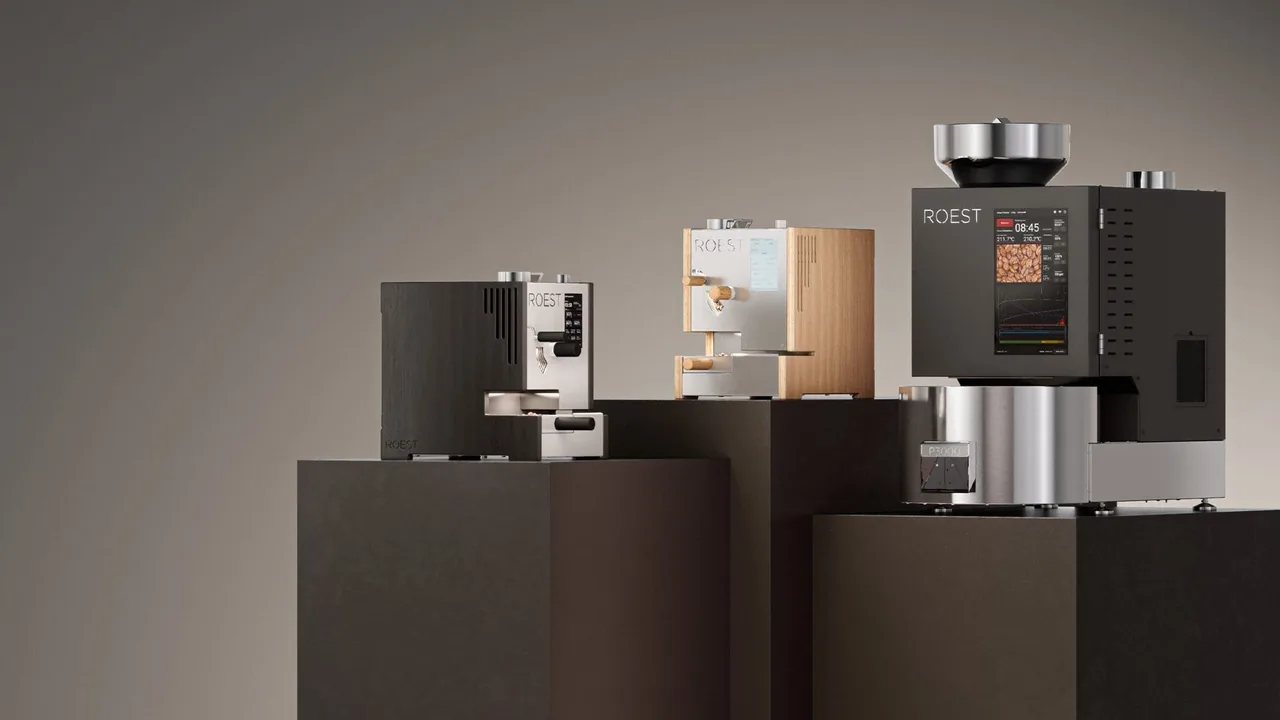
ROEST
Premium product film for ROEST's sample coffee roaster, precision engineering and material finish, communicated to a specialist audience.
View case study
The production story
Studio Commentary.
AUAR needed a full CGI content suite for a website launch built around a period of real commercial momentum, press coverage, investment and awards were all landing at the same time, and the site had to reflect that weight.
The scope evolved as AUAR shaped their new site. The still set grew from 14 to 24 assets, and the hero film sharpened from 60 seconds to a tighter 36-second cut. Adapting quickly to the shifting brief while holding the launch date was the production story.
Close client collaboration made the credibility possible. Making an unbuilt product read as genuinely manufactured comes down to the small details, the grippers, the fixings, the labels, and only ships when the client and studio work as one team on those details.
Projects like this, robotics, industrial automation and Physical AI, are the kind of work the studio actively looks for. Communicating an unbuilt robot cell so it feels approachable, trustworthy and real is what a director-led CGI studio is built for.