
Dermalux
Compact MD.
XO3D’s medical product feature animation for Dermalux’s Compact MD: photoreal CGI, dark and mysterious lighting, close views of the LED panels and a moving-head sequence, made for the brand’s marketing.
Hero film
The full hero film.
This film shows the Compact MD’s form, its LED panels, its movable head and the agreed creative treatment. It is not evidence of clinical effectiveness or regulatory approval, and this page is not a guide to buying or using the device.
The light and airflow effects are visual treatments made for the film, not measurements of the device. Approved device information, and the review of any clinical or regulatory wording, sit with Dermalux.
The Brief
Mysterious, clinical, and unmistakably premium.
Dermalux is a British brand in professional LED Phototherapy, their devices are medically certified, clinically proven and backed by science. They approached us to produce high-end 3D animations and renders for their entire range, with Compact MD positioned as a flagship piece of the launch suite.
The brief called for marketing and promotional content that would spotlight each product’s attributes, visual appeal and operational capability, opening in dark, shadowy environments and using product reveal sequences and close-ups to engage the audience.
We delivered a product film library where every shot, hero reveal, airflow VFX, LED detail and articulation, shares one visual language, ready for campaigns, product pages, decks and trade-show use.
The communication job
What the film needed to communicate.
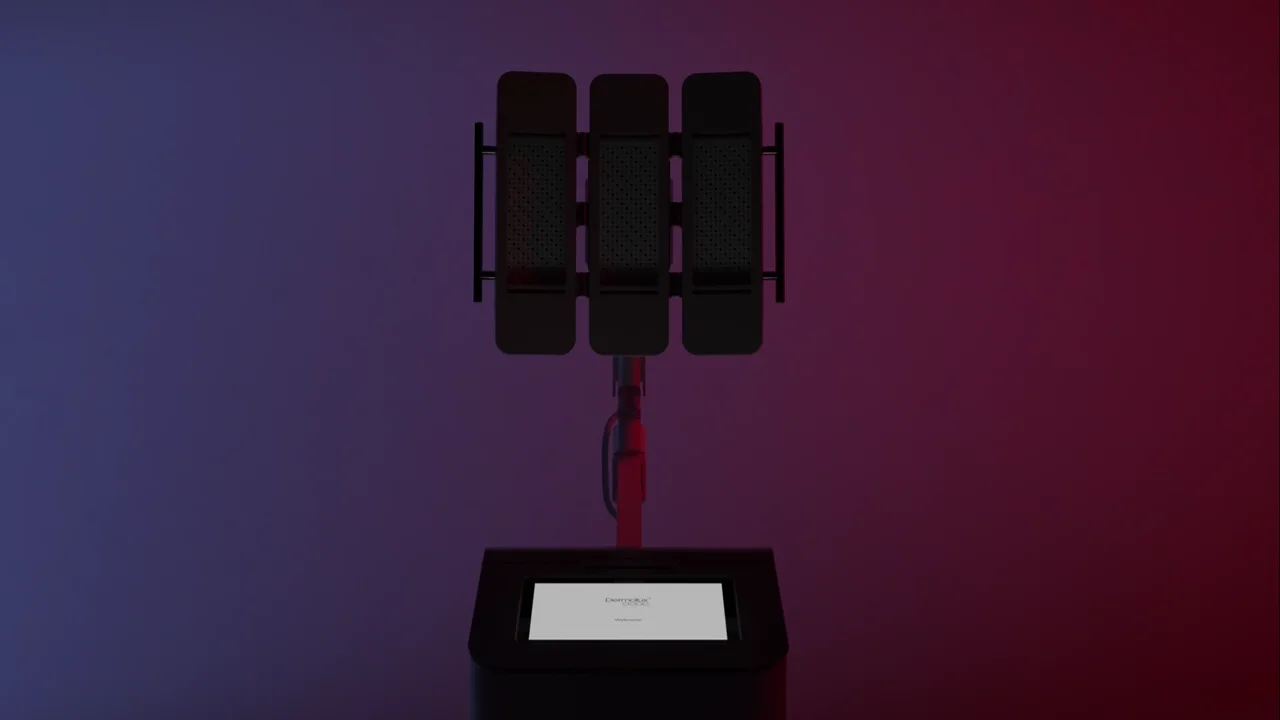
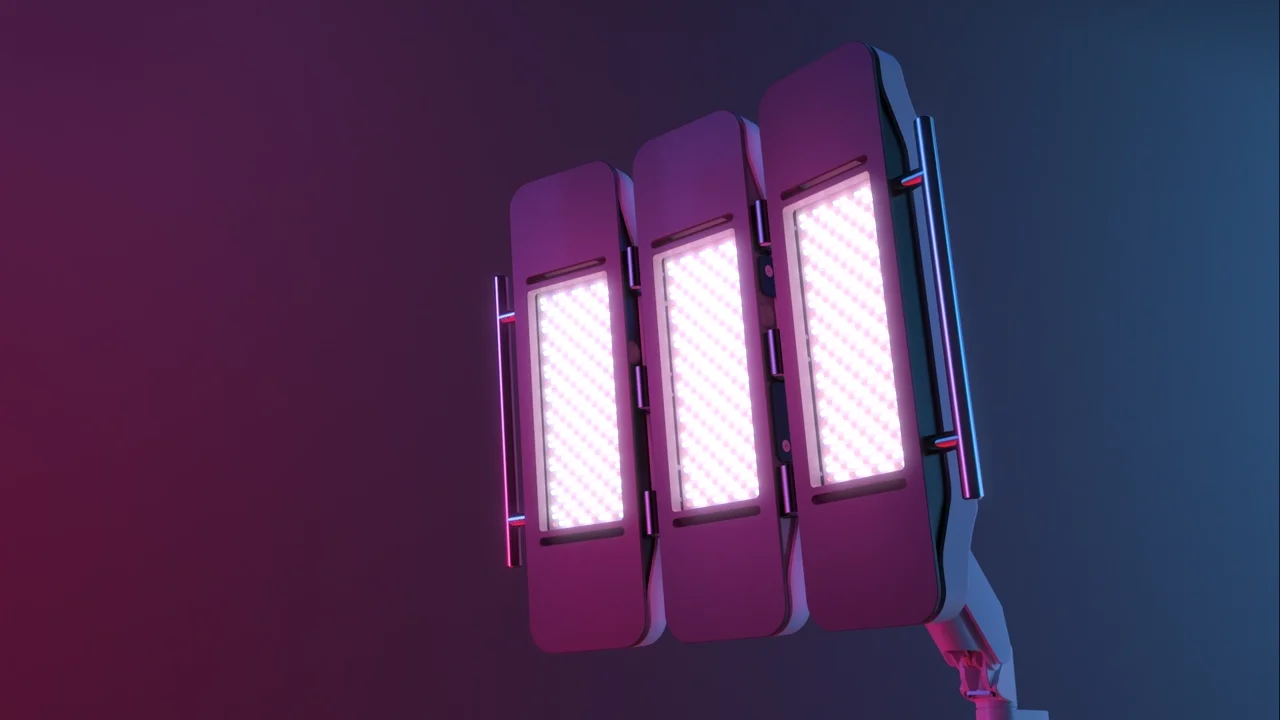
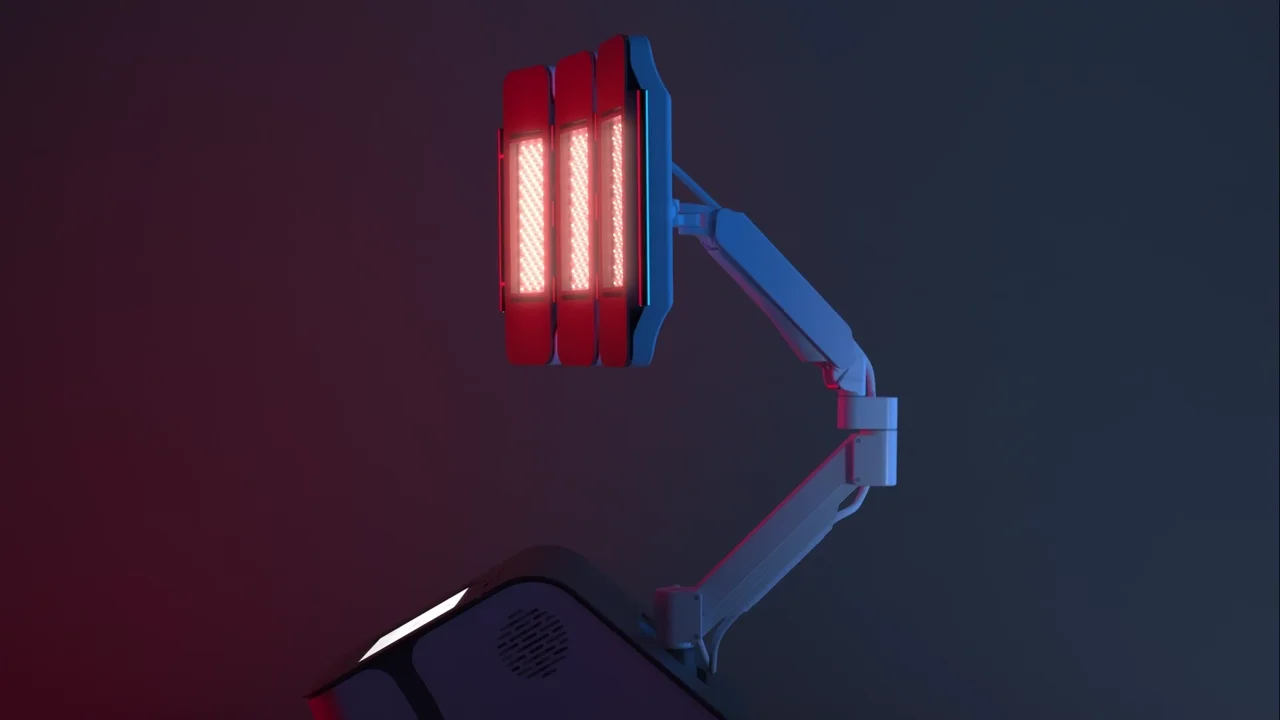
Three things, in one consistent dark-to-light language. First, a product reveal: the Compact MD emerges from a dark set, so its overall shape lands before any detail. Second, the LED detail: close framing on the three panels, the feature that sets the device apart visually. Third, the movable head: a sequence that shows the head and arm adjusting, which a still image cannot do.
Every shot in the library works inside those three jobs, from the hero film to the short marketing cuts. The aim was clear product presentation for Dermalux’s marketing. The film describes how the device looks and moves; it makes no claim about what the device does for a patient.
Project answer
Why use CGI for this project?
- What we made
XO3D produced a medical product film library for Dermalux's Compact MD LED phototherapy device.
- Why CGI
CGI allowed controlled macro views of the LED array, airflow and articulated head while keeping the dark-to-light visual language consistent across every shot.
- What was delivered
Dermalux received hero reveals, LED and airflow detail, group compositions, process sequences and campaign-ready stills.
Film gallery
See this project in motion.
The Work
From hero film to macro VFX, one pipeline.
A complete CGI library: cinematic reveal films, airflow and light VFX, articulation sequences and macro details, all produced through one Technical CGI source for total visual consistency across the Dermalux marketing rollout.
A cinematic reveal in a dark set.
The headline film opens in a dark, mysterious environment, letting the Compact MD emerge through controlled lighting and macro framing. Brand-led rigs and photoreal CGI give it a premium look in keeping with Dermalux’s position as a professional LED Phototherapy brand.
Invisible engineering, made visible.
A dedicated airflow shot uses subtle VFX to communicate the device’s internal cooling, letting clinicians and customers visualise an attribute that’s impossible to capture with traditional product photography.
Compact MD within the Dermalux range.
A choreographed group shot positions the Compact MD alongside the wider Dermalux portfolio. Because every product is rendered from the same CGI source, the line-up reads as one consistent family, useful across web, decks and trade-show assets.
Macro detail on the LED head.
A precision close-up on the LED phototherapy array, the product’s defining feature. Advanced rendering techniques deliver the level of realism the client asked for, with every diode, surface finish and joint reading clearly on screen.
The light, in the language of CGI.
A bespoke light-emission shot built around the LED array, giving the product’s defining feature its own visual moment without diagrams or voiceover. The glow is a creative rendering of light, not a measurement of the device’s output or a depiction of a treatment effect.
The movable head, explained in motion.
The Compact MD’s articulated head is one of its core functional attributes. A focused motion sequence shows the head and arm moving, so viewers can follow how the arrangement adjusts at a glance.
Three visual decisions
Dark set, close panels, a moving head.
Three frames taken from the clips above, and the creative choice behind each. They describe lighting, framing and on-screen motion, not how the device works inside.
Marketing-Ready Assets
Feature cuts for web, social and decks.
A library of feature shots produced from the same CGI source, drop-in ready for product pages, paid social, sales decks and trade-show loops.
Macro Detail
Close detail on the monitor and LED head.
Macro framing on the monitor and the LED head, where surfaces, edges and finish read clearly on screen.
Process
Greycard before final light.
The clip below shows the same shot twice: as a greycard, an untextured grey render, and as the final render. Seeing them side by side separates two kinds of decision. The greycard shows motion, framing and timing on their own, without colour or reflections to distract from them. The final render adds lighting, materials and the lit LED panels. Keeping those stages apart makes it easier to judge each one, and it means a change to camera or timing is caught before the slower lighting work. The greycard is a review of the film, not an approval of the device or of any medical wording.
The Dermalux range
One visual language across the range.
The Compact MD was one of several Dermalux devices XO3D animated. The group shot in this library places it in a line-up, and the same dark-to-light treatment, close LED framing and controlled colour run through the other films. Each device has its own project and its own case study: the Dermalux Flex MD and the Dermalux Flex Mini.
The shared language is a creative choice. It does not say that the devices serve the same users or the same uses. For the wider sector context, see medical and health technology CGI.
Commissioning questions
Planning a similar film.
What does this project show about product reveals?
It shows a reveal built from light: the Compact MD starts in a dark set and is brought out through controlled lighting and close framing, with the lit LED panels as the focus. The same dark-to-light language runs across the reveal, the detail shots and the moving-head sequence.
What does the greycard comparison help review?
It shows the same shot as an untextured grey render and as the final render. The grey version makes motion, framing and timing easy to judge before lighting and materials are added. It is a review of the film, not an approval of the device or of any medical wording.
What should a new medical device brief bring?
The current device revision, CAD or drawings, approved dimensions, labels and screen states, material references, the approved claims and the names of the people who sign off product information. The product CGI brief template lists them.
Read about technical CGI for product explanation, plan a product CGI film or prepare your product brief.
Your next project
A brief of your own.
Use the Compact MD project as a reference for the decisions you want to discuss. Identify the product detail, camera treatment or explanation that matters to your own audience, then scope the new work around your product.
A route to consider
Product CGI Films
A product film developed through creative treatment, storyboard, animatic, product review and final picture and sound.
Bring these three things.
- What is useful about the Compact MD reference?
- What is different about your product?
- Where and when does the work need to appear?
Start with an outline. We review the product, intended outputs and timing before agreeing the production scope.
Related work
More from the studio.
Dermalux
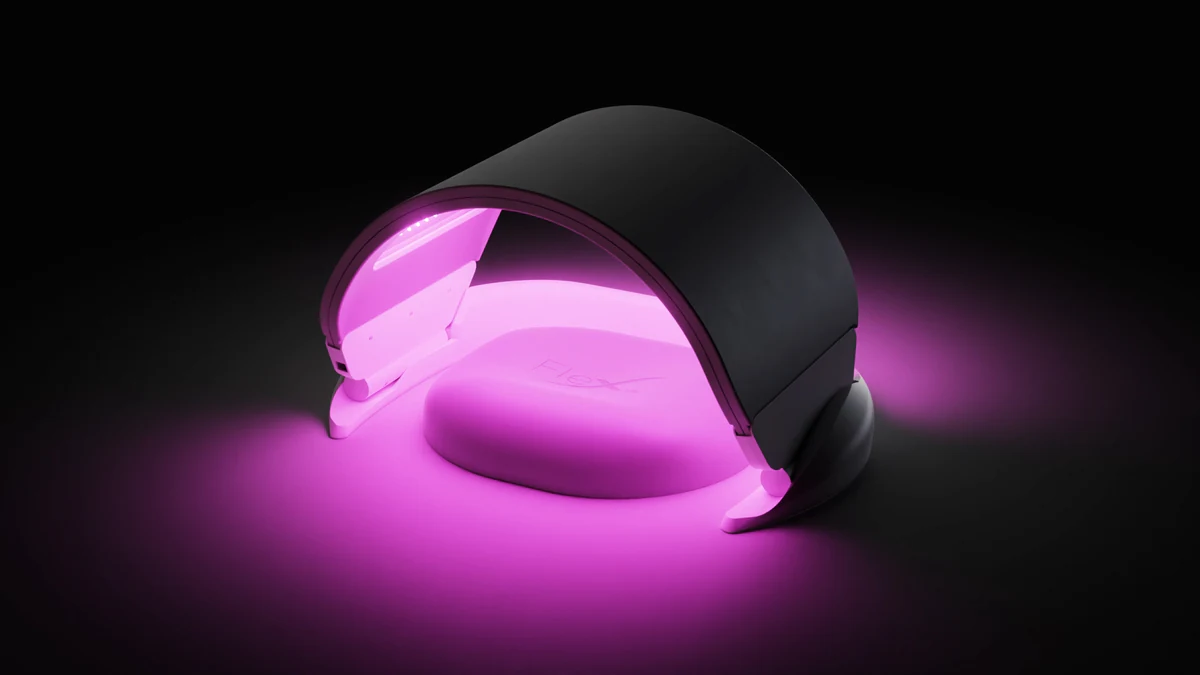
XO3D created premium 3D animation for Dermalux’s Flex MD professional LED phototherapy product.
View case study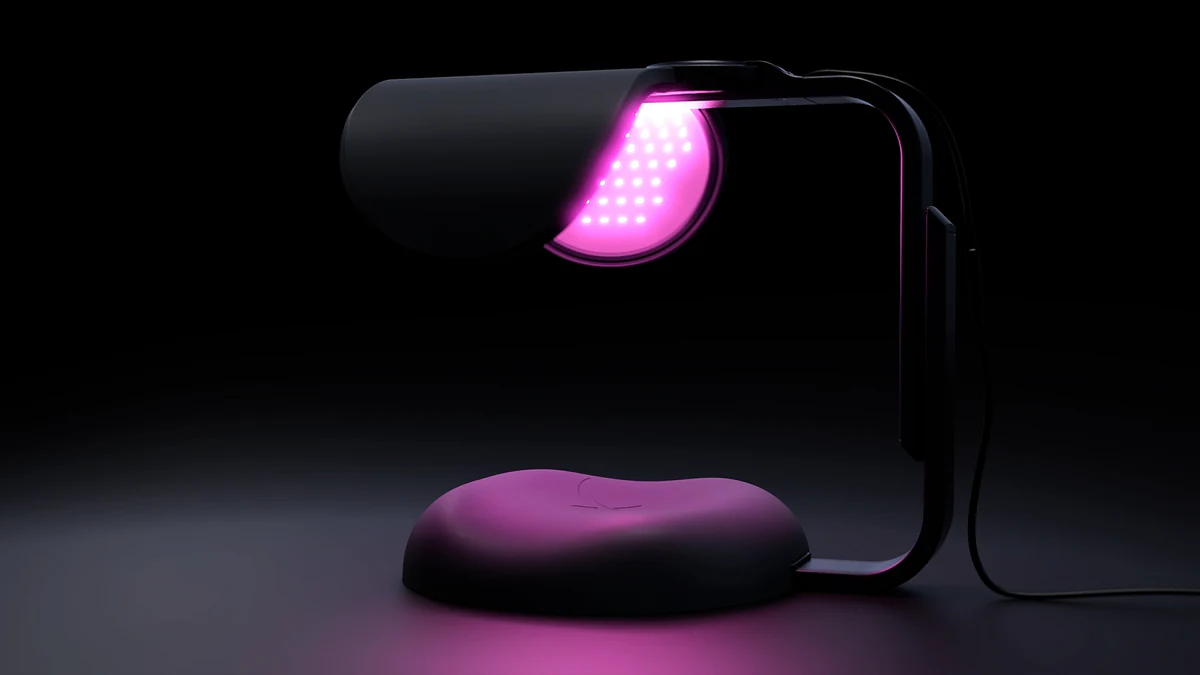
Dermalux
XO3D built a cinematic CGI launch library for Dermalux’s Flex Mini LED phototherapy device.
View case study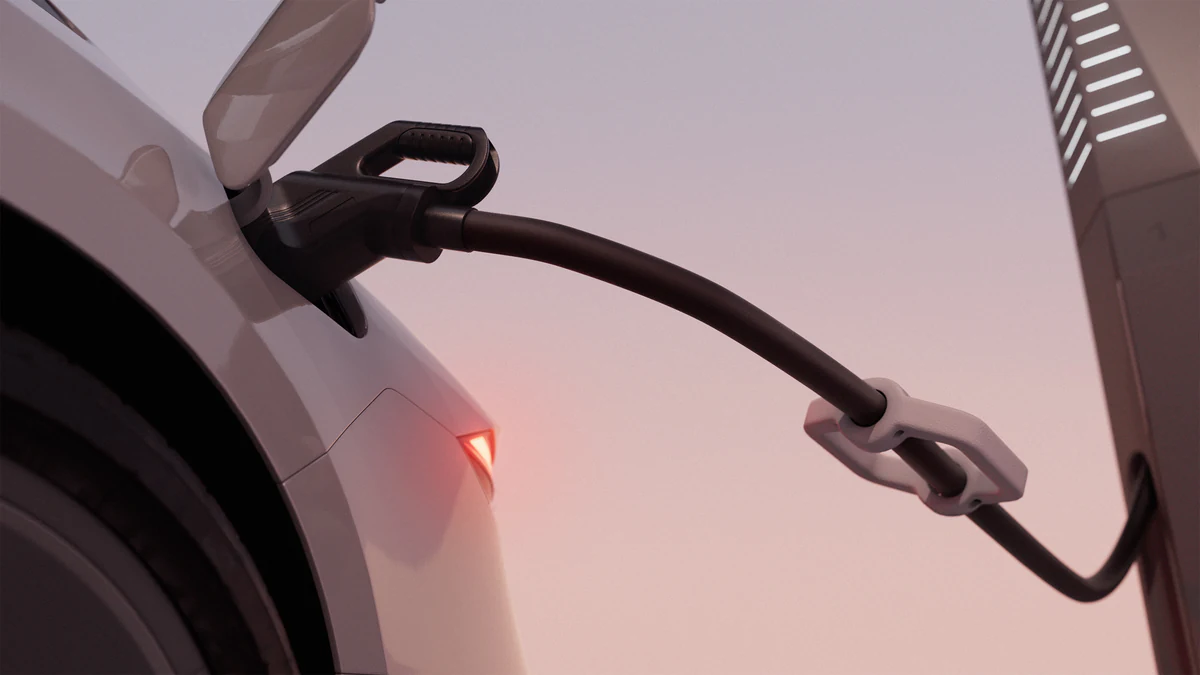
Petalite
XO3D created investor-ready animation and CGI for Petalite’s 1MW electric-vehicle charging system from evolving CAD.
View case study
What challenges were there during production?
Studio Commentary.
The Compact MD project hinged on the LED array and its movable components, the parts that define how the product reads on screen.
To meet the client’s demand for heightened realism, we leaned into advanced rendering techniques and an iterative storyboard process, with meticulous documentation between reviews.
The result is a film library where every shot, from the dark hero reveal to the airflow VFX, shares one consistent visual language.