
How VR Is Changing Ecommerce: A Practical Guide
TL;DR
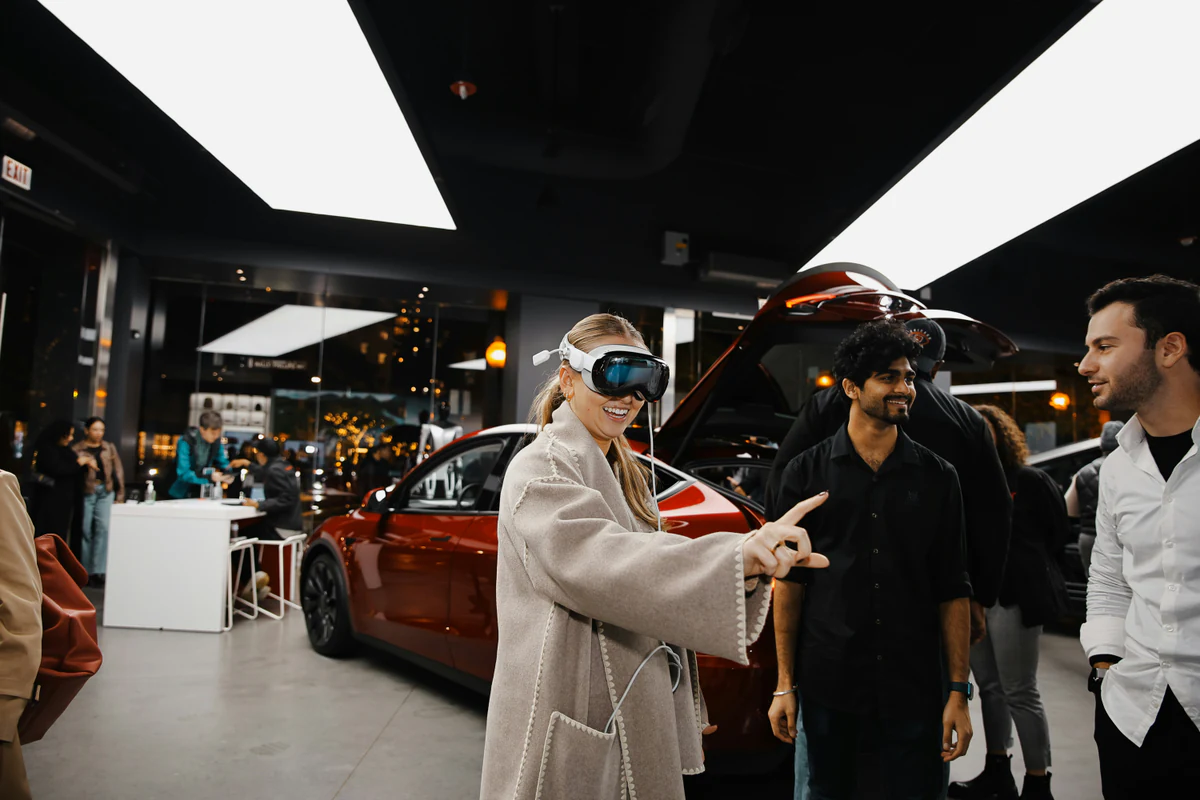
Virtual reality affects e-commerce by giving customers an immersive, accurate way to explore products in 3D, closing the gap between online browsing and in-person evaluation.
Virtual reality affects e-commerce by giving customers an immersive, three-dimensional way to explore products before buying, closing much of the gap between browsing online and evaluating a product in person.
Online retail has grown steadily for years, and VR has become one of the technologies e-commerce brands use to make that growing volume of online browsing feel closer to an in-person experience.
Understanding virtual reality
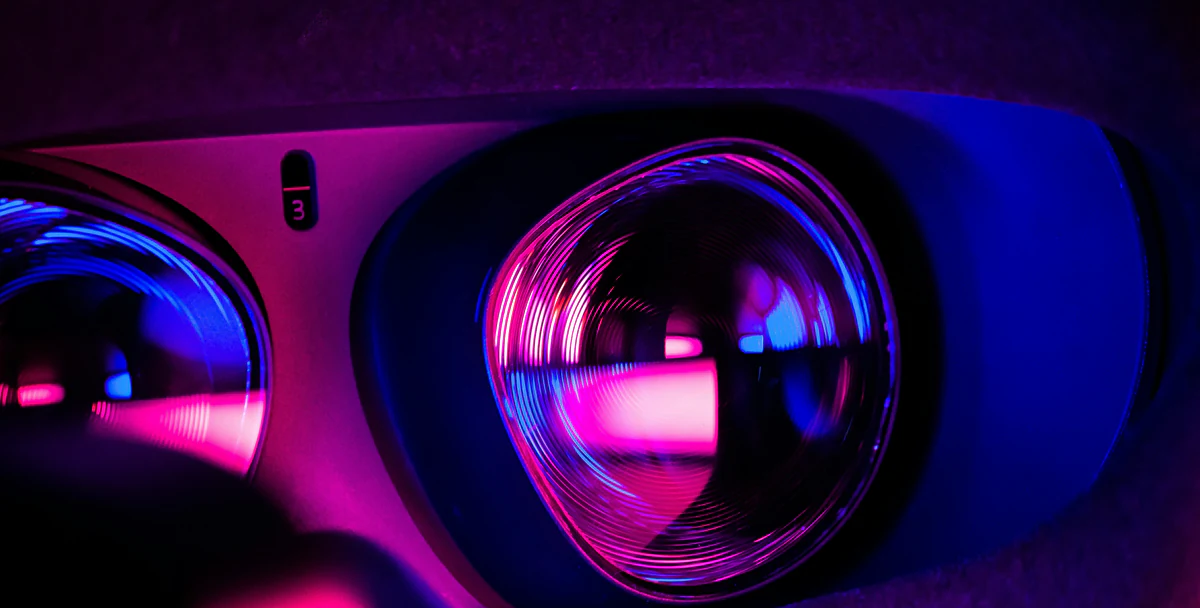
E-commerce has consistently adopted new technology that helps it close the gap with physical retail, and virtual reality is a clear example. VR creates a simulated environment a user can explore and view from every angle, using dedicated software to construct a fully immersive digital space.
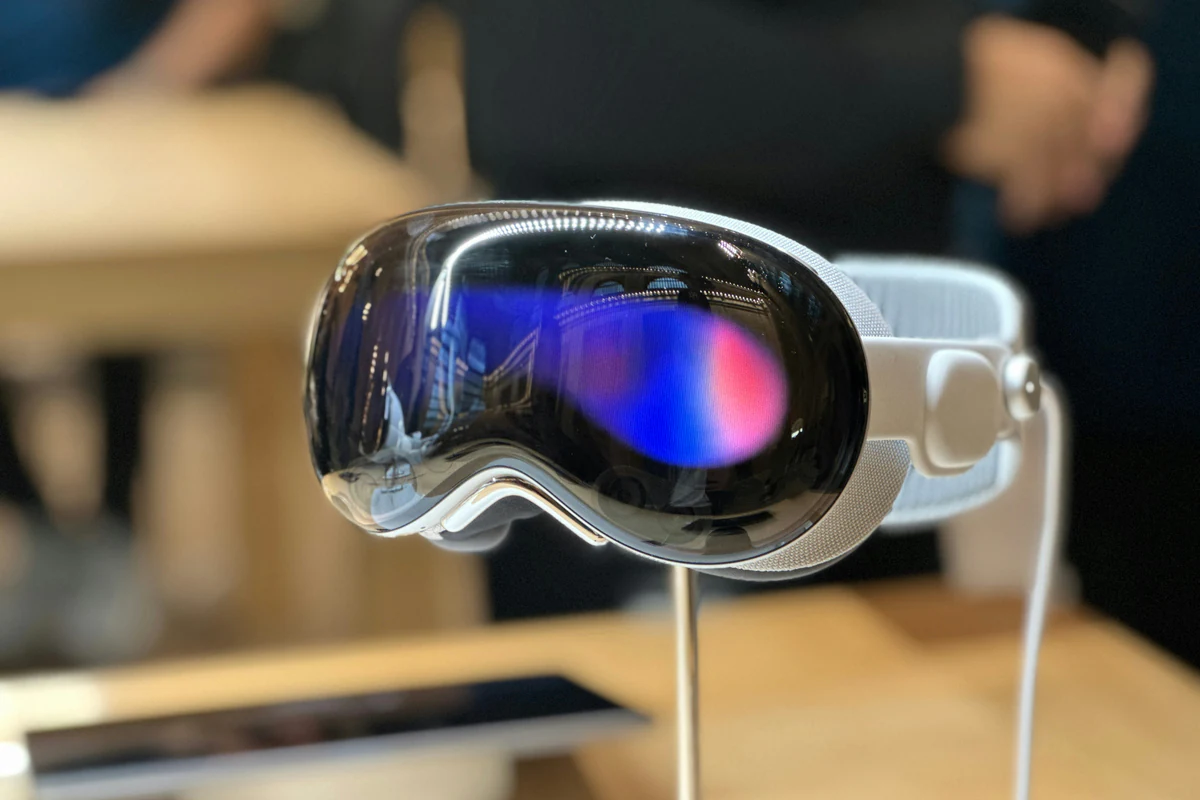
A VR headset is what shifts a user’s attention fully into that simulated environment. It combines a stereoscopic display, directional stereo sound, and head-motion tracking to convince the user’s senses they’ve genuinely left the physical room they’re standing in.
Higher-specification headsets add magnetometers, gyroscopes, and accelerometers, adjusting graphics and audio in real time as the user moves.
How VR actually works
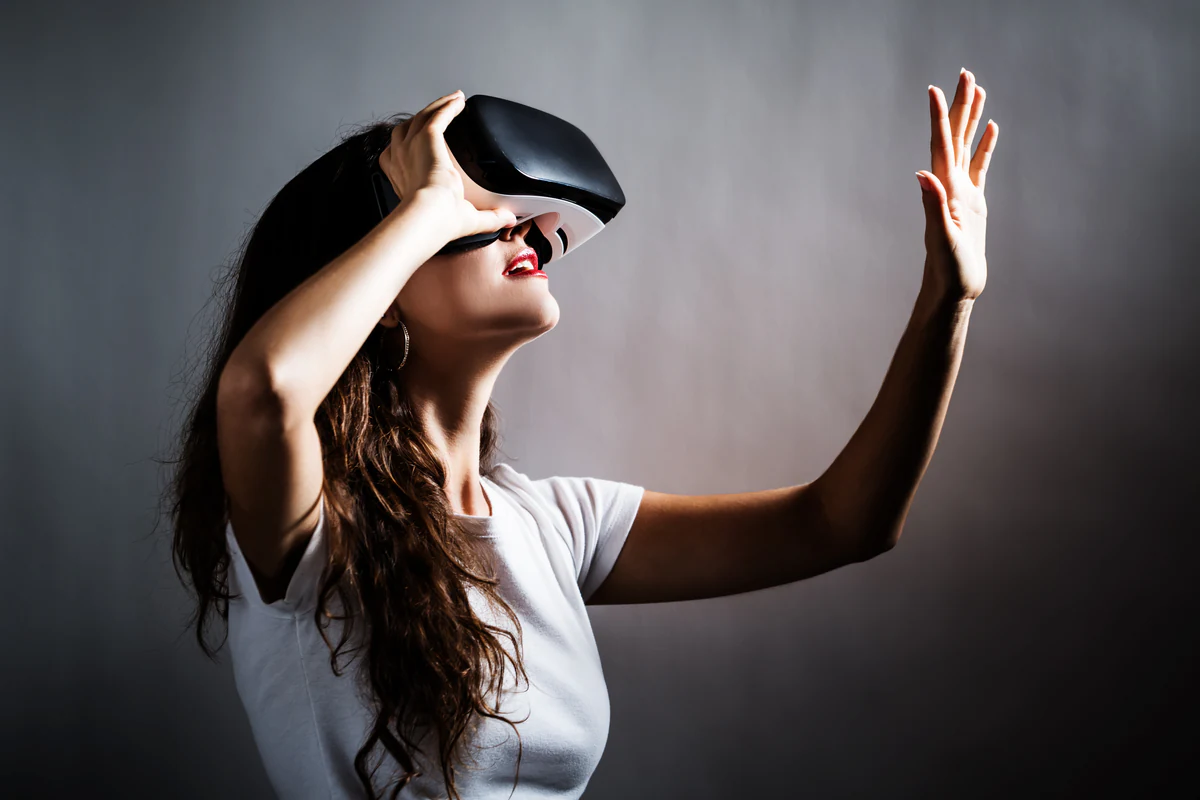
Behind a VR headset sits a substantial amount of engineering and design work. Designing a convincing virtual environment means applying the same rules of human perception people use every day, how we judge distance, interpret sound direction, and read visual cues, to construct a space that reads as authentic.
Field of view, frame rate, spatial audio, and head tracking are the components that make or break that authenticity.
How VR differs from AR
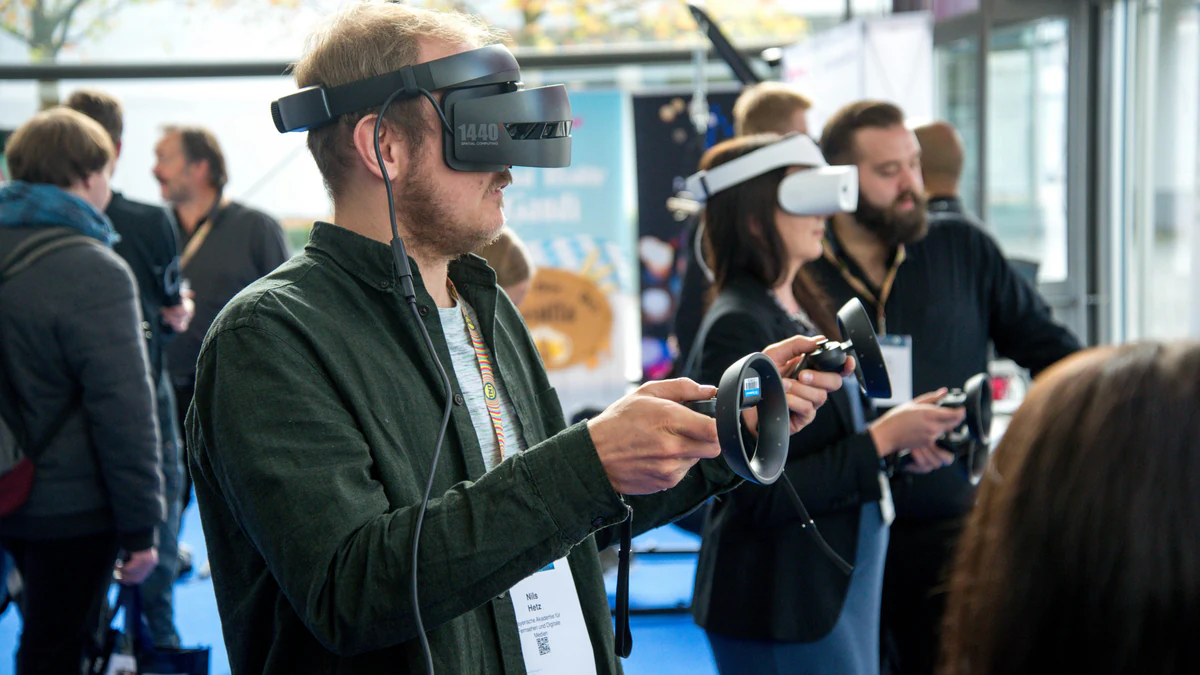
Virtual reality and augmented reality are frequently confused, despite working in fundamentally different ways.
Virtual reality replaces a user’s field of view entirely: a headset blocks out the physical environment and substitutes a fully simulated one. Augmented reality does the opposite, keeping the real world visible and layering virtual elements directly onto it, typically through a smartphone or tablet camera rather than a headset.
Why virtual reality matters for e-commerce
Every retail sector competes to give customers a genuinely better experience, and VR has proven itself in gaming, architecture, and training contexts before making the jump into commerce with equally strong results.
The shift toward online shopping across groceries, apparel, and accessories created real demand for a better way to evaluate products remotely, which is exactly the gap several major e-commerce players have used VR to close.
VR now acts as a bridge between physical and digital retail, letting a shopper experience something close to an in-person store from anywhere. The combination of immersion and a sense of touch and scale that VR provides has changed how customers perceive the reliability of online shopping.
VR and AR together remove much of the guesswork a buyer faces when shopping online. Someone shopping for a dining table, for example, gains far more confidence from walking through a virtual showroom, examining the table’s texture and dimensions directly, and visualising it in their own space than from static product photography alone.
Once a buyer has evaluated a product from every practical angle, the decision to purchase becomes straightforward.
Applications of VR in e-commerce
E-commerce brands are actively building VR into their online stores, because it closes the gap between physical and digital retail more directly than any other current technology.
Virtual showrooms. A virtual showroom is a digitised, fully browsable version of a physical retail space, sometimes an exact replica, that lets a shopper move through it as if physically present.
Virtual showrooms have reshaped buyer expectations across e-commerce, with shoppers now able to browse a store while sitting anywhere.
Some brands add real-time consultants or relationship managers inside these virtual spaces, and combining AR (to visualise fit in a physical space) with VR (to evaluate the product itself) gives shoppers a complete virtual shopping experience.
Virtual try-on. Virtual try-on works similarly to a camera filter: it overlays clothing, an accessory, or footwear onto a live image of the user before they buy. It relies heavily on augmented reality and works on any modern smartphone.
Eyewear and contact lens retailers were early adopters of this feature, letting a customer try a range of frames or lenses directly through their camera. The clearest commercial benefit is a meaningful drop in returns and cancellations, because the customer already has a sense of fit before ordering.
Virtual try-on also feeds back into product development: manufacturers gain direct insight into how customers respond to designs, which supports better product decisions going forward.
Improved in-store-style experience online. A physical store engages shoppers through ambience: lighting, music, and layout, none of which translates naturally to a static online storefront. VR closes that gap by placing products inside appealing, purpose-built virtual environments that show exactly how they’re meant to be used.
Some brands go further, building full aspirational environments around their products and inviting customers on a guided virtual tour, engaging them directly with features and benefits in a way a product grid never could.
Physical retailers are adopting the same approach in reverse, using VR in-store to walk customers through brand history and values, reinforcing brand perception at the point of sale.
Category-wide momentum. VR’s impact on e-commerce goes beyond individual sales. It’s proven itself as a tool for building interest across an entire category. A retailer launching a new range alongside a VR try-on feature gives its audience something worth talking about and sharing directly.
That kind of shareable experience also reaches audiences outside a brand’s usual customer base, giving people who wouldn’t normally shop with a retailer a sense of what the brand and its products are like.
Interactive product manuals. VR also supports better post-purchase experiences. A traditional printed manual explains a product through static diagrams. A virtual manual, delivered through an app, can walk a customer through the same product interactively, letting them examine internal components and functions directly.
This kind of interactive support materially reduces the burden on post-sales support teams, while giving customers a clearer, more satisfying understanding of the product they’ve bought.
The core benefits of VR in e-commerce
Looking across every application above, several consistent benefits emerge:
- Memorable impact. VR experiences tend to stay with customers longer than a standard browsing session, particularly when a brand uses the format to show its history or newest products directly.
- Fewer cancellations and returns. Virtual try-on lets customers evaluate a product properly before ordering, which directly reduces the volume of returns a business has to process.
- Stronger word of mouth. VR experiences are memorable and shareable, and shareability is one of the most effective ways a brand’s reach extends organically.
- Support for digital marketing campaigns. As marketing continues shifting toward digital-first formats, VR and AR give campaigns a new way to engage an audience directly.
- Stronger customer relationships. VR follows the old principle of “show, don’t tell” more literally than any other format. A virtual tour combined with try-on and a virtual assistant gives a customer real confidence in a purchase, and that confidence builds a stronger relationship between brand and buyer than a static product page ever could.
- ** convenience.** VR removes several of the practical barriers that still make some customers hesitant about buying online, adding virtual tours and product trials that closely mirror physical evaluation.
- Stronger brand awareness. With so many brands competing for attention online, VR and AR give a retailer a distinctive way to stand out rather than blending into a feed of static ads.
- Support for the buying decision itself. Customers today have more choice than ever and are correspondingly more selective. VR and AR give a retailer something concrete to offer beyond the product listing itself, an immersive experience that holds attention long enough to support a purchase decision.
- Deeper buyer confidence. Some customers remain sceptical of buying without physically handling a product first. VR closes that gap directly, letting a buyer walk through a virtual environment and evaluate the product they’re considering.
Does virtual reality increase sales?

VR has clearly supported e-commerce growth on the customer-facing side. It’s also shown measurable benefit on the sales-team side of the business.
Practical ways VR supports a sales strategy include:
- Better sales training. A strong product and a well-built store aren’t enough if staff can’t represent the brand well. VR creates fully interactive training environments where staff practise real customer interactions, with some programs tracking posture, gesture, and eye contact directly to sharpen performance.
- More effective internal presentations. A new product idea needs buy-in from leadership before it moves forward, and a slide deck alone rarely secures that. VR lets a team build and present a working scenario directly, letting decision-makers experience proposed changes rather than just hear them described.
- A durable investment. VR gives an online store meaningfully more capability than it had before, offering customers a far more tangible sense of a product without sacrificing the convenience that makes online shopping attractive in the first place. VR hardware has also become progressively more capable and more widely adopted across the retail sector.
- Better product development. Customers who engage deeply with a product through VR tend to give more detailed, more useful feedback, which feeds directly into better product decisions and more personalised service going forward.
Why a virtual storefront matters
Online shopping has become the default for a large share of consumers, largely because of the convenience it offers. As that convenience has become the norm, customer expectations for the online experience itself have risen sharply.
How a brand sells now matters to customers nearly as much as what it sells, and this is precisely where a virtual store creates a edge.
A brand offering an immersive shopping experience is far more likely to leave a strong impression and convert a first-time visitor into a returning, loyal customer.
AR and VR technology don’t just serve a brand’s existing target market either: the novelty and shareability of these experiences regularly reach adjacent audiences the brand wouldn’t otherwise engage.
Combined with the word-of-mouth and competitive differentiation this creates, a virtual store represents one of the more durable investments a retailer can make in its online presence.
Bringing VR into your own store
Understanding what VR offers is only the first step. Bringing it into a retail business properly requires the same discipline as any other significant capability investment: clear goals, a defined delivery plan, and the right creative and technical partner.
- Define the goal first. Adopting VR because competitors are doing it isn’t a strategy. Set clear, specific goals, whether that’s press attention, a better customer experience, or a stronger brand impression, and let those goals shape everything that follows.
- Decide what experience to deliver. Once the goal is clear, define the experience itself: a guided virtual store tour, an interactive chat assistant, or a brand-history experience are all valid directions, and the right one depends entirely on the goal set in the first step.
- Work with a specialist. VR execution requires technical and creative expertise. A specialist partner will work through exactly what form of VR experience suits the brand and the product, and how it should be built.
- Test thoroughly before launch. Once built, a dedicated team should run the experience through multiple checks, confirming it’s user-friendly and functions correctly across the devices customers will actually use.
- Gather feedback and iterate. Every marketing investment is ultimately judged by customer response. Collecting direct feedback, whether through an on-site form or direct customer outreach, is what tells a brand whether the experience is working.
What comes next
A significant share of online shoppers add products to a cart and never complete the purchase. Retailers have tried a wide range of tactics to recover that lost intent, with limited success. This is precisely the gap VR is positioned to close: giving a hesitant browser a more informative, more immersive way to evaluate a product before deciding.
VR and AR together support sales, brand promotion, and awareness as part of a wider digital marketing strategy. Adoption has been gradual, largely due to hardware cost and accessibility, but retailer intent to invest in VR and AR continues to grow steadily.
Several major brands are already ahead of the curve:
- Dior’s virtual store. Dior built a virtual beauty store that let customers browse its lotion, perfume, and fragrance range remotely, helping sustain sales through a period when physical retail was constrained.
- Sephora’s AR application. Sephora was among the first major beauty retailers to release a dedicated AR try-on app, letting customers test makeup and accessories through their phone’s camera.
- IKEA’s AR application. IKEA’s AR app lets customers place furniture directly into a room via their phone camera, complete with accurate scale, to judge fit and appearance before buying.
Given the trajectory of adoption across these and other major retailers, it’s difficult to imagine the future of e-commerce without VR and AR playing a central role.
Start the conversation
Have a product worth showing?
We reply to every brief personally, usually within one working day.
FAQ
Common questions, answered.
How does VR enhance online shopping?
It creates immersive environments where customers interact with products in 3D, exploring virtual showrooms and viewing items from every angle rather than a fixed set of photographs.
Can VR reduce return rates?
Yes. Virtual try-ons and detailed 3D product views lead to more informed purchasing decisions, which reduces the likelihood of a product being returned once it arrives.
What are common examples of VR in e-commerce?
Virtual fitting rooms, 3D product demonstrations, virtual showrooms, and virtual property tours are the most established applications today.
How is VR different from AR?
VR replaces a user's entire field of view with a simulated environment, typically through a headset. AR keeps the real world visible and overlays virtual elements onto it, most commonly through a smartphone or tablet.

Start the conversation
Got a product worth showing? Let’s talk about what it needs to do.
We reply to every brief personally, usually within one working day.