
Using Perfume Renders to Showcase Your Fragrance
TL;DR
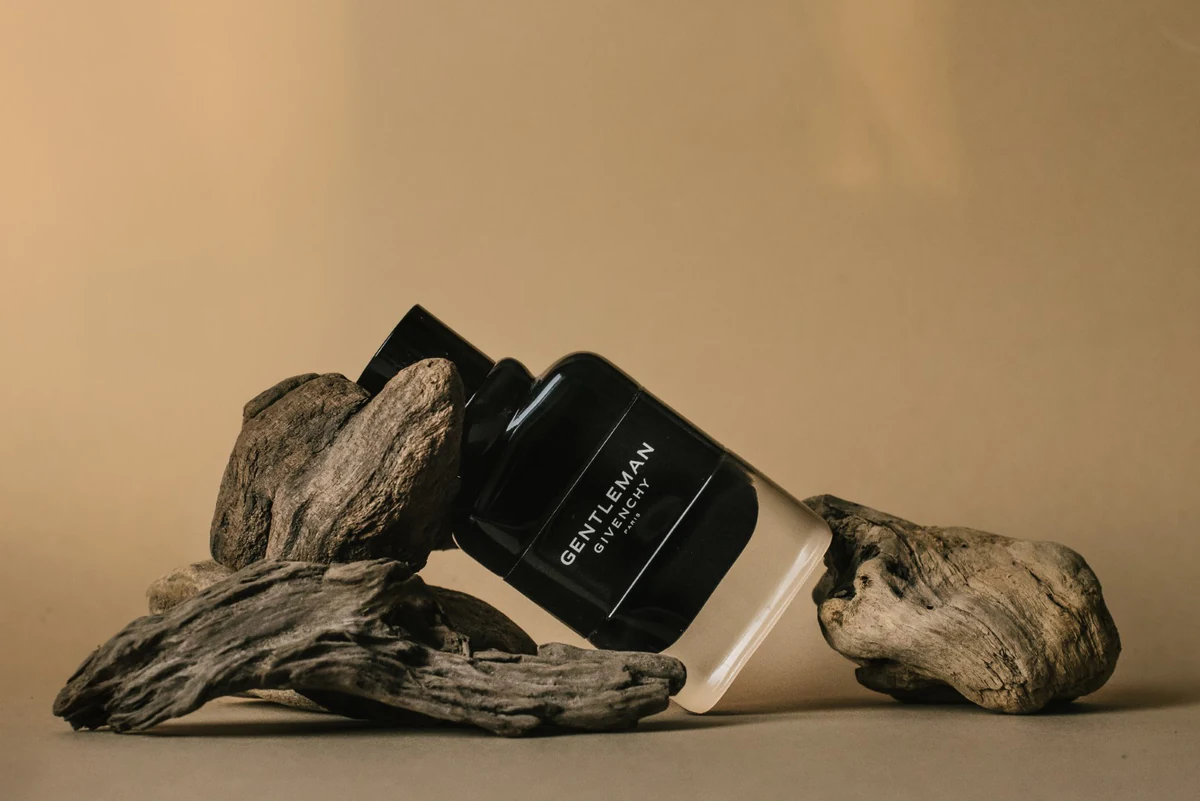
A perfume render carries the entire visual argument for a fragrance a customer can't smell through a screen. Bottle geometry, glass clarity, and material finish, rendered with precision, are what communicate quality and identity before the product ever reaches a nose.
A fragrance can’t be demonstrated through a screen. What a perfume render can demonstrate is everything else: the bottle’s design, the weight it implies, the material quality of the glass and cap, and the story the packaging is telling before anyone gets close enough to smell it.
Why the bottle carries the entire visual argument
A customer choosing a perfume online is making a decision based entirely on what they can see: bottle shape, glass clarity, cap material, label design, colour. None of that is incidental to the fragrance, it’s the visual language the brand has chosen to represent a scent that can’t otherwise be conveyed.
A render’s job is to present that visual language with total accuracy, because it’s doing the persuasive work a sampling counter would otherwise handle in person.
What makes a perfume render technically effective
Glass clarity and refraction. Perfume bottles are frequently glass, and how light passes through and reflects off that glass is one of the most demanding material challenges in product rendering. Get the refraction wrong and the bottle looks like plastic. Get it right and the render conveys the actual weight and quality of the object.
Specular accuracy on metal and closures. Caps, collars, and decorative metal elements need correct specular response to read as the material they actually are, brushed aluminium behaves differently under light than polished chrome, and a render has to distinguish between them precisely.
Colour matched to physical spec. Label colour, liquid tint, and packaging colour all need to hold to the brand’s exact specification, verified against the physical product, not approximated.
Composition that shows the actual design. Angle and framing decisions should highlight whatever makes a specific bottle design distinct, an unusual silhouette, an embossed detail, a particular cap mechanism, rather than defaulting to a generic three-quarter product shot.
What renders make possible that photography can’t match as easily
Pre-production marketing. Renders exist from CAD data before physical bottles are produced, letting a brand build its entire launch campaign, from hero shots to lifestyle context, ahead of manufacturing lead times.
Instant iteration. If a bottle design or label changes late in development, a render updates from the new data. A photo shoot means resourcing physical samples and starting again.
Consistency across a range. A fragrance line with multiple scents or limited editions needs every bottle presented with identical lighting and framing to read as a coherent collection. Renders make that consistency exact.
Interactive and 360-degree views. The same CAD-accurate render setup used for a hero shot can generate the frames for full rotation or close-up zoom, letting a customer inspect the bottle the way they’d turn it over in a shop.
Where this connects to brand identity
The technical discipline behind an effective perfume render, accurate glass and material rendering, held colour values, CAD-sourced geometry, is the same discipline behind cosmetic renders that carry brand identity more broadly. A perfume brand’s visual identity lives in these details as much as it lives in the logo or the name on the box.
The takeaway
A perfume render succeeds when it treats the bottle as the entire visual argument for a product a customer can’t otherwise evaluate through a screen.
Material accuracy, correct lighting, and composition that shows what actually makes the design distinct are what turn a render into a genuine substitute for holding the object, right up until the customer opens the box and the scent takes over.
Start the conversation
Have a product worth showing?
We reply to every brief personally, usually within one working day.
FAQ
Common questions, answered.
Why use renders instead of photography for a perfume launch?
Renders can be produced from CAD data before physical bottles exist, updated instantly if packaging changes, and repeated with identical lighting across every angle and every SKU in a range, none of which a physical photo shoot can match without repeating the entire process.
What makes a perfume render effective?
Accurate glass refraction and clarity, correct specular response on metal caps and closures, precise colour matching to the physical packaging spec, and composition that presents the bottle at angles that highlight its actual design.
Can perfume renders support 360-degree or interactive views?
Yes. A single CAD-accurate render setup can generate the frames needed for full rotation or close-up zoom, letting a customer inspect embossing, cap design, and glass detail the way they would handling the bottle in a shop.
How do perfume renders relate to broader brand identity work?
The same material and lighting discipline that makes a perfume render convincing, correct glass clarity, held colour values, CAD-accurate geometry, is what makes any cosmetic render carry brand identity consistently across a catalogue.

Start the conversation
Got a product worth showing? Let’s talk about what it needs to do.
We reply to every brief personally, usually within one working day.