XO3D Studio · 3D Rendering
Product Rendering Lighting Guide
Light decides whether the render reads.
Lighting is the single biggest factor separating a render that reads as photography from one that reads as CGI. This guide covers the principles, the rigs and the discipline behind lighting product CGI.
Overview
Photography principles, inside software.
Cinematographers and product photographers have decades of learned instincts about light. All of them apply directly to CGI. Key, fill, rim, softbox size, distance, diffusion. Everything a physical studio does, a virtual studio does too.
The tools are different, HDRI environments, virtual softboxes, spot and point lights, directed pins, but the principles are identical. Learn photography before learning render engine lighting.
What's covered
The main varieties, in detail.


Advantages
Why brands commission it.
Portable across engines.
Physically based lighting behaves consistently across Keyshot, V-Ray, Redshift, Arnold and web renderers.
Repeatable across the range.
Once the rig is directed, every variant in the range renders at the same look.
Total control.
No time-of-day, no weather, no crew. Light behaves exactly as directed, every take.
Direct the light around the product.
Virtual studios have no rental, no crew, no travel. Once built, they run indefinitely.
Trade-offs
What to plan for.
Long learning curve.
Strong lighting takes years to develop. Shortcut approaches produce technically fine but visually flat work.
Reference is essential.
Use photographic or physical references to understand the finish. Explain which lighting qualities should carry into the CGI treatment.
Render time scales with samples.
Complex lighting needs more render samples to clear noise. Budget accordingly.
Perfect can look wrong.
CGI light is easy to make too perfect. Believable imperfection is a discipline.
Process
How the work is produced.
- STAGE 1
Study photography reference.
Every lighting decision starts with photographic reference of what good looks like.
- STAGE 2
Pick an HDRI.
Choose an HDRI environment matching the desired mood. Polyhaven and Keyshot cloud libraries both work.
- STAGE 3
Add key light.
Primary directed light shaping form. Softbox for hero, spot for editorial.
- STAGE 4
Add fill.
Secondary light controlling contrast. Weaker than key, opposite side.
- STAGE 5
Add rim or kicker.
Backlight separating product from background. Sharp for metallic, softer for organic.
- STAGE 6
Test on final materials.
Lighting tuned against the final material pass. Adjust as materials settle.
Who this is for
Built for teams shipping the launch.
3D artists working on product renders. Studio TDs setting lighting standards. In-house teams supporting product-marketing CGI.
Freelance CGI artists moving from CAD-adjacent workflows into marketing-quality lighting.
Case studies
Recent work.


Petalite EV charger launch, applying the disciplines in this guide.
View case study

Sony WF-C710 for ImageNova: two short animated segments for the launch commercial, plus rendered colourways composited into product photography.
View case study

G-Lab keyboard launch. One 3D build driving film, stills and interactive content.
View case studyTestimonial
The team at XO3D were a pleasure to work with on one of our big projects. They rendered, batched, and saved out literally thousands of images for us. Every single one of these images came out perfect.
For sibling topics, see product rendering, the material guide and Keyshot tips.

FAQ
Common questions, answered.
What is the single biggest factor in photoreal lighting?
Reference. Every strong lighting decision starts with photographic reference. Without it, even skilled artists drift towards artificial rigs.
Should I use HDRI or a rigged studio?
Both. HDRI provides the environment ambient and reflections; directed pins and rigged lights shape the specific product form. Not either/or.
How many lights does a hero render need?
Typically 3 to 6. Key, fill, rim, plus 1 or 2 pinned lights for catch. Beyond that risks the render feeling over-lit.
Do I need to know photography?
Strongly recommended. Photography's rules about light apply directly to CGI. The best 3D lighters started as photographers or cinematographers.


Your next project
Use light to reveal the design.
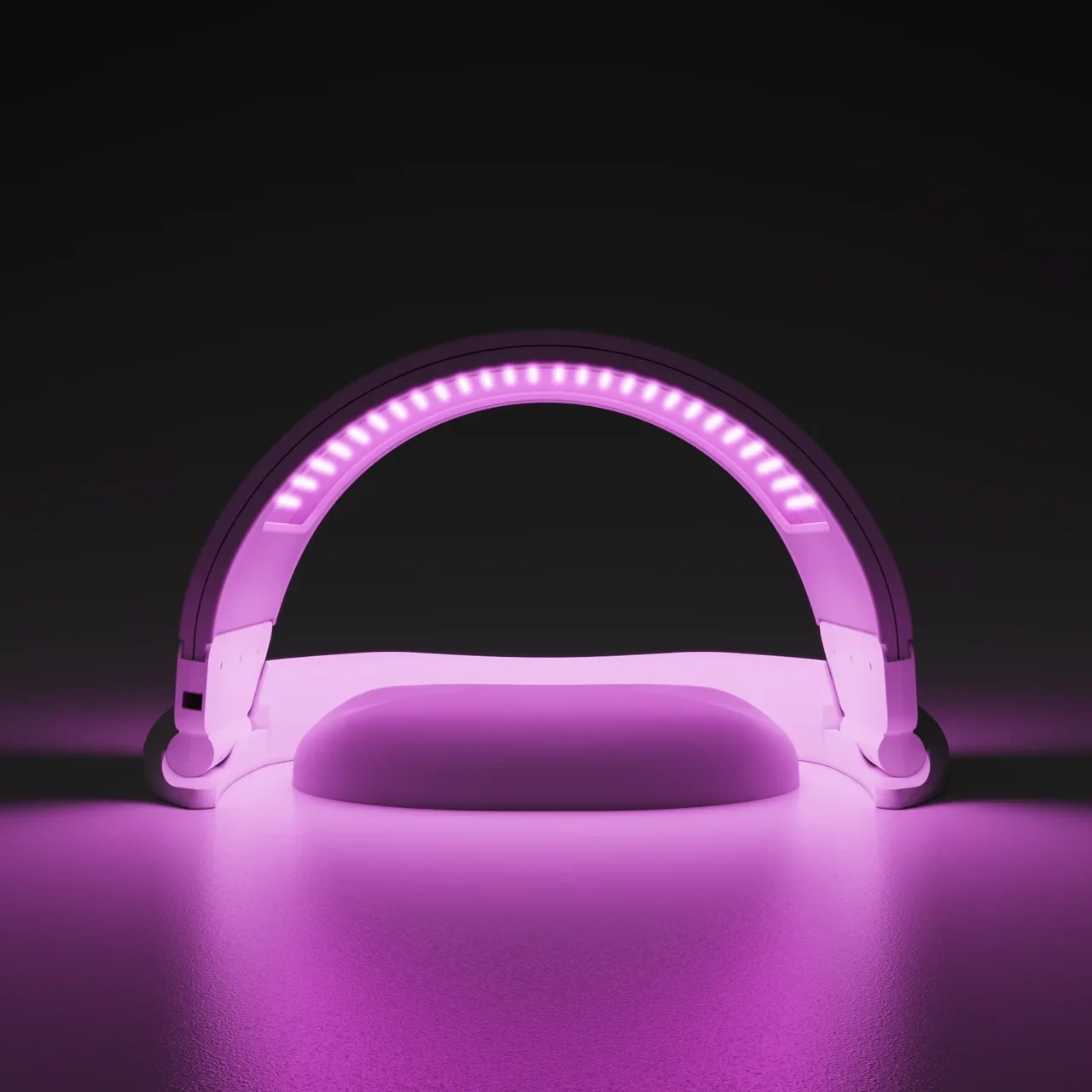
Decide which surfaces and edges need emphasis. Compare the lighting treatment with material references so dramatic contrast does not conceal a feature the buyer needs to inspect.
A route to consider
CGI stills and campaign visuals
Directed product stills with an agreed shot list, material references, environments and delivery formats.
Bring these three things.
- Which form or texture should lead?
- What finish reference is authoritative?
- Which campaign mood is intended?
Start with an outline. We review the product, intended outputs and timing before agreeing the production scope.