
Product Launch Animation: A Playbook for Tech Brands
TL;DR
A tech product launch film uses 3D visuals and motion to clarify complex features, build pre-launch anticipation, and carry a consistent asset across web, social, and event formats.
Tech products are judged on function most audiences can’t directly evaluate: what’s inside, how it works, why the engineering matters. A launch film exists to close that gap, using 3D visuals to make complex features legible in the first few seconds of attention a viewer gives before scrolling on.
What a launch film needs to do
A launch film uses 3D visuals and motion graphics to introduce a new product in a way that a spec sheet or static image can’t. Tech brands turn to this format specifically because rapid iteration and genuine technical complexity make it hard for a consumer to grasp a new product’s real advantage from text alone.
Done well, the film does three things simultaneously: simplifies a complex mechanism into something visually clear, builds pre-launch anticipation across social and event channels, and signals the brand’s engineering credibility through the precision of the visuals themselves.
What the format solves for tech specifically
Showing complex features clearly. Exploded views and mechanism animation break an intricate product down into something a general audience can follow without technical background.
Holding attention in a crowded feed. Motion earns attention that static imagery increasingly doesn’t, particularly in categories where every competitor is also launching something new.
Building an emotional connection alongside the functional one. Story, not just spec, is what makes a launch memorable enough to drive word of mouth and share.
Working across every channel a launch needs. One asset, built once, adapts to a web hero, a social cut, a trade show loop, and a sales deck, without separate production for each.
Building the film
Define the story first. Before any visual work begins, lock the core message, the target audience, and the single objective the film needs to hit. Everything downstream depends on this being clear.
Write a script that respects the audience’s time. Concise, plain language that gets to the product’s real advantage quickly, without assuming technical background the audience doesn’t have.
Build visuals on accurate 3D models. Realistic materials and precise geometry, not decorative motion graphics layered over a rough approximation of the product.
Use sound with intent. Voiceover, sound design, and music should reinforce the message, not just fill silence.
Cut for smooth pacing. Transitions between scenes should feel considered, not just functional, because pacing is one of the fastest ways a viewer senses whether a production was made with care.
What we’ve built this for
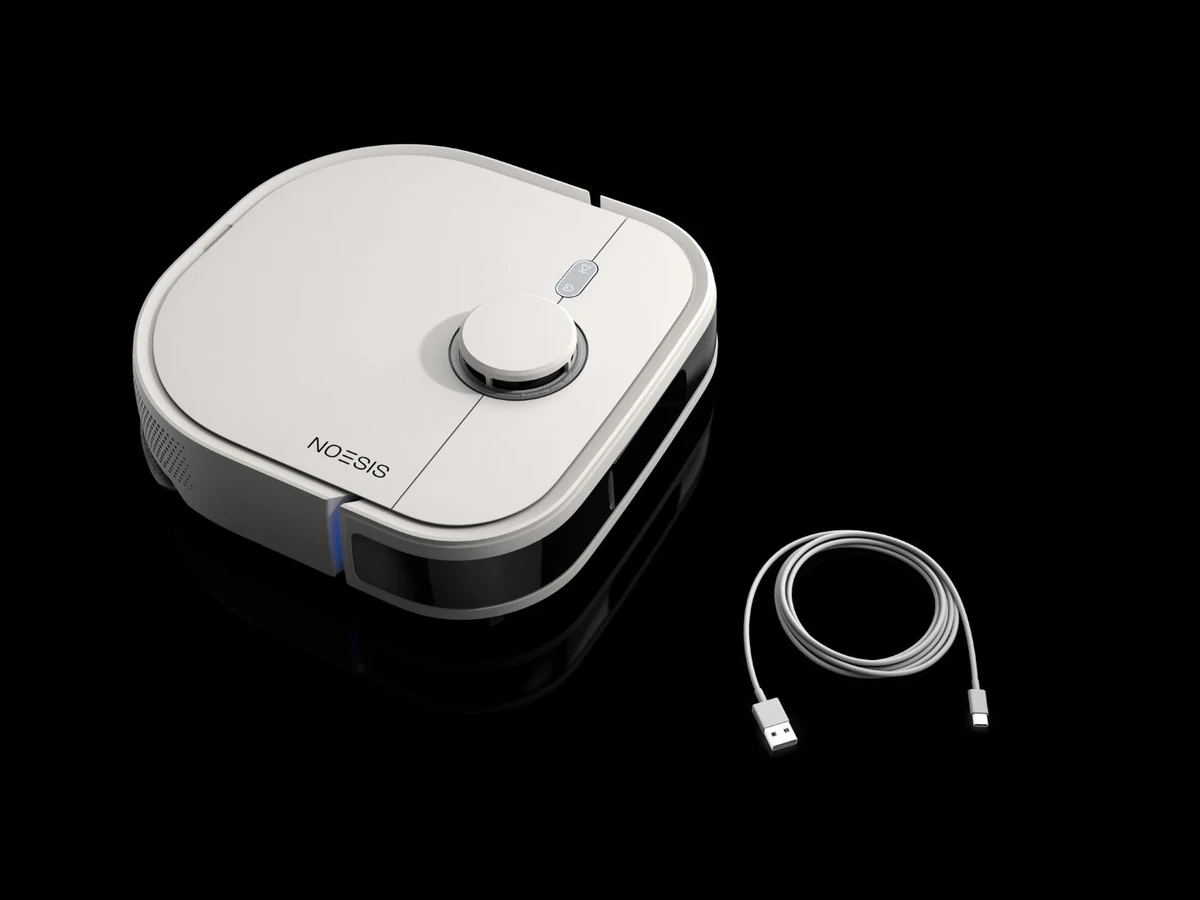
We produced the launch film for Noesis’s robot vacuum ahead of CES 2023, engineered to land on a four-metre display while the product was still in prototype. CGI was the only route to hitting that launch window with the hardware not yet built.
The same underlying 3D model carried the hero animation, the macro detail shots, and the brochure stills, which is the standard we build every tech launch against.
Another sequence from the Noesis project shows the mop being replaced:
For Squire Locks, produced with Curious Agency, the order of part separation in the exploded films was built from Squire’s engineering data. The sequence shows the components and how they relate to the lock, rather than arranging them for appearance alone.
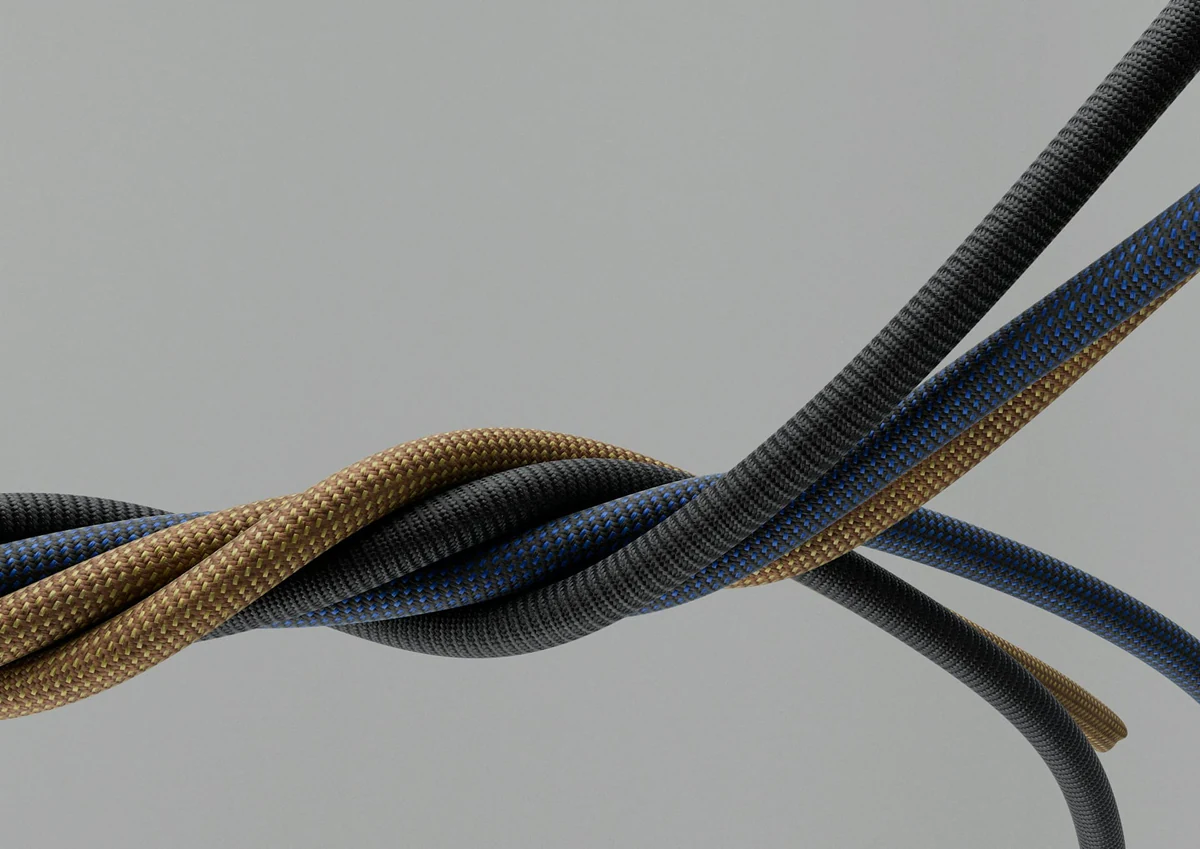
The AUAR MicroFactory film presented a robotic construction system. Its complex arm movements required detailed Cinema 4D rigging. AUAR supplied footage of its working prototype and earlier robot versions, alongside stills, as movement and appearance references. Cables, wires and intricate details contributed to the finished visual model.
These are different production problems: a component sequence and a moving robotic system. Both need relevant source information. The agreed technical review remains separate from the creative treatment; CGI does not replace engineering validation.
A film from the Duux NEO humidifier project:
Other technical product films include the Bluestork ergonomic mouse animation and the Dermalux Flex Mini medical-tech film.
The takeaway
A tech launch film works because it translates genuine engineering complexity into something a broad audience can understand and remember, in a format that carries across every channel a launch actually needs. Get the story and the model right, and the film does the rest.
On what a product CGI studio is for
A specialist product CGI studio makes marketing films for product launches, a lot of them for tech brands. It brings VFX into that work too, but everything it makes is aimed at a launch.
Start the conversation
Have a product worth showing?
We reply to every brief personally, usually within one working day.
FAQ
Common questions, answered.
What is a product launch film?
A piece of motion work built from 3D visuals and animation to introduce a new product, most often used in promotional campaigns, event presentations, and social media around a launch date.
Why do tech brands specifically need this format?
Tech products evolve fast and often carry functional complexity that's hard for a consumer to grasp from a spec sheet alone. A launch film simplifies that complexity into something visually clear, while also differentiating the brand in a crowded category.
What are the essential elements of a strong tech launch film?
A clearly defined core message, a script that communicates function without jargon, visuals built on accurate 3D models rather than stock animation, and a specific call to action at the close.

Start the conversation
Got a product worth showing? Let’s talk about what it needs to do.
We reply to every brief personally, usually within one working day.