
XO3D Studio · Guide
Sound Design in Product Films.
Sound is not an afterthought. In a product film, every audio decision, tone, texture, timing, silence, is an argument about what the product is worth.
The studio behind this guide
Whether this is studio work
XO3D produces product films with sound designed as part of the direction rather than added underneath a finished edit. Come to us when the film has to carry a brand at launch and the audio is doing real work. For a silent looping web asset or a social cut that will play muted, none of this applies and you should not pay for it.
How XO3D compares to the other five supplier modelsWatch a premium product film with the sound off. Then watch it again with the sound on. The product is identical in both versions. The experience is not. Sound design is the component of a product film that the viewer rarely consciously registers, but always unconsciously responds to. A film with wrong audio feels wrong, even if the viewer can't say exactly why. A film with right audio feels inevitable.
XO3D treats sound design as an integral production element, not a post-production add-on. The audio direction is agreed in pre-production alongside the visual direction. The music is briefed and composed (or selected) before rendering begins, because the edit rhythm is built around the music, not the other way around.
The three audio elements
What sound design in a product film actually contains.
Music
The emotional register
Music sets the emotional register of the entire film. Bespoke-composed music is written specifically for the product and the brand, its tempo, tone, and resolution are designed around the edit. A licensed track is another route where the treatment and usage rights fit the brief. Music choice is reviewed alongside the picture.
Sound Effects
The physical reality
Product sound effects in CGI films are a creative decision, not a documentary recording. The click of a button, the hiss of a mechanism, the resonance of a material surface, these are designed to reinforce the product's quality impression, not to accurately reproduce the actual sound. A luxury object sounds more substantial than it physically would. A precision mechanism sounds more exact. These are conscious choices.
Silence
The most underused tool
The most expensive-feeling product films often use silence as a deliberate element. A moment of complete quiet before a mechanism reveal. A held note before the product's name appears. Silence communicates that the filmmaker is confident, that the image earns its own attention without audio support. It is a quality signal.
The production process
How sound design integrates into a product film brief.
Audio direction in pre-production
At the same stage XO3D agrees the visual direction, before any final rendering begins, the audio direction is established. Three audio reference points are shared: an emotional register ("the product should feel premium and effortless"), a tempo reference (the beats-per-minute range that matches the desired edit rhythm), and one or two audio references from existing films with a similar tonal target. This conversation takes 20 minutes and changes the film completely.
Music brief and production
For bespoke compositions, the music brief goes to our collaborating composer alongside the animatic, so the music is being composed against the edit structure while rendering is in progress. The two arrive simultaneously. For licensed music, track selection happens at animatic stage and is approved before rendering begins. Stock music is never used in final delivery.
Sound effects design
Product sound effects are designed after the render is received. Each sound event, a product reveal, a mechanism in motion, a material contact, is individually constructed and mixed against the visual. This is not a library search-and-apply process. Each sound is built for the specific product and the specific motion in the specific frame.
Mix and delivery
The final mix is delivered in two versions: full mix (music + sound effects combined) and music-only stem (for markets or platforms where bespoke sound effects can't be used). This allows the client to deploy the film across different contexts without returning to the mix stage.
FAQ
Sound design questions.
Is bespoke sound design included as standard in a product film brief?
What if the client already has a music track they want to use?
Do social format cut-downs use the same sound design?
Your next project
Brief the sound with the picture.
Decide whether sound establishes character, explains an action or supports the edit. Plan a silent version when the film will appear on a muted feed or exhibition screen.
A route to consider
Product CGI Films
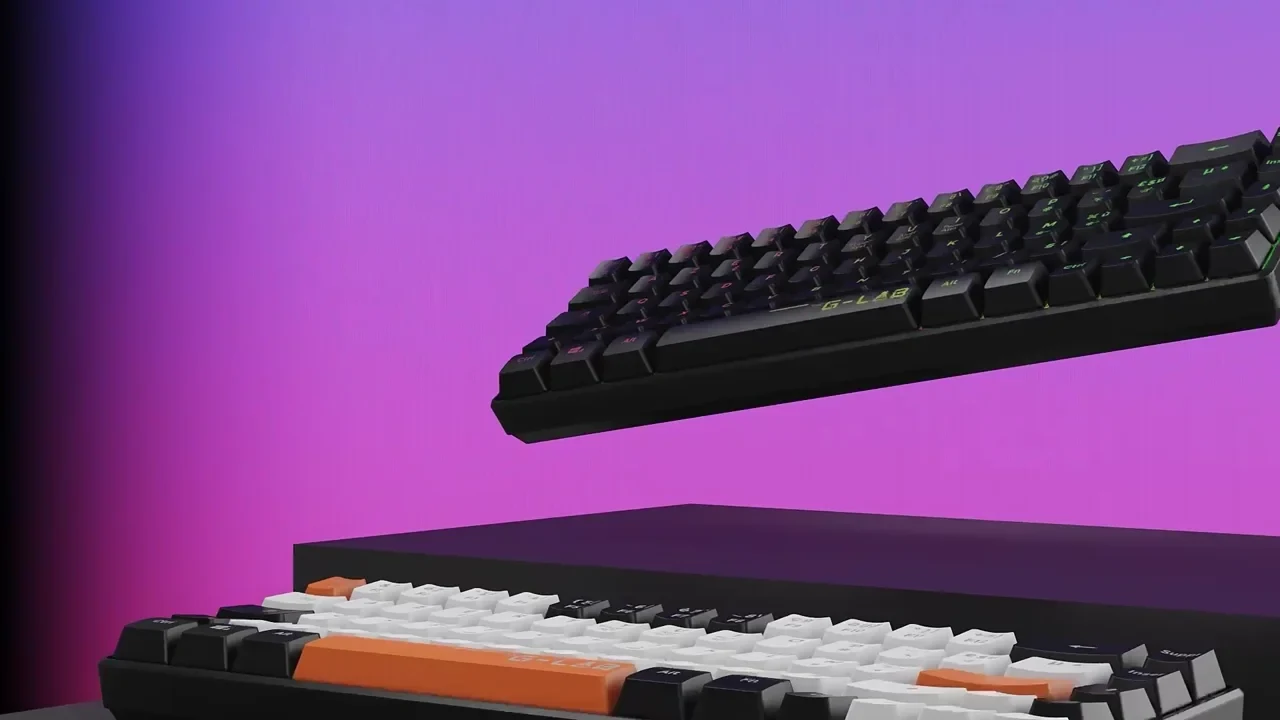
A product film developed through creative treatment, storyboard, animatic, product review and final picture and sound.
Bring these three things.
- Where will sound be heard?
- Which product actions need emphasis?
- Are music rights and silent versions part of the brief?
Start with an outline. We review the product, intended outputs and timing before agreeing the production scope.