XO3D Studio · Industry
Product CGI for Food & Drink Brands.
XO3D treats appetite appeal as the entire brief, because the difference between a packaging render that sells and one that doesn't is a single light source decision.
Food and drink CGI sits at the intersection of technical difficulty and commercial urgency. A spirits brand launching a new expression needs imagery weeks before the production run is bottled. An FMCG brand launching a packaging redesign needs to photograph the new packaging before the print run is confirmed. A craft brewery needs to show six beers on a website before the cans have been filled.
These briefs share a common constraint: the visual has to make a viewer want the product. For food and drink, appetite appeal, the quality that makes a viewer reach for a glass, want to open a bottle, or add to cart, is not incidental to the brief. It is the entire brief. This requires more than accurate packaging renders. It requires understanding light on liquid, the physics of condensation, the warmth of a spirit seen through amber glass, and the exact quality of a pour.

The specific challenges
Why food and drink CGI demands its own specialist approach.
The hardest surface in product CGI
Liquid, beer, wine, spirits, soft drinks, requires subsurface scattering simulation, correct refraction through glass, and accurate colour behaviour depending on liquid depth. No library approximation convincingly renders the specific amber of a 12-year Scotch or the precise carbonation of a craft lager. XO3D rebuilds liquids from physical reference for every food and drink project.
Labels, foils, and print finishes
Food and drink packaging uses complex print finishes, embossing, spot UV, metallic foils, debossing, that must be accurately rendered to communicate the quality of the packaging design. CGI can reproduce all of these in a way that photography often cannot without extensive setup.
Making the viewer want it
This is a creative quality, not a technical one. The light source that makes condensation on a cold beer bottle visible. The angle that shows a wine's colour through the glass most attractively. The pour that captures the liquid in the right moment. These are directorial decisions, and they require a Creative Director who understands what appetite appeal means.
Before the bottles are filled
New product launches in food and drink frequently require imagery before production runs are complete. CGI from packaging specifications and label files allows brands to photograph a new product before a single unit is bottled, canned, or bagged, with full retail imagery ready for day-one launch.
Featured work
FMCG and confectionery films built around appetite appeal.
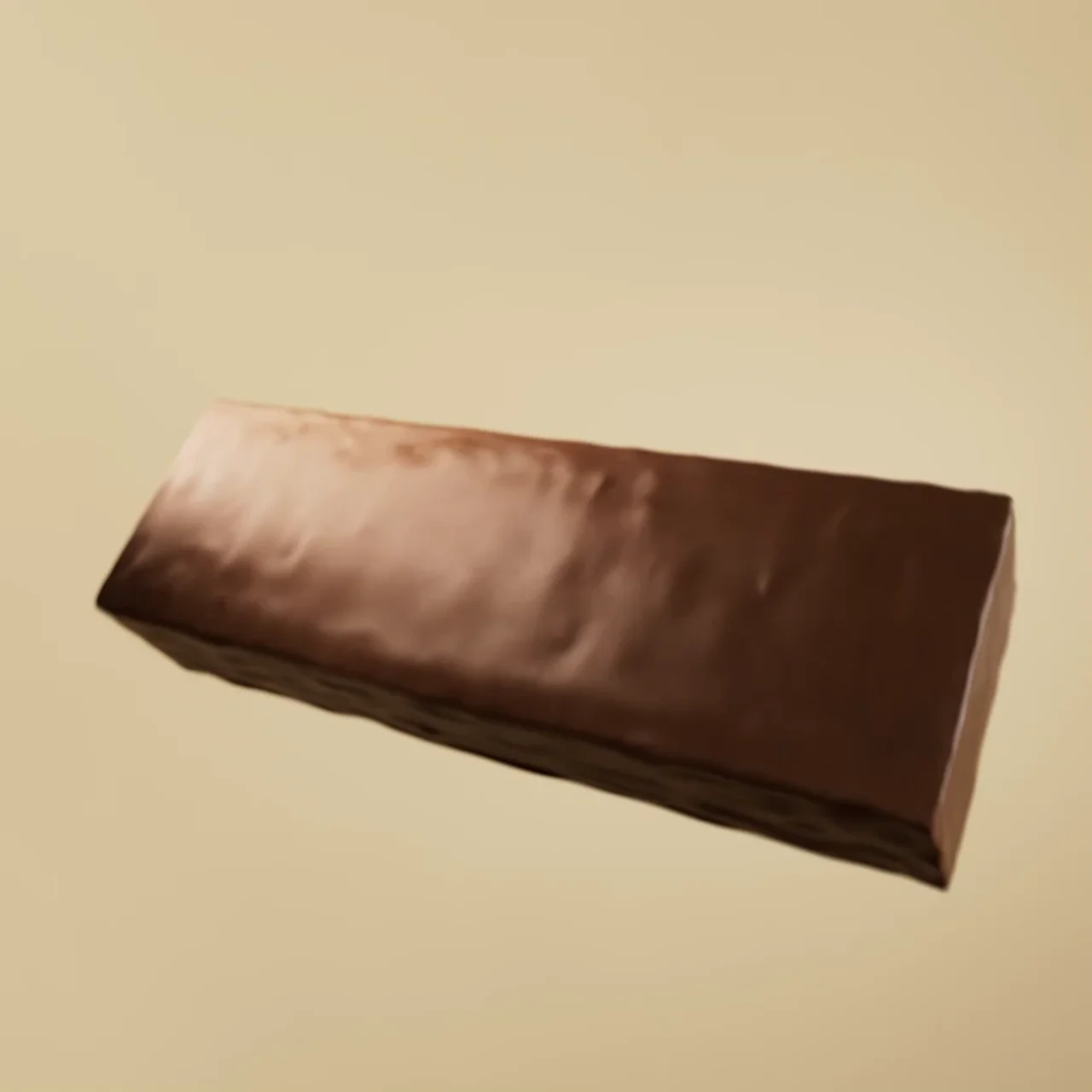
Gandour, chocolate wafer launch animation
Confectionery launch film built around the product's tactile and textural appeal, packaging hero, ingredient reveal, and bite-moment all directed for appetite.
Gandour, Yamama spread campaign animation
Spread product animation rebuilt from packaging artwork and ingredient reference, appetite appeal, brand-coded colour, and shelf-ready packshots from one CGI build.
What we produce
For food and drink brands.
Bottle, glass, pour
Hero bottle renders, pour sequences, glass-with-drink lifestyle images, and campaign films for premium spirits, wine, champagne, and premium soft drink brands.
Can, bottle, on-tap
Multi-SKU can and bottle renders for craft and commercial beer brands. Label accuracy, condensation rendering, and lifestyle pour imagery from one build.
Launch-ready at scale
Packaging renders for new product launches, range extensions, and redesigns, before production print runs are confirmed. All retail formats from one model build.
Packshot and lifestyle
Packshot renders to retail specification, lifestyle composites, and 360° product viewers for food brands, without the logistical complexity and short shelf life of food photography.
Campaign content at scale
Social format cut-downs, animated can spins, pouring sequences, and seasonal content from the same 3D asset, for ongoing content programmes.
Platform-ready imagery
Amazon, Shopify and retailer-specific format delivery, white background packshots, lifestyle composites, and multi-angle views, all from one build.
How we deliver
Director-led films, not asset dumps.
Food and drink work is where appetite appeal is the entire brief, and that is a creative decision, not a technical one. XO3D's product CGI film service puts a named Creative Director on every project, so the pour, the light on the glass, the moment the cap lifts are directed, not assembled.
FAQ
Food & drink CGI questions.
Can CGI replace food and drink photography entirely?
How do you handle liquid rendering realistically?
What do you need to produce food and drink CGI?
Your next project
Define the product moment.
A pack reveal, a texture study and a serving sequence need different references and production decisions. Start with the actual product and approved presentation, then choose what can be built in CGI and what may benefit from a shoot.
A route to consider
Product CGI Films
A product film developed through creative treatment, storyboard, animatic, product review and final picture and sound.
Bring these three things.
- Is the focus packaging or the food itself?
- Which textures and actions must be represented?
- What product and brand references are approved?
Start with an outline. We review the product, intended outputs and timing before agreeing the production scope.