XO3D Studio · Industry
Product CGI for Consumer Electronics.
XO3D makes the detail, material quality and design precision of consumer electronics visible, in every format, at every scale.
Selected clients








Sony work via ImageNova. Ferrari and Burberry work via KCD.
Overview
Years of engineering, condensed into a 30-gram product.
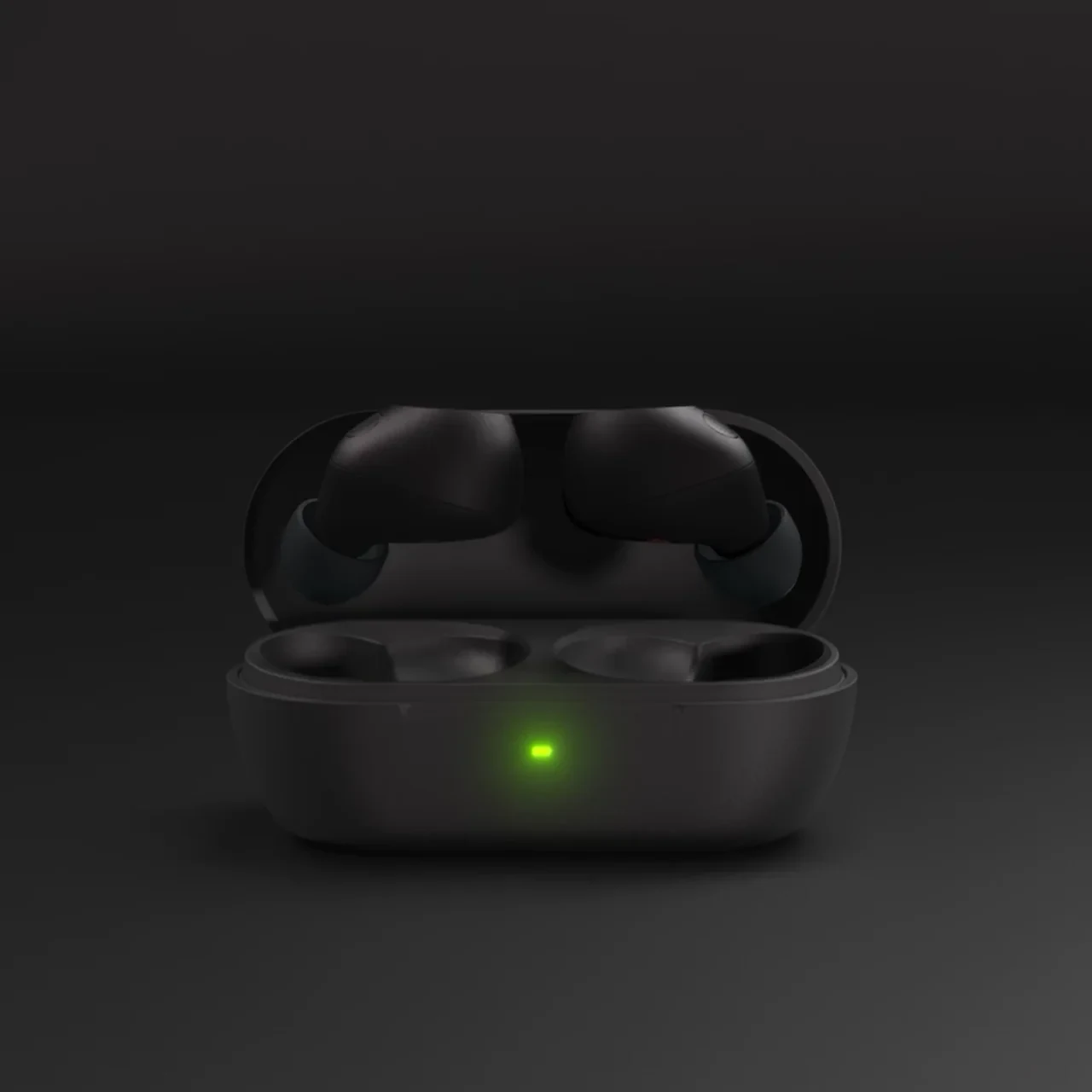
Consumer electronics CGI presents a specific set of challenges. The products are small, often held in a hand, worn on an ear, fitted to a desk, but they contain years of engineering decisions in their surface finish, material selection, and geometric precision. A 30-gram wireless earbud has a material language as considered as a luxury automobile. CGI has to make that visible.
XO3D is a director-led product CGI studio in Stevenage, UK. Its consumer electronics work includes Sony WF-C710 wireless-earbud animations produced for ImageNova and The G-Lab Keyz Titanium gaming-keyboard project. The published work shows how materials, lighting and feature sequences make small product details visible. Commission a product CGI film for a focused launch story, or a launch visual suite when the same product needs film, stills and campaign formats. The asset list and review stages are agreed around your brief.
For a launch before samples are available, see our pre-manufacture workflow. Our briefing guide explains the source files, channel requirements and approval decisions to bring to the first conversation.

The Sector Challenge
Why consumer electronics needs a specialist approach.
Small products demand precision at scale
Consumer electronics products are typically small. CGI must make them feel substantial and precise at every scale, from a 10-metre trade show screen to a 6cm Instagram thumbnail. This requires geometric accuracy in the model and carefully calibrated lighting that reads the surface correctly at any viewing size.
Surface finish is a brand signal
The specific material choices in consumer electronics, a matte anodised aluminium chassis, a soft-touch polymer, a gloss gradient panel, communicate brand positioning and product quality before the buyer reads a single word. CGI must reconstruct these finishes with physical accuracy, not library approximations.
Premium imagery is a table stake
Consumer electronics is a highly competitive visual category. Sony, Samsung, Apple and Bose set the aesthetic benchmark. Brands at every price point are judged against this standard. CGI that doesn't match this quality level undermines the product's positioning regardless of the product's actual quality.
Variant efficiency matters
Consumer electronics products often launch in several colourways. An agreed product model provides a common starting point, while each finish is checked against its own references. Plan the required views and campaign formats for every variant so product pages, film and social assets remain consistent.
Featured Work
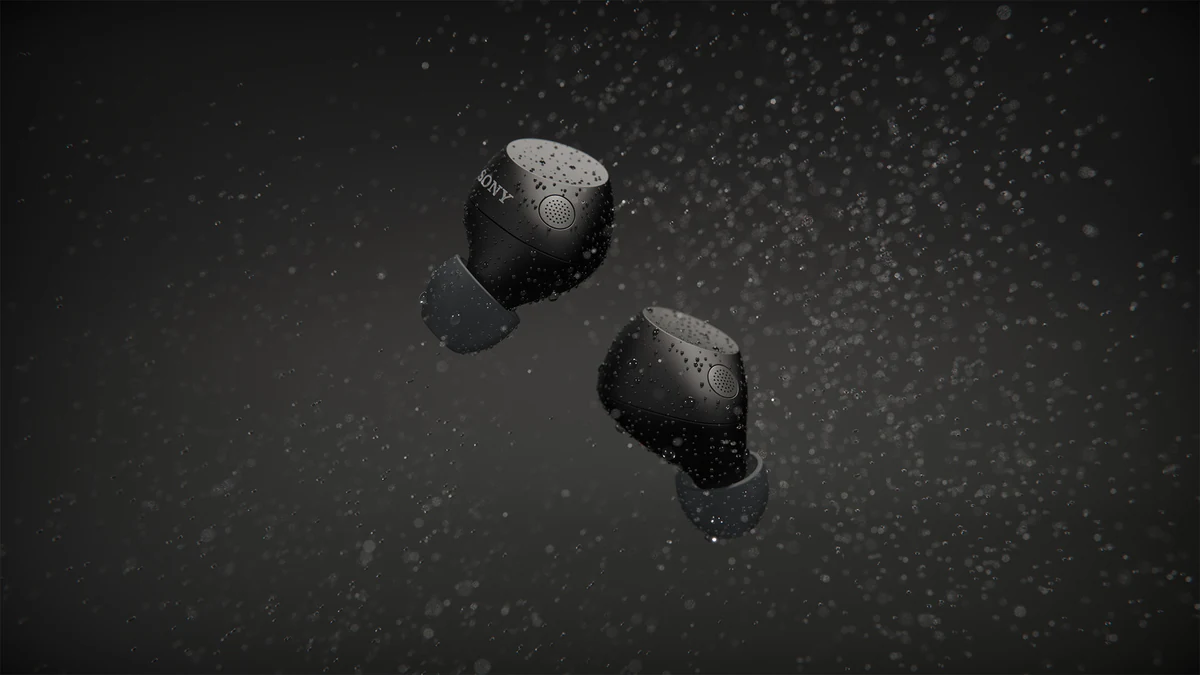
Sony WF-C710, produced for ImageNova.
Case Study · Consumer Audio
XO3D produced two short animated segments for ImageNova's wider Sony WF-C710 commercial, alongside feature-led imagery and rendered colourways composited into ImageNova photography. The public case study shows the animation, water-resistance VFX and compositing approach, with ImageNova credited as the commissioning client.
FAQ
Consumer electronics CGI questions.
What consumer electronics work can we review before commissioning XO3D?
How do you handle products with very fine surface details?
Can you produce all formats for a launch campaign from one brief?
Can production begin before our physical product is available?
What should a brand or agency include in the first brief?
Can you show realistic screen content on wearable devices?
How do you handle transparent or translucent device elements?
Start the conversation
Working on a consumer electronics launch?
Tell us about the product, your channels, and when you launch. We'll show you how we'd approach it.