
Service
Jewellery 3D Animation.
XO3D makes cinematic films for fine jewellery and watches, directed so the stone, the metal and the setting read as valuable in motion.
Start a conversationUpdated
Selected clients








Sony work via ImageNova. Ferrari and Burberry work via KCD.
Cinematic motion for fine jewellery.
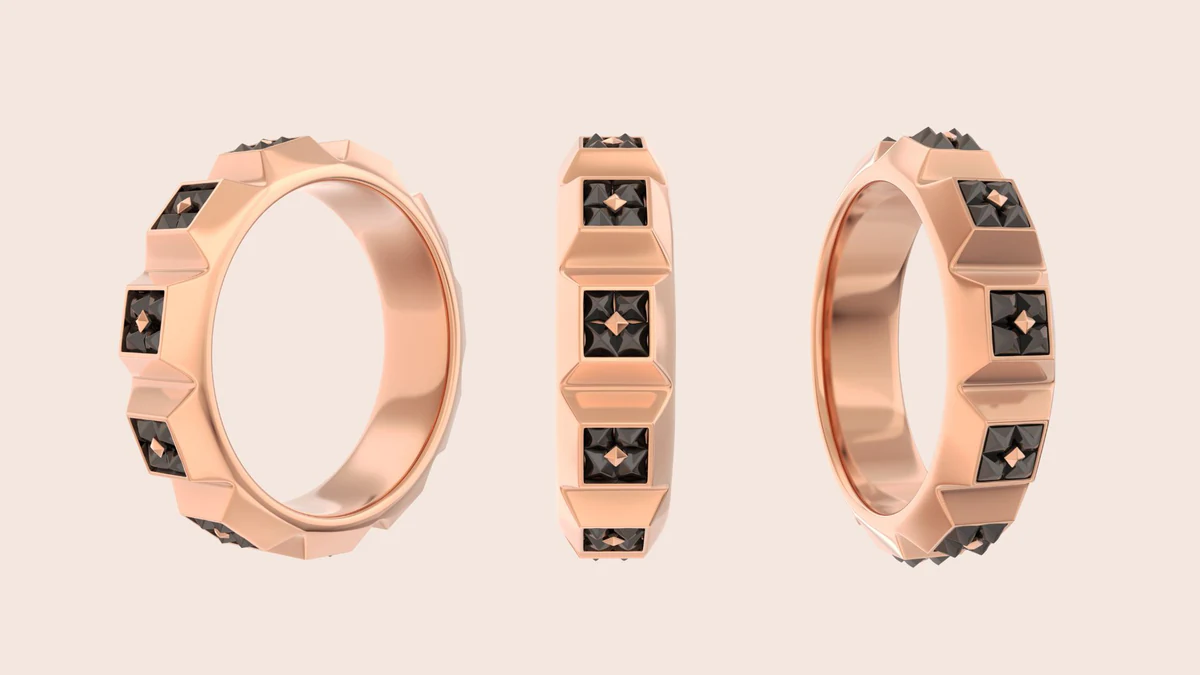
Jewellery animation is film-quality motion built around a single piece or a collection, produced entirely in CGI rather than shot on a set. XO3D is a director-led product CGI studio in Stevenage, UK, and it builds jewellery and watch films from CAD or a modelled 3D source, which means campaign assets can be finished before the piece is manufactured. Story, lighting language, materials and pace are agreed with a named Creative Director before a frame is rendered, then the sequence is developed through animatic, render and grade with sign-off at each stage. Accurate diamond ray tracing and metal reflectance are what allow cut, polish and setting to read as valuable in motion. Delivery covers the master film and any social cut-downs agreed in the brief.
The published reference for this work is the Baresi & Caine Stella Luce, a fine timepiece filmed in close-up reveal, built after the brand's own in-house renders could not reach the finish they wanted.
To plan the shots, references and outputs before you brief us, read the jewellery animation guide.
Published work
A watch film built from existing website assets.
For Baresi & Caine's Stella Luce, website images became the starting point for a marketing film. Baresi & Caine had produced its own models in-house. It then commissioned a range of website images from XO3D, and XO3D extended that work into a 59-second marketing film.
Close-up reveals show the watch face, the case detail and the finish. The film opens on an exploded view of the gold case and its parts, and ends on three versions of the watch side by side.
This is a watch film. It is not a gemstone demonstration, and it is not a record of every metal or stone treatment. To judge it for your own piece, watch the Stella Luce film with your references beside it.
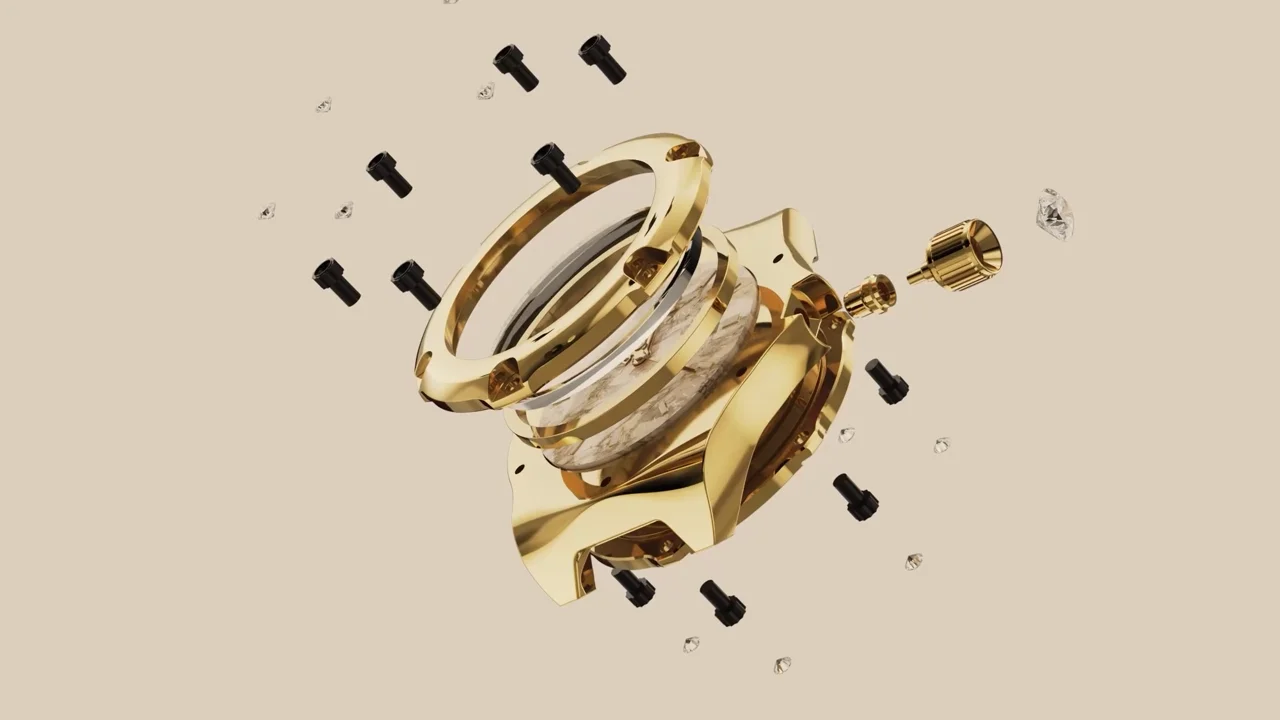
Opening frame. The gold case and its separated parts in an exploded view. 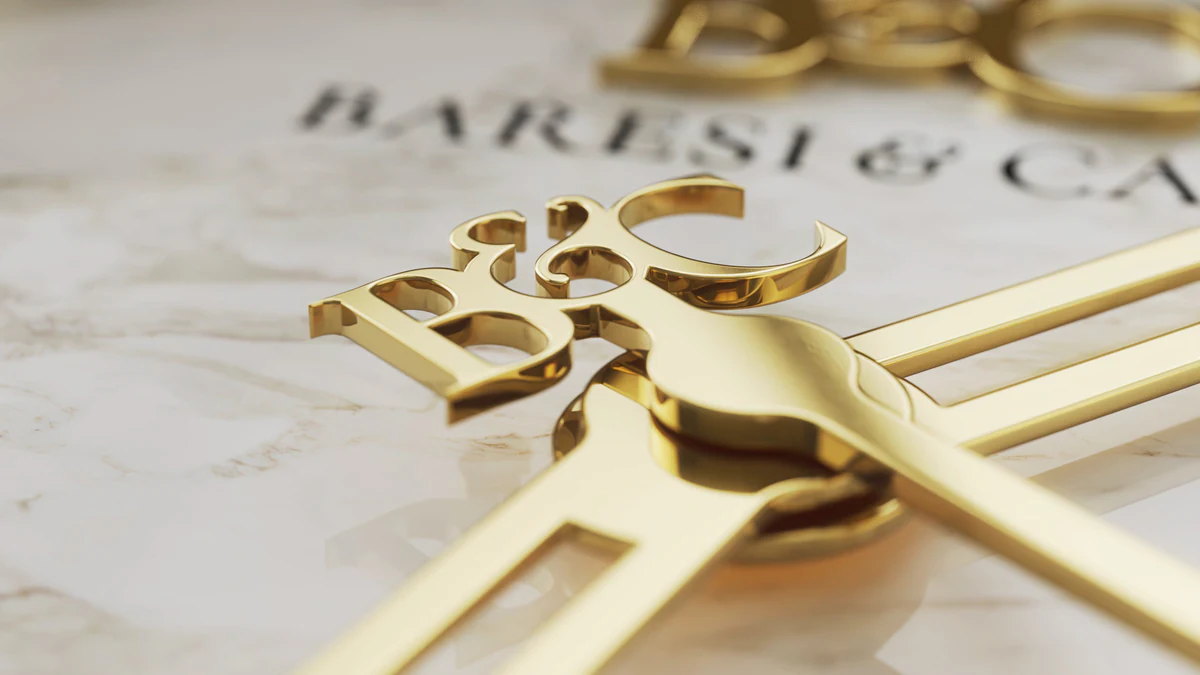
Close-up. The dial, the B&C monogram and the gold hands, on the film's gallery page.
Why it works
Why brands use jewellery 3D animation.
Capture the light.
Diamonds, polished metal, brilliant cuts, rendered with the light play that defines luxury.
Pre-launch ready.
Animate from CAD before manufacturing, campaign assets in market on launch day.
Every channel covered.
Master film and social cut-downs are scoped to the agreed launch outputs.
What we deliver
Scope the right outputs.
Watch Launch Film: Baresi & Caine Stella Luce
The full 59-second film, with sound. It opens as the gold case and its parts come together from an exploded view. Close-ups then move over the crown, the bezel, the strap buckle and the marble-effect dial with its B&C monogram and gold hands, before a full view of the watch and its case back. It ends on three versions with different dials and straps, then the Baresi & Caine logo. Open the film's gallery page.
Hero Brand Films
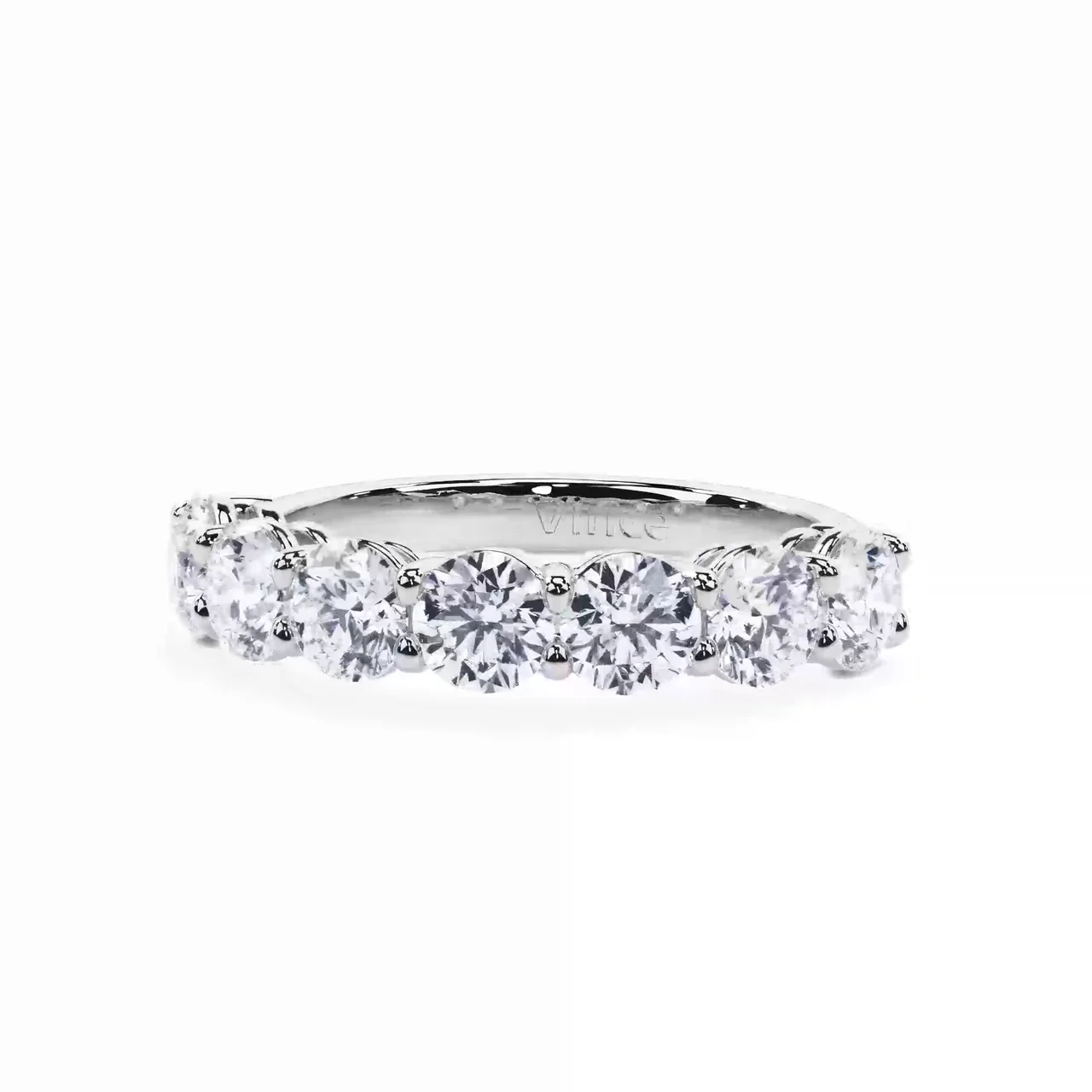
Cinematic narrative films around individual pieces or collection launches. See the ring rotation in the jewellery animation guide.
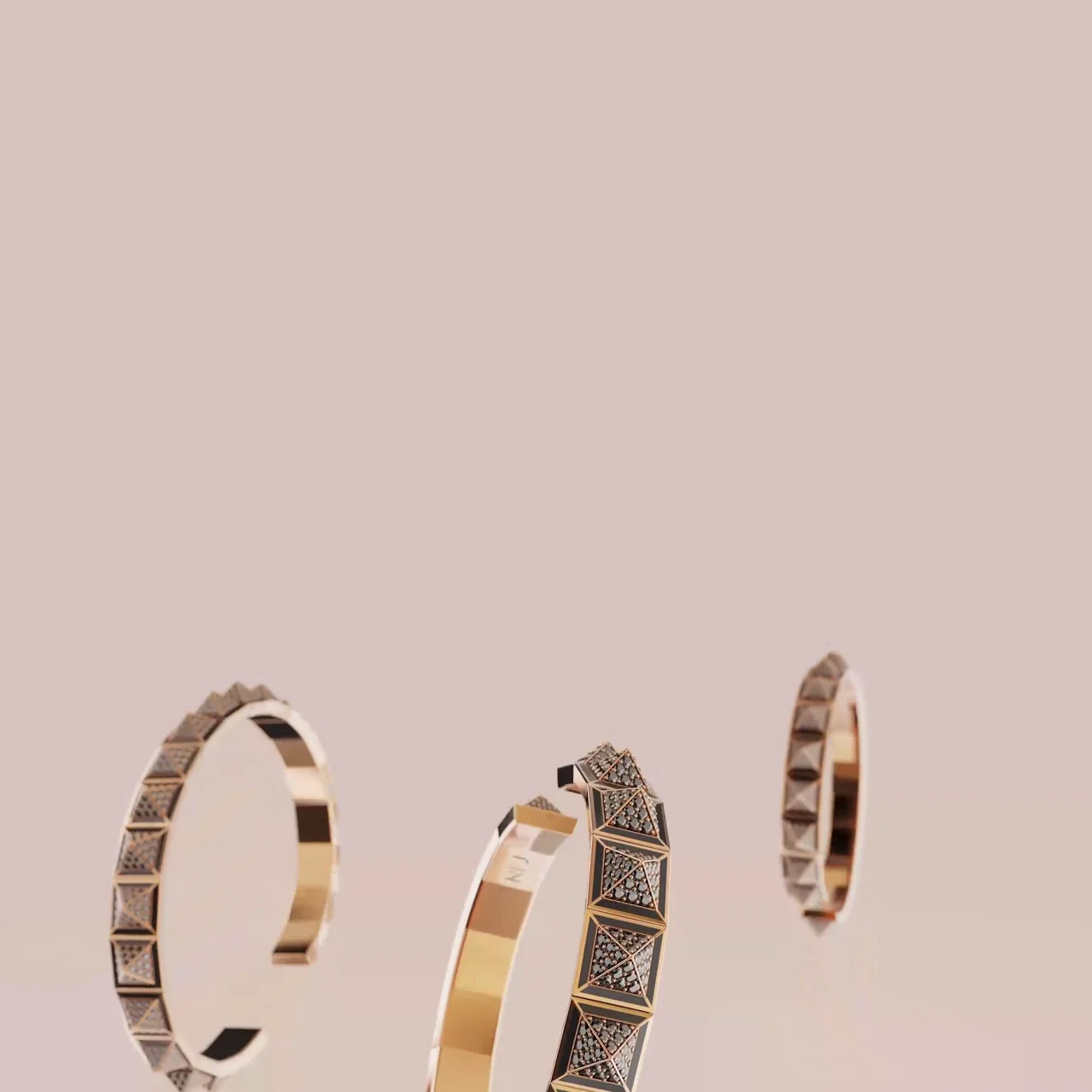
Product Animation
Rotating, exploded and detail-focused product animation built for product pages and social. See the ring reveal in the jewellery animation guide.
Social Cut-downs
Multi-format social content optimised for Instagram, TikTok and luxury campaign distribution. See the branded reveal in the jewellery animation guide.
Process
Our jewellery 3D animation process.
- 01
Share the brief.
Send CAD, sketches or physical reference for the pieces.
- 02
Define the film.
Story, lighting language, materials and pace agreed before any frame is rendered.
- 03
Create and refine.
Animatic, render and grade, every detail signed off through review stages.
- 04
Final delivery.
Master film plus the cuts agreed in the brief, delivered together.
What to send with your brief
Send what you have for each piece. We review the source before scoping the film, and tell you plainly where the gaps are.
- The source model or CAD, if you hold it.
- Sketches or physical references, if you do not.
- Finish and stone references, such as samples or approved photographs.
- The number of pieces in the film.
- Where the film will appear: launch page, product page, social or events.
- The launch date the film has to meet.
These are the details we ask for, not a list of accepted file formats. To prepare the source material, see the CAD guide. To build the CGI brief, use the template.
Agree the film and its versions
A jewellery film usually serves more than one placement. Agree each version before production, so the camera and the edit are planned for it. These are scoping prompts. Not every commission includes every version.
| Placement | Decision to agree | Review focus |
|---|---|---|
| Hero launch film | The message, the runtime, and the picture and sound | Whether the story and the pace carry the piece |
| Product page detail | The view, whether it loops, and the feature in focus | Whether the focal detail reads at page size |
| Social cut | The framing, the runtime and the platform | Whether the piece still reads in the crop |
Set file sizes and formats against our delivery specifications. For how films are planned across channels, see the product film programme.
How the film is reviewed
Story, lighting language, materials and pace are agreed with a named Creative Director before a frame is rendered. The sequence is then developed through animatic, render and grade, with sign-off at each stage. Our guide explains how to review the film at the right stage, and our process page explains how approval works.
Related routes
To compare jewellery animation treatments, such as reveals, rotations and colourway sweeps, see the guide. For stills, read about planning still jewellery images. For the wider sector, see CGI for luxury goods.
FAQ
Common questions, answered.
What makes a gemstone look realistic in jewellery animation?
For jewelry rendering or animation, a gemstone looking fake is all about the sparkle of the gemstone, and the lighting needs to be spot on here because a lot of rendering solutions have already built-in gemstone settings, which are good, but then it really comes down to the lighting, making that gemstone spark and really pop off the page.
Can you make CGI jewellery look like real jewellery?
Can existing jewellery renders become a launch film?
What do you need from us to start?
How long does production take?
Your next project
Give the material room to register.
Plan camera speed, close-up detail and lighting around the piece. Reflective-surface craft is relevant across products; select a jewellery reference for the actual metal and stone treatment before production.
A route to consider
Product CGI Films
A product film developed through creative treatment, storyboard, animatic, product review and final picture and sound.
Bring these three things.
- Which facets and settings need close views?
- What physical finish references exist?
- What runtime and viewing formats are required?
Start with an outline. We review the product, intended outputs and timing before agreeing the production scope.
About the studio
XO3D is a director-led product CGI studio. Founded by Thomas Howcroft in 2017 and incorporated as XO3D Ltd (UK Companies House 11876020) in 2019, when Alex Mann joined as co-founder. Based at the Business and Technology Centre in Stevenage, UK, with representation at 244 Fifth Avenue, New York. We work with tech, industrial and premium consumer brands on product films, launch stills and interactive experiences.