XO3D Studio · 3D Animation
3D Jewellery Animation: How Premium Brands Film Stones and Metal
Every facet, in motion.
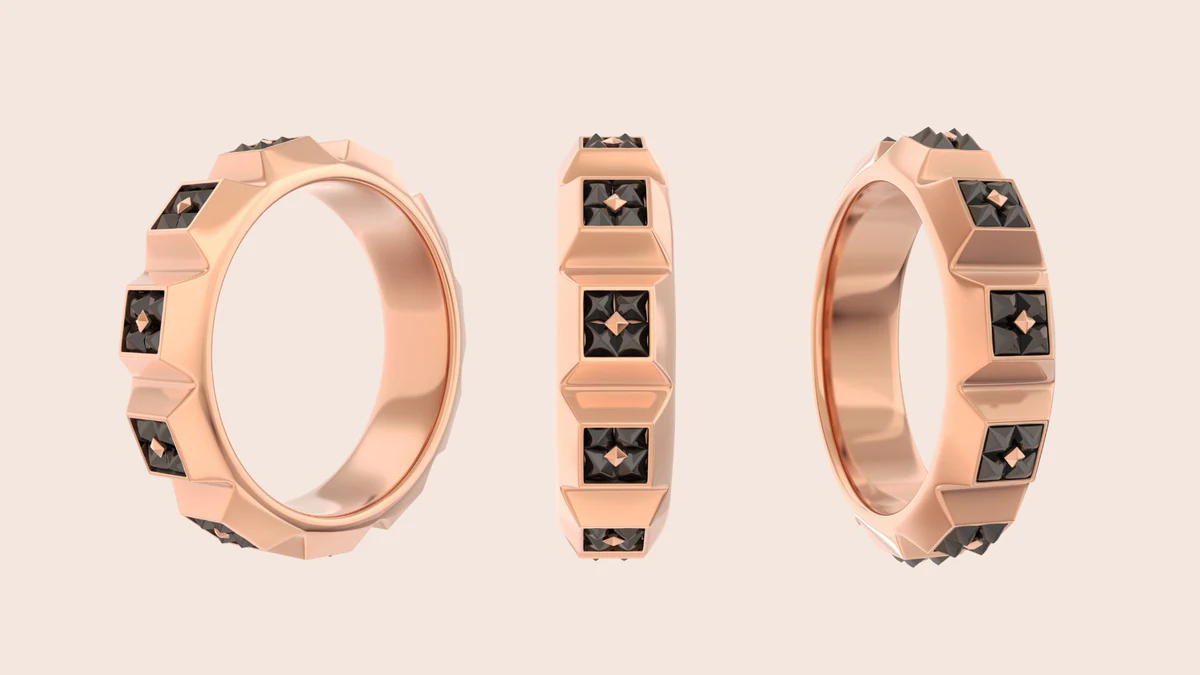
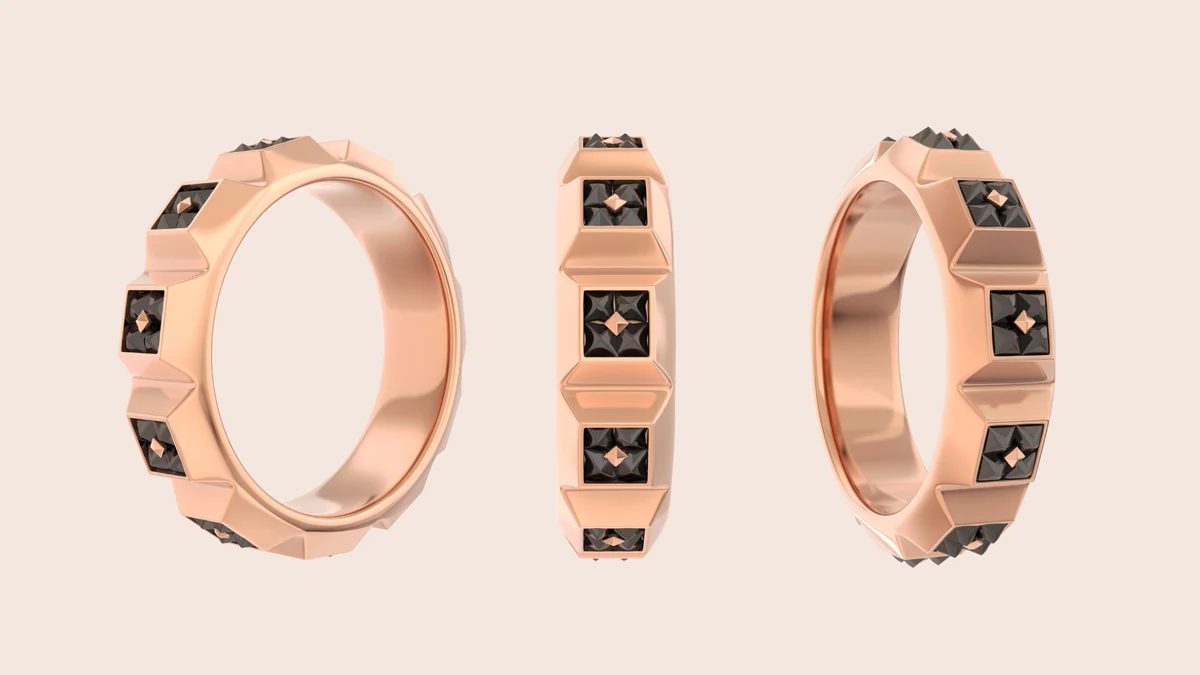
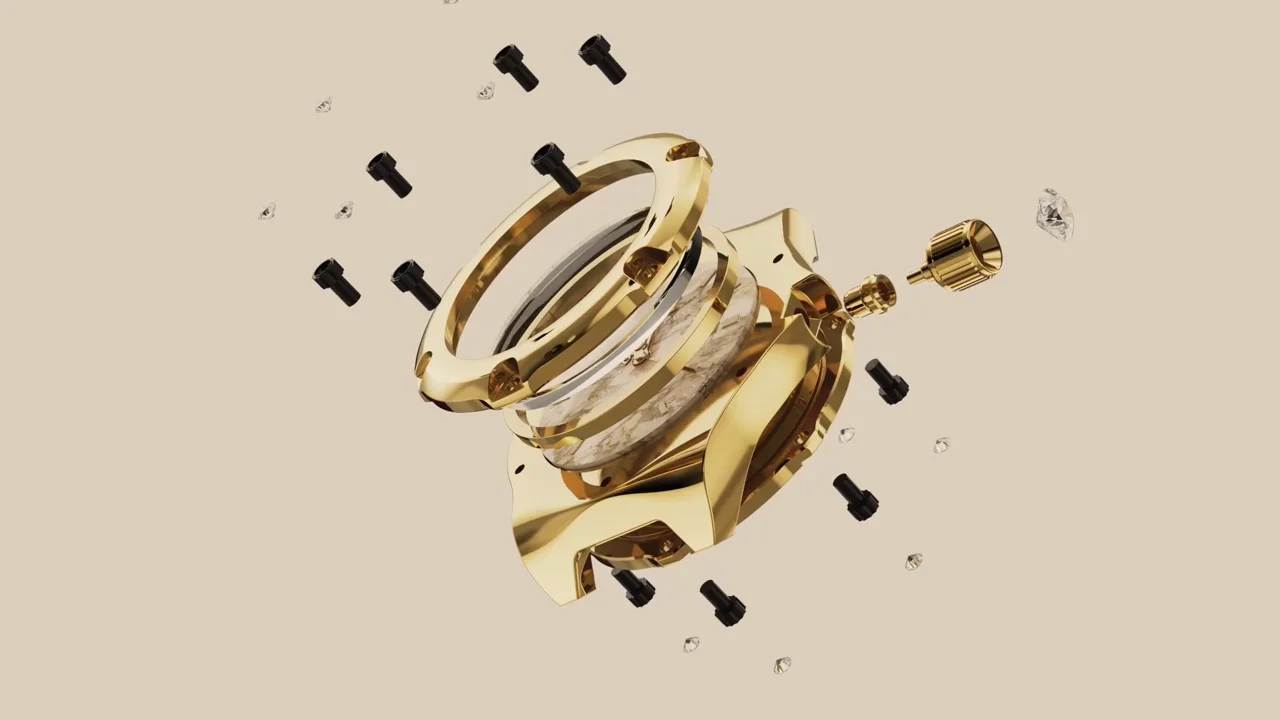
3D jewellery animation lets brands present precious metals, stones and craftsmanship at macro scale with total lighting control. Perfect reflections, dispersion accurate to the stone, plating true to the finish. All without loans, insurance risk or a studio day.
Why jewellery animation
Macro detail with total lighting control.
Jewellery animation lives at macro scale. The camera goes closer than any physical rig can, and the light behaves exactly as directed on the metal, the stone and the setting. That level of control is what turns a good render into a hero campaign asset.
For jewellery brands, CGI animation also removes the operational friction of live-action, no piece to insure, no borrowing from stock, no risk of losing focus at magnification. Same asset carries hero film, PDP and social.
What's covered
The main varieties, in detail.
Advantages
Why brands commission it.
Macro without a physical rig.
Virtual cameras go closer than any physical macro rig can, and every frame is repeatable. Perfect focus, perfect light, at every scale.
Stone and metal behave correctly.
Refraction, dispersion, subsurface, anisotropy, all handled by modern render engines to physically accurate standards.
Range coverage from one build.
Once one piece is modelled, every stone, metal and finish variant is a re-render from the same source. Range extensions scale.
No insurance, no loans, no stock risk.
The physical piece never leaves the studio. Prototypes, unreleased designs and archived pieces can all appear in campaigns without operational friction.
Launch before manufacture.
With CAD or design intent, campaign film runs before the physical piece exists. Pre-orders and investor material go early.
Trade-offs
What to plan for.
Stone realism is a specialist craft.
Diamond, emerald, sapphire, opal, each behaves differently. Photoreal stone work takes real skill and render time to achieve properly.
Metal is unforgiving of shortcuts.
High-polish gold and platinum show every lighting flaw. Careful HDRI selection and directed catch-light are essential.
Very close macro requires strong CAD.
At extreme close-up, model quality matters. Well-built CAD or a hero-poly model is essential for macro work.
Fine editorial still leans photography.
Vintage, worn or documentary jewellery editorial still often benefits from live-action. CGI is not always the fastest route.
Macro
Beyond physical rigs
Virtual cameras go closer than any physical macro rig, with repeatable focus and repeatable light.
1 build
Every variant
One 3D model drives every stone, metal and finish combination in the range.
No stock
Operational risk
The physical piece never leaves the studio, no insurance, no loans, no travel.
Process
How the work is produced.
- STAGE 1
Brief and reference.
Pieces, stones, metals, mood direction and target platforms agreed at kick-off. Reference photography of any physical samples welcomed.
- STAGE 2
3D modelling.
Piece is built to real-world scale with jeweller-grade geometry. Every prong, setting and finish detail captured.
- STAGE 3
Materials and stones.
Stone materials built to accurate refractive properties. Metal and plating materials tuned against physical swatches or reference.
- STAGE 4
Lighting rig.
HDRI plus directed pins to shape catch-lights on metal and dispersion in stones. Cinematographer-grade rig control.
- STAGE 5
Animation and cameras.
Directed macro camera moves, part rotations and variant transitions blocked and animated.
- STAGE 6
Rendering and finish.
High-sample render passes composited and colour-graded. Final animation delivered at hero-campaign quality.
Who commissions this
Built for teams shipping the launch.
Jewellery brands running launches, seasonal ranges and premium campaigns. In-house creative teams supporting ecommerce and PR imagery.
Agencies delivering integrated luxury or jewellery briefs. Custom and bespoke jewellers producing pre-manufacture visualisation for clients.
Case studies
Recent work.


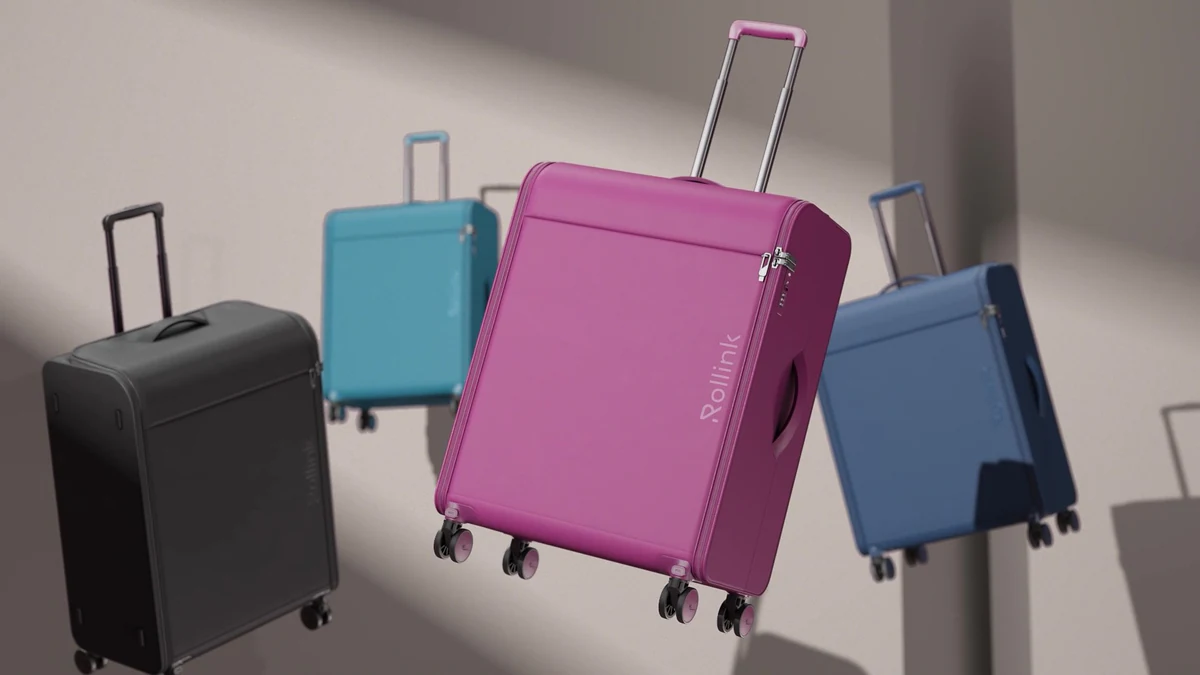
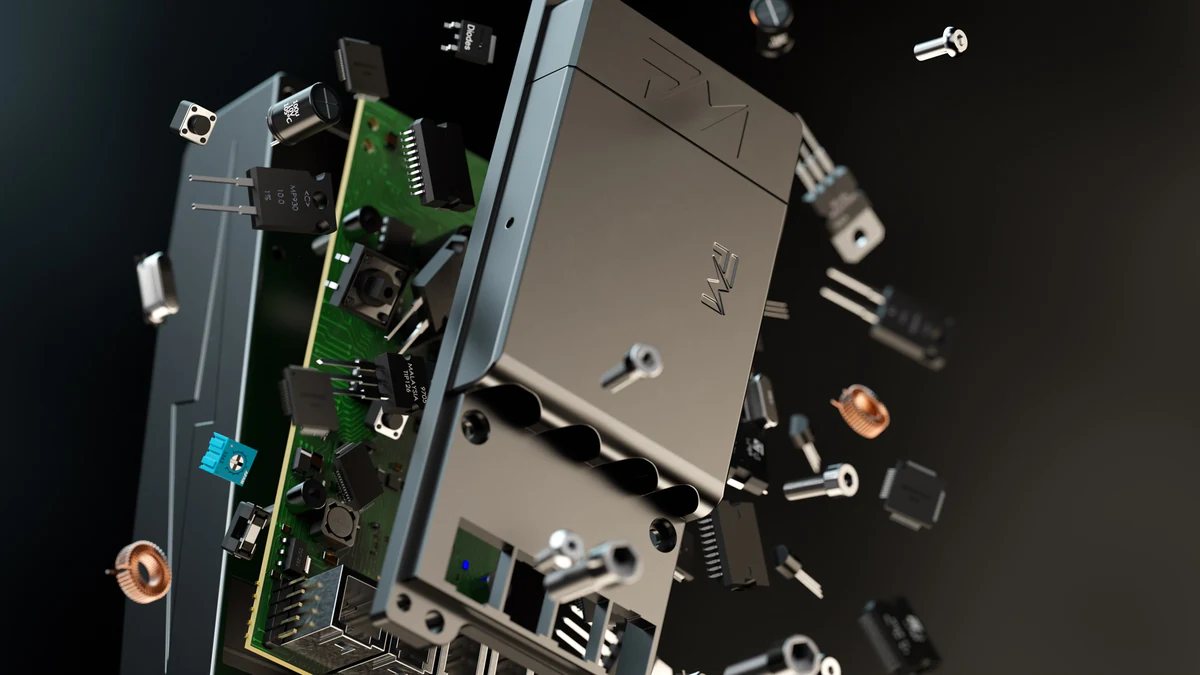
Petalite EV charger. Full launch content set from one CGI build.
View case study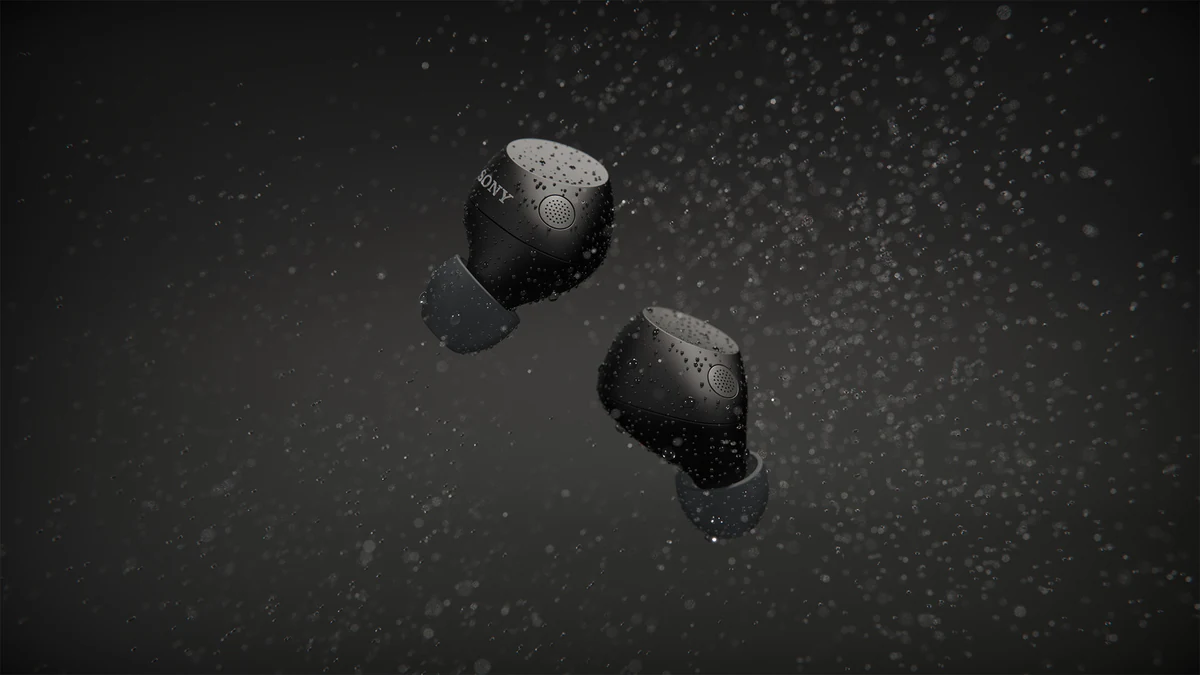


Sony WF-C710 for ImageNova: two short animated segments for the launch commercial, plus rendered colourways composited into product photography.
View case study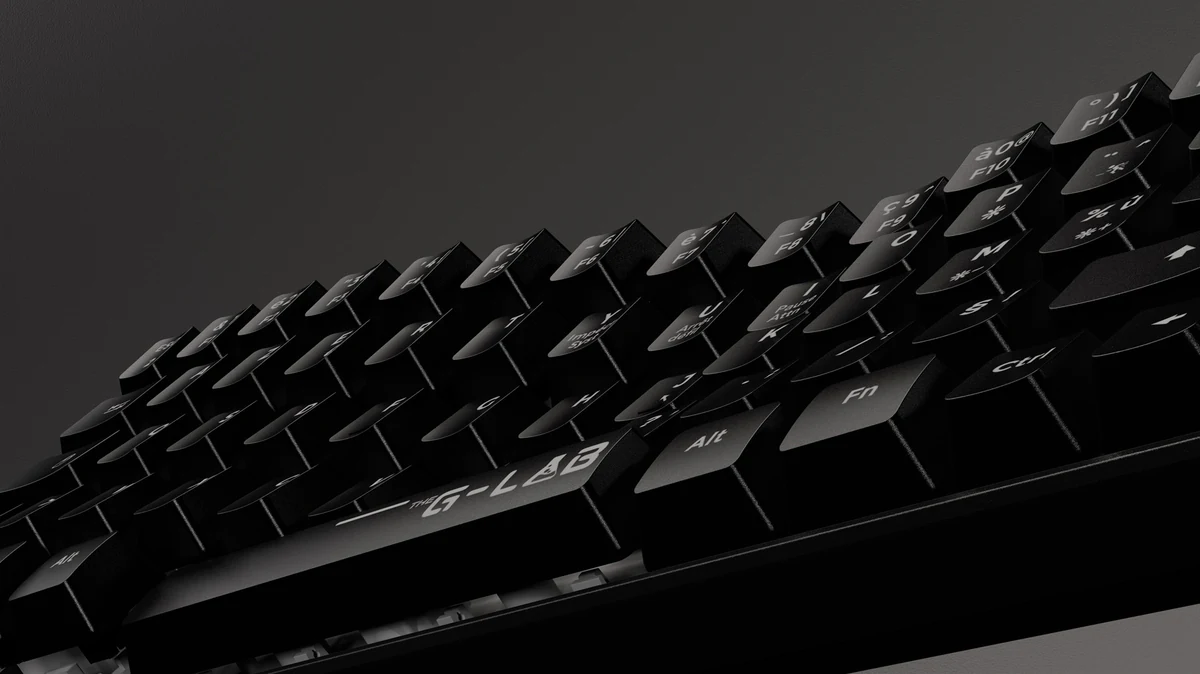

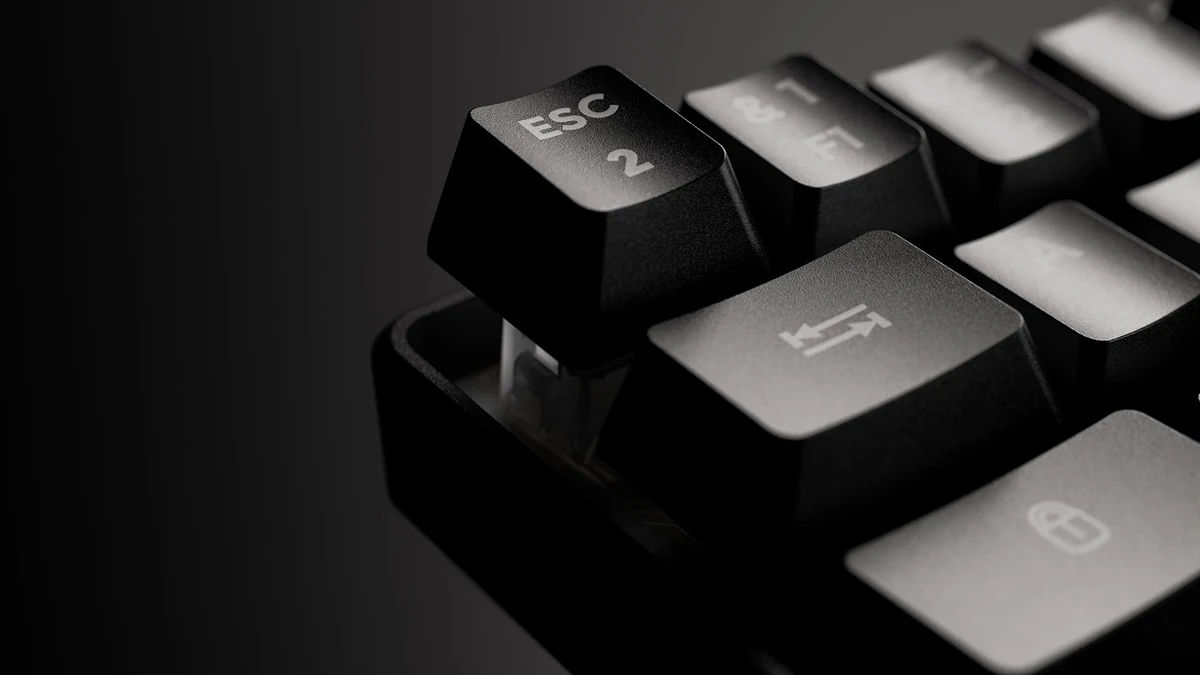
G-Lab gaming keyboard launch, from one 3D build.
View case studyTestimonial
The team at XO3D were a pleasure to work with on one of our big projects. They rendered, batched, and saved out literally thousands of images for us. Every single one of these images came out perfect.
For a commercial brief, define the pieces, target platforms and campaign moment first, then scope director-led jewellery animation around that job. For sibling topics, see jewellery rendering and the 3D animation hub.

FAQ
Common questions, answered.
Is 3D jewelry animation different from 3D jewellery animation?
No. Jewelry is the US spelling and jewellery is the UK spelling; the service, process and outputs are the same.
Can CGI match real jewellery photography?
For most launch and campaign work, yes. Modern render engines handle metal, stone dispersion and macro focus at a quality level indistinguishable from photography in print and on-screen.
How is dispersion in stones handled?
Modern render engines model stone refractive index and dispersion accurately. Cut, colour and clarity all render true, provided the source model is built to jeweller-grade tolerances.
Do you need CAD to model a piece?
CAD is the fastest route, but not the only one. Photography of a physical sample plus dimensions can also feed the modelling stage.
How long does a jewellery animation project take?
A hero film of 30 to 60 seconds typically takes 4 to 7 weeks, depending on piece complexity. Colourway sweeps from an existing model are faster.
Your next project
Plan for close inspection.
A reflective object needs controlled lighting and camera movement. Choose the details a buyer must inspect, then review the actual metal and stone references for the new piece.
A route to consider
Product CGI Films
A product film developed through creative treatment, storyboard, animatic, product review and final picture and sound.
Bring these three things.
- Which details need close views?
- What finish references exist?
- How will the film be displayed?
Start with an outline. We review the product, intended outputs and timing before agreeing the production scope.