XO3D Studio · 3D Animation
3D Marketing Films: Formats, Process and Campaign Planning
One 3D source, planned versions.
A marketing film should carry a clear product message into its intended placement. Plan the hero edit, shorter versions and alternate compositions around the actual audience and channel requirements.
Why 3D marketing videos
Choose the format for the message and placement.
Paid social, a homepage hero, product pages, retail media and email each have their own formats and viewing conditions. A film that works as a homepage lead may need a different opening, crop or ending to work in a feed.
A 3D product build can supply a hero film, shorter cuts, product-page loops and vertical versions in one consistent look. Each version still needs its own message, composition and review, so plan them before production starts.
What's covered
The main varieties, in detail.
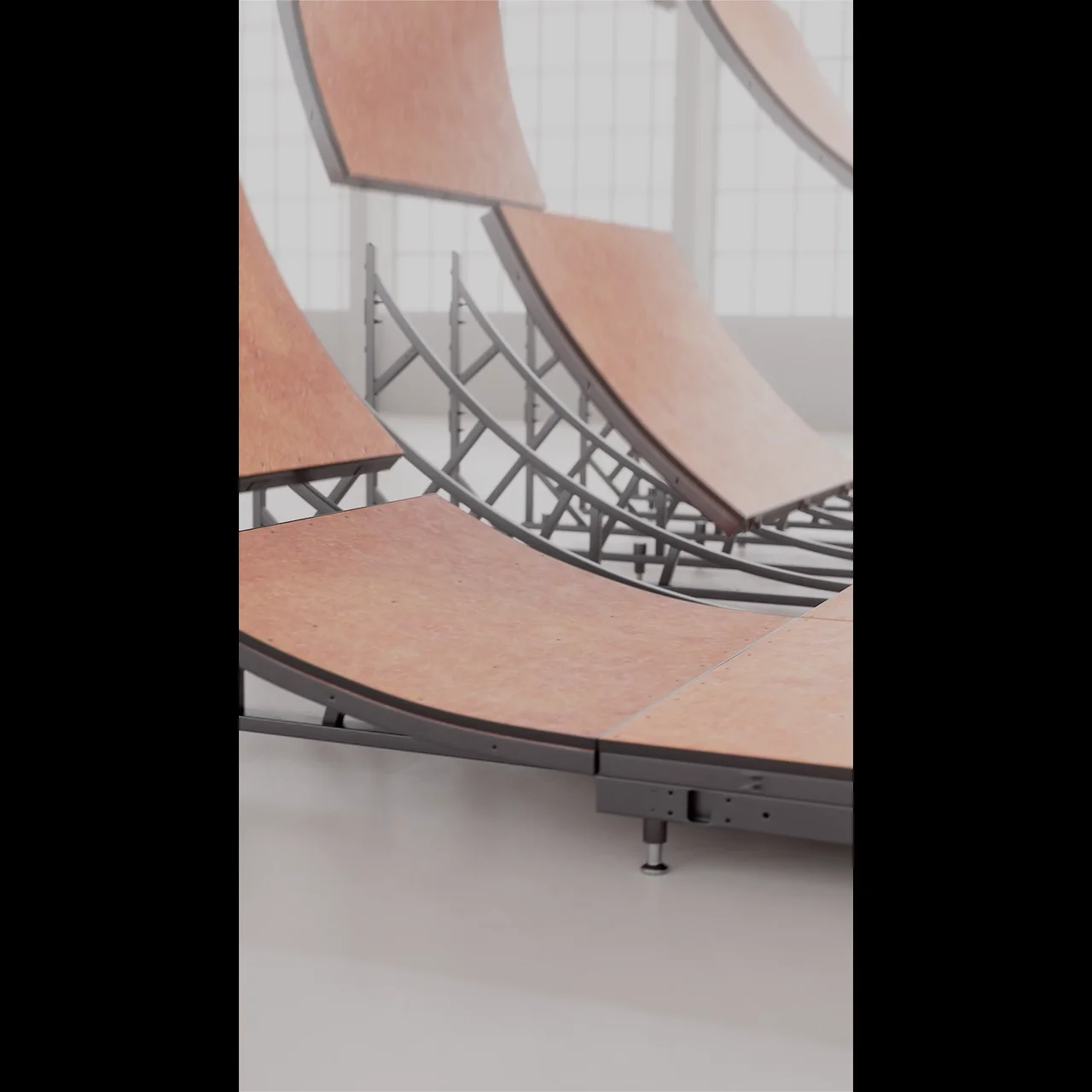
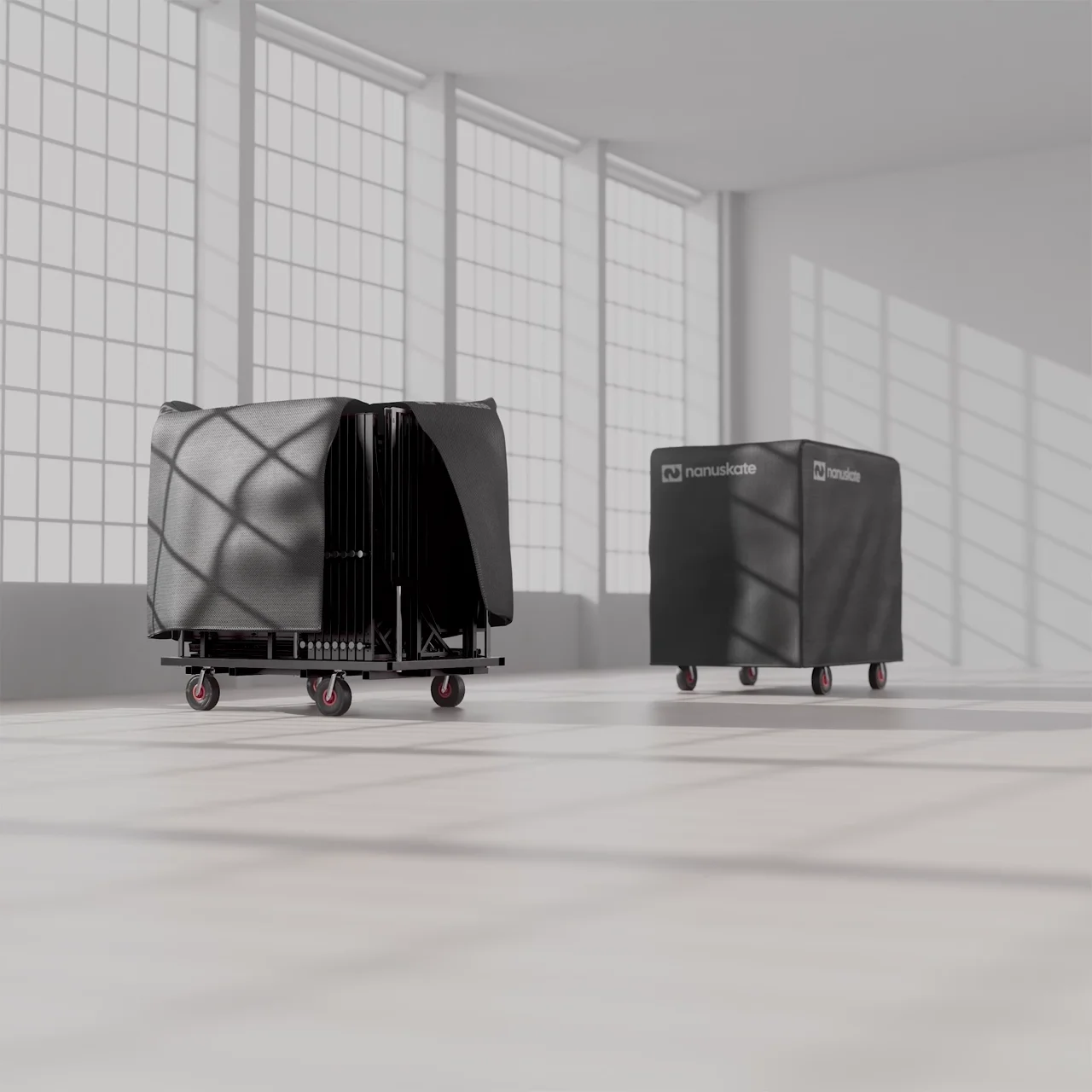
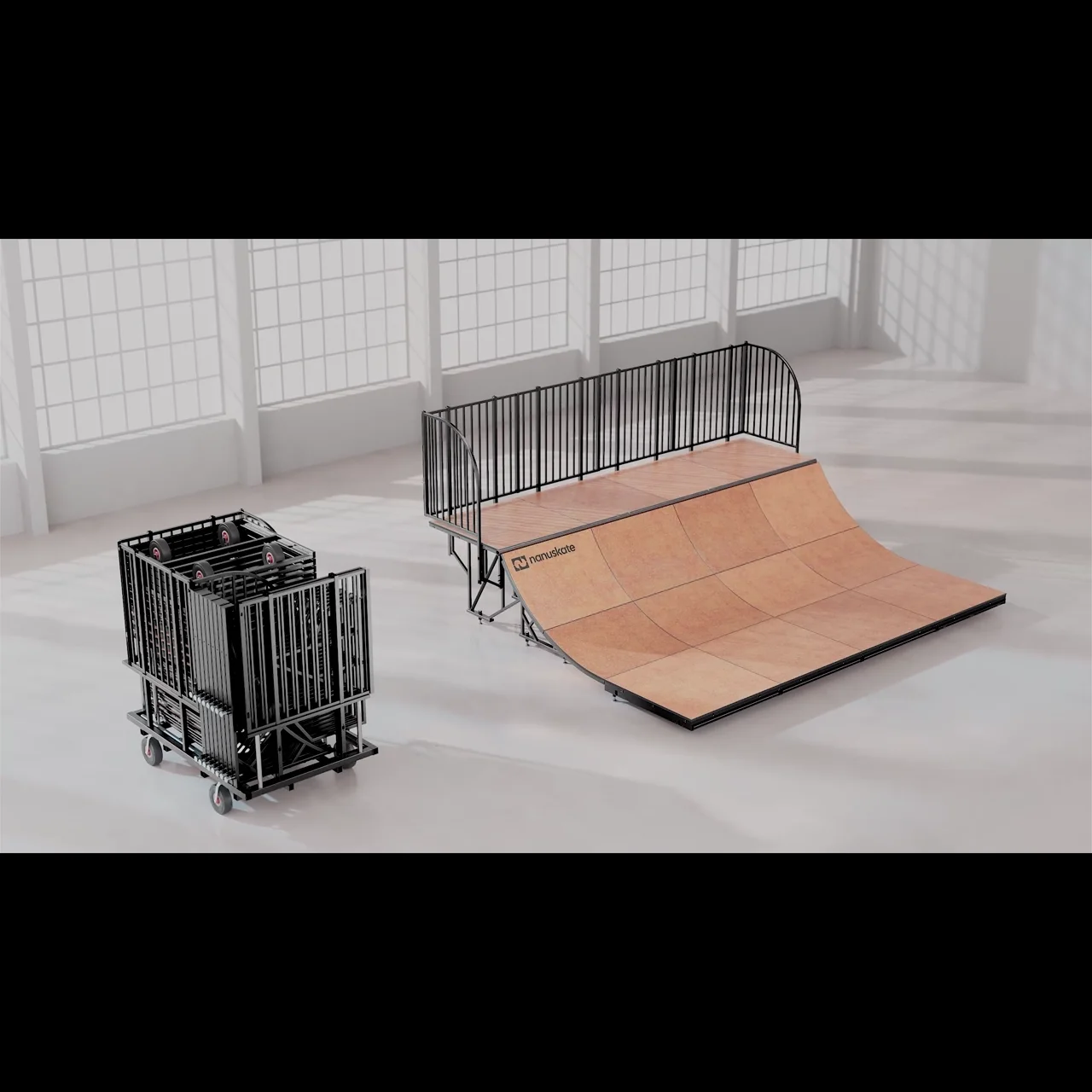
Nanuskate cuts, two to three seconds each. Labels name the picture shape each was composed for.
Choose the cut by its job
A 3D marketing video is a set of cuts, each with a job. The hero film introduces the product.
A short cut has a second or two to make one point. A loop has to work with the sound off.
Before production, name the job for each cut, then decide its length, shape and opening around that job. The examples on this page show different jobs, so read them as a set of decisions rather than a list of formats.
| Example on this page | Communication job | Composition as shown | Output to confirm | Next decision |
|---|---|---|---|---|
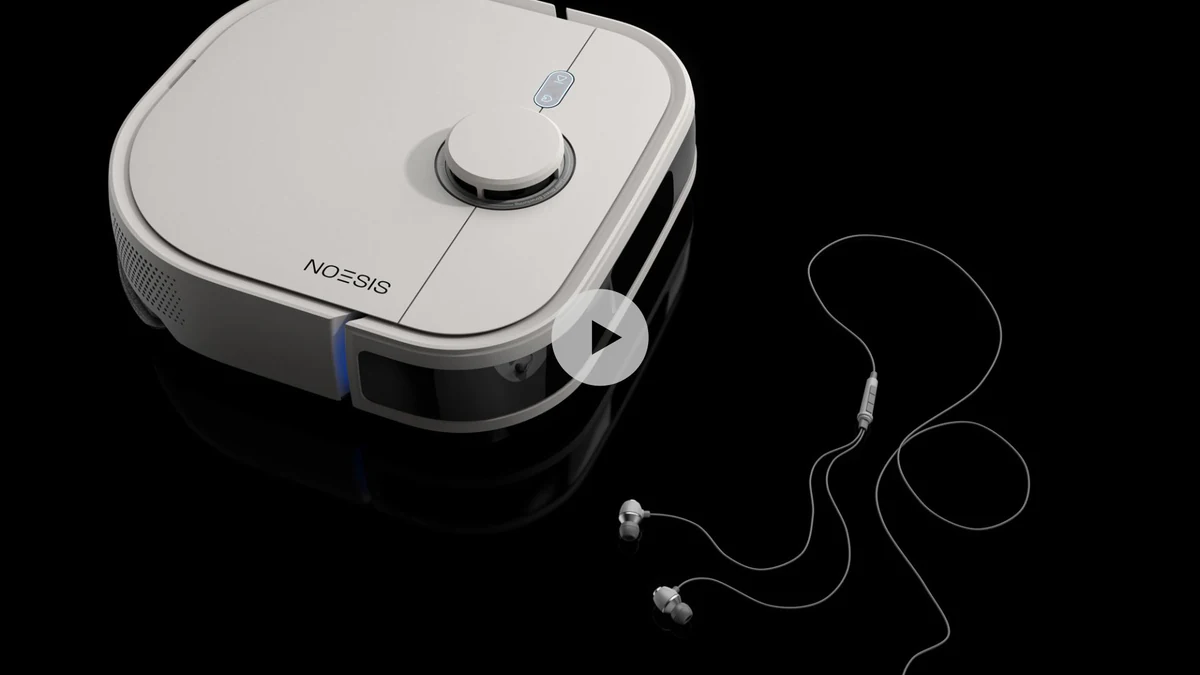
| Noesis Florio launch animation | Introduce the product and its main features in order | Wide 16:9, about 97 seconds, short on-screen lines | Which placements carry the full film | Which features survive a shorter cut |
| Chiliworks Brewvané Amazon cut | Show form and finish on a product listing | Square, about 14 seconds | The listing’s current video specification | Whether the opening works without sound |
| Duux Neo colourway scroll | Let a buyer compare finishes | Wide 16:9, about 8 seconds, a hold on each colourway | Where buyers choose a finish | How long each hold needs to be |
| Nanuskate short cuts | Carry one look into different shapes | Vertical, square and wide pictures, 2 to 3 seconds each | Which shapes each placement needs | Whether a shape needs its own camera rather than a crop |
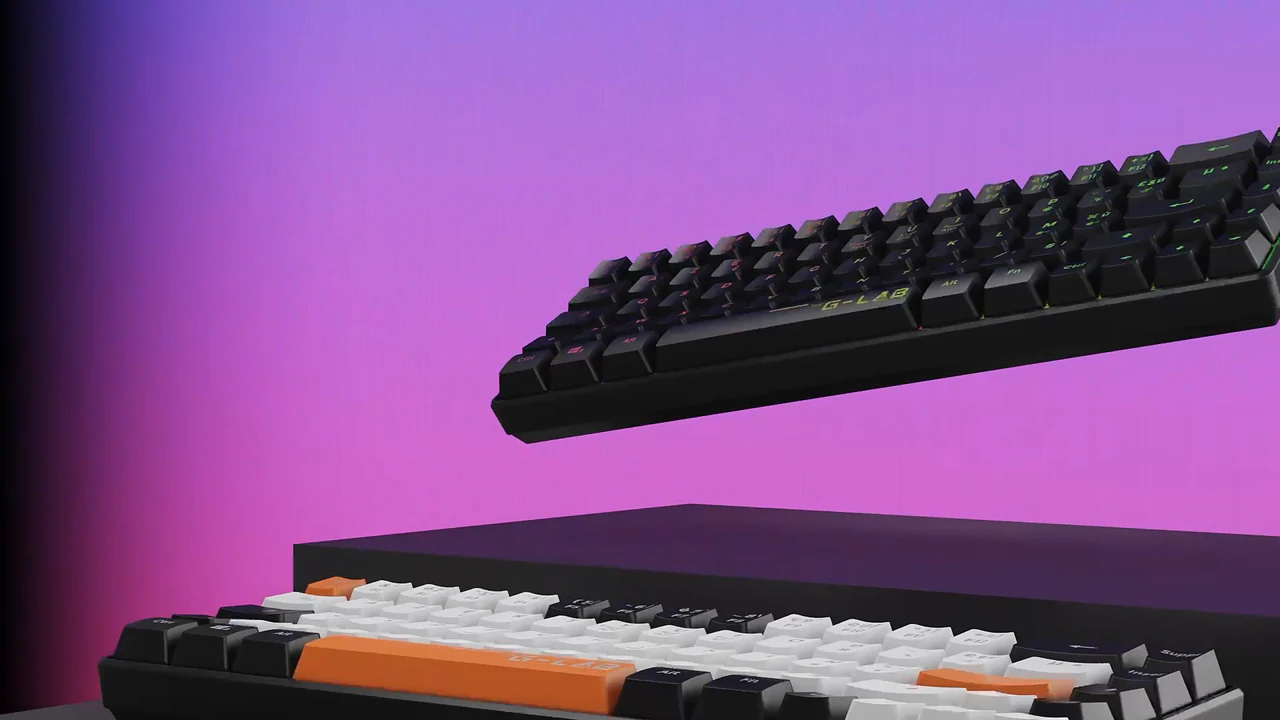
| G-Lab typing loop | Hold attention without sound | Wide 16:9, about 4 seconds, looping | File-size limits for the page or email | Where the loop starts and ends |
Runtimes and shapes were measured from the files on this page on 4 November 2026. They describe these examples, not platform rules, so check each platform’s current specification when you brief. For the wider argument, read the wider case for 3D in marketing.
One source, considered versions
The geometry, materials and lighting built for a hero film can usually support later versions. Other parts often cannot be reused as they are:
- The opening. A feed gives a film a second or two, so a slow reveal may need a new first shot.
- The composition. A vertical crop of a wide shot can lose the product or the action, and may need its own camera.
- Labels and on-screen lines. These change with the channel, the market and the language.
- The ending. The last frame and the next step differ between a homepage and an advert.
- The sound mix. Some placements play muted, so the picture has to carry the message alone.
On the G-Lab keyboard project, the deliverables included a 40-second launch film and colourway showcases across the Keyz Hydrogen range. Plan likely later uses before production, so the cameras, canvas and review stages allow for them. Some versions will still need new shots.
Plan the first three decisions
Three answers shape the whole set:
- The audience and the message. Who the film is for, and the one thing it must say.
- The placements. Where each version will run, its shape, and whether it plays with sound.
- The first fixed date. When the first versions must be ready, and which ones.
Two free XO3D Labs planners help with this: plan the campaign outputs and list the launch assets. A planner result does not send an enquiry and is not a production schedule. When you are ready to brief a studio, the product CGI brief template collects the same answers.
For a commercial brief, define the channels, runtimes and campaign moment first, then scope director-led product film around that job. For sibling topics, see the 3D animation hub and video production.
For feature sequences, exploded reveals and campaign cutdowns built from one CAD source, see our 3D product animation. For one motion language across the film, the logo reveal and every cutdown, see Brand Motion.
Advantages
Why brands commission it.
One build, planned versions.
Hero, shorter and vertical versions can come from the same 3D build when they are planned before production. There is no reshoot per format, but each version is still directed.
Room for planned changes.
A new colourway or environment can often be made from the existing build. A new opening, label or ending may need new shots, so agree likely changes early.
One consistent look.
The hero film, short cuts, product-page loops and vertical versions share the same lighting, materials and camera language.
Choose the format for the message.
Motion suits a message that changes over time, such as a mechanism, an assembly or a reveal. A still can answer a detail question faster. Choose by the message and the placement.
Can be made before manufacture.
Films can be made from CAD before the first units exist, so campaign content does not have to wait for samples. The design needs to be stable enough to animate.
Trade-offs
What to plan for.
Front-loaded production.
The product asset is prepared before the finished campaign outputs. Agree the first deliverables and likely later uses so the geometry, materials and shot planning support the brief.
Directorial pre-production still matters.
Storyboards, pacing and camera language still decide whether the film lands. CGI does not remove creative discipline.
Sound design is craft.
Marketing video sells to the ear as much as the eye. Budget for real sound design, especially on hero film.
Not every category is CGI-first.
Human-centred, editorial, documentary and lifestyle-first work still benefits from live-action or hybrid production.
1 build
Planned versions
Hero, short and vertical cuts from one 3D source, each composed for its placement.
From CAD
Content timing
Films can be made before the first units exist, once the design is stable.
Per placement
Format choice
Choose motion or stills by the message and where the work will run.
Process
How the work is produced.
- STAGE 1
Brief and script.
Story, audience, runtimes, aspect ratios and success metrics agreed at kick-off.
- STAGE 2
Storyboard and animatic.
Storyboards and a low-fidelity animatic lock pacing before rendering starts.
- STAGE 3
Modelling and scene build.
3D asset prepped for film work. Cameras placed, lighting rigged, materials tuned.
- STAGE 4
Animation and blocking.
Cameras, parts, materials and effects animated to the animatic. Blocking previews check rhythm.
- STAGE 5
Rendering and compositing.
Full-quality renders composited in Nuke or After Effects.
- STAGE 6
Edit, sound and delivery.
Final edit, sound design, colour grade and platform-specific encodes.
Who commissions this
Built for teams shipping the launch.
Brand marketing directors and CMOs running paid campaigns. Product marketing at consumer, industrial and premium brands.
Advertising and design agencies delivering integrated video briefs. In-house creative teams scaling paid social and PDP video.
Case studies
Recent work.
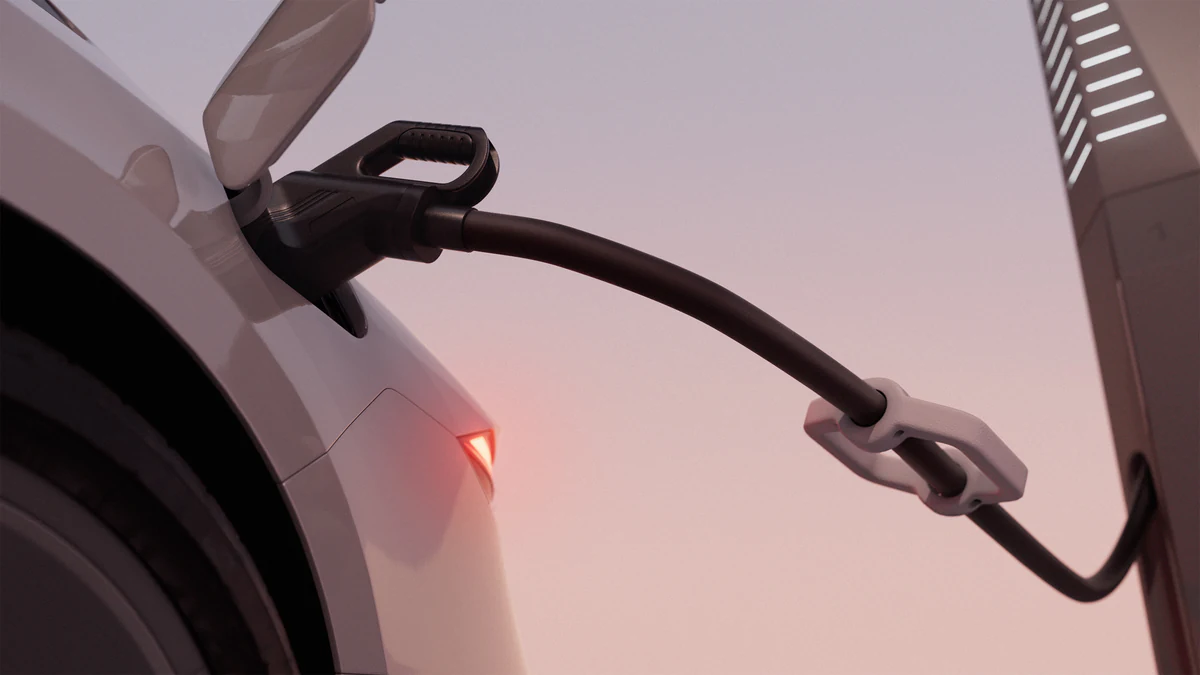
Petalite EV charger. Full launch content set from one CGI build.
View case study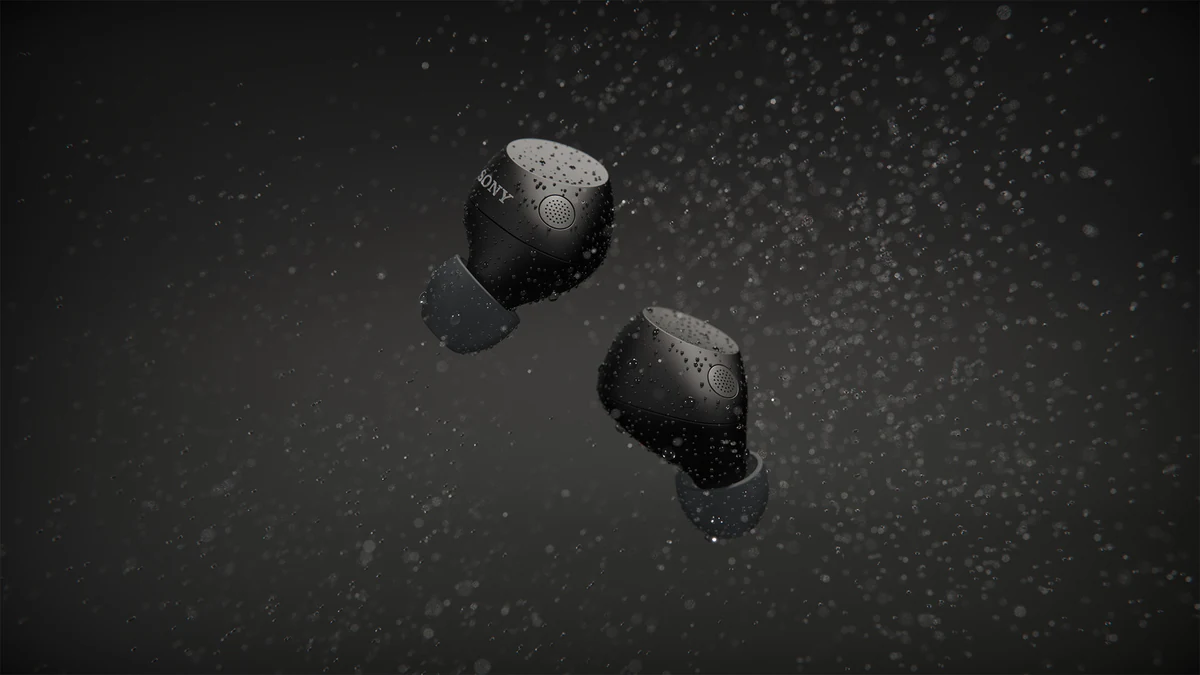

Sony WF-C710 for ImageNova: two short animated segments for the launch commercial, plus rendered colourways composited into product photography.
View case study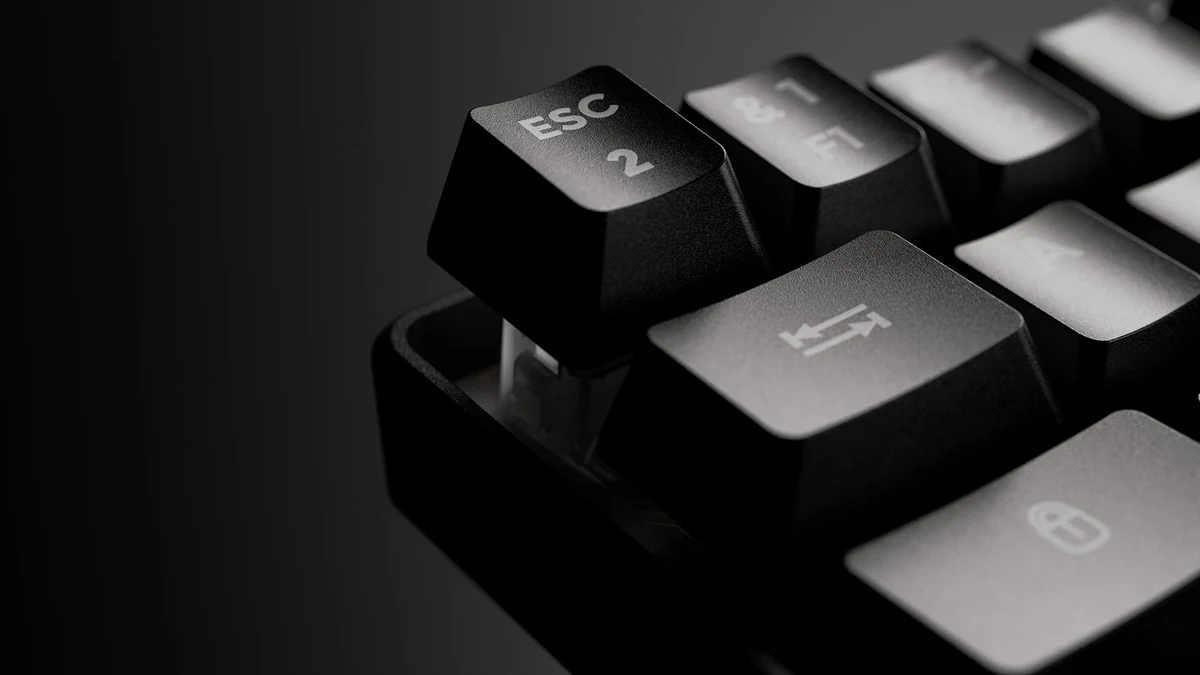
G-Lab gaming keyboard launch, from one 3D build.
View case studyTestimonial
The team at XO3D were a pleasure to work with on one of our big projects. They rendered, batched, and saved out literally thousands of images for us. Every single one of these images came out perfect.

FAQ
Common questions, answered.
What runtimes are typical in a marketing video set?
A 30 to 60 second hero, 15 second bumper, 9 second reel and short PDP or email loops. Vertical and square edits cover TikTok and Meta.
Can CGI marketing videos run on TV?
CGI can be mastered for broadcast, streaming or cinema, but each has its own delivery specification, for example for format, loudness and safe areas. Share that specification in the brief so the film is planned and checked against it.
How long does a full marketing video set take?
A launch suite of film, stills and social formats typically takes 6 to 10 weeks, depending on scope and product complexity.
Can we add cut-downs later?
Suitable source footage can support further runtimes and aspect ratios. Review the opening message, composition and ending for each placement; some versions need new shots.
Is a marketing video different from a promotional video or a product film?
The terms overlap, and all three can describe the same brief. A product film usually puts the product at the centre. A marketing video set adds the shorter cuts and shapes each placement needs. Name the job in your brief, the message, audience and placements, rather than the label.
What does 3D content distribution mean for marketing videos?
This guide covers planning the films and their formats. Hosting, ad serving and delivery to each platform are separate, and are agreed with whoever runs the media. XO3D delivers the agreed files; it does not provide hosting or a content delivery network.
Your next project
Give each cut a clear message.
A campaign film and a short placement do not always need the same opening. Plan the message and composition for each use before relying on a crop of the hero edit.
A route to consider
Product CGI Films
A product film developed through creative treatment, storyboard, animatic, product review and final picture and sound.
Bring these three things.
- What is the primary message?
- Which runtimes and aspect ratios are needed?
- What should the viewer do next?
Start with an outline. We review the product, intended outputs and timing before agreeing the production scope.