XO3D Studio · For agencies
A CGI partner for
your campaign.
Product craft that fits the creative idea. XO3D provides director-led CGI, animation and compositing, with a clear handoff between your team and ours.
For agency teams
A product CGI studio
inside your campaign.
XO3D is a UK-based, director-led product CGI and 3D product animation studio, and we work with agencies wherever they are. Your team can bring the treatment and the product brief. Together we agree who owns which creative decisions and who reviews the work, then scope the product sequences, stills or compositing the wider campaign needs.
The ImageNova and Sony project below is a working example. If you are a brand commissioning directly rather than through an agency, explore product CGI films instead.
A collaboration in practice
Built to join
a bigger picture.
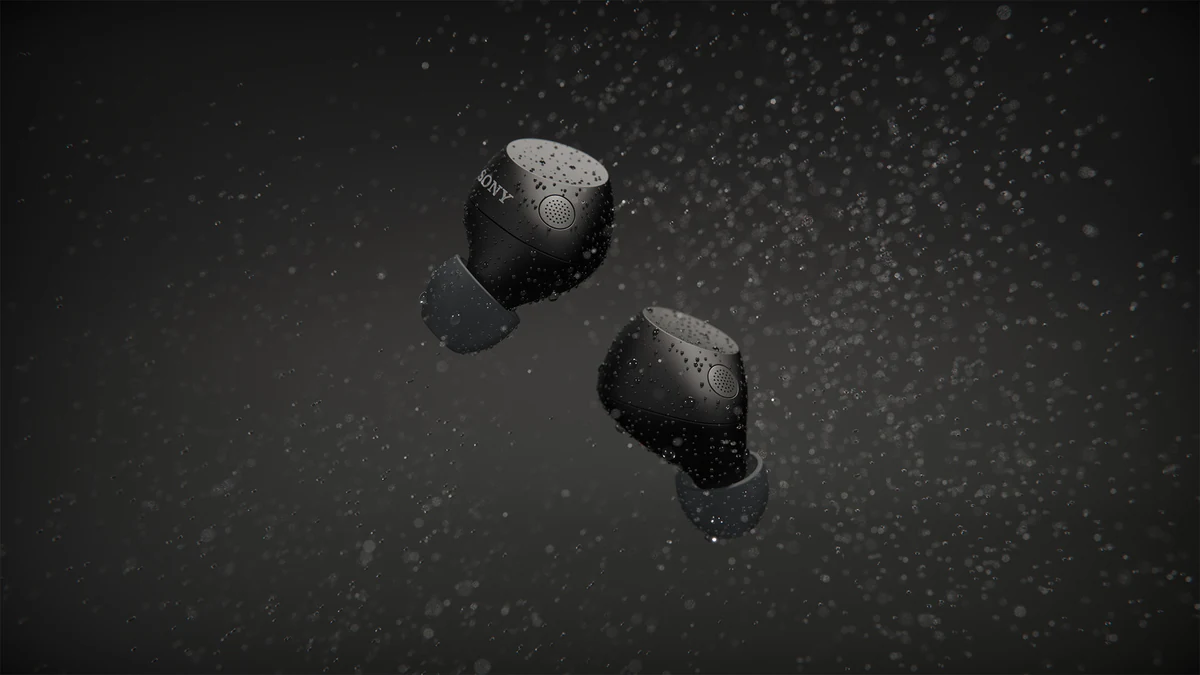
For ImageNova’s Sony WF-C710 project, XO3D produced two animated segments for the wider commercial, feature-led imagery and rendered colourways composited into ImageNova’s product photography.
The work needed to sit alongside the live-action production and hold the same product standard. The case study shows the animated sequences, water simulation, colour variants and final composites, with the client and production roles identified.

More agency collaborations
Two more handoffs.
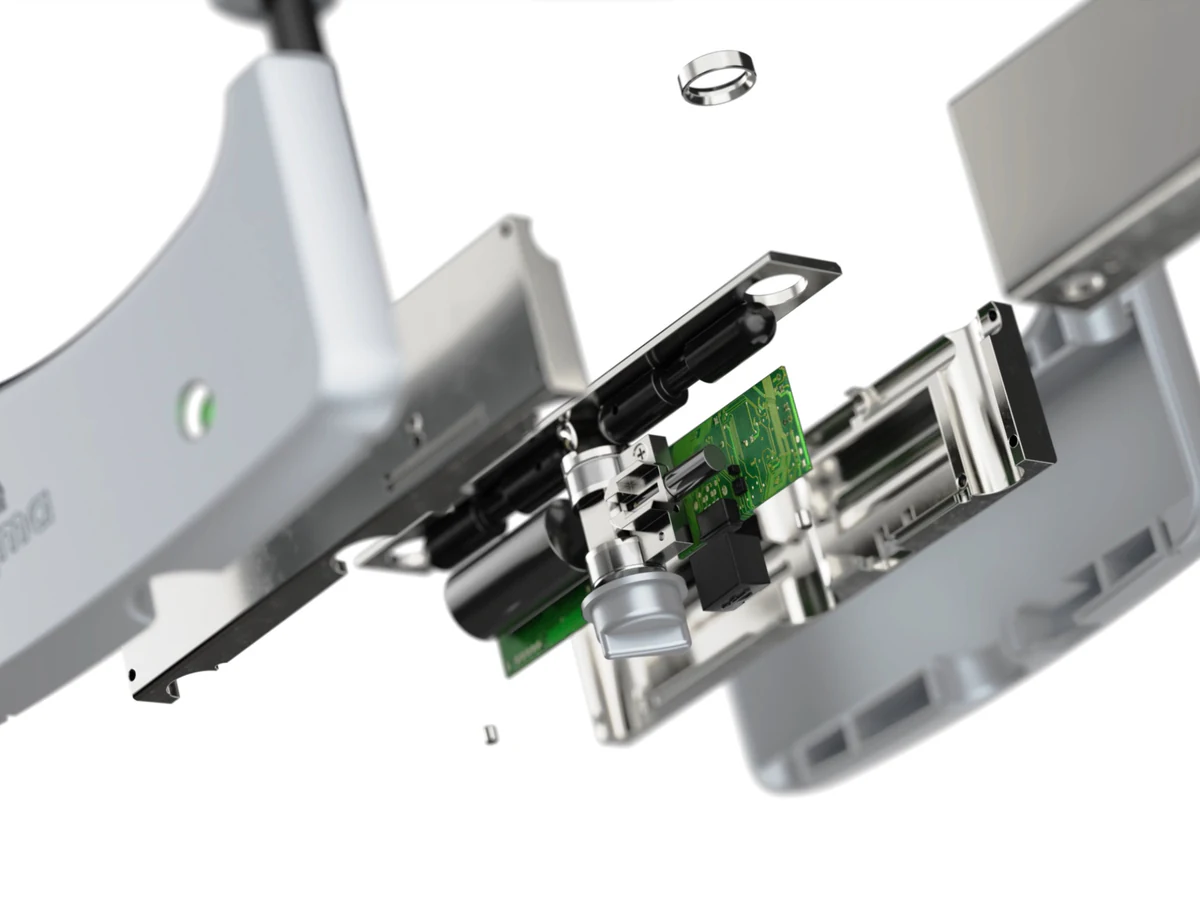 Curious Agency for Squire LocksMaking a mechanism readable.The brief came from Curious Agency: show buyers the internal mechanism of the Inigma and Boron locks. XO3D produced two exploded-view animations, with the order of part separation built from Squire engineering data.Read the case study
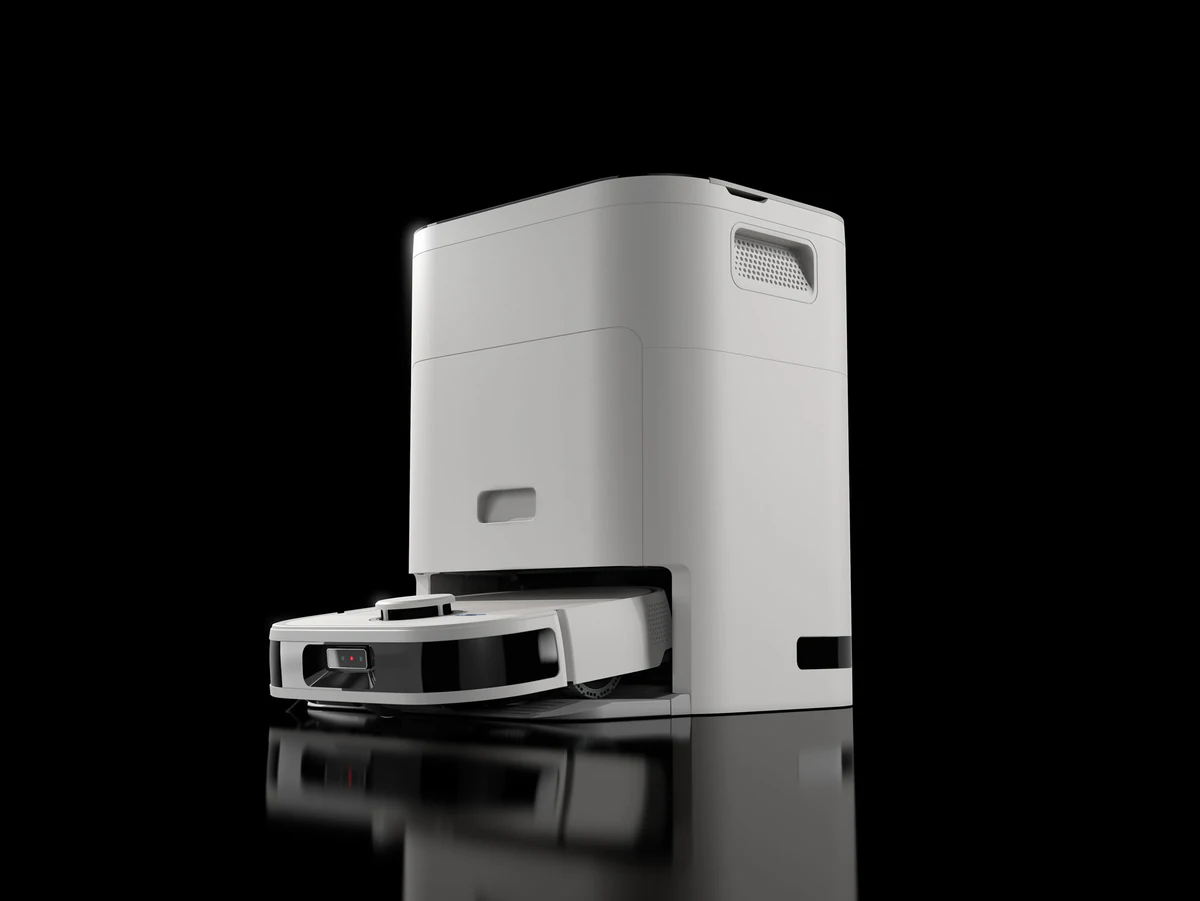 BPL Marketing for Noesis RoboticsAn agency-led launch.Through BPL Marketing, XO3D produced launch animation and hero stills for the Noesis Florio robot vacuum, for its launch at CES 2023. The product was still a prototype, so the launch visuals were made in CGI.Read the case study
Working together
Clear decisions.
Considered production.
Define the handoff.
Share the campaign idea, product references and delivery needs. Agree the division of work, approval owners and how the CGI fits into the wider production.
Resolve the look.
Develop the product materials, lighting and camera treatment around the approved creative direction. For a live-action integration, align the CGI with the plates and edit.
Build and review.
Review the work at agreed milestones. Consolidated feedback keeps the product, creative direction and campaign requirements aligned as the sequence develops.
Deliver for the campaign.
Check the agreed shots, variants and channel formats together. Confirm usage, delivery specifications and any source-file requirements in the project scope.
Who brings what: a discussion template.
A starting point for the first call, not a fixed split. Agency and client responsibilities vary from project to project.
| Agency brings | XO3D contribution to agree | Joint decisions |
|---|---|---|
| The approved treatment, storyboard or edit, and any plates from the shoot. | Product CGI sequences, stills or composites that fit that treatment. | Which creative decisions are fixed and which are still open. |
| Product references: CAD or model files, dimensions, materials and approved colours. | The product build, materials and lighting, checked against those references. | Who approves product accuracy for the client. |
| Shots, channels, delivery dates and the people who review. | Review stages, output specifications and delivery to the agreed formats. | Review owners, output specifications, usage and any source-file handover. |
What makes feedback actionable.
Name three people before the first review: a creative reviewer who protects the idea, a product reviewer who checks the product against the client's references, and one person who consolidates the notes into a single set. Each note should record the approved source revision it was checked against, the shot or frame, the issue and the change you want.
Keep two kinds of note apart. A product correction brings the work back in line with the approved product. A new creative request changes the agreed direction. Both are useful, but they are scoped differently, so the review stages, rounds and any downstream changes are set in the proposal rather than assumed. Prepare the production brief with these roles in it.
Before the first frame
Bring the idea.
Define the inputs.
- Creative: campaign idea, audience, references and the product story.
- Product: CAD or model files, dimensions, materials and approved colour references.
- Integration: plates, camera information, storyboard or edit, where available.
- Delivery: shots, variants, channels, review owners and required dates.
Each input is reviewed against the actual brief before production is agreed. Source files are checked for compatibility, plates and camera information for the shots they serve, and lighting references for the look they have to match. Where an input is missing, we say so before the work is scoped, not after. Output formats, usage and any source-file handover are agreed in the scope rather than assumed, and the specifications set the starting standard, not a promise that every file will work unchanged. Review delivery specifications, and if the work feeds an interactive or a live site, agree the handoff early.
Use the CGI briefing guide to organise the first conversation. We can then identify which inputs need resolving before production begins. For stills, colourways and 360 views produced alongside an agency campaign, see our 3D product visualisation studio.
Choose the right scope
From a sequence
to a launch.
Before you brief
A few useful
answers.
Can XO3D work within an agency’s existing creative direction?
Yes. The brief can start with an approved treatment, storyboard or edit. Share the decisions already made and the areas still open, and we define the product-production scope around them: how product CGI, animation and compositing support that direction, and which creative decisions sit with each team.
Can CGI be integrated into live-action work?
Yes. For ImageNova’s Sony WF-C710 project, XO3D produced animated segments for the wider commercial and rendered colourways composited into ImageNova’s product photography. Plates, lens information, lighting references and the intended edit help define a similar brief.
What should an agency send before production starts?
The campaign idea, product data, visual references, intended shots and channels, delivery dates and review owners. If the work joins an existing shoot or edit, include available plates, camera information and edit references. We identify missing inputs together before agreeing production.
Who reviews the work?
Name a creative reviewer, a product reviewer and one person who consolidates feedback. Product corrections from the client are kept separate from new creative requests, and the review stages and rounds are set in the agreed scope.
How is a product CGI studio different from a VFX house?
A VFX house is built for film and television, with large teams and very specialist simulation software. A product CGI studio makes marketing films for product launches, so the product, its CAD and its tolerances are the whole focus. For a product launch you do not need a VFX house to get VFX.
Start with the campaign
What does the
product need to say?
Share the idea, the work in hand and the delivery date.
Discuss your agency briefPlanning your project
Product craft that fits the campaign.
Your campaign has a point of view. The product CGI needs to belong inside it.
XO3D works with agencies on directed product sequences, stills and compositing. We define the production contribution, creative responsibilities and review route before the first shot is built.
Tell us about your brief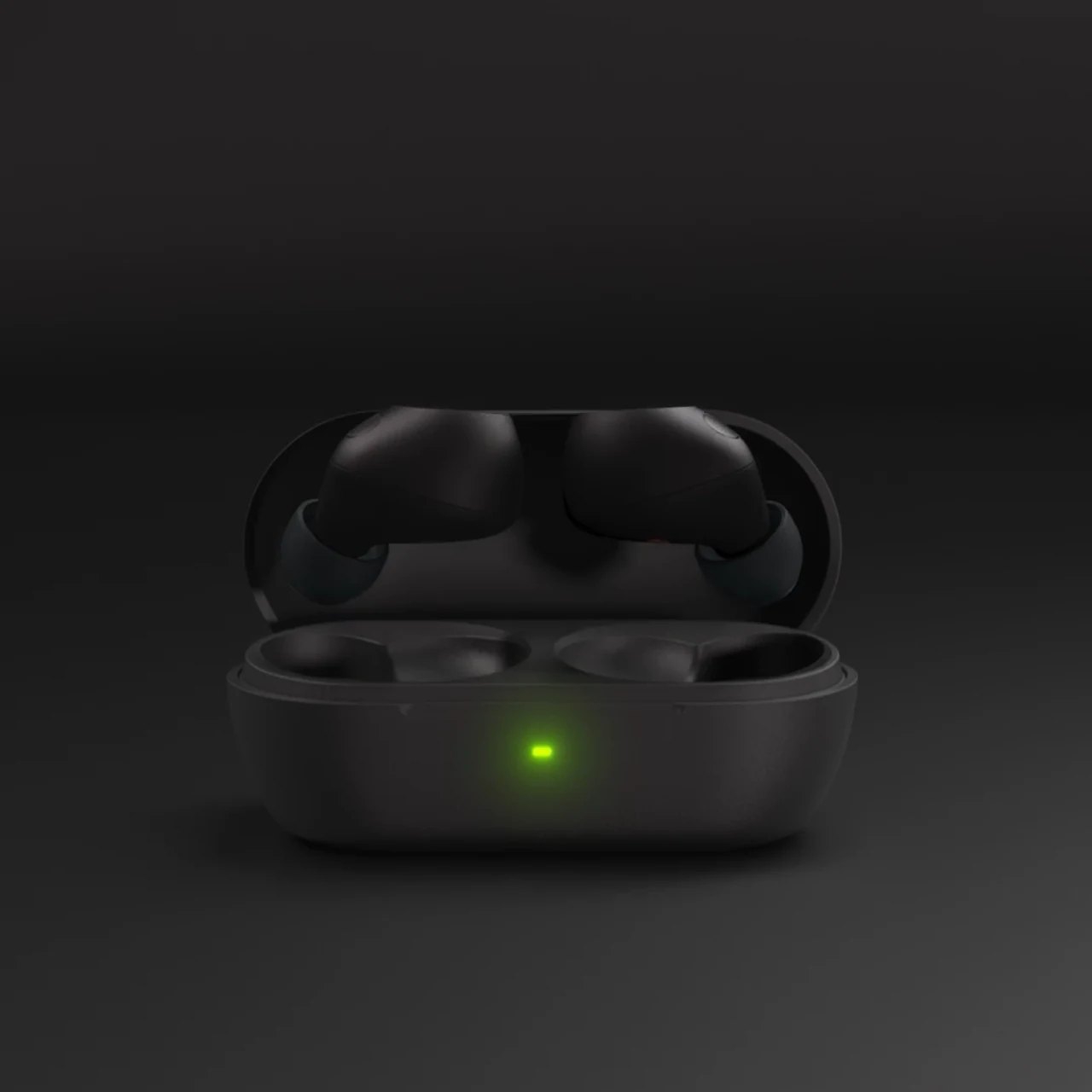
Join the idea.
Share the treatment, storyboard, edit or references that establish the campaign. Identify which elements are approved and where further creative development is needed.
The handoff should make it clear what your team owns and what XO3D is being asked to resolve. That clarity protects the idea as it moves into production.
Match the surrounding work.
If CGI joins live action, provide the available plates, camera information, lighting references and edit context. Agree what the product needs to match and where the CGI should create a deliberate change of scale or viewpoint.
For a fully digital sequence, establish the material and camera language with the wider campaign in mind.
Make review decisive.
Nominate creative and product reviewers. Consolidate feedback at the agreed stages, keeping client product corrections separate from new creative requests.
Confirm the shots, variants, aspect ratios and delivery specifications. Usage and any source-file handover requirements need to be agreed in the project scope.
Collaboration in practice.
The ImageNova and Sony case identifies XO3D's product CGI contribution within the larger production. It provides a concrete reference for discussing a similar handoff without confusing the agency's role with the studio's.
Bring the campaign and the handoff.
Tell us what is in place, what needs solving and when it needs to land.
Updated