XO3D Studio · Service
Technical CGI.
XO3D creates engineering-accurate technical product animation and CGI directly from CAD data. Mechanism animations, exploded views, assembly sequences and pre-manufacture imagery for products that don't exist physically yet.
Selected clients








Sony work via ImageNova. Ferrari and Burberry work via KCD.
XO3D's most distinctive position
Make the engineering understandable before the product is built.
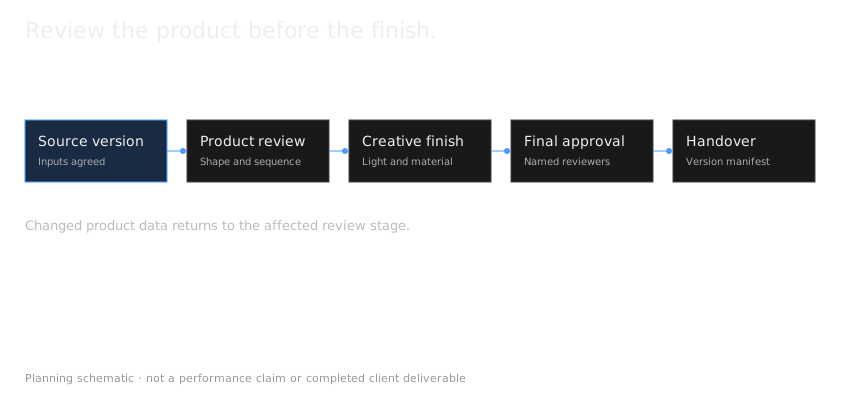
At XO3D, Technical CGI makes a complex product understandable. The capability to work directly from CAD files (STEP, IGES, SolidWorks, Rhino, Inventor) and produce photoreal imagery while preserving dimensional accuracy, mechanism fidelity, and material behaviour means we can produce launch-quality imagery before the physical product exists. The commercial point of that accuracy is not the accuracy itself: it is that a technical product stops looking like a specification and starts looking like something worth wanting, without anything being overstated to get there. The complete timing and approval route is covered in our pre-manufacture visualisation workflow.
Who this is for: product and engineering teams explaining a mechanism, preparing a trade-show demonstration or creating a launch campaign before stock arrives. Bring the current product files, the audience's questions and the decisions your engineering team needs to approve. Our briefing guide sets out the inputs and review responsibilities.
What it delivers
Product detail, clearly explained.
Mechanism animations
How the product works, visualised. Switches, hinges, valves, motors, interfaces. Engineering-accurate motion, demonstrated in cinematic CGI for sales, training and marketing. A buyer who understands how something works stops comparing on price and starts comparing on capability.
Exploded views & assembly sequences
The product taken apart in animation, showing internal components, build sequence and engineering complexity. For investor decks, sales decks, technical documentation and training material. Complexity shown deliberately reads as engineering confidence rather than as complication.
Investor & roadshow visuals
Pre-manufacture imagery for investor presentations and Series A roadshows. Engineering credibility for due diligence teams. Commercial ambition for the C-suite. Both from the same build.
Crowdfunding campaign visuals
Kickstarter and Indiegogo campaigns are won or lost on the first frame. CGI from CAD data produces campaign-quality imagery that makes a pre-manufacture product look as credible as a shipped one.
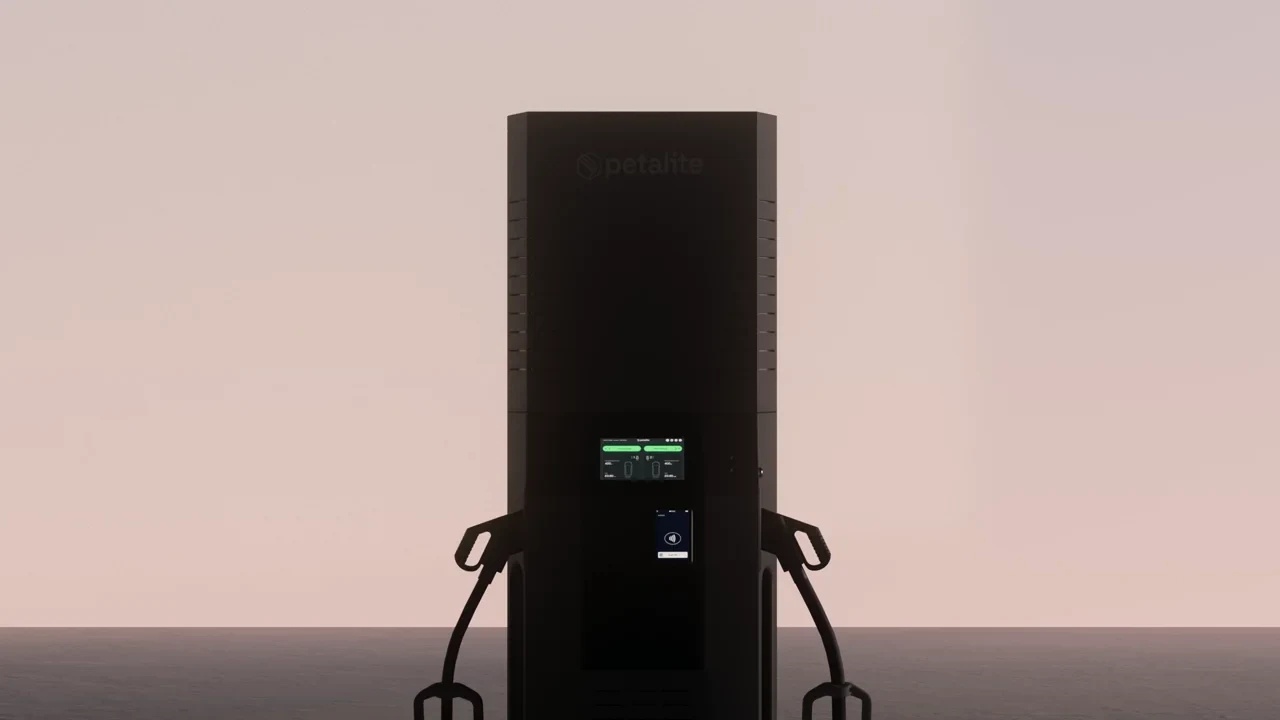
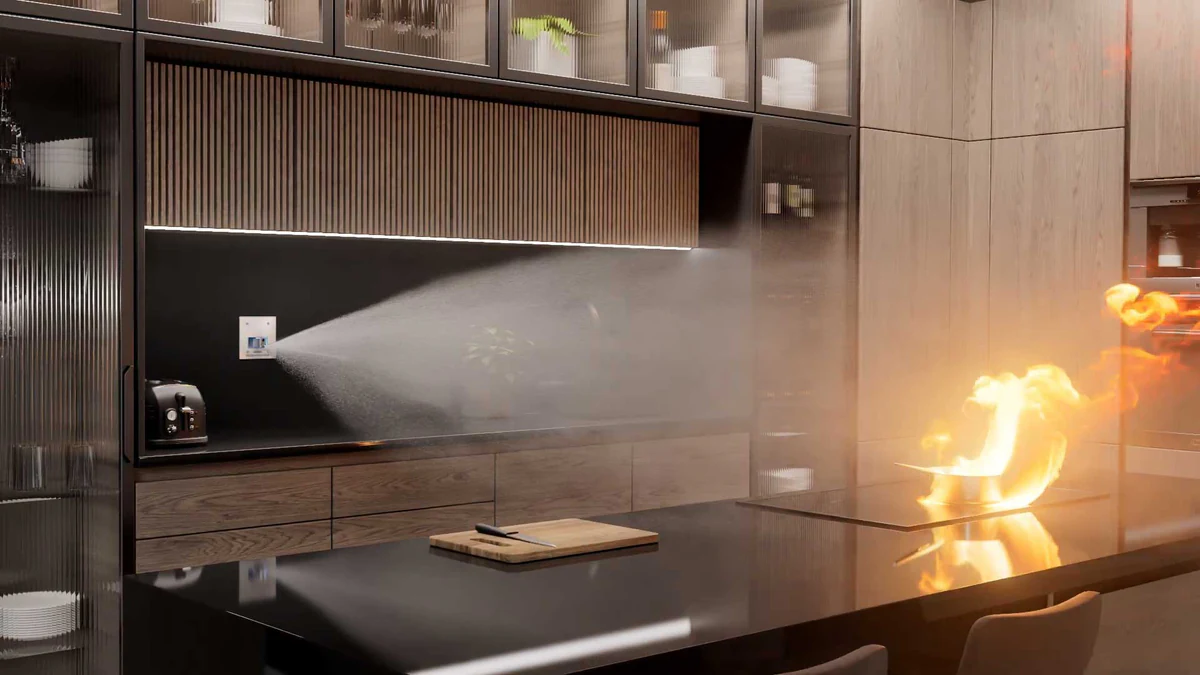
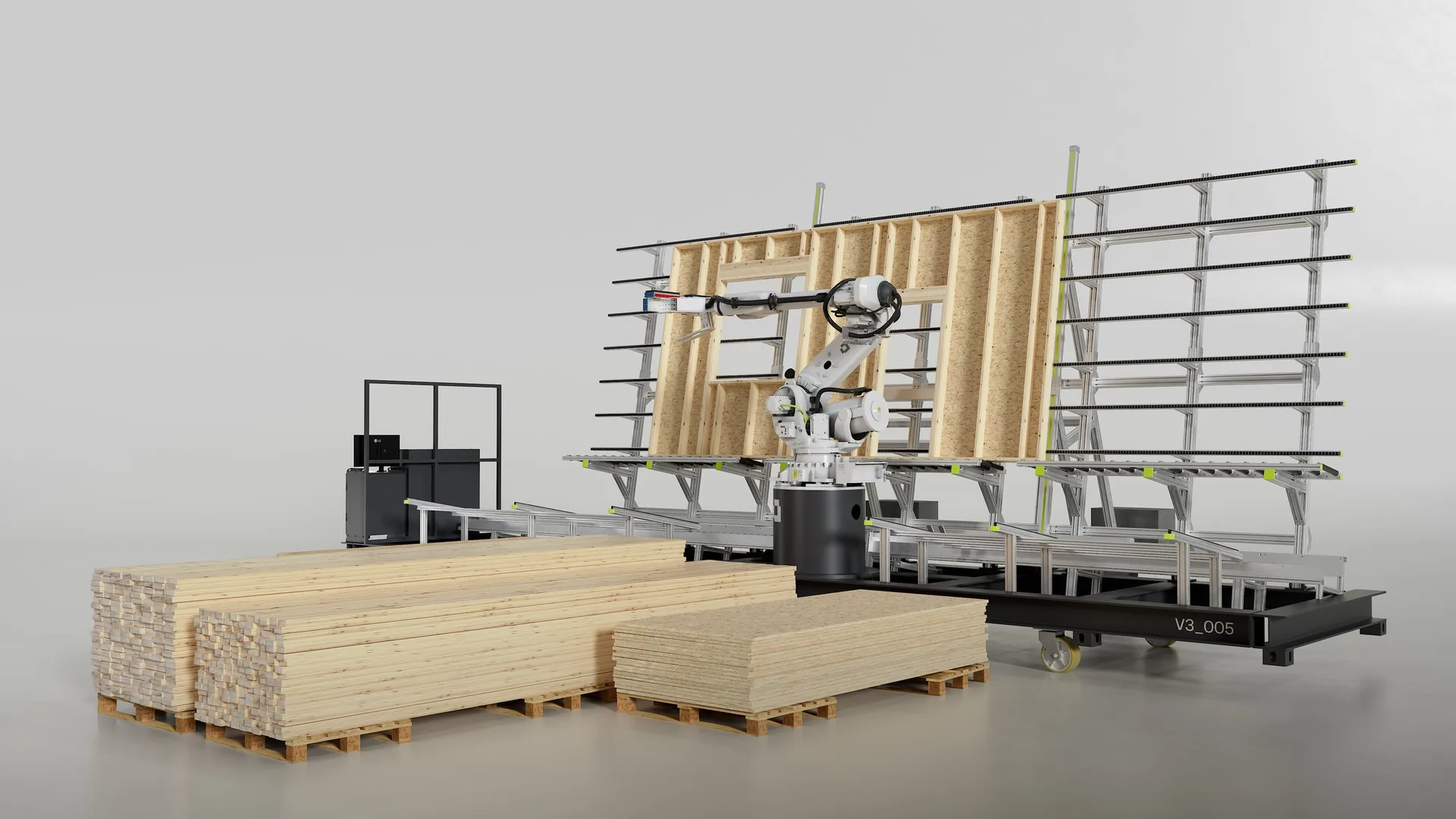
See the approach in the AUAR MicroFactory, Petalite, Plumis Automist and Dermalux Compact MD work. Where the brief is an exploded view or a cutaway on its own, commission exploded view and cutaway animation directly.
Source files we work from
What we need from your engineering team.
Technical CGI projects at XO3D begin with CAD or engineering source. The ideal starting point is one of the following formats. If your CAD format is not listed, ask us, we work with most engineering pipelines.
Movement references matter too. For the AUAR robotic MicroFactory, client-supplied footage of the factory prototype and earlier robot versions provided movement and appearance references for the detailed Cinema 4D rigging.
| Format | Software | Notes |
|---|---|---|
| STEP (.stp, .step) | Universal CAD interchange | Preferred format. Preserves geometry and assembly structure. |
| IGES (.igs, .iges) | Universal CAD interchange | Common alternative to STEP. Workable in most production pipelines. |
| SolidWorks (.sldprt, .sldasm) | SolidWorks | Native files preserve full assembly hierarchy and material assignments. |
| Rhino (.3dm) | Rhinoceros | Common in industrial and product design. Direct import. |
| Inventor (.ipt, .iam) | Autodesk Inventor | Native engineering files for mechanism and assembly work. |
| OBJ, FBX, 3MF | Generic 3D formats | Workable as a fallback when CAD source is not available. |
Alongside CAD, the production team typically needs: material and finish specifications, the engineering drawing pack, any physical samples you can supply, and a brief covering the commercial situation the imagery has to serve.
Accuracy held
Material, finish and colour.
Geometry from CAD is the easy half. On an engineered product the harder half is the surface, because a technically correct model wearing the wrong finish still reads as a render rather than as the thing you are manufacturing.
Materials are developed from available references for the specific product. A close library material can be refined; a finish with no close match is built from scratch. Anodising, powder coat, brushed grain direction, soft-touch polymer and machined aluminium each behave differently under light, and CAD appearance data describes none of it. Brand and product colour is matched to your physical sample, Pantone, RAL or brand codes, material specification or approved reference photography, kept consistent across every angle, lighting setup and output format, and carried through the finishing grade rather than traded away for a look. Where you can supply a physical sample or a finish swatch, the render is compared against it directly before look development is signed off. The full standard, including what it deliberately does not claim, is set out in product truth, and the checkpoints are on how we work.
Sectors served
Where technical accuracy is a creative requirement.
- EV & Cleantech
EV charging, energy infrastructure, clean technology
Engineering-credible imagery for sectors where the technical credibility of the product is part of the commercial story. Petalite 1MW EV charging infrastructure is a featured project.
- Medical & Health Tech
Clinical devices, health technology, medical equipment
Imagery that earns trust in a regulatory context and desire in a consumer one. Dermalux LED phototherapy is a current client.
- Industrial & Engineering
Industrial equipment, precision instruments, complex mechanism products
Mechanism animations, exploded views and dimensionally accurate visualisation for products where the engineering is the story.
- Automotive & Mobility
EV, micro-mobility, automotive sub-systems
Cinematic automotive language applied to engineering subject matter. Web Excellence Award-winning Flash Motors campaign sits in this group.
FAQ
Common questions about Technical CGI.
How accurate is the imagery compared to the engineering?
What if our CAD is incomplete or in revision?
Can you do internal-mechanism visualisation?
Is the output suitable for technical documentation?
Should we commission a technical explainer or a product launch film?
How do you decide the order of an exploded product animation?
Start the conversation
Got a product still in development?
Send us the brief and the CAD pack. We will tell you whether Technical CGI is the right approach and how we would scope it. Pre-manufacture briefs are often the most interesting work we take on.